
Every year, as crawfish season arrives, people across the Southern United States get excited for a classic crawfish boil. Whether you catch your own or buy live crawfish from a local market, one challenge stands out: how to keep live crawfish healthy overnight before you cook them. Storing crawfish the wrong way can lead to dead or spoiled shellfish, which not only ruins the meal but can also be unsafe. If you plan to host a crawfish boil or want to enjoy the freshest crawfish the next day, it’s essential to know the best methods for storing live crawfish overnight.
This article will guide you step by step, from understanding crawfish biology to preparing storage, monitoring their health, and troubleshooting common issues. You’ll learn the science behind crawfish survival, proven storage practices, and mistakes to avoid. With a focus on clarity and practical advice, you’ll be ready to keep your crawfish alive, healthy, and delicious for your next gathering.
Why Live Crawfish Need Special Care
Crawfish are not like other seafood. They are freshwater crustaceans that can quickly die if removed from their ideal environment. When crawfish die, their flesh breaks down quickly, making them unsafe to eat. This is why keeping them alive until cooking is so important.
Live crawfish breathe through gills. They need moisture and oxygen, but they can drown if kept in standing water without enough air. Conversely, if they dry out or overheat, they suffocate or become stressed. Understanding these basic needs is the first step to proper storage.
Key Conditions For Crawfish Survival
- Cool temperatures: Crawfish prefer 46–65°F (8–18°C). Too warm or cold, and they die quickly.
- Moist environment: Their gills must stay damp, not dry or submerged for long periods.
- Oxygen: They need fresh air to breathe.
- Cleanliness: Waste buildup or dirty conditions can lead to disease or death.
It’s surprising for beginners that crawfish can drown in water if there’s not enough oxygen, or die if kept too dry. The balance is delicate, but easy to manage with the right setup.
Preparing For Crawfish Storage
Before you bring crawfish home, you need to get ready. Good preparation can make the difference between a healthy sack of crawfish and a disappointing, smelly mess the next morning.
Choose The Right Container
You can use a cooler, ice chest, or a large plastic tub. The container should be big enough for the crawfish to spread out in a single layer, not stacked too deep. Crowding stresses the crawfish and increases the risk of death.
- Cooler with drain: Best option. Allows melted ice to drain, preventing crawfish from sitting in water.
- Plastic tub: Works if you can angle it to drain excess water.
- Cardboard box: Sometimes used but not ideal—can become soggy and break.
Gather Essential Supplies
- Ice: Use food-grade ice, not ice packs with chemicals.
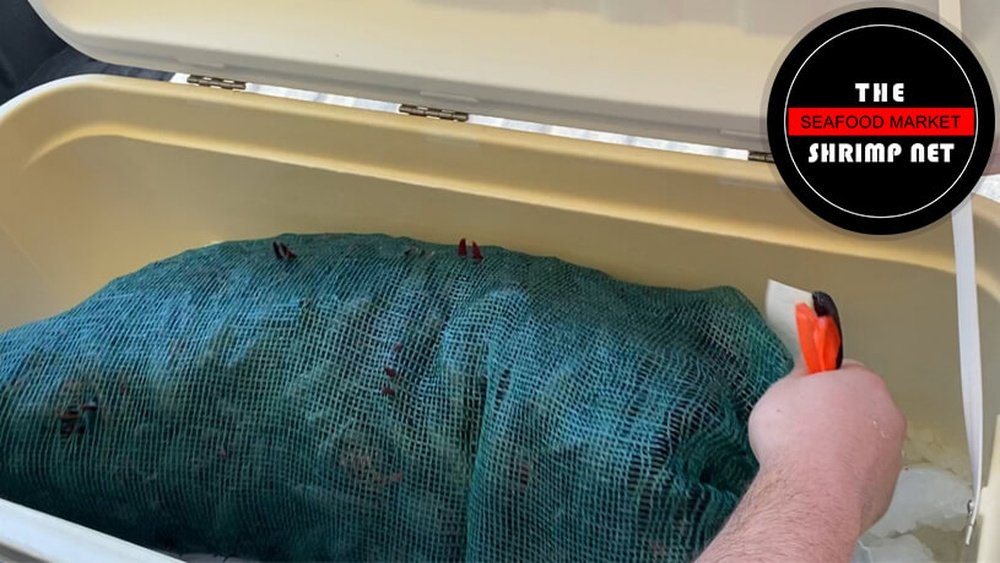
- Burlap sack or damp towels: To cover crawfish and maintain humidity.
- Elevated rack or tray: Optional, but helps keep crawfish out of melted ice water.
- Thermometer: To monitor temperature inside the container.
Clean The Storage Area
Clean your cooler or tub with mild soap and rinse thoroughly. Any leftover detergent or debris can harm crawfish. Make sure the cooler is dry before use.

Credit: www.youtube.com
How To Store Live Crawfish Overnight: Step-by-step
Follow these steps carefully to maximize survival rates for your crawfish.
1. Inspect Crawfish On Arrival
As soon as you receive live crawfish, check them. Remove any dead or damaged ones right away. Dead crawfish spoil quickly and can affect the rest.
- Healthy crawfish: Active, moving, tails curled, shells firm.
- Unhealthy/dead: Limp, soft shells, bad smell, straight tails.
2. Rinse Crawfish (optional But Useful)
Some people rinse crawfish with cool, clean water to remove mud and debris. If you do this, use a gentle spray and avoid soaking them.
- Do not use salt: There’s a myth that salt makes crawfish purge. It can actually kill them.
- Don’t keep them wet too long: A quick rinse is enough.
3. Place Crawfish In Cooler Or Container
Spread crawfish in a single layer if possible. Do not overfill; crawfish need air and space.
- Layer of ice on bottom: Place a small layer of ice under a rack or in sealed bags.
- Crawfish on rack or directly on ice: If no rack, put them on top of the ice, but avoid direct contact with melting water.
4. Cover With Damp Burlap Or Towel
Drape a burlap sack or clean, damp towel over the crawfish. This keeps humidity high and prevents them from drying out.
- Don’t soak the covering: It should be damp, not dripping.
5. Leave Cooler Lid Slightly Open
Crawfish need air to breathe. Do not seal the cooler tightly. Crack the lid or prop it open slightly to allow airflow.
- Too tight = suffocation
- Too open = temperature may rise
6. Store In A Cool, Shaded Area
Place the container in a garage, covered porch, or cool room. Avoid direct sunlight, hot garages, or areas with fumes (like near cars).
- Ideal temperature: 46–65°F (8–18°C)
- Fridge is usually too cold: Standard home fridges run 35–40°F, which can kill crawfish.
7. Drain Melted Ice Regularly
Check the cooler every few hours. Melted ice forms water at the bottom, which can drown crawfish.
- Use the cooler’s drain: Open it to let water out.
- No drain? Tip the container carefully to pour off water.
8. Add Fresh Ice As Needed
Keep crawfish cool but not freezing. Add more ice over the burlap/towel if needed, but avoid touching crawfish directly with ice for long periods.
9. Check Crawfish Condition Periodically
Every few hours, check for:
- Dead crawfish: Remove immediately.
- Overheating or drying: Add ice or re-dampen the covering as needed.
- Signs of stress: Crawfish climbing up sides, sluggish movement, or foul smell.
10. Prepare To Cook Within 24 Hours
Crawfish are best cooked within 12–24 hours of storage. The longer they are out of their natural environment, the higher the risk of death and spoilage.
What Not To Do When Storing Live Crawfish
Mistakes in storage can ruin your crawfish boil. Some errors are common, especially for beginners. Here’s what to avoid:
- Do not submerge crawfish in water: They need moist air, not a water bath. Drowning is a real risk.
- Do not use salt baths: Salt can kill crawfish and doesn’t “purge” them effectively.
- Do not freeze live crawfish: Freezing kills them instantly and ruins meat texture.
- Do not store in sealed plastic bags: Lack of oxygen quickly suffocates crawfish.
- Do not store in direct sunlight: Heat stress can kill them in less than an hour.
- Do not stack sacks too deep: Weight and lack of air circulation harm the crawfish at the bottom.
- Do not store in refrigerator (unless you can set a “warm” zone): Most fridges are too cold.
How Long Can You Store Live Crawfish?
The survival window for live crawfish is short. Even in the best conditions, they’re not meant to be kept long-term out of water.
- Best practice: Cook within 12–24 hours.
- Maximum: Up to 36 hours if kept cool, damp, and well-aerated.
- After 24 hours: Mortality rates rise quickly.
Crawfish start to die in large numbers if left too long. Always check before cooking—never eat crawfish that died during storage, as they can spoil quickly.
Storing Crawfish: At Home Vs. Commercial
The principles for home and commercial storage are similar, but some differences matter.
| Factor | Home Storage | Commercial Storage |
|---|---|---|
| Container | Cooler, ice chest, tub | Refrigerated warehouse, walk-in cooler |
| Temperature Control | Ice, location choice | Precise thermostats |
| Humidity Control | Damp towels/burlap | Humidifiers, automated misters |
| Air Circulation | Propped lid, air vents | Ventilation systems |
| Storage Time | 12–24 hours | Up to 72 hours (with losses) |
At home, you can’t match the technology of commercial operations, so aim for freshness. Don’t try to keep crawfish for days—quality drops quickly.
Credit: www.dailymotion.com
Dealing With Larger Quantities (sacks Of Crawfish)
If you buy a full sack (30–40 pounds), the same principles apply, but you need to be extra careful with space and air.
- Do not stack sacks: Lay sacks flat if possible.
- Open the sack: Loosen the sack’s ties to allow air in.
- Use multiple coolers or tubs: Spread crawfish between containers for better survival.
- Rotate sacks: If stacking is unavoidable, rotate which sack is on top every few hours.
Larger amounts mean more waste and more heat generated by the crawfish themselves. Monitor them more often.
Purging Crawfish: Is It Necessary?
Many people believe crawfish need to be “purged” (soaked in water to clean out mud and waste). In reality, purging is not strictly necessary for overnight storage and can stress or kill crawfish if done wrong.
- If you choose to purge: Use clean, cool water for 5–10 minutes only. Do not add salt.
- For most, a quick rinse is enough: Focus on survival until cooking—purging can be done just before the boil if you prefer.

Credit: www.reddit.com
Signs Of Healthy Vs. Unhealthy Crawfish
Being able to identify healthy crawfish is important for safety and taste.
| Sign | Healthy Crawfish | Unhealthy/Dead Crawfish |
|---|---|---|
| Movement | Active, tries to crawl | Limp, motionless |
| Shell | Firm, shiny | Soft, discolored |
| Tail | Curls when picked up | Straight, floppy |
| Smell | Fresh, mild | Rotten, fishy |
Never eat crawfish that were dead before cooking. The rule of thumb is: “Dead before boil, throw it away.”
Common Problems And How To Fix Them
Even with the best care, things can go wrong. Here are some common storage issues and what to do.
Crawfish Are Dying Quickly
- Check temperature: Too hot or cold kills crawfish. Add or remove ice to adjust.
- Check for water pooling: Drain immediately. Crawfish can drown.
- Lack of air: Open the cooler slightly more for better airflow.
Crawfish Smell Bad
- Immediate action: Remove all crawfish, sort and discard dead ones, rinse the rest, clean the cooler, and repack.
- Prevention: Check more often, do not let dead crawfish stay in with the live ones.
Crawfish Are Escaping
- They’re stressed: Too hot or too dry. Add ice, re-dampen covering, and keep in shade.
- Cooler lid too loose: Adjust so it’s open enough for air but not enough for crawfish to crawl out.
Ice Is Melting Too Fast
- Move to cooler area: Out of sunlight, into air conditioning if possible.
- Use larger ice blocks: They melt slower than cubes.
Not Enough Space
- Divide into more containers: Don’t crowd crawfish.
- Remove extra debris: Mud and grass from the sacks can take up space and create waste.
Best Practices For Maximum Crawfish Survival
The key to storing live crawfish overnight is consistency and attention. Follow these best practices for the best results:
- Keep temperature steady: Check every few hours.
- Keep crawfish damp, not wet: Use damp burlap or towels.
- Let them breathe: Always allow some airflow.
- Remove dead crawfish quickly: Reduces risk of spoilage.
- Store out of sunlight: Heat kills fast.
- Cook as soon as possible: The fresher, the better.
What To Do Before Cooking
When you’re ready to cook, give your crawfish one last check.
- Sort one more time: Remove any dead crawfish.
- Rinse gently: Wash off any dirt or debris.
- Prep your cooking area: Have your spices, vegetables, and pot ready.
Cooking live, healthy crawfish leads to the best flavor and safety. If you find a few that have died, discard them.
Non-obvious Tips And Insights
Even many experienced cooks miss these details:
- Do not add chlorine or tap water directly: Chemicals in tap water can stress or kill crawfish. If you rinse, let water stand for an hour to let chlorine evaporate or use bottled water.
- Use a temperature alarm: A simple fridge thermometer with an alarm can alert you if the cooler gets too hot or cold, especially overnight.
- Save time with two coolers: If you expect a large group, split your crawfish between two coolers so you can check and cook in batches.
Safety And Health Considerations
Eating spoiled crawfish can cause food poisoning. The main risks come from bacteria that multiply quickly in dead or decaying shellfish. Always follow these safety rules:
- Never eat crawfish that died before boiling.
- If in doubt, throw it out.
- Wash hands after handling live crawfish and cleaning their containers.
For more about safe seafood handling, you can check resources from the Centers for Disease Control and Prevention.
Frequently Asked Questions
How Do I Know If My Crawfish Are Still Alive?
Live crawfish move when touched or picked up. Their tails curl, and they may try to crawl. If a crawfish is limp, with a straight tail and no movement, it’s dead.
Can I Store Live Crawfish In My Home Refrigerator?
Most home refrigerators are too cold (35–40°F) and can kill crawfish. If your fridge has a “warmer” section (46–65°F), you can use it, but usually a cooler with ice is safer.
What Should I Do If Many Crawfish Die Overnight?
Sort out the dead crawfish immediately. Check your storage setup for problems: temperature, air, or water pooling. Only cook the live crawfish; discard any that died.
Do I Need To Purge Crawfish Overnight?
No, purging is not needed for overnight storage. It’s more important to keep them alive. You can rinse crawfish before cooking, but long purges are not necessary.
What’s The Best Way To Transport Live Crawfish?
Use a cooler or ice chest with a damp covering and some ice. Allow air to circulate. Do not seal the container and never submerge crawfish in water during transport.
Keeping live crawfish healthy overnight is all about balance: cool, moist, and with plenty of air. With these steps, you’ll avoid common mistakes and enjoy a successful crawfish boil every time. Whether you’re a first-timer or a seasoned cook, following these guidelines means your crawfish will stay fresh, lively, and ready for the pot.