
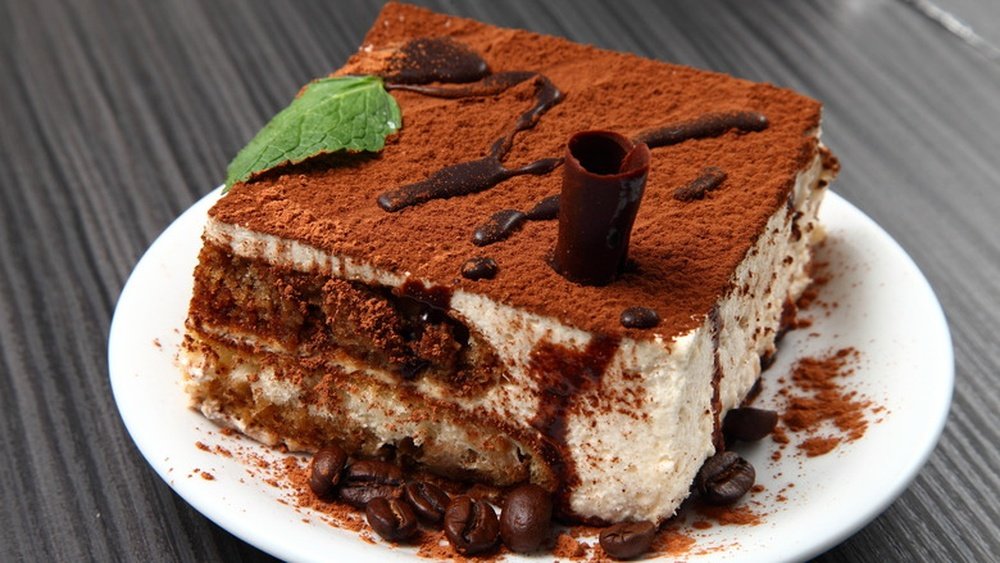
Tiramisu is one of those desserts that makes every moment special. Creamy mascarpone, rich espresso, and delicate ladyfingers create a taste that lingers in your mind long after the last bite. But there’s a challenge that even experienced bakers and home cooks face: how to store tiramisu properly. If you want to keep that perfect flavor and texture, storage is everything.
Many people believe tiramisu is simple to store—just put it in the fridge. But there’s much more to know if you want your dessert to stay safe and delicious. This guide will walk you through everything: from the best containers to freezing, thawing, and serving tips. If you’ve ever been disappointed by soggy, dried-out, or off-tasting tiramisu, you’ll find the answers here. Let’s make sure your tiramisu stays as good as the day you made it.
Why Proper Storage Matters
Every part of tiramisu is sensitive to air, moisture, and temperature. The creamy layer can absorb smells, the ladyfingers can get soggy or dry, and the cocoa can become bitter if not handled right. Here’s why storing tiramisu properly is essential:
- Prevents spoilage: Tiramisu contains eggs and dairy, which can spoil quickly if left at the wrong temperature.
- Keeps taste and texture: Poor storage can lead to mushy layers or unpleasant flavors.
- Avoids foodborne illness: Bacteria grow fast in moist, creamy desserts if not chilled.
- Preserves appearance: Proper storage keeps the dessert looking fresh and appetizing.
Most mistakes happen in the first 24 hours after making tiramisu. Understanding the science behind storage helps you enjoy every piece safely.
The Main Enemies Of Tiramisu
Tiramisu is delicate. Even small mistakes can ruin it. Here are the biggest threats:
- Temperature changes: Moving between cold and warm areas can cause condensation, making tiramisu soggy.
- Exposure to air: This dries out the mascarpone and makes the cocoa bitter.
- Strong odors: The cream absorbs fridge smells—onion, garlic, or even fish can ruin your dessert.
- Improper containers: Loose lids or plastic wrap can lead to drying or contamination.
- Incorrect freezing: Ice crystals can destroy the texture and flavor.
Understanding these risks helps you choose the right storage method.

Credit: baranbakery.com
The Best Containers For Storing Tiramisu
Not all containers are equal. The right choice depends on how long you plan to store your tiramisu. Here’s a comparison of common container types:
| Container Type | Pros | Cons | Best For |
|---|---|---|---|
| Glass Dish with Lid | Non-porous, keeps flavors pure, easy to clean | Heavy, can break | Short-term fridge storage |
| Plastic Airtight Container | Lightweight, airtight, affordable | Can stain, may retain odors | Short-term and freezing |
| Ceramic Dish with Wrap | Attractive, holds temperature well | Must wrap tightly, can chip | Serving and short-term storage |
| Aluminum Foil Pan | Disposable, easy for travel | Not airtight, less durable | Parties, gifting, short-term |
| Vacuum-Sealed Bag | Prevents freezer burn, space-saving | Needs equipment, not for serving | Long-term freezing |
Glass and plastic airtight containers are best for home use. If you plan to freeze tiramisu, use plastic or vacuum-sealed bags to avoid glass cracking from ice expansion.
How To Store Tiramisu In The Fridge
Tiramisu is a chilled dessert. Most recipes recommend at least 4 hours in the fridge before serving to set the layers. But what about keeping it fresh for days?
Steps For Fridge Storage
- Cool tiramisu completely before storing. If it’s freshly made, let it reach fridge temperature before sealing.
- Cover with an airtight lid or plastic wrap. Make sure the wrap touches the surface to prevent air pockets.
- Label with the date so you know how long it’s been stored.
- Store on a middle shelf (not the door) to avoid temperature swings.
How Long Does Tiramisu Last In The Fridge?
Homemade tiramisu keeps for 2 to 4 days in the fridge. After that, the cream may separate, and the ladyfingers can become unpleasantly soggy. If your tiramisu has raw eggs, eat it within 2 days.
Here’s a quick reference:
| Tiramisu Type | Fridge Life (Days) | Notes |
|---|---|---|
| Homemade (raw egg yolks) | 2 | Eat quickly, risk of spoilage higher |
| Homemade (cooked custard) | 3-4 | Safer, longer shelf life |
| Store-bought | 3-5 | Check label, often contains preservatives |
| Vegan (no dairy or eggs) | 4-5 | Longer life, but check cream base |
Tip: Always check for smell, color, or watery layers before eating leftover tiramisu. If in doubt, throw it out.

Credit: www.tastingtable.com
Can You Freeze Tiramisu?
Freezing tiramisu can be a lifesaver if you want to prepare ahead or save leftovers. But it’s not as simple as putting the dish in the freezer. The key is preventing ice crystals, which damage the creamy texture.
How To Freeze Tiramisu
- Cut into portions: Freezing in single servings is best. It thaws faster and avoids repeated freezing.
- Wrap tightly: Use plastic wrap, then foil, or place in an airtight container.
- Label with the date.
- Place flat in the freezer to keep layers even.
How Long Can You Freeze Tiramisu?
Frozen tiramisu keeps for up to 3 months. After this, ice crystals can affect flavor and texture.
Best Practices For Freezing
- Avoid adding cocoa powder before freezing. Add it after thawing so it stays fresh.
- Use high-fat mascarpone and cream. Low-fat versions separate more easily.
- If using alcohol, be aware it prevents freezing solid. This is normal.
Freezing Store-bought Tiramisu
Many store-bought tiramisus are designed for freezing. Follow the package instructions, but in general, you can freeze these for up to 4 months.
What Happens To Tiramisu When Frozen?
Some separation of layers is normal. Mascarpone may become grainy, and ladyfingers can become softer. However, most people find the taste is still excellent if thawed correctly.
How To Thaw Frozen Tiramisu
Thawing tiramisu is just as important as freezing it. Rushing the process can ruin the dessert.
Safe Thawing Steps
- Move to the fridge: Place frozen tiramisu in the fridge for 8-12 hours. Overnight is best.
- Keep it covered to prevent moisture loss and odor absorption.
- Do not thaw at room temperature. This causes water to separate and can lead to bacteria growth.
Serving After Thawing
- Add a fresh dusting of cocoa before serving.
- Serve slightly chilled, not icy.
- Eat within 24 hours for best quality.
Storing Tiramisu For Parties Or Picnics
Transporting tiramisu adds extra risk. Here’s how to do it safely:
- Use a cooler with ice packs for travel.
- Store in a shallow dish to keep layers even during movement.
- Avoid direct sunlight and keep under 40°F (4°C).
- If serving outdoors, keep tiramisu chilled until the last moment.
How To Store Individual Portions
If you want to enjoy tiramisu one piece at a time, storing in single servings is smart.
- Cut and wrap each portion tightly.
- Store in small airtight containers or wrap in plastic and foil.
- For lunchboxes or quick snacks, use jars or cups with lids.
This also helps with portion control—no need to thaw the whole dessert.
Common Storage Mistakes (and How To Avoid Them)
Even experienced cooks make mistakes. Here are common ones and how you can prevent them:
- Leaving tiramisu uncovered: Causes drying and flavor loss. Always cover tightly.
- Putting hot tiramisu in the fridge: This creates condensation and soggy layers. Cool first.
- Using the fridge door for storage: The temperature changes too much. Use the back or middle shelf.
- Mixing with strong-smelling foods: Store tiramisu away from garlic, onions, or fish.
- Refreezing thawed tiramisu: This destroys texture and increases risk of bacteria.
How To Tell If Tiramisu Has Gone Bad
Don’t take chances with spoiled dessert. Signs of bad tiramisu include:
- Sour smell: Should be creamy and slightly sweet, not sour.
- Watery or separated layers: A sign of breakdown or bacteria.
- Mold: Any green, blue, or white fuzzy spots mean it must be thrown out.
- Slimy texture: This is not normal and can be dangerous.
- Off taste: If the flavor is not right, don’t eat it.
If you see or smell anything odd, it’s better to discard it. Food poisoning is not worth the risk.
Storing Tiramisu Made With Different Ingredients
Not all tiramisu is the same. Ingredients affect how you should store it.
Tiramisu With Raw Eggs
Traditional Italian tiramisu uses raw egg yolks. These spoil quickly. Store in the fridge and eat within 2 days. Freezing is not recommended because the texture changes a lot.
Tiramisu With Cooked Custard
Some recipes use a cooked custard base. This is safer and lasts 3–4 days in the fridge. Freezing works better than with raw eggs.
Egg-free Or Vegan Tiramisu
Made with coconut cream, cashew cream, or other substitutes, these often last longer in the fridge (4–5 days). Freezing works well, but check for separation after thawing.
Gluten-free Tiramisu
Gluten-free ladyfingers behave the same as regular ones. Store and freeze as usual, but check for crumbling after thawing.
Tips For Keeping Tiramisu Fresh And Delicious
Here are some expert tricks to keep tiramisu perfect:
- Prepare one day ahead: The flavors develop overnight, but don’t make it more than 2 days before serving.
- Use high-quality cocoa powder: Add just before serving for a fresh taste.
- Store in a glass or ceramic dish: These don’t hold odors and keep the temperature steady.
- Cut only what you need: Slicing exposes more surface to air, so keep the rest covered.
- Keep away from the freezer’s door: Temperature changes here are common.
- If freezing, avoid fruit toppings: Berries and other fruits become mushy when thawed.
How Restaurants Store And Serve Tiramisu
Professional kitchens have their own systems. Here’s what they do:
- Chill tiramisu in large trays and cut only before serving.
- Use blast chillers to cool tiramisu quickly and safely.
- Wrap tightly and label with date and time.
- Rotate stock: Serve the oldest tiramisu first to avoid waste.
- Never refreeze thawed dessert.
You can use the same principles at home for safer, longer-lasting tiramisu.
Special Storage Advice For Homemade Vs. Store-bought
There are key differences between homemade and store-bought tiramisu:
- Homemade: Fewer preservatives, so it spoils faster. Follow the shortest time guidelines and use airtight containers.
- Store-bought: May contain stabilizers and preservatives. Always check the expiration date and store as directed on the package.
If you buy from a bakery, ask how it was made and how to store it. Some bakeries use pasteurized eggs or special creams for safety.
What To Do With Leftover Tiramisu
Sometimes you have leftover tiramisu. Here’s what you can do:
- Turn it into parfaits: Layer with whipped cream and berries in a glass.
- Blend into a milkshake: Add a scoop to vanilla ice cream and milk.
- Use as a cake filling: Chop and add between layers of a simple sponge cake.
- Freeze in small cubes: Perfect for a quick treat or topping for coffee.
Never Let Good Tiramisu Go To Waste—get Creative!
The Science Behind Tiramisu Storage
Tiramisu spoils because of bacteria, moisture, and fat breakdown. The mascarpone and eggs are especially sensitive. Here’s what’s happening:
- Bacteria love moisture: The wet layers make it easy for bacteria to grow if not kept cold.
- Fats can go rancid: Cream and cheese can develop off flavors if exposed to air.
- Coffee and alcohol help: The bitterness and alcohol slow bacteria, but not enough for safety without refrigeration.
- Ice crystals form in the freezer: These can break down the smooth texture.
Knowing this science helps you make better storage choices.

Credit: seasonsinthekitchen.com
How Humidity And Climate Affect Tiramisu Storage
If you live in a humid or very hot place, extra care is needed. High humidity can make tiramisu soggy, and high temperatures speed up spoilage. Here’s how to adjust:
- Use airtight containers: This keeps moisture out.
- Keep the fridge below 40°F (4°C): Warmer fridges risk spoiling.
- Avoid long trips outside: Move tiramisu quickly from fridge to table and back.
If you’re in a dry climate, tiramisu may dry out faster. Use wrap that touches the surface to prevent this.
How To Store Tiramisu For Gifts
Tiramisu makes a wonderful gift, but only if stored safely. Here’s how:
- Use disposable foil pans with lids for easy transport.
- Wrap in two layers: Plastic wrap first, then foil.
- Include a “Keep Refrigerated” note for the recipient.
- Deliver with an ice pack if traveling more than 30 minutes.
Never ship tiramisu by mail unless you use overnight delivery and cold packs.
Step-by-step: Storing Homemade Tiramisu
If you want a simple checklist, here’s how to store homemade tiramisu safely:
- Let the tiramisu set in the fridge at least 4 hours before handling.
- Cut into pieces only if you’ll be freezing or serving individually.
- Place in an airtight container (glass or plastic).
- If storing for more than 2 days, freeze.
- Label with the date.
- Place in the coldest part of your fridge or freezer.
- To serve, thaw overnight in the fridge and dust with cocoa just before eating.
Storage Myths (and The Truth)
There are many myths about tiramisu storage. Let’s clear up a few:
- Myth: “Tiramisu can stay at room temperature for hours.”
Truth: It should not be at room temp for more than 2 hours. After that, bacteria grow quickly.
- Myth: “You can refreeze thawed tiramisu.”
Truth: Refreezing ruins texture and is not safe.
- Myth: “You can just cover with foil.”
Truth: Foil alone is not airtight. Always use a tight wrap or lid.
- Myth: “The alcohol makes it safe.”
Truth: Alcohol slows bacteria but does not make tiramisu shelf-stable.
Environmental Tips For Storing Tiramisu
If you want to be eco-friendly:
- Use reusable glass containers instead of disposable plastic.
- Freeze in portions to avoid waste.
- Compost any leftovers that are no longer good.
- Avoid plastic wrap by using beeswax wraps (for short-term fridge use).
Final Thoughts
Storing tiramisu is not just about keeping it cold. It’s about preserving the silky texture, deep flavors, and safety of a beloved dessert. Whether you made it yourself or brought it home from a bakery, the right storage method makes all the difference. Remember: airtight, cold, and careful handling are your best tools. A little attention to detail means your tiramisu will taste just as heavenly days later as it did on the first night.
If you want more on food safety and storage science, check out the USDA Safe Food Storage guidelines.
Frequently Asked Questions
How Long Can Tiramisu Sit Out At Room Temperature?
Tiramisu should not be left at room temperature for more than 2 hours. After that, bacteria can grow quickly. Always return leftovers to the fridge as soon as possible.
Can You Store Tiramisu In The Freezer?
Yes, you can freeze tiramisu for up to 3 months. Cut into portions, wrap tightly, and thaw overnight in the fridge before serving. Expect some change in texture, but the flavor stays good.
Is It Safe To Eat Tiramisu With Raw Eggs After A Few Days?
Tiramisu made with raw eggs should be eaten within 2 days if kept in the fridge. After that, the risk of foodborne illness increases. If you’re unsure, it’s safer to avoid eating it.
What Is The Best Container For Storing Tiramisu?
The best containers are airtight glass or plastic containers. They keep out air and odors, preventing drying and contamination. For freezing, airtight plastic or vacuum-sealed bags are ideal.
Can You Make Tiramisu Ahead Of Time?
Yes, tiramisu is best made a day ahead to let the flavors blend. Just store it in the fridge, tightly covered, and serve within 2–4 days for the best taste and safety.