
Sharpening an electric fillet knife blade may sound technical, but it’s a practical skill that can save you time, money, and frustration. A sharp blade is essential whether you’re a fishing enthusiast, a home cook preparing delicate fillets, or a professional chef who demands precision.
Dull blades make work harder and risk tearing your fish, causing injury, or damaging your electric knife. But with the right approach, you can keep your electric fillet knife in top shape for years.
If you’ve ever tried sharpening a regular kitchen knife, you know it’s a mix of art and science. Electric fillet knives are a bit different. They often use reciprocating blades, and not all sharpening tools work well with them. Some people even believe these blades can’t be sharpened at all.
That’s a myth. With a little patience, the correct tools, and this guide, you can restore the factory edge or even make your blade sharper than new.
This article will walk you through why blade sharpness matters, the unique challenges of electric fillet knives, and every step you need to follow for safe, effective sharpening. You’ll learn about the right tools, the process for both removable and fixed blades, what mistakes to avoid, and how to keep your blade sharp longer.
We’ll also answer the most common questions people have about sharpening electric fillet knife blades. Let’s get started and make your next filleting session a breeze.
Why Blade Sharpness Is So Important
Using a sharp blade isn’t just about making clean cuts. It’s about safety, efficiency, and the quality of your fillets. Here’s why you should care:
- Safety: A dull blade forces you to use more pressure, increasing the chance of slips. Most kitchen injuries happen with dull knives, not sharp ones.
- Precision: A sharp electric fillet knife glides through fish, reducing waste and preventing meat from tearing.
- Speed: With a sharp blade, you can process more fish in less time.
- Less Fatigue: You use less effort, so your hand and wrist don’t tire quickly.
Many beginners don’t realize that dull blades can also damage the motor of your electric knife. The motor works harder, which can shorten its life. Keeping your blade sharp isn’t just about the blade—it’s about protecting your investment.
Understanding Electric Fillet Knife Blades
Before you start sharpening, it’s important to know what makes electric fillet knife blades unique.
Electric fillet knives use a pair of reciprocating blades that move back and forth rapidly. These blades are often made from stainless steel and have a thin, flexible profile. This design helps you maneuver around bones and skin with ease.
Key Features
- Reciprocating Action: The blades move in opposite directions, creating a sawing effect.
- Removable Blades: Most models let you detach the blades for cleaning and sharpening.
- Serrated or Straight Edges: Some blades have fine serrations, others are straight. The sharpening method can change based on this.
Are Electric Fillet Knife Blades Different From Regular Knives?
Yes. Regular kitchen knives usually have a single, smooth edge. Electric fillet knife blades are thinner and may have a serrated edge to help cut through skin and bones. The sharpening angle is also slightly different—usually around 18-22 degrees per side for fillet knives.
Can All Electric Fillet Knife Blades Be Sharpened?
Most can. However, some very cheap or heavily worn blades may not be worth sharpening. If the blade has deep chips, rust, or is bent, consider replacing it instead.
Tools Needed For Sharpening
You’ll need the right tools to do the job well. Not every sharpener works for electric fillet knife blades, especially if they’re serrated.
Here are the most effective tools:
- Sharpening Rods: Ceramic or diamond rods are best for serrated blades. They fit into the grooves and restore the edge.
- Sharpening Stones (Whetstones): Use fine-grit stones (1000–6000 grit) for straight-edged blades.
- Electric Knife Sharpeners: Some models have settings for fillet knives. Make sure your blade fits and the sharpener can handle serrations if needed.
- Sharpening Systems: Guided systems help keep a consistent angle, which is especially useful for beginners.
- Honing Steel: For quick touch-ups between full sharpening.
Pro Tip: Never use a grinder or rough sandpaper. These can overheat and ruin the thin blade.
Comparison Of Sharpening Tools
Here’s a quick look at the best tools for each blade type:
| Tool | Best For | Pros | Cons |
|---|---|---|---|
| Sharpening Rod | Serrated blades | Fits between serrations, precise | Slower for full edge |
| Whetstone | Straight blades | Very sharp edge, full control | Requires practice |
| Electric Sharpener | Both types (if compatible) | Fast, easy to use | May not fit all blade shapes |
| Sharpening System | Both types | Consistent angle, safe | More setup time |
| Honing Steel | Touch-ups | Quick maintenance | Not for heavy sharpening |
Preparing To Sharpen: Safety And Setup
Sharpening a blade, especially a thin one, requires focus. Here’s how to get ready:
- Unplug the Knife: If the blade is still attached to the handle, unplug the electric knife for safety.
- Remove the Blade: Most electric fillet knives have a button or latch to release the blade. Remove it and clean off any fish, oil, or debris.
- Wear Cut-Resistant Gloves: These protect your hands from accidental slips.
- Secure Your Workspace: Use a non-slip mat or towel under your sharpening tools.
- Good Lighting: You’ll need to see the edge clearly.
Extra Insight: Many people skip gloves, but thin fillet knife blades are sharp even when dull. A small slip can cause a deep cut.
Step-by-step Guide: Sharpening A Straight Electric Fillet Knife Blade
If your blade has a straight edge (no serrations), follow these steps.
1. Clean The Blade
Use warm, soapy water to remove any oil or residue. Dry the blade completely. A clean blade lets you see the edge and prevents grit from sticking.
2. Choose Your Sharpening Stone
A fine-grit whetstone (1000–3000 grit) is ideal for restoring the edge. For a mirror finish, use a 6000-grit stone at the end.
3. Set The Sharpening Angle
Hold the blade at an 18–22 degree angle to the stone. Consistency is more important than the exact number.
4. Sharpen One Side
- Place the blade heel on the stone.
- Using light pressure, slide the blade forward and across the stone in a smooth arc.
- Cover the entire edge, from heel to tip.
- Repeat 10–15 times.
5. Sharpen The Other Side
Flip the blade and repeat the same number of strokes at the same angle.
6. Alternate Sides
Do 5 strokes per side, alternating, to blend the edge.
7. Check Your Progress
Wipe the blade and examine the edge. A sharp blade should reflect little light and feel smooth.
8. Hone For Final Sharpness
Use a honing steel to align the microscopic teeth on the edge. 3–4 light passes per side are enough.
9. Clean The Blade Again
Wipe off any metal shavings or stone grit. Wash and dry completely before reattaching to the knife.
Non-Obvious Tip: Don’t rush. It’s better to use lighter pressure and more strokes than to press hard and risk uneven edges.
Step-by-step Guide: Sharpening A Serrated Electric Fillet Knife Blade
Serrated blades need a different approach. You sharpen only the beveled side, not both.
1. Identify The Beveled Side
Most serrated blades have one side ground at an angle. That’s the side you’ll sharpen.
2. Choose A Sharpening Rod
A ceramic or diamond rod with a diameter that matches your serration size works best.
3. Insert The Rod
Place the rod into the first serration (the “gullet”).
4. Stroke The Rod
- Push the rod through the gullet, following the angle of the bevel.
- Use gentle, smooth strokes—usually 4–5 per serration.
- Work from the base to the tip, one gullet at a time.
5. Remove Burrs
After sharpening, a tiny burr forms on the flat side. Lay the blade flat and gently run it across a fine stone or rod to remove the burr.
6. Clean And Test
Wipe and clean the blade. Test on paper or fish skin—the blade should cut easily without tearing.
Extra Insight: Many people try to sharpen both sides of a serrated blade. This can ruin the edge. Only the beveled side needs sharpening.

Credit: www.youtube.com
Using An Electric Knife Sharpener
Some modern electric sharpeners have settings for fillet knives. If your blade fits, follow these steps:
- Read the Manual: Not every sharpener works for electric fillet knife blades. Check compatibility.
- Set to Fine Grit: Use the finest setting to avoid removing too much metal.
- Insert the Blade: Keep the blade straight and let the sharpener do the work—don’t force it.
- Sharpen Both Sides: If the blade is double-edged, run each side through evenly.
- Clean the Blade: Wipe off any residue before use.
Warning: Never use a sharpener designed only for straight, thick knives on a thin fillet blade—it can damage the edge.
Sharpening Removable Vs. Fixed Blades
Most electric fillet knives have removable blades, but some older or cheaper models do not.
Removable Blades
- Easier and safer to sharpen
- Can be cleaned thoroughly
- Can be replaced if damaged
Fixed Blades
- Harder to access for sharpening
- May require special tools or partial disassembly
- Not all can be sharpened safely at home
Pro Tip: If your blade is fixed and difficult to sharpen, check with the manufacturer for guidance or consider professional sharpening.
How Often Should You Sharpen Your Electric Fillet Knife Blade?
This depends on how often you use it and the type of fish or meat you cut.
- Heavy use (commercial fishing, daily filleting): Sharpen every 1–2 weeks.
- Moderate use (weekly home cooking): Sharpen every 1–2 months.
- Light use (occasional): Sharpen every 3–6 months.
Always hone the blade lightly after each use to keep the edge aligned.
Little-Known Fact: Cutting through bone, frozen fish, or using the knife on hard surfaces will dull the blade much faster. Adjust your sharpening schedule accordingly.
How To Know When Your Blade Needs Sharpening
Don’t wait until the blade is completely dull. Here are signs you need to sharpen:
- The blade tears instead of cuts
- Increased pressure needed
- Uneven or jagged fillets
- The motor seems to “struggle” more
- The blade leaves ragged edges on fish skin
Quick test: Try slicing a sheet of paper. A sharp blade will cut cleanly; a dull one will snag or tear.
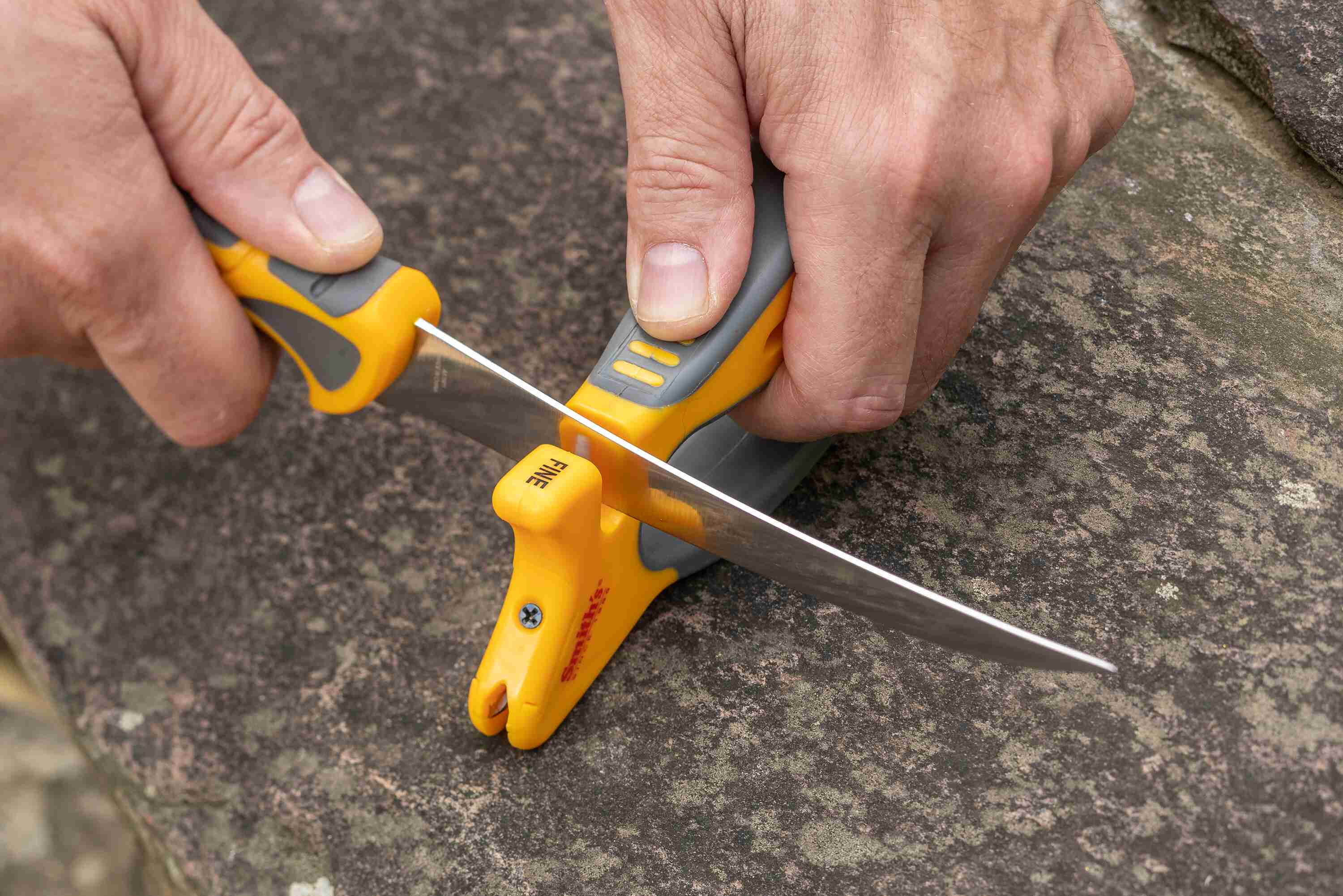
Credit: smithsproducts.com
Mistakes To Avoid When Sharpening Electric Fillet Knife Blades
Many people ruin their blades by making common mistakes. Here’s what to watch out for:
- Wrong Angle: Using the wrong sharpening angle can make the edge duller or uneven.
- Sharpening Both Sides of Serrated Blades: Only the beveled side should be sharpened.
- Too Much Pressure: Pressing hard removes too much metal and can bend the blade.
- Skipping Cleaning: Dirt and oil can clog sharpening tools and scratch the blade.
- Using the Wrong Tools: Not all sharpeners are made for thin or serrated blades.
- Overheating: Using power tools or grinders can heat the blade, damaging the temper.
- Not Checking Progress: Failing to inspect the edge often can lead to over-sharpening.
Hidden Insight: Always finish by removing burrs. A tiny burr can catch on fish skin and ruin your fillet.
How To Maintain Sharpness After Sharpening
Sharpening restores the edge, but good habits keep it sharp longer.
- Hand Wash Only: Dishwasher detergents and heat dull the blade faster.
- Dry Immediately: Stainless steel resists rust, but water spots can dull the edge.
- Store Properly: Use a blade cover or sheath. Never toss a bare blade in a drawer.
- Use on Soft Surfaces: Cut on wood or plastic, not glass or metal.
- Hone Regularly: A few passes on a honing steel after each use keeps the edge aligned.
- Avoid Hard Materials: Don’t use the knife to cut bone, frozen fish, or shellfish.
Advanced Tip: Occasionally, apply a drop of mineral oil to the blade before storage to prevent corrosion, especially in humid environments.
When To Replace Your Electric Fillet Knife Blade
No blade lasts forever. Even with perfect sharpening, thin fillet knife blades eventually wear out.
Replace your blade if:
- It’s chipped, bent, or cracked
- The teeth (on serrated blades) are worn down
- Sharpening no longer restores the edge
- There is visible rust or deep pitting
Replacement blades are available from most manufacturers. Keeping a spare on hand is a smart idea, especially if you fillet often.
Comparing Electric Fillet Knife Blade Materials
Not all blades are the same. Here’s how common materials compare:
| Material | Sharpness Retention | Rust Resistance | Ease of Sharpening |
|---|---|---|---|
| Stainless Steel | Good | Excellent | Moderate |
| High Carbon Steel | Very Good | Fair | Easy |
| Chromium Alloy | Excellent | Excellent | Moderate |
| Cheap Steel | Poor | Poor | Easy but not durable |
Practical Insight: Stainless steel is the most common for electric fillet knives. It holds a decent edge and resists rust, but needs proper drying after sharpening.
Sharpening Electric Fillet Knife Blades Vs. Manual Fillet Knives
Many people ask if sharpening an electric fillet knife blade is different from a manual knife. Here’s a quick comparison:
| Feature | Electric Fillet Knife | Manual Fillet Knife |
|---|---|---|
| Blade Thickness | Thinner, flexible | Varies, but often thicker |
| Sharpening Angle | 18–22 degrees | 15–20 degrees |
| Edge Type | Serrated or straight | Mostly straight |
| Sharpening Tools Needed | Often more specialized | Standard whetstones, rods |
| Sharpening Frequency | More often (due to thinness) | Less often |
Pro Insight: Electric fillet knife blades dull faster due to their thinness and reciprocating motion. Regular touch-ups are more important than with manual knives.
Sharpening Tips From The Pros
Let’s look at what professional fishmongers and chefs do:
- Use Light Pressure: Let the sharpening tool do the work.
- Be Patient: Rushing leads to uneven edges.
- Inspect Under Light: Hold the blade under bright light to spot dull spots or burrs.
- Keep Tools Clean: Grit and oil can clog stones and rods, reducing effectiveness.
- Practice: If you’re new, practice on an old or spare blade before sharpening your main one.
Non-Obvious Tip: Many pros strop their blades on a piece of leather (or even denim) for a final polish. It can add a razor edge.
Caring For Your Sharpening Tools
Good tools last a lifetime if you care for them:
- Whetstones: Rinse after use and flatten with a lapping stone if grooves develop.
- Sharpening Rods: Wipe clean and store dry.
- Electric Sharpeners: Empty shavings and clean per the manual.
- Honing Steels: Wipe with a damp cloth and dry.
A neglected sharpener can transfer grit or rust to your blade, making sharpening less effective.
Safe Storage And Handling After Sharpening
A newly sharpened blade is very dangerous if handled carelessly.
- Use a Blade Guard: Many electric fillet knives come with plastic covers. Always use them.
- Keep Away from Children: Store out of reach, ideally in a lockable case.
- Label Sharpened Blades: If you have multiple blades, mark the freshly sharpened one with a small sticker.
Hidden Insight: After sharpening, the edge can have microscopic teeth that are razor-sharp. Even a light brush against skin can cut deeply.
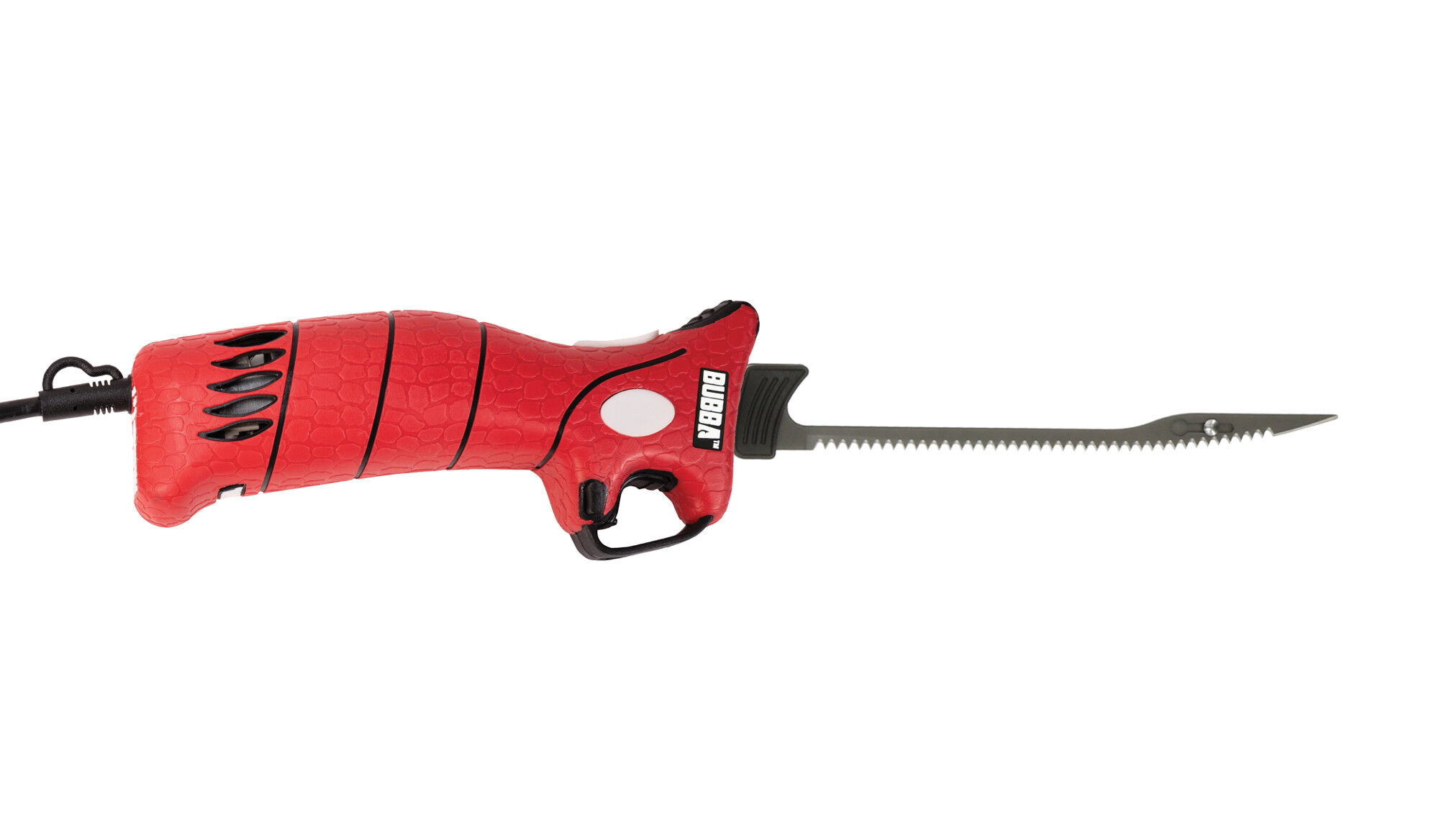
Credit: www.bubba.com
Troubleshooting: What To Do If Your Blade Won’t Sharpen
Sometimes, a blade just won’t take an edge. Here’s what to check:
- Blade Quality: Cheap blades may be too soft or too hard.
- Sharpening Angle: Adjust the angle slightly. Too steep or too shallow won’t form an edge.
- Too Much Damage: Deep nicks or bends may mean it’s time for a new blade.
- Worn Sharpening Tools: A smooth stone or rod won’t sharpen well. Replace or resurface your tools.
- Manufacturer’s Design: Some very cheap electric knives use non-sharpenable blades as a cost-saving measure.
If you’re unsure, bring the blade to a professional or contact the manufacturer.
Frequently Asked Questions
How Do I Know If My Electric Fillet Knife Blade Is Too Dull To Sharpen?
If the blade is chipped, bent, or has deep rust, sharpening may not help. Try sharpening and testing on paper or fish. If it still tears or struggles, it’s time for a replacement.
Can I Use A Regular Kitchen Knife Sharpener For My Electric Fillet Knife Blade?
Not always. Many kitchen sharpeners are too rough or don’t fit thin, flexible blades. Use a sharpening rod or a system designed for fillet knives for best results.
Is It Safe To Sharpen Electric Fillet Knife Blades At Home?
Yes, if you follow safety steps: unplug the knife, remove the blade, wear gloves, and use the right tools. Always keep your workspace organized and well-lit.
How Often Should I Replace My Electric Fillet Knife Blade?
With regular sharpening and care, a good blade can last several years. Replace it if it develops chips, deep rust, or can’t hold an edge even after sharpening.
Where Can I Find Professional Advice Or Repair For My Blade?
For specialized help or blade replacement, contact your knife’s manufacturer or visit a professional sharpening service. You can also find helpful resources at American Fisherman.
Keeping your electric fillet knife blade sharp is a blend of good technique, the right tools, and regular care. With these steps, your knife will stay efficient, safe, and ready for any filleting task. Whether you’re preparing a fresh catch or slicing delicate fillets at home, a sharp blade makes all the difference.
Happy filleting!