
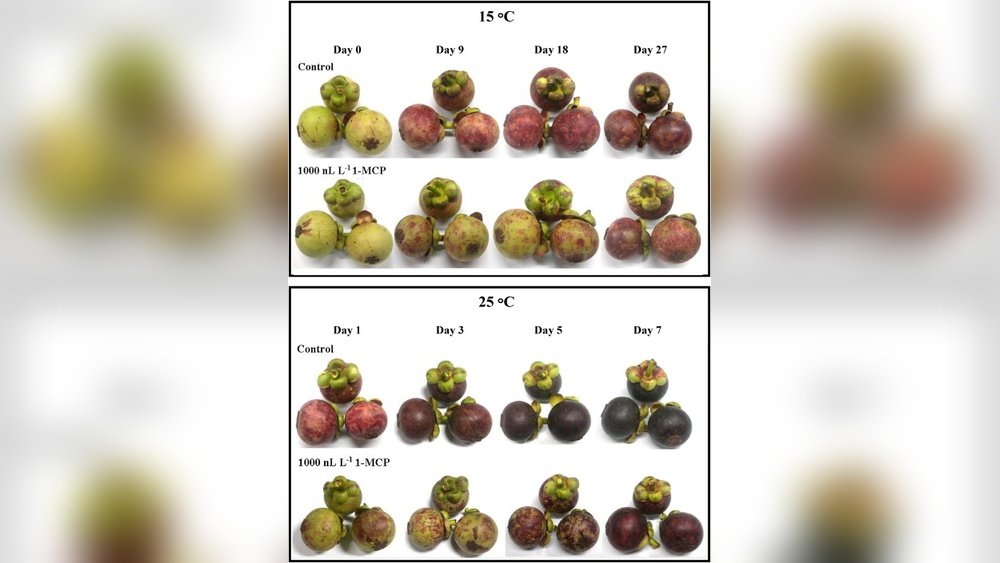
Mangosteen is a tropical fruit loved for its sweet, juicy segments and delicate taste. Often called the “queen of fruits,” mangosteen is prized in Southeast Asia and now enjoyed around the world. But if you’ve ever bought mangosteen, you probably know it can spoil quickly if not handled well.
Many people end up with brown, hard shells or dried-out flesh within days. If you want to enjoy mangosteen at its best, learning how to store it properly is essential.
Surprisingly, mangosteen is more sensitive than most fruits. It reacts to heat, humidity, and even how you touch it. A few simple tricks can make a big difference. In this article, you’ll get everything you need to know about storing mangosteen—how to keep it fresh, what to avoid, and how to get the most from every fruit.
Whether you buy mangosteen at the market, order it online, or pick it fresh, these steps will help you enjoy its unique flavor for longer.
Understanding Mangosteen’s Nature
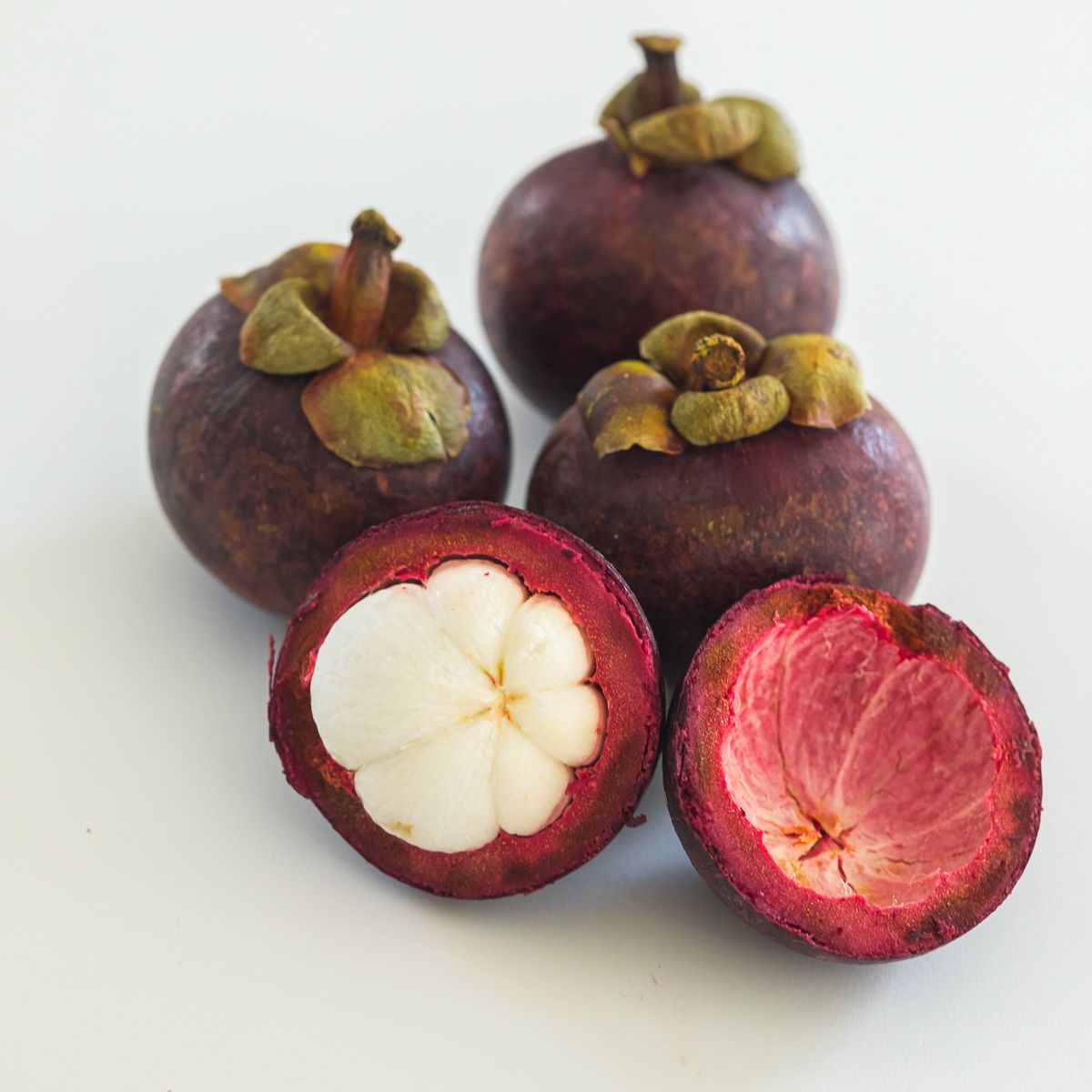
Mangosteen (Garcinia mangostana) grows in hot, humid climates. Its thick, purple rind protects the delicate white segments inside. Unlike apples or oranges, mangosteen doesn’t keep long after it’s picked. The fruit doesn’t continue ripening after harvest, so you need to know if it’s already mature when you buy it.
Mangosteen’s shelf life is short—just a few days at room temperature and up to a few weeks with careful storage. The biggest enemies are heat, dryness, and rough handling. Even a small bruise can turn the inside flesh brown. Mold also appears fast if the fruit is wet.
A beginner mistake is to treat mangosteen like other tropical fruits, expecting it to last as long as mango or papaya. Mangosteen demands special care.
Choosing The Right Mangosteen For Storage
Your storage results depend on the fruit’s quality at purchase. Here’s how to pick mangosteen that will last longer:
- Look for Firmness: Gently squeeze the shell. It should feel firm but have a slight give. Hard shells mean the fruit is old or dried out.
- Check the Color: A deep purple color shows ripeness. Avoid fruits with cracks or browning.
- Inspect the Stem: Fresh mangosteen has a green stem and cap. Brown stems mean the fruit is aging.
- Avoid Wet Spots: Moisture on the skin often leads to mold.
If you plan to store mangosteen for more than a few days, choose slightly less ripe fruits. If you want to eat them soon, choose the ripest ones.
Storing Mangosteen At Room Temperature
Short-term storage is fine at room temperature if you plan to eat the fruit within a few days. Here’s how to do it right:
- Keep Out of Sunlight: Store mangosteen in a cool, shaded spot. Sunlight heats up the shell and dries out the flesh.
- Single Layer Only: Place fruits in a single layer, not stacked. Stacking causes bruising.
- Use a Basket or Tray: Avoid plastic bags, which trap moisture and encourage mold. A basket with good airflow is best.
- Check Daily: Mangosteen can go bad quickly. Check the fruits every day for soft spots or mold.
Typical shelf life: 2-4 days at room temperature.
When Room Temperature Works Best
If you live in a cool climate (below 75°F/24°C), room temperature can be fine for a few days. In hot, humid places, mangosteen may spoil even faster. If your kitchen is warm, consider other storage options.
Refrigerating Mangosteen
Refrigeration is the most common way to keep mangosteen fresh for a longer period—usually up to 2-3 weeks. But cold can also dry out the fruit if not done properly.
How To Refrigerate Mangosteen
- Wrap Each Fruit: Use paper towels or clean cloth to wrap each fruit. This prevents the cold air from pulling moisture out.
- Use a Container: Place the wrapped fruits in a container with a loose-fitting lid. Do not seal tightly, as mangosteen needs some air.
- Store in the Crisper Drawer: The crisper keeps humidity higher, which mangosteen likes.
Temperature tip: Store at 45-50°F (7-10°C) for best results. Too cold, and the rind hardens; too warm, and mold can grow.
What To Avoid
- Do not freeze whole mangosteen—the inside flesh turns mushy.
- Don’t wash before storing—moisture on the skin leads to mold.
Refrigerator Shelf Life
With proper storage, mangosteen lasts 2-3 weeks in the fridge. However, check every few days, as spoilage can still occur.
Common Mistakes In Refrigeration
Many people make these errors:
- Using airtight containers (leads to condensation and mold)
- Placing unwrapped fruits near the fridge vent (dries them out)
- Keeping mangosteen with strong-smelling foods (fruit absorbs odors)
Freezing Mangosteen Segments
If you have a large batch or want to enjoy mangosteen out of season, freezing is possible—but only for the edible segments, not the whole fruit.
How To Freeze Mangosteen
- Wash and Dry: Rinse the fruit gently and dry completely.
- Open the Fruit: Use a sharp knife to score the shell, then open carefully to avoid breaking the segments.
- Remove Segments: Take out the white segments, checking for seeds.
- Arrange on a Tray: Place segments in a single layer on a baking sheet lined with parchment paper.
- Freeze Until Firm: Freeze for 2-3 hours.
- Transfer to Bags: Once firm, place the segments in freezer-safe bags or containers. Label with the date.
Frozen mangosteen segments can be stored for up to 6 months. They’re perfect for smoothies, desserts, or eating as a frozen treat.
Thawing And Using Frozen Mangosteen
To use, thaw segments in the fridge for a few hours. Texture may be softer, but flavor remains good.
Tip: Frozen mangosteen is not ideal for serving fresh, but works well in recipes.
Storing Cut Or Opened Mangosteen
Once you cut mangosteen, the clock starts ticking. The fruit oxidizes and dries quickly, especially if left uncovered.
Best Practices For Cut Mangosteen
- Wrap Immediately: Cover with plastic wrap or place in an airtight container.
- Refrigerate: Store in the fridge and eat within 1-2 days.
- Avoid Leaving Out: Don’t leave cut mangosteen at room temperature for more than an hour.
Extra Insight: Handling Leftover Segments
If you only eat part of the fruit, the remaining segments can be sprinkled with a few drops of lemon juice to slow browning before storage.

Credit: www.faskitchen.com
Special Storage Situations
Transporting Mangosteen
If you need to transport mangosteen—by car, plane, or shipping—follow these tips:
- Use Ventilated Boxes: Avoid sealed plastic bags.
- Keep Cool: Use ice packs if travel is longer than a few hours.
- Protect from Bruising: Cushion with paper or cloth.
- Avoid Extreme Heat: Never leave in a hot car.
Storing Large Quantities
For restaurants or special events, mangosteen is often bought in bulk. Store as follows:
- Inspect All Fruits: Remove any with cracks or mold.
- Rotate Stock: Use older fruits first.
- Divide Batches: Small containers reduce the risk of one bad fruit ruining all.
Dehydrating Mangosteen
Dried mangosteen is less common, but possible. Use a dehydrator or oven at low heat (about 120°F/50°C) for 24 hours. Store dried segments in airtight jars in a cool, dark place. They last for months and make a chewy snack.
Comparing Storage Methods
To help you see the differences, here’s a comparison of mangosteen storage methods:
| Method | Shelf Life | Best For | Drawbacks |
|---|---|---|---|
| Room Temperature | 2-4 days | Immediate eating | Spoils quickly in heat |
| Refrigeration | 2-3 weeks | Medium-term storage | Can dry out if unwrapped |
| Freezing (segments only) | Up to 6 months | Long-term, recipes | Texture changes |
| Dehydrating | 6-12 months | Snacking, storage | Flavor is different |
Credit: www.knowyourproduce.com
How To Tell If Mangosteen Has Gone Bad
A big part of storing mangosteen is knowing when to let go. Spoiled mangosteen can cause stomach upset and tastes unpleasant. Look for these signs:
- Hard, Brittle Shell: Means the fruit has dried out inside.
- Brown or Black Spots: Mold or rot under the skin.
- Off Smell: Fresh mangosteen smells sweet; a sour or musty odor means spoilage.
- Shriveled Segments: Flesh is dry, brown, or slimy.
Never eat mangosteen if you see mold, large cracks, or strong odors. When in doubt, throw it out.
How Humidity And Temperature Affect Storage
Many people overlook the role of humidity and temperature in fruit storage. Mangosteen is especially sensitive.
- High humidity (above 90%) can cause mold, especially in plastic bags.
- Low humidity (below 70%) dries out the shell, making it hard to open and damaging the flesh.
- Temperatures above 85°F (29°C) speed up spoilage.
- Temperatures below 40°F (4°C) can “chill” the fruit, making the rind hard and tough.
Ideal storage: 75-80% humidity and 45-50°F (7-10°C).
Storing Mangosteen With Other Fruits
Mixing mangosteen with other fruits can be risky. Some fruits, like apples and bananas, release ethylene gas as they ripen. Mangosteen is not very sensitive to ethylene, but over time, it can cause faster aging.
- Keep mangosteen separate from bananas, apples, and avocados.
- Citrus and berries are safe to store nearby.
If you must store together, use a paper divider to keep mangosteen from touching ethylene-producing fruits.
Practical Tips For Longer-lasting Mangosteen
Here are some extra tricks that can help:
- Use clean hands or gloves when handling mangosteen to avoid bacteria transfer.
- Label storage containers with the date you bought the fruit.
- Open one fruit first—sometimes entire batches spoil together, so check before storing all.
- Don’t store near windows or ovens, as temperature swings damage the fruit.
- Check for tiny holes in the rind—these can let in bugs or moisture.
Many beginners forget that mangosteen is a living fruit, still breathing through its shell. Blocking airflow or storing in wet conditions shortens its life.

Credit: food52.com
Mangosteen Storage Around The World
Storing mangosteen varies by region. In Thailand, the fruit is sold fresh and eaten quickly. In the US or Europe, mangosteen is rare and expensive, so people want to make it last. Markets in Asia often sell mangosteen in open baskets, while Western stores may offer them in plastic clamshells.
Shipping mangosteen over long distances requires careful temperature control. Commercial growers use refrigerated containers set at 50°F (10°C) with good airflow, which is why imported mangosteen sometimes lasts longer at home.
Preserving Mangosteen Flavor And Texture
Many people wonder how to keep mangosteen tasting as good as possible. Here’s what actually helps:
- Don’t wait too long: The best flavor is within 2-4 days of purchase.
- Avoid rapid temperature changes: Going from hot to cold, or vice versa, can make the flesh rubbery.
- Eat at room temperature: For the best taste, let refrigerated mangosteen warm up for 30 minutes before eating.
If you want to use mangosteen in recipes—like ice cream, smoothies, or jams—fresh segments are best. But frozen or dehydrated mangosteen also works well in cooked dishes.
Comparing Mangosteen To Other Tropical Fruits
To see why mangosteen storage is unique, compare it to other fruits:
| Fruit | Room Temp Shelf Life | Fridge Shelf Life | Special Storage Needs |
|---|---|---|---|
| Mangosteen | 2-4 days | 2-3 weeks | Needs airflow, avoid moisture |
| Mango | 3-5 days | 1-2 weeks | Can ripen after picking |
| Rambutan | 2-3 days | 5-7 days | Needs high humidity |
| Lychee | 2-3 days | 1-2 weeks | Sensitive to drying out |
As you can see, mangosteen is more delicate than other tropical fruits. The thick rind helps, but only if handled properly.
Signs Of Quality: Before And After Storage
When buying mangosteen, check for:
- Firm, purple shell
- Green, unwilted stem
- No visible cracks or mold
After storage, check for:
- Shell still springy
- Flesh is white and juicy
- No off smells
If mangosteen passes these tests, it’s ready to eat.
What Not To Do When Storing Mangosteen
A few actions will quickly ruin mangosteen:
- Never soak in water—moisture enters the shell and causes mold.
- Don’t use plastic wrap directly on the shell—traps moisture.
- Never freeze whole fruits—the rind bursts, and the inside turns mushy.
- Don’t keep in airtight jars—lack of airflow speeds spoilage.
Using Preserved Mangosteen
Frozen, dried, or refrigerated mangosteen can be used in:
- Smoothies
- Fruit salads
- Yogurt bowls
- Ice cream toppings
- Jams and jellies
For best flavor, combine with other tropical fruits or citrus.
The Bottom Line: Simple Mangosteen Storage Checklist
- Choose fresh fruits with firm, purple shells.
- Keep cool and out of sunlight.
- Use paper or cloth to wrap and prevent drying.
- Refrigerate for up to 2-3 weeks, but check often.
- Freeze segments for longer storage, never whole fruits.
- Don’t wash before storing—moisture is the enemy.
- Eat soon for best taste and texture.
If you follow these rules, you’ll enjoy mangosteen at its sweetest.
Frequently Asked Questions
How Long Can I Keep Mangosteen At Room Temperature?
Usually, mangosteen lasts 2-4 days at room temperature if kept in a cool, dry place and out of sunlight. In hot, humid weather, it may spoil even faster. Always check daily for soft spots or mold.
Can I Refrigerate Mangosteen With Other Fruits?
Yes, but keep it separate from ethylene-producing fruits like apples or bananas. Ethylene can cause mangosteen to age faster. Store in the crisper drawer, wrapped in paper, for best results.
Is It Safe To Freeze Mangosteen?
You can freeze the edible segments after removing them from the shell. Do not freeze whole mangosteen—the rind and flesh do not survive freezing well. Thawed segments are good for smoothies or desserts.
What Does Spoiled Mangosteen Look Like?
Spoiled mangosteen may have a hard, brittle shell, brown or black spots, and a sour or moldy smell. The inside flesh may be dry, brown, or slimy. If you see these signs, do not eat the fruit.
Why Does My Mangosteen Turn Brown Inside?
Browning inside often means the fruit is old, was bruised during handling, or stored in very cold or dry conditions. Always choose fruits with firm, springy shells and handle them gently to reduce browning.
For more information about mangosteen, its history, and cultivation, see the Mangosteen Wikipedia page.
Storing mangosteen well is both an art and a science. With these tips, you can enjoy its unique, sweet flavor and make every fruit count. Whether you’re a first-time buyer or a tropical fruit lover, careful storage brings out the best in this royal treat.