
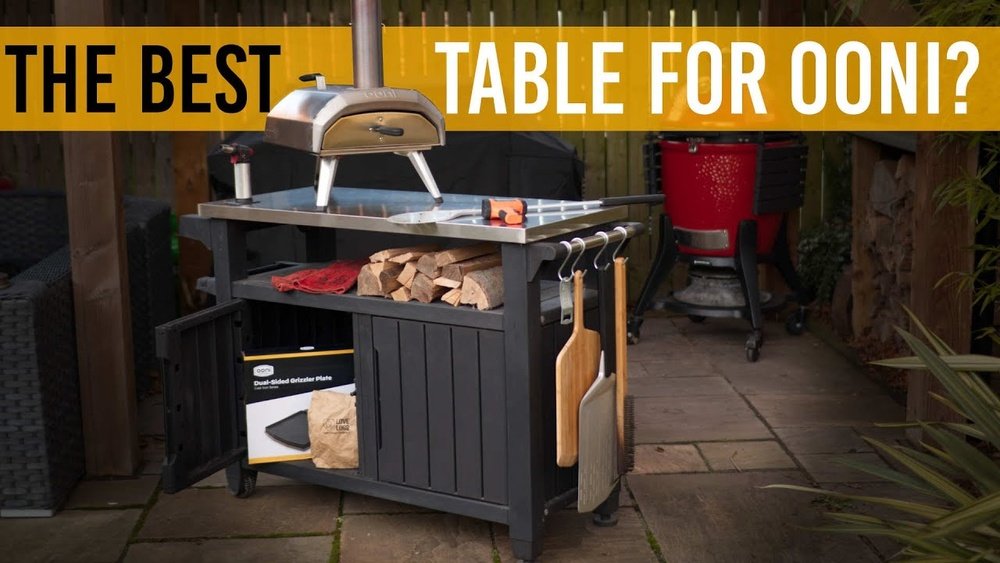
If you’ve invested in an Ooni pizza oven, you already know it’s a game-changer for home pizza. But owning one is only half the story. Keeping your Ooni in top shape means storing it correctly—especially if you want great pizza for years, not just one summer. Many owners miss crucial steps and end up with rust, broken parts, or performance drops. In this guide, you’ll learn not just where to put your Ooni, but also how to clean, protect, and maintain it for every season and situation. These tips work for all Ooni models, whether gas, wood, or multi-fuel, and cover both indoor and outdoor storage. By the end, you’ll know exactly how to store your oven safely, avoid common mistakes, and extend its life. Let’s make sure your Ooni is always ready for pizza night.
Why Proper Storage Matters For Your Ooni Pizza Oven
Many people see their pizza oven as a tough outdoor tool. But weather, dirt, and even insects can quickly damage or ruin key parts. Moisture is especially dangerous—it causes rust, breaks stone, and can lead to mold inside. Even small amounts can make your oven unsafe or less effective.
Proper storage protects your oven from:
- Rust and corrosion (especially on metal parts)
- Cracks and chips in the baking stone
- Pests and insects nesting inside
- UV damage that fades surfaces and weakens materials
- Loss of warranty (some brands check for storage damage)
It’s easy to overlook how fast problems can start. For example, a few rainy days can cause water to get inside small cracks, which you might not see until rust appears weeks later. By then, it’s much harder to fix.
Think of proper storage as an extension of cleaning and maintenance. The 10 extra minutes you spend after using your Ooni can add years to its working life. It’s not only about avoiding big disasters—small steps can prevent annoying issues like stuck parts, sticky doors, or uneven heating.
Non-obvious insight: Even if your Ooni looks clean on the outside, hidden moisture in seams, under the stone, or inside the chimney can quietly cause problems. Regular checks and good airflow prevent these hidden dangers.
Understanding Your Ooni Model: Storage Basics
Each Ooni pizza oven has its own needs. Some are small and portable, others heavier and multi-fuel. Before you store, know your model:
Common Ooni Models And Their Unique Storage Needs
| Model | Fuel Type | Portability | Best Storage Location |
|---|---|---|---|
| Koda 12/16 | Gas | High | Indoors or Sheltered Outdoor |
| Fyra 12 | Wood Pellets | Very High | Indoors or Dry Shed |
| Karhu 12/16 | Multi-Fuel | Medium | Indoors Preferred |
| Volt 12 | Electric | Low | Indoors Only |
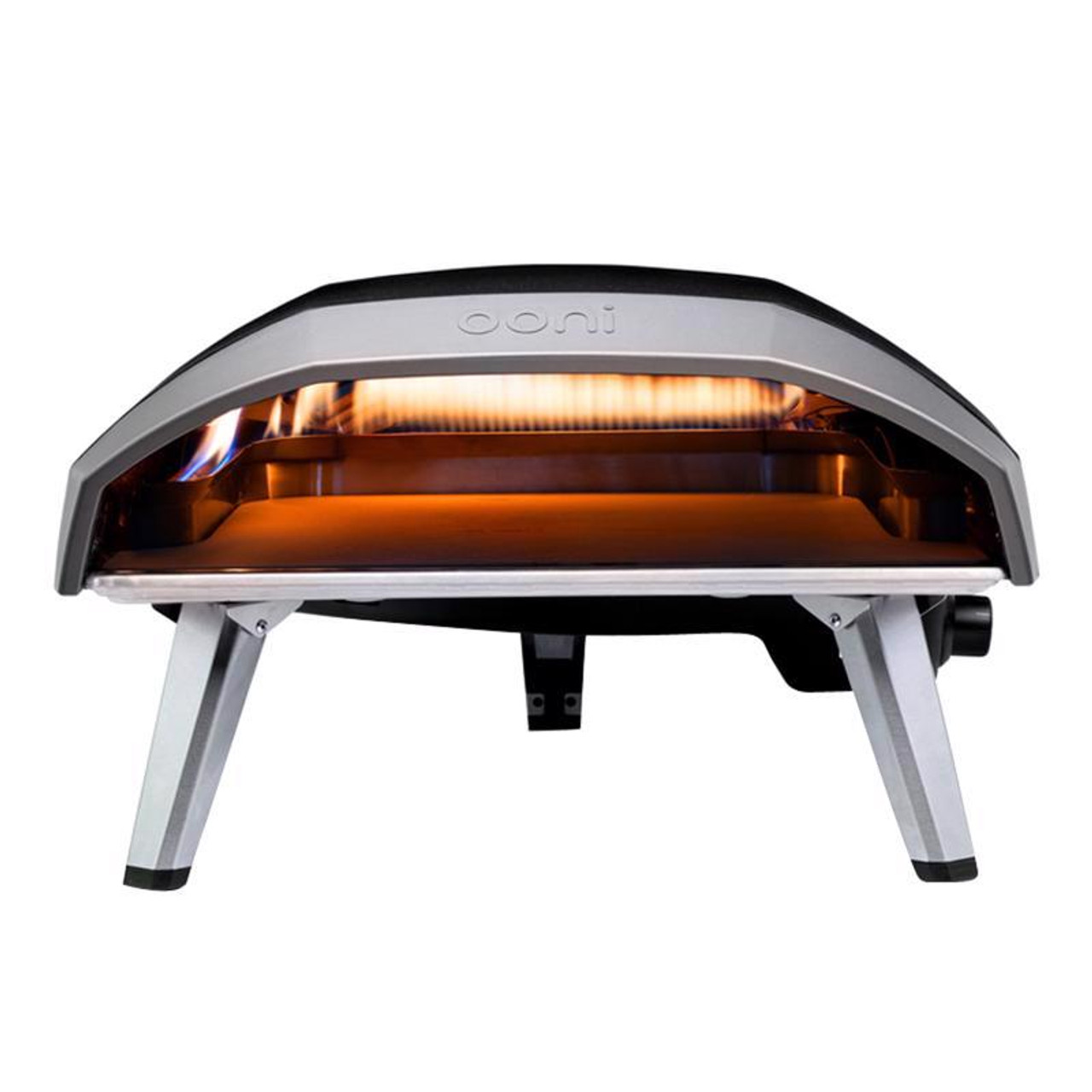
Gas ovens like the Koda can handle outdoor conditions, but only with a good cover. If you have a Koda 16, which is larger, be aware that the burner is more complex and needs extra protection from weather. Wood and pellet ovens (Fyra) are more sensitive to moisture. If dampness gets into the pellet hopper or ash tray, it can cause wood to swell or stick. Electric models (Volt) must stay indoors at all times. Even a little outdoor humidity can damage sensitive electronics.
If you’re not sure which oven you have, check the label or manual. Each model has different vents, chimneys, or fuel trays, and knowing these differences helps you store your oven the right way.
Pro tip: Take a quick photo of your oven’s setup before disassembling for storage. This helps you remember where each part goes, especially for less-used models.

Credit: bighornoutdoor.com
Cleaning Before Storage: The Essential Step
Never store your Ooni pizza oven dirty. Leftover food, ash, or grease attracts pests and holds moisture, which leads to rust and bad smells. Here’s how to clean your Ooni after use:
- Let the oven cool completely (usually 1-2 hours). Never clean while hot.
- Remove all accessories—peels, thermometers, gas tanks.
- Brush away ashes and crumbs. Use a brass brush for the stone.
- Wipe the inside and outside with a damp, lint-free cloth. For tough stains, a mild soap is fine.
- Dry thoroughly. Leave the oven open in the sun for 30+ minutes if possible.
- Clean the baking stone by scraping off any burnt spots. Never use water—stone absorbs moisture and can crack next time you heat it.
- For gas ovens, check the burners for grease or debris.
- For pellet/wood ovens, empty all ash trays and fuel hoppers.
Taking your time with cleaning pays off later. For example, small bits of cheese or sauce stuck on the stone can turn into hard lumps after heating and cooling cycles, making them harder to remove next time. If you wipe surfaces after each use, you avoid buildup that’s tough to clean later.
Non-obvious tip: Many owners forget to clean under the oven or inside corners, where insects love to hide. Use a flashlight to check these spots. Also, if your oven has a glass door or viewing window, wipe it gently with a non-abrasive cleaner—grease here can become cloudy and block your view of the pizza.
Extra detail: After a busy pizza night, it’s easy to overlook the small screws, hinges, or feet at the bottom of your oven. Dust and crumbs collect here and can trap moisture, so run a dry brush or cloth along these parts.
Choosing The Best Storage Location
Where you store your Ooni matters as much as how you store it. The wrong spot can undo all your cleaning and preparation.
Indoor Storage: The Gold Standard
Whenever possible, store your oven indoors—garage, basement, or utility room. This protects from:
- Rain and humidity
- Cold snaps (which can crack stones)
- Sun damage
- Pests and animals
If storing inside, choose a dry, ventilated area. Avoid spaces where paint, pool chemicals, or cleaning products are kept, as fumes can damage the oven. For example, basements are great if they’re dry, but old cellars can be damp—store your oven on a wooden pallet or shelf, not directly on the floor.
Practical insight: Don’t store the oven next to washing machines or freezers, which can leak or create condensation. Even a small puddle under the oven is enough for rust.
Outdoor Storage: When You Have No Choice
If you must store outdoors:
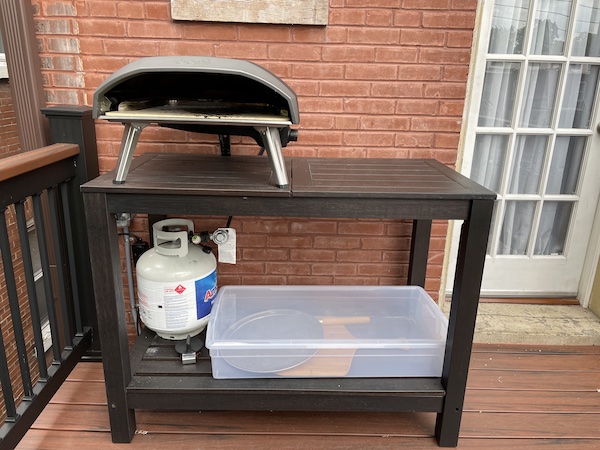
- Pick a raised, sheltered spot (like a table or shelf).
- Avoid direct contact with grass or soil. Moisture rises and rusts the oven.
- Use a weatherproof cover (more below).
- Check the oven every 2-3 weeks for signs of water, insects, or damage.
You might think your covered patio is safe, but wind-driven rain or snow can still reach the oven. If you use a deck box, make sure it’s ventilated so humidity doesn’t build up inside. If you live near trees, watch for falling leaves or seeds that can clog vents.
Comparing Storage Locations
| Location | Protection Level | Risks | Best for Models |
|---|---|---|---|
| Garage/Basement | Excellent | Low (watch for dampness) | All models |
| Outdoor Shed | Good | Mice, humidity | Gas/Wood |
| Patio (with cover) | Moderate | Rain, sun, animals | Gas, Pellet |
| Uncovered Outdoors | Poor | All weather, insects | Not recommended |
Hidden danger: Outdoor sheds seem dry, but humidity swings in spring/fall can cause sudden rust. Always check inside the oven after long storage. If you see even a small patch of rust, clean it with a gentle abrasive pad and apply a bit of food-safe oil to stop it spreading.
Extra detail: If you live in an apartment and must store your oven on a balcony, be extra careful. Urban dust, city birds, and wind can all cause unique problems. A tight cover and regular checks are essential.
Credit: mountainhardwareandsports.com
Using Covers And Storage Bags
A simple cover can double your oven’s lifespan. Ooni sells custom covers for every model, but you can use any waterproof, breathable cover that fits snugly.
How To Choose The Right Cover
- Waterproof but breathable is best (lets moisture escape, blocks rain).
- Fits tightly around the oven, but not so tight it traps condensation.
- UV-resistant material helps if stored in sunlight.
A cover should reach the ground but not drag. If you’re using a homemade cover, check for seams or stitching that could leak. Sometimes, condensation builds up under plastic covers, so lift the cover every week or two to let fresh air in.
Never use a plastic tarp directly on the oven—condensation can form underneath and cause rust. If using a non-Ooni cover, add a towel underneath as a moisture barrier.
Practical example: If you live in a windy area, secure the cover with bungee cords or clips. Loose covers can blow away or let rain in during storms.
Storing With A Bag
Some Ooni models have special carry bags that double as covers. If you transport your oven often (to parks, friends’ houses), these are worth the investment. Always clean and dry the oven before putting it in a bag for long periods.
Beginner mistake: Many users store the oven with the cover still dirty inside, trapping food crumbs and moisture. This actually speeds up damage—clean first, then cover.
Extra tip: For long trips, add a silica gel pack inside the bag to absorb any leftover moisture.
Preparing For Long-term Or Winter Storage
If you won’t use your Ooni for several months (winter, travel, etc. ), take extra steps to keep it safe.
Step-by-step Winter Storage
- Deep clean all surfaces (see above).
- Remove all fuel (gas tanks, wood, pellets, or charcoal). Leaving fuel inside can attract pests or leak.
- Disassemble removable parts (chimneys, burners, trays). Store them separately in a dry bag or box.
- Wrap sharp or delicate parts (thermocouples, stones) in old towels or bubble wrap.
- Elevate the oven off the floor or ground—use a shelf or bricks.
- Check cover fits tightly and is not torn.
- Store the oven upright (not on its side or back).
- Label accessories if you have multiple Ooni ovens or parts.
If your oven has a glass viewing window, store it facing up to avoid scratches. If you have a thermometer or electronic controller, remove batteries to prevent leaks.
Why Disassembly Matters
Many think leaving the oven fully assembled is fine. But in long storage, removing the chimney or gas burner prevents moisture from collecting and reduces stress on fittings. Stones are less likely to crack when stored flat, not inside the oven.
Extra example: In winter, small animals sometimes squeeze into outdoor ovens for warmth. Removing parts and storing them separately makes it harder for pests to nest inside.
Bonus detail: If you have a multi-fuel model, storing the fuel adapters and trays in a labeled box means you won’t waste time searching for them next season.
Special Tips For Different Climates
Climate affects how you store your Ooni.
Humid Or Coastal Areas
- Moisture is the main enemy. Use silica gel packs inside the oven to absorb humidity.
- Check for rust every month, not just at the season’s start and end.
- Keep the oven off concrete floors, which can “sweat” and cause rust from underneath.
- Consider using a dehumidifier in the storage room if you notice condensation on walls or windows.
Non-obvious insight: Salt air near the coast causes corrosion much faster than regular humidity. Wipe down metal surfaces with a damp cloth, then dry, to remove invisible salt deposits.
Cold Or Snowy Climates
- Never leave the baking stone inside the oven outdoors—freeze-thaw cycles can crack it.
- If snow piles up, clear around the oven regularly. Ice can force open seams or destroy the cover.
- Watch for condensation inside the oven when temperatures change quickly.
- Store small parts (like screws or knobs) in a sealed bag, so they don’t get lost or rusty.
Extra tip: If your oven has rubber feet or pads, check them for cracks after freezing weather. Replace if they become brittle.
Dry, Hot Areas
- Sunlight fades oven finishes and can warp plastic handles or knobs.
- Store the oven in shade, and use a UV-resistant cover.
- Dust can build up in air vents—check and clean before use.
- If your area is very windy, secure the oven so it doesn’t tip or shift.
Practical advice: In deserts or dry climates, static electricity can attract dust to oven surfaces. Wipe with a slightly damp cloth to remove fine particles before covering.
Storing Ooni Accessories: Peels, Stones, And More
A pizza oven is only as good as its accessories. Storing these right prevents damage and saves money in the long run.
Pizza Peels
- Clean with warm water and soap, dry fully.
- Store wooden peels upright in a cool, dry spot. Never leave them outside, where they can warp.
- Metal peels can be hung or stacked, but keep them away from chemicals.
To protect the edge of your peel, hang it on a hook or place a cloth under the tip. This prevents dents that can catch on dough.
Baking Stones
- Always store stones flat, never on their edge.
- Wrap in a towel or cardboard for extra protection.
- Never stack heavy items on top.
If you have more than one stone, put a thin sheet of cardboard between them. This avoids scratches or chips.
Gas Burners And Fuel Attachments
- Detach from the oven and wipe clean.
- Store in a dry box or bag, away from direct sunlight.
- For propane tanks, close the valve tightly and keep upright in a well-ventilated area outside (never indoors).
If you use butane or other fuels, check for leaks or corrosion before storage. Label tanks with the date last checked so you don’t use old, unsafe fuel.
Thermometers And Small Tools
- Remove batteries if storing for months.
- Wipe clean and keep in a sealed bag or box.
If your thermometer is digital, store it away from strong magnets, which can affect its accuracy.
Extra advice: Keep all manuals, spare screws, and small parts together in a zip bag. This saves hours of searching next season.
Credit: www.peaceofmindorganizing.com
Traveling With Your Ooni Pizza Oven
Many Ooni owners love to take their oven to campsites or family events. After travel, always check for:
- Loose screws or parts shaken loose in transit.
- Cracked stone (from bumps or drops).
- Dirt or sand inside air vents.
After any trip, clean and dry the oven thoroughly before putting it into storage. If you used the oven at the beach, rinse off salt spray with fresh water and dry carefully to prevent corrosion.
Practical tip: Carry a small repair kit (screwdriver, wrench, spare screws) in your Ooni bag for quick fixes on the go.
Extra insight: When transporting, cushion the oven with a thick towel or foam padding. This absorbs bumps and protects both the oven and your vehicle.
Bonus detail: If you travel often, keep a checklist of parts to pack and steps to take before storing the oven again.
Common Storage Mistakes And How To Avoid Them
Even careful owners can make simple mistakes. Some of the most common:
- Storing the oven while still damp. Even a little water can cause rust or mold. Always let the oven air dry fully.
- Leaving the stone inside during freezing temperatures. This can cause cracks.
- Using a non-breathable cover. Traps moisture and speeds up rust.
- Leaving fuel in the oven. Attracts insects and can cause leaks or fires.
- Forgetting to check the oven during storage. Small problems get much bigger if unnoticed for months.
Pro insight: Mark your calendar to check your Ooni every 4-6 weeks in storage, especially in changing weather.
Extra example: Some users forget to lock animal-proof lids or doors on outdoor sheds. Raccoons and squirrels can chew through weak spots or drag food scraps inside, so double-check all closures.
Ooni Storage Faqs: Quick Answers
You’re almost ready to be an Ooni storage expert. Here are some of the most common questions people ask.
Frequently Asked Questions
How Often Should I Clean My Ooni Pizza Oven Before Storing?
Clean your Ooni after every use, not just before long-term storage. Even small crumbs or grease can attract pests or cause rust. For long-term storage (like winter), do a deep clean, including all corners and accessories.
Tip: If you cook a lot of pizzas in one session, consider wiping down surfaces between uses to prevent heavy buildup.
Can I Store My Ooni Pizza Oven Outside All Year?
It’s possible, but not ideal. If you must, use a waterproof, UV-resistant cover and check the oven every few weeks for moisture or insect problems. Ooni recommends bringing the oven indoors during extreme weather whenever possible.
Extra advice: In some climates, outdoor storage voids the warranty. Always read your manual for details.
What’s The Best Way To Protect The Baking Stone In Storage?
Always remove the stone for long storage. Store it flat, wrapped in a towel or bubble wrap. Never leave it inside the oven if there’s risk of freezing temperatures—stones can crack.
Extra tip: If you notice small chips, smooth them with fine sandpaper before storing to prevent further cracking.
Is It Safe To Store The Ooni With A Propane Tank Attached?
No. Always disconnect the propane tank and store it separately, upright, and outdoors in a well-ventilated area. This prevents leaks or pressure build-up. Never store a tank indoors or in direct sunlight.
Practical detail: Check the hose and regulator for cracks before each season.
Do I Need To Oil Or Treat Any Parts Before Storage?
Not usually, but if you live in a very humid area, a light wipe of food-safe oil on metal surfaces (not the stone) can help prevent rust. Never apply oil to the inside cooking area or on the baking stone.
Extra example: Stainless steel rarely needs oiling, but cast iron or carbon steel parts benefit from a thin protective layer.
Final Thoughts On Storing Your Ooni Pizza Oven
Owning an Ooni pizza oven means more than just cooking great pies—it’s about caring for the tool that makes them. Storing your Ooni properly keeps it safe from weather, pests, and wear, so you can enjoy top-quality pizza whenever you like. Remember to clean, dry, cover, and check your oven, no matter your climate or model. Avoid common mistakes, and your Ooni can last for many years of pizza nights, parties, and memories. For more details on Ooni models and their care, you can check the official Ooni Manuals page.
Treat your Ooni well, and it will always be ready for your next pizza adventure.