
Curry leaves are a staple in many South Asian and Southeast Asian kitchens, adding a unique aroma and flavor to dishes. But if you have tried to keep them fresh at home, you know how quickly they can wilt or turn black. Learning how to store curry leaves properly is not just about saving money—it’s also about keeping your food tasty and authentic. Whether you use them every day or just occasionally, the right storage method will keep your curry leaves vibrant and full of flavor for weeks or even months.
In this guide, you will discover the best ways to store curry leaves, from simple refrigerator techniques to long-term preservation methods. You will learn how to choose the freshest leaves, prepare them for storage, and avoid common mistakes that lead to spoilage.
If you cook Indian, Sri Lankan, or Thai recipes, this guide will help you always have fresh curry leaves on hand—no more waste, no more disappointment.
Why Curry Leaves Lose Freshness Quickly
Curry leaves are delicate. After being picked, they start losing moisture. Without proper storage, they can become limp, develop black spots, or lose their flavor in just a few days. This happens because:
- The thin leaves lose water fast.
- They are sensitive to temperature changes.
- Exposure to air speeds up wilting.
If you buy more than you need, storing them right is important. Otherwise, you may notice your curry leaves becoming unusable before you cook your next meal.
How To Select Fresh Curry Leaves
Before you even think about storing, start with the freshest curry leaves you can find. The quality at purchase affects how well they will store.
Look for these signs of freshness:
- Bright green color: Avoid yellow, brown, or black spots.
- Firm and crisp texture: Leaves should snap, not bend.
- No mold or moisture: Wet leaves spoil faster.
- Strong aroma: They should smell fragrant, not musty.
A good tip is to buy from stores with high turnover. Fresh leaves last longer, and sometimes even small stem pieces keep the leaves fresher for storage.
Preparing Curry Leaves For Storage
Proper preparation extends shelf life. Follow these steps before storing:
- Remove damaged leaves: Discard any with black spots or signs of decay.
- Do not wash immediately: Water speeds up spoilage. Only wash just before use.
- Pat dry if wet: If leaves are damp, gently pat with a paper towel to remove moisture.
- Keep small stems: If the leaves come on a stem, keep them attached. Stems help keep leaves from drying out too quickly.
Taking these steps prevents mold and keeps your leaves fresh longer.
Storing Curry Leaves In The Refrigerator
The refrigerator is the most common and convenient way to store curry leaves for short to medium periods. Here are different techniques, from basic to advanced:
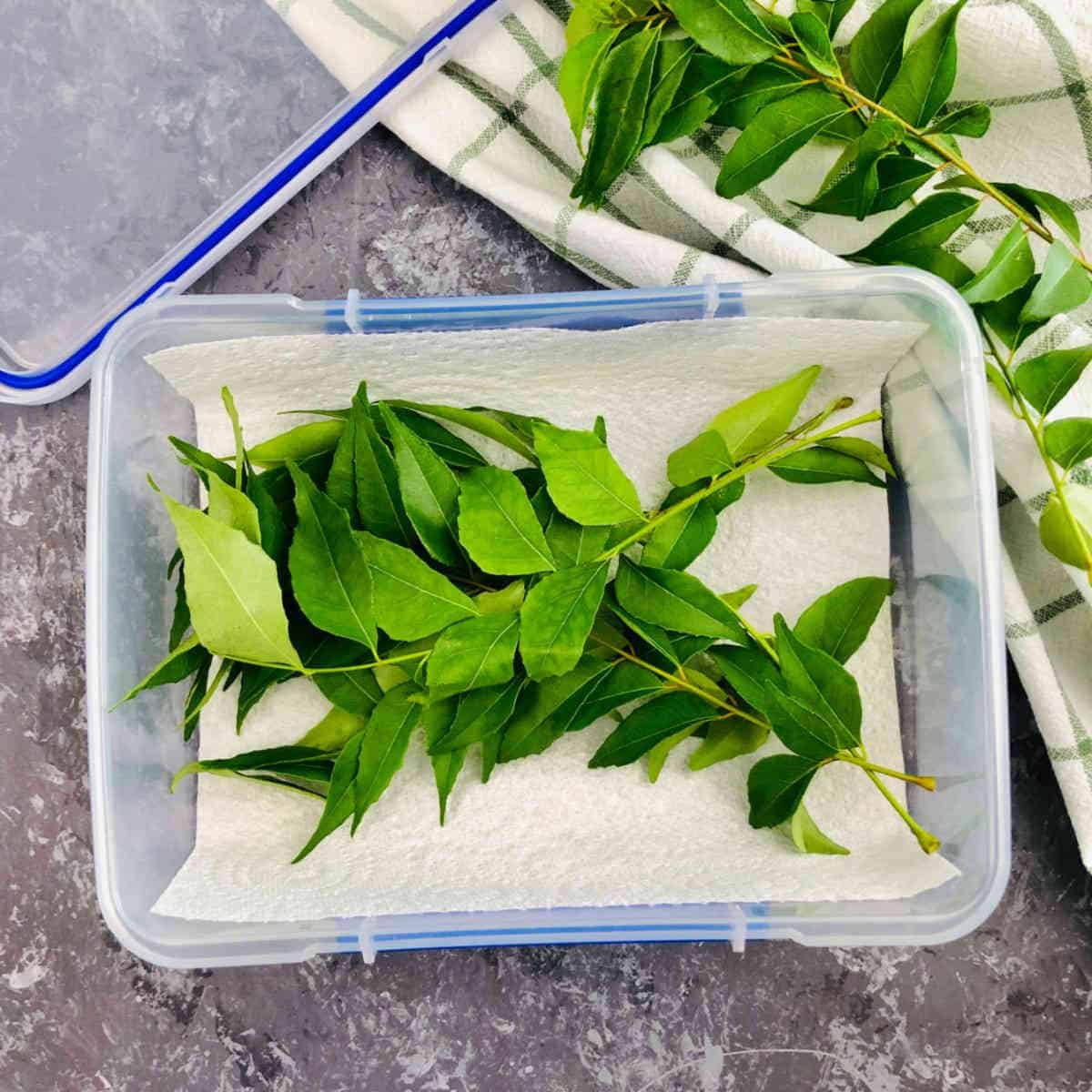
1. Paper Towel Method
Wrap curry leaves in a dry paper towel and place them inside a ziplock bag or airtight container. The towel absorbs excess moisture, which helps prevent rot.
Steps:
- Layer leaves evenly on a paper towel.
- Roll or fold the towel gently around the leaves.
- Place in a ziplock bag. Remove as much air as possible.
- Store in the refrigerator’s crisper drawer.
Expected shelf life: 2–3 weeks if kept dry.
2. Airtight Container Method
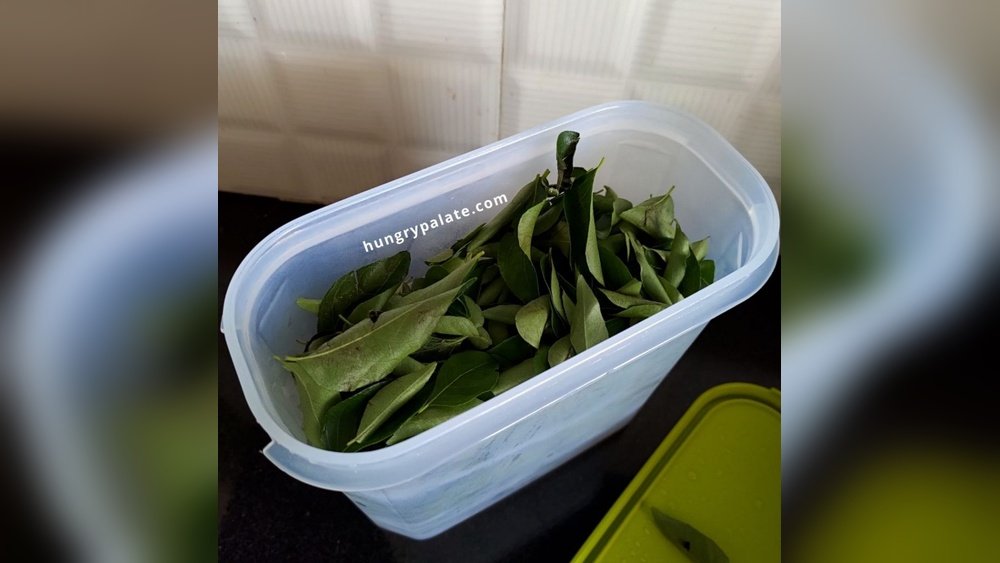
If you do not have ziplock bags, use a clean, airtight container.
- Place dry curry leaves in the container.
- Add a small piece of paper towel to absorb moisture.
- Seal tightly and refrigerate.
This method also keeps leaves fresh for up to 2 weeks.
3. Glass Jar Storage
Some people find that glass jars work even better. Glass does not absorb odors and can keep the leaves crisper.
- Place leaves inside a dry glass jar.
- Add a layer of tissue or paper towel.
- Close with a tight lid.
Glass jars also help prevent strong fridge smells from affecting your curry leaves.
4. Using Vacuum Sealer
If you own a vacuum sealer, this is one of the best ways to extend life.
- Place leaves (dry, unwashed) in the vacuum bag.
- Seal tightly, removing all air.
- Store in the refrigerator.
Vacuum sealing can double the shelf life, keeping curry leaves fresh for up to a month.
Comparison: Fridge Storage Methods
Here’s a quick look at how these methods compare:
| Method | Ease of Use | Expected Shelf Life | Best For |
|---|---|---|---|
| Paper Towel & Ziplock | Very Easy | 2–3 weeks | Everyday Home Use |
| Airtight Container | Easy | 2 weeks | Small Batches |
| Glass Jar | Moderate | 2–3 weeks | Odor Prevention |
| Vacuum Sealing | Requires Equipment | 4 weeks | Longer Storage |

Credit: hungrypalate.com
Freezing Curry Leaves For Long-term Storage
If you want to keep curry leaves for months, freezing is your best option. Freezing locks in aroma and flavor, making it ideal for people who buy in bulk or have home gardens.
1. Freezing Whole Leaves
- Do not wash before freezing (ice crystals form and damage the leaves).
- Spread leaves on a tray in a single layer. Freeze for 2 hours. This prevents clumping.
- Transfer frozen leaves to a ziplock bag or airtight container.
- Store in the freezer up to 6 months.
When needed, take out the amount you need and use directly in cooking (no need to thaw).
2. Chopped Curry Leaves
Some prefer to freeze chopped leaves for convenience.
- Chop dry leaves.
- Place in ice cube trays, cover with a thin layer of water or oil.
- Freeze until solid, then pop out cubes into a freezer bag.
This works well if you add curry leaves directly to soups or stews.
3. Freezing With Oil
Oil helps preserve the flavor and makes it easy to use in recipes.
- Blend leaves with a little oil.
- Pour mixture into ice cube trays.
- Freeze and transfer cubes to a freezer bag.
Oil cubes can be tossed into hot pans directly.
Comparison: Freezing Methods
Here’s a side-by-side look at different freezing techniques:
| Method | Preparation | Convenience | Flavor Retention | Shelf Life |
|---|---|---|---|---|
| Whole Leaves | Minimal | Medium | High | 6 months |
| Chopped Cubes | More Work | High | Medium | 4–6 months |
| Oil Cubes | Most Work | Very High | Excellent | 6 months |
Drying Curry Leaves For Pantry Storage
If you do not have freezer space or you want curry leaves on hand year-round, drying is a great option. Dried leaves lose some aroma but still add flavor to your food.
1. Air Drying
- Wash and pat leaves dry.
- Spread in a single layer on a clean kitchen towel.
- Cover with thin cloth, keep in a dry, shaded place for 4–7 days.
- Store dried leaves in an airtight container.
Air drying preserves the most aroma compared to other drying methods.
2. Sun Drying
Sun drying is faster but can fade the color.
- Place washed, dried leaves on a tray.
- Set in direct sunlight for 1–2 days.
- Store in a glass jar or spice box.
Sun drying works best in dry, sunny climates.
3. Oven Drying
If you need quick results:
- Preheat oven to lowest setting (about 150°F/65°C).
- Spread leaves on a baking sheet.
- Dry for 30–45 minutes, checking every 10 minutes.
- Cool and store in a container.
Do not over-dry, or leaves will lose all flavor.
4. Microwave Drying
- Place leaves between two paper towels.
- Microwave on medium for 30 seconds at a time.
- Check and repeat until leaves are crisp.
Microwaves vary, so watch closely to avoid burning.
Storing Dried Leaves
Once dried, keep leaves in a dark, airtight container. Store away from heat and moisture. Dried leaves can last for up to a year, but aroma fades after about 6 months.
Data Table: Drying Methods
| Method | Time Needed | Flavor Quality | Best Use |
|---|---|---|---|
| Air Drying | 4–7 days | Best | Preserving Aroma |
| Sun Drying | 1–2 days | Good | Large Batches |
| Oven Drying | 30–45 min | Medium | Quick Results |
| Microwave | 1–2 min | Lower | Small Quantities |
Storing Curry Leaves In Salt Or Oil
If you want to preserve freshness and flavor for months, you can use salt or oil as natural preservatives.
1. Storing In Salt
- Spread a layer of coarse salt at the bottom of a glass jar.
- Add a layer of curry leaves.
- Repeat layers, finishing with salt on top.
- Seal the jar tightly.
Salt draws out moisture and prevents spoilage. Before use, rinse leaves to remove salt. This method is common in some traditional Indian kitchens.
2. Storing In Oil
- Wash and dry leaves.
- Submerge in a clean glass jar filled with oil (mustard or coconut oil works well).
- Make sure leaves are completely covered.
- Store in a cool, dark place.
Leaves stored in oil add great flavor to curries and pickles. Use the oil for cooking as well, since it absorbs the curry leaf aroma.
Making Curry Leaf Powder
If you have extra dried leaves, make curry leaf powder for easy use. This is a smart way to avoid waste and enjoy the health benefits of curry leaves.
- Dry leaves using any method above.
- Grind in a spice grinder or blender until fine.
- Store powder in an airtight jar.
Curry leaf powder can be sprinkled on rice, used in seasoning mixes, or added to soups.
Common Mistakes When Storing Curry Leaves
Even experienced cooks make mistakes with curry leaf storage. Watch out for these errors:
- Storing wet leaves: Moisture causes rot and mold. Always dry before storing.
- Overcrowding bags or containers: Leaves need air circulation. Crowding causes faster decay.
- Leaving at room temperature too long: Curry leaves wilt quickly in heat and humidity.
- Washing before storage: Only wash just before using.
- Forgetting to check for spoilage: Remove black or soft leaves regularly to prevent spreading decay.
A simple routine: check your stored leaves every few days to catch early signs of spoilage.
Best Practices For Storing Curry Leaves
To keep your curry leaves at their best, follow these expert tips:
- Buy in small quantities if possible, unless you plan to freeze or dry.
- Label your bags or jars with the date so you know how old they are.
- Store away from strong-smelling foods—curry leaves absorb odors easily.
- Rotate your stock. Use older leaves first.
- Check for insects or pests if buying from a home garden or market.
If you store large quantities, consider splitting them between fridge and freezer to avoid losing all your leaves if one method fails.
How To Use Stored Curry Leaves
Stored curry leaves are easy to use, but there are some tricks to get the best flavor:
- Frozen leaves: Use directly from freezer. No need to thaw—just add to hot oil.
- Dried leaves: Crush lightly before adding to dishes; this releases aroma.
- Leaves stored in oil: Add both the leaf and some oil for extra flavor.
- Salted leaves: Rinse quickly and pat dry before use.
If you want the same aroma as fresh leaves, use a slightly larger quantity of dried or frozen leaves, as some aroma is lost over time.
Health Benefits Of Properly Stored Curry Leaves
When you store curry leaves the right way, you keep more of their nutrients. Curry leaves are high in antioxidants, vitamins A, B, C, and E, and essential oils that support digestion and boost immunity. Fresh or properly preserved leaves offer more health benefits than old, wilted, or moldy ones.
Poor storage can lead to loss of nutrients and even harmful mold growth. This is why storage is not just about taste—it’s also about health.
Real-life Examples And Insights
Many home cooks make the mistake of washing all their curry leaves right after buying, thinking it will keep them clean and fresh. But this actually shortens their life. Another common error: storing leaves in the vegetable drawer without any protection. Moisture from other vegetables quickly spreads, causing rot.
A non-obvious insight: If you dry curry leaves with their stems attached, the flavor lasts longer. The stems retain some moisture, which slows down the drying process and helps keep aroma locked in.
Another tip that beginners miss: Stored curry leaves can be revived if they look a little limp. Place them in a bowl of ice water for 10 minutes. They will regain some crispness and freshness.
When To Discard Curry Leaves
No storage method lasts forever. Throw away curry leaves if you notice:
- Black or brown spots spreading
- Slimy or mushy texture
- Foul or sour smell
- Visible mold
Using spoiled curry leaves can ruin your dish and may even cause stomach upset. When in doubt, throw them out.

Credit: www.youtube.com
Sustainability Tip: Growing Your Own Curry Leaf Plant
If you use curry leaves often, consider growing your own plant. Curry leaf plants are easy to grow in pots or gardens in warm climates. Freshly picked leaves last longer, and you can pick only what you need. This reduces waste and ensures you always have top-quality leaves.
If you want to learn more about the curry leaf plant and its uses, check out this Wikipedia guide.
Frequently Asked Questions
How Long Do Curry Leaves Last In The Fridge?
With proper storage (paper towel and airtight bag), curry leaves last 2–3 weeks in the refrigerator. Vacuum sealing can extend this to 4 weeks.
Can I Freeze Curry Leaves Without Losing Flavor?
Yes. Freezing whole, dry leaves preserves most of the flavor for up to 6 months. For best results, use the leaves directly from the freezer.
Are Dried Curry Leaves As Good As Fresh?
Dried leaves are less aromatic but still useful. For curries and stews, use a bit more dried leaves to get a similar flavor. Fresh is best for tempering (tadka).
Should I Wash Curry Leaves Before Storing?
No. Only wash curry leaves right before using them. Storing wet leaves promotes mold and speeds up spoilage.
Can I Store Curry Leaves At Room Temperature?
It’s not recommended. Curry leaves wilt and lose flavor quickly at room temperature—sometimes in just 1–2 days. Always use fridge or freezer for longer storage.
—
Storing curry leaves is easy with the right method and a little care. Whether you refrigerate, freeze, dry, or use oil and salt, you can always have this essential flavor in your kitchen. With these tips, you will avoid waste, save money, and enjoy authentic, aromatic dishes every time.
Credit: easyindiancookbook.com