
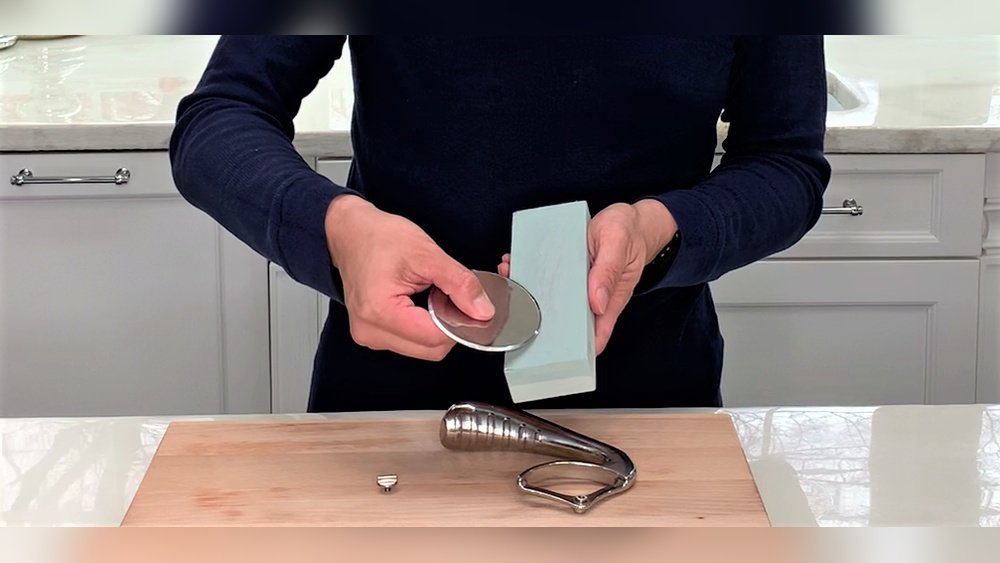
Sharpening a pizza cutter may sound simple, but it can make a big difference in your kitchen. If you have ever tried to slice a pizza with a dull cutter, you know the frustration—uneven slices, ruined toppings, and more work for your hands.
Many people toss out their old cutters and buy new ones, but sharpening your pizza cutter is smarter, saves money, and improves your cooking experience. This guide will show you everything you need to know, step by step, whether your cutter is round or straight, expensive or budget-friendly.
You will learn why a sharp pizza cutter matters, how to know when it needs sharpening, and which tools work best. You will also discover how to sharpen different types of pizza cutters, common mistakes to avoid, and tips for keeping your cutter sharp longer.
By the end, you will be ready to enjoy perfect pizza slices every time.
Why A Sharp Pizza Cutter Matters
A pizza cutter’s main job is to slice cleanly through dough, cheese, and toppings. When the blade is dull, it pushes toppings aside and tears the crust instead of cutting it. This ruins the look of your pizza and can make eating less enjoyable.
Worse, using extra force to cut with a dull blade can be dangerous—you might slip and cut yourself. Keeping your pizza cutter sharp is about safety as much as quality.
A sharp cutter also saves time. Instead of going back and forth over the same spot, you get clean, straight cuts with less effort. If you often host pizza nights, a sharp cutter makes the process faster and lets you serve your guests quickly.
One insight people often miss is that a dull pizza cutter can actually damage your pizza stone or pan. You may press harder than needed, scratching nonstick surfaces. Another key point: a sharp pizza cutter can be used for more than just pizza. You can cut quesadillas, flatbreads, dough, and even herbs with ease.
Types Of Pizza Cutters And Their Blades
Before sharpening, it helps to know your pizza cutter’s type. There are two main kinds: wheel cutters and rocker blades.
Wheel Cutters
These are the most common. They have a round, spinning blade attached to a handle. Wheel cutters are easy to use, simple to store, and popular in most homes. The blade is usually removable for cleaning and sharpening.
Rocker Blades
These look more like a curved knife with handles on both sides. You rock the blade back and forth to cut pizza. Rocker blades are often used in restaurants or by serious home cooks.
Materials Used
Pizza cutter blades are usually made from stainless steel, but some low-cost models use carbon steel. Stainless steel resists rust and is easy to clean, but it can be harder to sharpen than carbon steel. High-end blades may have a special coating for nonstick or added strength.
Here’s a look at the main differences:
| Type | Common Material | Sharpening Difficulty | Durability |
|---|---|---|---|
| Wheel Cutter | Stainless Steel | Medium | High |
| Rocker Blade | Stainless or Carbon Steel | Easy to Medium | High |
| Plastic Wheel | Plastic | Not Sharpenable | Low |
Knowing your cutter type and material helps you choose the right sharpening method.
Signs Your Pizza Cutter Needs Sharpening
Not sure if your pizza cutter is dull? Look for these signs:
- Tears the crust instead of slicing.
- Pushes toppings aside instead of cutting through them.
- Requires more force to make a cut.
- Blade feels blunt to the touch (be careful checking this).
- Uneven or jagged slices appear in your pizza.
Another easy test: try slicing a piece of paper or a soft tomato. If the cutter struggles, it’s time to sharpen.
Tools You Need For Sharpening
You do not need special tools for sharpening a pizza cutter, but having the right ones makes the job easier and safer. Here are the main options:
- Sharpening stone (whetstone): The most common and effective tool. Choose a stone with a fine grit (1000 to 3000) for pizza cutters.
- Knife sharpener: Manual or pull-through sharpeners can work if they fit the cutter’s blade.
- Diamond sharpening rod: Useful for curved blades and hard steel.
- Sandpaper: Fine-grit sandpaper (1000+) can be used in a pinch.
- Honing steel: Good for maintaining the edge but not for full sharpening.
- Protective gloves: To keep your hands safe while working.
- Soft cloth: For wiping the blade after sharpening.
Here’s a simple comparison of sharpening tools:
| Tool | Best For | Skill Required | Result Quality |
|---|---|---|---|
| Sharpening Stone | All blades | Medium | Excellent |
| Knife Sharpener | Wheel cutters | Low | Good |
| Diamond Rod | Curved blades | Medium | Very Good |
| Sandpaper | Emergency use | Low | Fair |
Some beginners skip gloves, but this is a mistake. Pizza cutters are tricky to hold, and slips can happen. Always protect your hands.

Credit: www.youtube.com
How To Sharpen A Pizza Cutter: Step-by-step
This section will explain the sharpening process for both wheel cutters and rocker blades. Follow the steps carefully for best results.
Step 1: Clean The Blade
Before sharpening, wash and dry your pizza cutter. Food bits or oil can clog your sharpening stone or sandpaper. Use warm soapy water and a brush to remove any stuck dough or cheese. Dry completely.
Step 2: Remove The Blade (if Possible)
Most wheel cutters let you remove the blade from the handle with a screwdriver or by popping it out. This gives you better control. If the blade cannot be removed, be extra careful during sharpening.
Step 3: Choose Your Sharpening Tool
Pick the tool that fits your blade type and your skill level. For most home cooks, a sharpening stone is best.
For Wheel Cutters
- Sharpening Stone Method
- Place the stone on a non-slip surface.
- Hold the wheel at a 20-degree angle to the stone.
- Roll the blade back and forth, pressing gently, so the whole edge touches the stone.
- Rotate the wheel as you go to sharpen all parts evenly.
- Repeat 10–20 times, checking the edge after each pass.
- Knife Sharpener Method
- If your sharpener has a slot wide enough, insert the edge of the wheel.
- Pull the blade through the sharpener, turning the wheel slightly each time to cover all areas.
- Repeat until the blade feels sharp.
- Sandpaper Method
- Lay fine-grit sandpaper on a flat surface.
- Roll the blade across the sandpaper, pressing lightly.
- Repeat several times, rotating the wheel as you go.
For Rocker Blades
- Sharpening Stone or Diamond Rod
- Lay the blade flat on the stone or hold the rod at a 20-degree angle to the edge.
- Run the stone or rod along the curved edge, from one end to the other.
- Repeat 10–15 times per side.
- Wipe the blade clean with a soft cloth.
Step 4: Test The Edge
After sharpening, test your cutter on a piece of paper or a soft tomato. A sharp blade should cut easily and smoothly.
Step 5: Clean Again
Metal dust will be left on your blade. Wash with soap and water, then dry completely. Reattach the blade to the handle if you removed it.
Step 6: Store Safely
Keep your pizza cutter in a drawer with a blade cover or hang it up. This protects the edge and prevents accidents.
Common Mistakes To Avoid
Sharpening a pizza cutter is not hard, but beginners often make the same errors. Here are some to watch out for:
- Using too much force: Pressing too hard can chip the blade or wear it unevenly. Gentle pressure works best.
- Wrong angle: A 20-degree angle is best for most cutters. Too steep or too flat gives poor results.
- Skipping cleaning steps: Residue on the blade or stone reduces sharpening quality.
- Ignoring both sides: Some blades are double-sided; sharpen both for even cuts.
- Not testing the edge: Always check sharpness before using on food.
- Forgetting safety gear: Gloves prevent cuts and should not be skipped.
- Using the wrong tool: Not all sharpeners fit round blades—make sure your tool matches your cutter.
A unique insight: many people forget to check the blade for nicks or bends before sharpening. If your blade is damaged, sharpening will not fix it—replace the blade instead.
How Often Should You Sharpen A Pizza Cutter?
How often you sharpen depends on how much you use your cutter. For home cooks, sharpening every 2–3 months is enough if you use your cutter weekly. For heavy use, like in a restaurant, monthly or even weekly sharpening may be needed.
Signs that it’s time for sharpening include needing more force, getting rough cuts, or having to go over the same spot twice. If you only use your cutter once a month, check it every few months.
Remember, regular honing (using a honing steel) can help maintain the edge between sharpenings.
Maintaining Your Pizza Cutter After Sharpening
Sharpening makes your cutter like new, but how you care for it afterward matters too. Here are some tips:
- Wash by hand after each use. Dishwashers can dull the blade faster.
- Dry immediately. Water left on steel causes rust and dulling.
- Store with a blade cover if possible, especially if you keep it in a drawer with other utensils.
- Avoid cutting on hard surfaces like glass or stone. Use wood or plastic cutting boards.
- Hone the blade every few uses to keep the edge aligned.
- Check for nicks or chips regularly. Replace the blade if needed.
Here’s a simple maintenance schedule:
| Task | Frequency |
|---|---|
| Hand Wash & Dry | After every use |
| Hone the Blade | Every 2-3 uses |
| Sharpen the Blade | Every 2-3 months (home) |
| Check for Damage | Monthly |
| Replace Blade | As needed |
Many new users miss the fact that storing a cutter with other metal utensils can quickly dull the blade. Always use a cover or keep it separate.

Credit: www.cookistry.com
Sharpening Specialty Pizza Cutters
Some pizza cutters have unique designs—like scissors-style cutters or decorative blades. These may need different care:
- Scissors-style cutters: Sharpen just like kitchen scissors, using a sharpening stone or a dedicated scissor sharpener.
- Decorative or patterned blades: Use a fine file or sandpaper, working slowly to keep the shape of the patterns.
For any specialty blade, check the manufacturer’s instructions. Never use electric sharpeners unless they are rated for your cutter type.
When To Replace Instead Of Sharpen
Not every pizza cutter can be saved by sharpening. Here are signs you should buy a new one:
- Blade is chipped or cracked
- Rust cannot be cleaned off
- Blade does not spin smoothly (wheel cutters)
- Handle is damaged or loose
- Plastic blades (these cannot be sharpened)
If your blade is thin from repeated sharpening, it’s safer to replace. A new cutter costs less than a trip to the emergency room for a cut finger.
Safety Tips For Sharpening And Using Pizza Cutters
Sharp tools are safer than dull ones, but only if used with care. Keep these safety tips in mind:
- Wear gloves during sharpening to avoid accidental cuts.
- Use a non-slip mat under your sharpening stone.
- Keep fingers away from the blade edge at all times.
- Do not rush the process.
- Test the blade safely—use paper or a tomato, not your skin.
- Store out of reach of children.
Remember, injuries often happen when cleaning or putting the cutter away. Always respect the sharp edge.
Can You Sharpen A Pizza Cutter At Home Or Should You Go Pro?
Most people can sharpen their pizza cutter at home with the right tools. However, if your cutter is expensive, sentimental, or has a complex blade, a professional sharpening service can help. These services use machines for a perfect edge and may repair minor damage.
The cost is usually $5–$10, which is worth it for premium cutters. For everyday cutters, home sharpening is enough.
To find a professional service, check local kitchen stores or search online. The America’s Test Kitchen site offers a guide to reputable sharpening services.
Environmental Benefits Of Sharpening Vs. Replacing
Choosing to sharpen your pizza cutter instead of buying a new one is better for the environment. Manufacturing steel uses energy and creates waste. By sharpening and reusing your cutter, you reduce landfill waste and save resources.
Even if your cutter is low-cost, sharpening extends its life. Many people are surprised to learn that kitchen tools can last decades with simple care and regular sharpening.
Sharpening As Part Of Kitchen Knife Care
If you already sharpen your kitchen knives, add your pizza cutter to the same routine. Most of the tools work for both, and you save time by caring for all blades at once.
One detail beginners miss: wheel cutters usually need to be rolled across the stone, not dragged like a knife. This keeps the edge even and sharp.
Pizza Cutter Sharpening: Real-world Examples
Many home cooks share the same story: they buy a new pizza cutter every year, never realizing the old one could be sharpened. After learning the process, they find their old cutter works as well as new. In pizza restaurants, cutters are sharpened daily or weekly to handle the high volume.
Professional chefs often keep two or three cutters and rotate them, sharpening as needed. This keeps the kitchen running smoothly and prevents downtime.
Frequently Asked Questions
How Do I Know If My Pizza Cutter Is Sharp Enough?
A sharp pizza cutter should slice through pizza crust, cheese, and toppings in one smooth motion. Try cutting a piece of paper or a soft tomato—the blade should glide through with little effort and no tearing. If you need to press hard or go back over the same spot, it needs sharpening.
Can I Use An Electric Knife Sharpener On My Pizza Cutter?
Most electric knife sharpeners are designed for straight, flat blades. They may not fit round wheel cutters or curved rocker blades. For these, a manual sharpening stone or rod is safer and more effective. Only use electric sharpeners if the manufacturer says they are suitable for your cutter.
How Long Does It Take To Sharpen A Pizza Cutter?
Sharpening a pizza cutter usually takes 10–15 minutes. Cleaning and removing the blade adds a few minutes. With practice, the process gets faster. If the blade is very dull, allow a bit more time for best results.
Is It Possible To Sharpen A Pizza Cutter With Sandpaper?
Yes, you can use fine-grit sandpaper (1000 grit or higher) to sharpen a pizza cutter in an emergency. Lay the sandpaper flat and roll the blade across it, applying gentle pressure. While not as effective as a sharpening stone, it works for light touch-ups.
What Should I Do If My Pizza Cutter Blade Is Rusty?
If the rust is light, scrub with baking soda and a soft brush before sharpening. For deep rust or pitting, it’s safer to replace the blade. Never eat food cut with a heavily rusted blade, as it can be unsafe.
Keeping your pizza cutter sharp is a simple skill that pays off every time you serve pizza. With the steps and tips above, you can enjoy smooth, even slices and a tool that lasts for years. Happy slicing!

Credit: lloydpans.com