
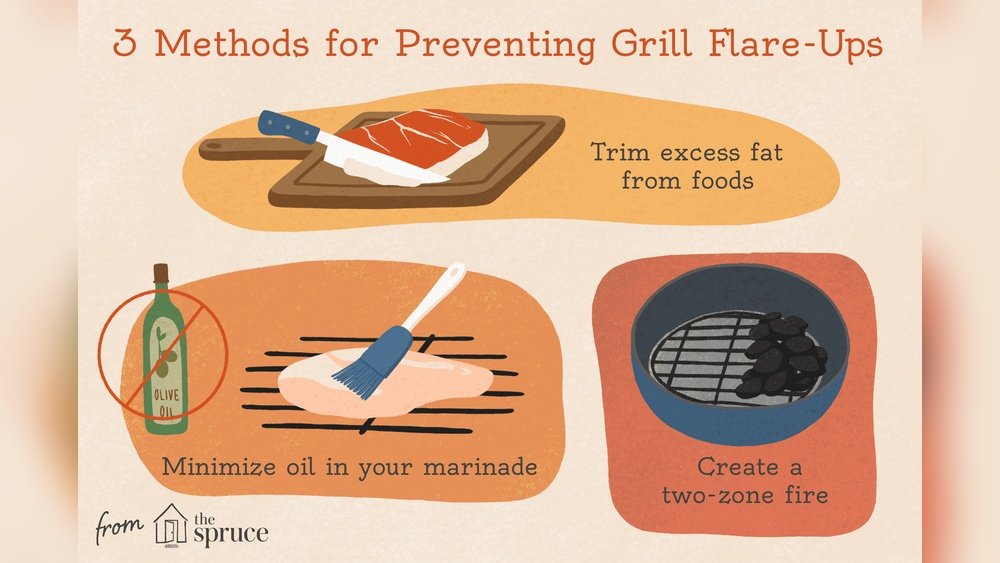
Grilling is a favorite activity for many, especially during summer gatherings and family cookouts. The smell of food over the flames and the joy of cooking outdoors create great memories. But grilling also comes with risks—one of the most serious is a grill fire. These fires can start quickly and spread fast, even before you realize what’s happening. Understanding how to stop a grill fire is not just useful; it can protect your home, your loved ones, and even save lives.
Many people think grill fires are rare, but the numbers tell a different story. According to the National Fire Protection Association, US fire departments respond to over 10,600 home grill fires every year. These incidents cause injuries, property loss, and sometimes even fatalities. Most of these fires are preventable, and knowing how to act fast can make a huge difference.
This guide will show you step-by-step how to stop a grill fire safely and effectively. You’ll learn why grill fires happen, the right tools to keep nearby, and exactly what to do if flames break out. We’ll also cover mistakes to avoid, how different grills need different responses, and extra safety tips for before, during, and after grilling.
Real examples, expert tips, and common questions are included, so you’ll leave with total confidence for your next barbecue.
Why Grill Fires Happen
Grill fires almost always start with a simple mistake or oversight. It’s easy to get distracted, especially when you’re cooking for guests. But understanding the main causes can help you stay alert and prevent trouble.
Grease buildup is the number one reason for flare-ups and larger fires. When fat from meat drips onto hot burners or coals, it can catch fire. If there’s a lot of old grease inside the grill, the flames can grow quickly.
Leaving the grill unattended is another common cause. Fires often start in just a few seconds, so stepping away—even for a short time—can be risky.
Faulty equipment can also play a role. Damaged gas hoses, broken regulators, or clogged burners can leak fuel or create dangerous conditions.
Improper use of lighter fluid is especially risky with charcoal grills. Pouring too much, or adding it to hot coals, can cause big flare-ups.
Setting up the grill too close to flammable materials—like wooden decks, dry grass, or furniture—can turn a small fire into a much bigger one.
Non-obvious insight: Many new grill owners don’t realize that wind can blow grease and flames onto nearby surfaces, increasing the chance of spreading. Also, closing the lid on a very hot grill with lots of grease inside can trap heat and make fires worse, not better.
Types Of Grill Fires
Not all grill fires are the same. Knowing the difference can help you react with the right steps.
Flare-ups
These are short bursts of flames caused by fat dripping onto the heat source. Flare-ups are common and usually last a few seconds. They’re normal, but if not controlled, they can become bigger fires.
Sustained Grease Fires
If grease builds up inside the grill, it can catch fire and burn for a longer time. These grease fires are more dangerous than flare-ups because they don’t go out quickly and can damage the grill or spread outside it.
Gas Leaks And Gas Fires
Propane or natural gas grills can have fires caused by leaking fuel. These fires often start with a loud *whoosh* sound. Gas fires are especially dangerous because the fuel source is pressurized, and flames can reach valves or hoses.
Charcoal Fires
Charcoal grills can have coal fires that get out of control if too much lighter fluid is used or if hot coals spill out. These fires are less common but can be hard to stop once they spread.
Essential Tools And Safety Gear
Before you start grilling, always have the right tools nearby. They can make a huge difference if a fire starts.
- Fire extinguisher: The best type is a Class B or multi-purpose (ABC) extinguisher. Keep it within easy reach—never hidden in the garage or house.
- Baking soda: This is great for smothering small grease fires. Never use flour or sugar—they can make fires worse.
- Long-handled tongs and grill gloves: These let you move food or close the lid without getting too close to flames.
- Metal tray or sheet pan: Useful for covering small fires or moving burning items.
- Bucket of sand or dirt: For charcoal grills, this can help put out coals quickly.
- Fire blanket: This can smother flames, especially for clothing or small grill fires.
- Water spray bottle: For flare-ups, not grease fires. A light mist can calm small flames, but never pour water on grease or gas fires.
Pro tip: Regularly check your fire extinguisher’s pressure gauge. Many people keep old, expired extinguishers that don’t work when needed.
How To Stop A Grill Fire: Step-by-step Instructions
When flames break out, it’s easy to panic. But acting calmly and confidently is key. Here’s exactly what to do for different grill fire types.
For Gas Grill Fires
- Turn off the burners: If you can reach the controls safely, turn off all burner knobs. This stops more gas from fueling the fire.
- Shut the gas tank valve: If the fire is under control and you can access the tank knob, turn it clockwise to close.
- Close the grill lid: This cuts off oxygen, which can smother the flames. But if the fire is huge, leave the lid open to avoid a gas buildup.
- Use a fire extinguisher: Aim the nozzle at the base of the fire, not the flames. Sweep side-to-side until the fire is out.
- For small grease fires, use baking soda: Sprinkle it on flames. Avoid flour or water.
- If fire spreads, call 911: Don’t risk injury or property loss. Get everyone away from the area.
Non-obvious tip: Never try to move a burning gas grill. The tank can explode if it gets too hot.
For Charcoal Grill Fires
- Close all vents and the lid: This removes oxygen and slows the fire.
- Use sand or baking soda: Pour over the flames to smother them.
- Remove burning food: Use long tongs to move burning items away from the grill if safe.
- Do not use water: Pouring water on hot coals can create steam burns and spread embers.
- Wait for the grill to cool before cleaning: Hot ash can stay dangerous for hours.
Non-obvious tip: If you don’t have sand, dirt works almost as well to cover and choke out flames.
For Flare-ups
- Move food to a cooler part of the grill: This prevents more fat from dripping.
- Lower the heat: If using gas, turn down burners.
- Keep the lid open: This lets heat escape and gives you better control.
- Use a spray bottle for small flames: Mist lightly to control flare-ups, but avoid drenching.
For Grease Fires
- Do not use water: This spreads burning grease and makes the fire worse.
- Close the lid and vents: Shut off oxygen.
- Use baking soda or a fire extinguisher: Smother the fire from a safe distance.
- Call for help if it spreads: Grease fires can double in size every minute.
For Clothing Or Surface Fires
- Use a fire blanket: Wrap the burning area to smother flames.
- Stop, drop, and roll: If someone’s clothes catch fire, this is still the best method.
- Call emergency services for burns: Even small burns need quick medical attention.
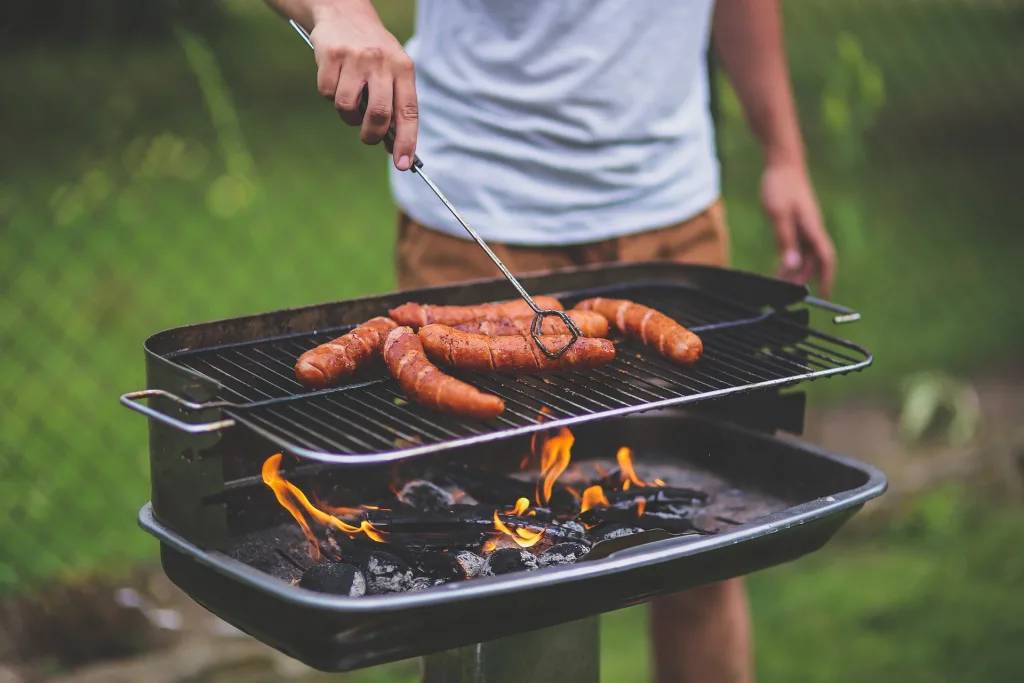
Credit: jenkinsrestorations.com
What Not To Do During A Grill Fire
Mistakes during a fire can turn a small problem into a disaster. Here are the most common errors to avoid:
- Don’t pour water on grease or gas fires. Water spreads burning fat and can cause explosions.
- Don’t open the lid suddenly after closing it to smother flames. Air rushing in can cause a fireball.
- Don’t use plastic tools or plates near the fire. These can melt and worsen the situation.
- Don’t try to move a burning grill. It’s safer to control the fire where it is.
- Don’t use flour, sugar, or baking powder. Only baking soda works safely on grease fires.
Grill Fire Safety Table: Mistakes Vs. Correct Actions
To make things clearer, here’s a quick comparison of what to do and what not to do:
| Mistake | Correct Action |
|---|---|
| Pour water on grease fire | Smother with baking soda or fire extinguisher |
| Move burning grill | Keep grill in place and control fire |
| Use plastic utensils | Use long-handled metal tools |
| Add lighter fluid to hot coals | Only add to cold coals before lighting |
| Leave grill unattended | Stay nearby at all times when grilling |
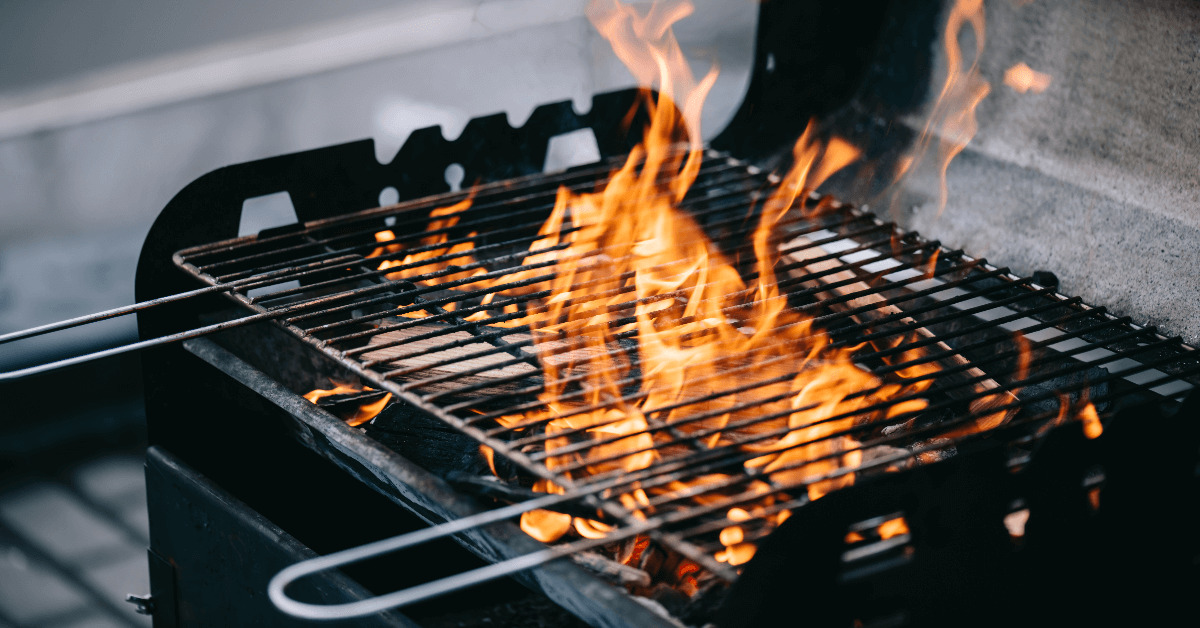
Credit: grilltanksplus.com
Preventing Grill Fires: Essential Steps
The best way to stop a grill fire is to prevent one. Taking these steps before, during, and after grilling will help keep your cookouts safe.
Before Grilling
- Clean your grill regularly. Remove grease and fat from grills and trays after each use.
- Check for gas leaks. For gas grills, brush soapy water on hoses and connections. Bubbles mean a leak—fix before use.
- Set up in a safe place. Keep the grill at least 10 feet from your house, fences, or trees.
- Keep flammable items away. Never grill near dry grass, wooden decks, or overhanging branches.
- Inspect equipment. Check hoses, burners, and ignition systems for wear or damage.
During Grilling
- Stay close. Never leave a hot grill unattended.
- Watch for flare-ups. Move food and adjust heat as needed.
- Keep a spray bottle and extinguisher nearby. Be ready to act fast.
- Use proper fuel. Only use charcoal starter fluid on cold coals; never add it to an already lit grill.
- Wear safe clothing. Avoid loose sleeves or hanging towels.
After Grilling
- Let coals cool completely. For charcoal grills, close vents and wait several hours before disposal.
- Turn off all burners and gas supply. For gas grills, always shut everything off.
- Clean grease trays and surfaces. Don’t let fat build up.
- Store propane tanks safely. Keep them outside, never in garages or enclosed spaces.
Expert insight: Many grill fires happen after the food is cooked, when people forget to turn off burners or leave hot coals unattended.
Gas Vs. Charcoal Grills: Fire Risk Comparison
Different grill types have different fire risks. Here’s a simple comparison:
| Feature | Gas Grill | Charcoal Grill |
|---|---|---|
| Main Fire Risk | Gas leaks, grease buildup | Grease fires, hot embers, lighter fluid misuse |
| Common Mistake | Leaving burners on, old hoses | Adding fluid to hot coals, overfilling with charcoal |
| Best Extinguisher | Class B or ABC extinguisher, baking soda | Baking soda, sand, Class B extinguisher |
| Post-cook Safety | Turn off gas at tank and burners | Close vents, cool coals fully |
Real-life Examples And Lessons
Hearing how fires start in real situations helps you know what to watch for.
Example 1: A family was grilling burgers on a gas grill. Grease built up in the catch tray and caught fire. They tried to put it out with water, but the flames shot up, burning the cook’s arm and setting a nearby chair on fire. Luckily, a neighbor used a fire extinguisher and called 911, preventing worse damage.
Lesson: Always clean grease trays and use proper extinguishing methods.
Example 2: At a backyard party, someone added lighter fluid to hot charcoal. Flames shot up, catching a paper plate and a napkin. The fire spread to the tablecloth before being put out with baking soda.
Lesson: Only use starter fluid before lighting charcoal, and keep flammable items away.
Example 3: After grilling, a homeowner left hot coals in the grill overnight. Wind blew embers onto the dry grass, starting a small yard fire that threatened the house.
Lesson: Always make sure coals are completely cool before leaving them unattended.
The Role Of Proper Grill Maintenance
Keeping your grill in good condition is a key part of fire prevention.
- Deep clean your grill every few weeks. Remove all grates, trays, and burners to scrub away grease.
- Replace worn hoses and valves. For gas grills, even small leaks can be dangerous.
- Store grills and fuel safely. Propane tanks should be upright, outside, and away from heat.
- Check ignition systems. Broken igniters can cause gas build-ups before lighting.
Non-obvious insight: Even stainless steel grills can rust on the inside, trapping grease and creating hidden fire risks. Always check hidden corners and joints for buildup.
When To Call For Help
Sometimes, a grill fire is too big to handle alone. Know when to call emergency services:
- If flames are outside the grill body
- If you cannot control the fire within 30 seconds
- If a gas tank is involved or leaking
- If people are hurt or property is burning
- If smoke is thick and spreading
It’s better to call 911 early than wait until things are out of control. Firefighters are trained to handle these emergencies and can keep everyone safe.
Grill Fire Response Timeline
Here’s a breakdown of what to do, second by second, when a grill fire starts:
| Time | Action |
|---|---|
| First 5 seconds | Assess the fire type: flare-up, grease, or gas |
| 5-15 seconds | Turn off burners or close vents/lid if safe |
| 15-30 seconds | Use extinguisher or baking soda as needed |
| 30+ seconds | If fire is growing, evacuate and call 911 |
Extra Tips For Grilling Safely
- Keep children and pets away from the grill area. A three-foot “safe zone” is recommended.
- Wear heat-resistant gloves when handling hot parts or fighting small fires.
- Install a smoke detector near the grill area if grilling on a porch or patio.
- Don’t overload the grill with fatty foods. More fat means more risk of grease fires.
- Have your grill inspected by a pro if you’re unsure about its safety.
Recommended Resources
For more in-depth fire safety information, check out the National Fire Protection Association’s fire extinguisher guide. Their advice covers all types of household fires, including grills.
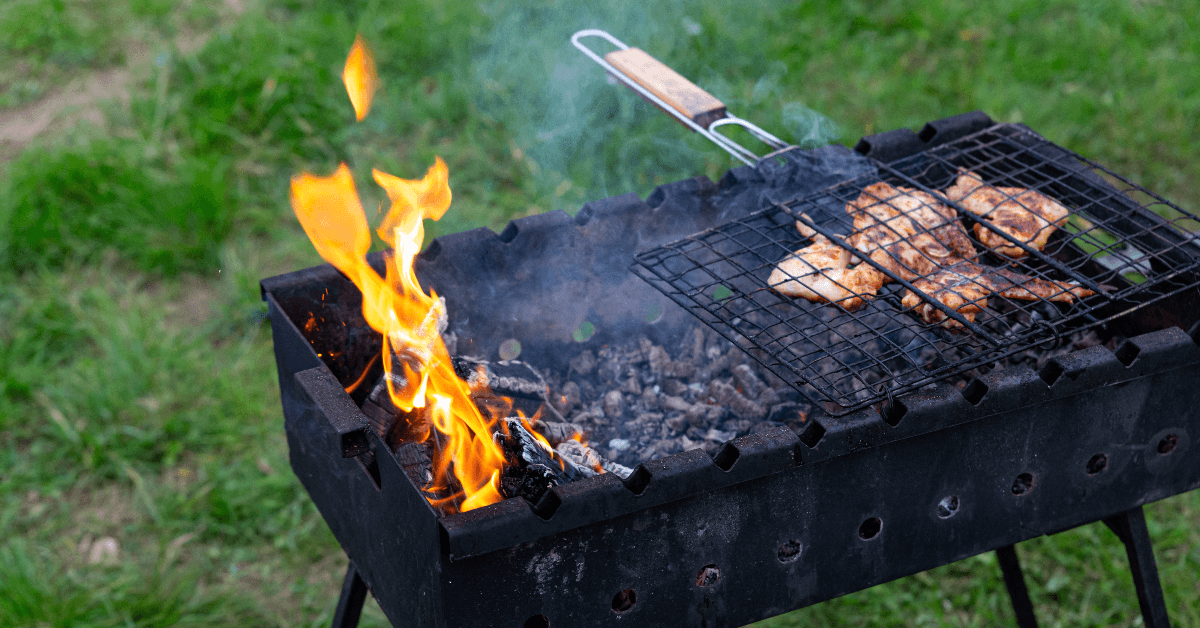
Credit: grilltanksplus.com
Frequently Asked Questions
What Is The Best Way To Put Out A Grease Fire On A Grill?
The safest way is to close the grill lid and vents to cut off oxygen. If the flames are small, sprinkle baking soda on the fire. Never use water, as it will spread the burning grease. For larger fires, use a Class B fire extinguisher.
Can I Use A Garden Hose To Put Out A Grill Fire?
No, never use a garden hose on grease or gas grill fires. Water causes grease to splatter and can spread flames quickly. Only use water for non-grease, wood, or paper fires—never on grills with hot fat or gas involved.
How Do I Know If A Gas Leak Caused The Fire?
If you smell rotten eggs (the odor of added gas) or hear a hissing sound, you likely have a leak. Flames may burn blue and tall near the hose or tank. Immediately turn off the gas supply (if safe) and call emergency services.
Is It Safe To Use A Grill After A Fire?
It depends on the damage. Inspect the grill for warped metal, melted parts, or damaged hoses. Clean all surfaces and test the ignition system. If in doubt, have a professional check the grill before using it again.
Do I Need A Special Fire Extinguisher For Grill Fires?
Yes, the best type is a Class B (for flammable liquids and grease) or multi-purpose (ABC) extinguisher. Keep it near your grill at all times and check it regularly to ensure it’s charged.
Grilling brings people together, but safety should always come first. By understanding how to stop a grill fire, having the right tools, and knowing what actions to take, you can enjoy outdoor cooking with peace of mind. Remember, it’s better to be over-prepared than caught off guard.
Grill smart and stay safe!