
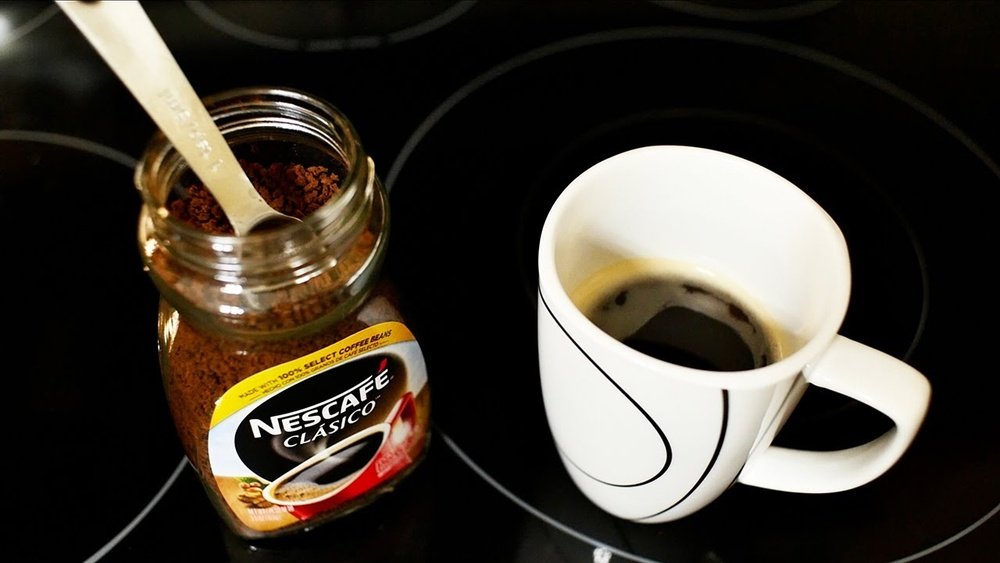
Making coffee is a morning ritual for millions. But what happens if you don’t have a coffee maker, or you’re in a place with only a microwave available? You might think good coffee is impossible, but that’s not true. With the right method, you can make a satisfying cup of coffee in the microwave—quickly, easily, and with a taste that surprises many.
This guide will show you exactly how to do it, from choosing the beans to cleaning up, and answer questions even experienced coffee drinkers sometimes get wrong.
Why Make Coffee In The Microwave?
Many people wonder, “Why would anyone make coffee in the microwave?” There are actually a few situations where the microwave shines:
- No coffee maker: You’re traveling, at work, or your machine is broken.
- Speed: Microwaves heat water fast—no waiting for a kettle to boil.
- Simplicity: Fewer tools, less mess, and easy for beginners.
But there’s more. Some people prefer the microwave because it gives them more control over the water temperature, which is often overlooked. While boiling water can ruin the taste of coffee, the microwave lets you stop heating before the water gets too hot.
Also, microwaving is safer in small spaces like dorm rooms.
Another reason is flexibility. You can make coffee almost anywhere: in a hotel room, a college dorm, a break room, or even at a campsite with access to electricity. For people who live alone or only want one cup, it’s wasteful to use a large coffee machine. The microwave is perfect for single servings. Plus, for those learning how to make coffee, this method is simple and forgiving. If you make a mistake, you lose only one cup, not a whole pot.
Hidden benefit: You can easily experiment with the process. Try different steep times, grind sizes, or add-ins—without committing to a big batch. This is a good way to learn what you like, especially if you’re new to coffee brewing.
The Basics: What You Need
Before you start, gather these items:
- Microwave-safe mug (ceramic or glass, not plastic)
- Coffee grounds (medium or coarse grind works best)
- Clean water (filtered or bottled is better than tap)
- Spoon
- Paper filter, fine mesh strainer, or even a clean cloth (optional, for filtering grounds)
- Microwave
- Measuring spoon (optional, but helps with accuracy)
Why Each Item Matters
Some people try to skip the filter, but drinking coffee grounds is not pleasant. A filter or strainer makes the drink smoother. Using filtered water avoids the “flat” taste caused by minerals in tap water. Also, a microwave-safe mug is important for safety—never use metal or mugs with metallic paint.
A spoon isn’t just for stirring—it helps test water temperature safely. Measuring spoons give you consistency, helping you repeat a good cup every time. And don’t underestimate the importance of a good mug. Thicker ceramic mugs keep coffee hot longer and are less likely to crack from temperature changes.
Pro tip: If you don’t have a strainer or filter, even a clean sock or piece of cheesecloth can work in an emergency. Coffee lovers who travel often carry a small reusable mesh filter or a few paper filters for this reason.
Choosing The Right Coffee And Water
Coffee’s taste depends heavily on the type of coffee and water quality.
Coffee Grounds
For microwave coffee, medium to coarse grounds work best. Fine grounds can slip through filters and make your coffee muddy. If you only have instant coffee, you can still use this guide, but the taste won’t be as rich.
- Freshness: Freshly ground coffee gives the best flavor.
- Amount: Use about 2 tablespoons of grounds for every 6-8 ounces of water.
If you buy pre-ground coffee, check the bag for a “medium grind” description. For a better cup, buy whole beans and grind just before brewing. Hand grinders are cheap and portable, and they unlock more aroma and flavor.
Example: If you use a “French roast” or “dark roast,” expect a bolder, stronger flavor. Light roasts taste brighter and may feel less bitter. Try different beans to see what you prefer.
Non-obvious insight: The oil on coffee beans adds flavor. If your grounds look dry and dull, they’re probably stale, and your coffee will taste flat.
Water Quality
Many beginners miss this: Water makes up 98% of your coffee. If your water tastes odd, so will your coffee. Use filtered, bottled, or spring water if possible. Avoid distilled water—it can make coffee taste flat.
If your tap water tastes good cold, it’s usually fine for coffee. But if it smells like chlorine or metal, filter it first. Hard water (with minerals) can sometimes enhance flavor, but too much makes coffee taste harsh. Bottled spring water is a safe bet if you want consistency.
Practical note: Always start with cold water. Hot tap water can pick up extra minerals from pipes, changing the taste.
How To Make Coffee In The Microwave: Step-by-step
Let’s get practical. Here’s how to brew a cup that tastes good, not just “good enough. ”
1. Measure And Add Water
Fill your mug with 6-8 ounces of clean water. This is the standard for a single cup.
If you want to make a stronger coffee, use less water; for a milder cup, use more. It’s better to measure if you’re unsure—coffee recipes are more consistent with the right water-to-coffee ratio.
Pro insight: Using too much water can make your coffee taste watery, even with enough grounds.
2. Heat The Water
Place the mug in the microwave. Heat on high for about 1 to 2 minutes. The exact time depends on your microwave’s power:
- 700W microwave: About 2 minutes for hot water
- 1000W microwave: About 1.5 minutes
Check the water by dipping a spoon in and touching it carefully. You want water just below boiling—about 190-200°F (88-93°C). If you see bubbles, it’s hot enough.
Non-obvious tip: If you overheat, let the water sit for 30 seconds. Superheating (water that looks still but is actually above boiling) can cause dangerous splashes when you add coffee.
If you have a food thermometer, use it for more accuracy. Otherwise, watch for tiny bubbles and steam—these are clues the temperature is right.
3. Add Coffee Grounds
Add 2 tablespoons of coffee grounds to the hot water. Stir gently to mix.
Practical insight: Stirring helps the coffee extract evenly. If you just drop the grounds in, some will float and not brew properly.
Make sure all grounds are wet. Dry clumps do not extract flavor well, leading to weak or uneven coffee.
Advanced tip: If you like a cleaner cup, try “blooming” the grounds—add just a bit of hot water first, stir, wait 30 seconds, then add the rest. This releases trapped gases and boosts flavor, even in the microwave.
4. Steep The Coffee
Let the mixture steep for 4 minutes. You can adjust this time:
- 3 minutes: Milder flavor
- 5 minutes: Stronger, bolder taste
Beginner mistake: Don’t leave the grounds in for too long. Over-steeping makes the coffee bitter.
Use a timer if possible. If you like experimenting, try different steep times and keep notes. Some coffees taste best at exactly four minutes, others are better at three and a half.
Non-obvious insight: If you’re in a rush, a short steep (2 minutes) produces a lighter, tea-like coffee. This can be refreshing in the afternoon.
5. Filter The Coffee
Place a paper filter, fine mesh strainer, or clean cloth over another mug. Pour the brewed coffee through to catch the grounds.
Extra tip: If you don’t have a filter, let the grounds settle for a minute, then pour the coffee slowly. Most grounds will stay at the bottom.
If you use a cloth, rinse it right away so coffee oils don’t build up. If you use a paper towel, double it to avoid tearing. Reusable mesh filters are a good investment if you make microwave coffee often.
6. Add Extras (optional)
Now, add sugar, milk, or cream if you like. Stir and taste. Adjust as needed.
You can also try honey, flavored syrups, or sweetened condensed milk for variety. Some people like a sprinkle of cinnamon or nutmeg on top.
Pro tip: Add sugar while the coffee is hot—it dissolves better.
Comparing Microwave Coffee With Other Methods
To see how microwave coffee stacks up, here’s a comparison with other simple methods.
| Method | Time Needed | Flavor Quality | Equipment |
|---|---|---|---|
| Microwave | 3-6 min | Good (if done right) | Mug, microwave, filter |
| French Press | 6-8 min | Rich, full-bodied | Press, kettle |
| Drip Machine | 5-10 min | Consistent, clean | Machine, filter |
| Instant Coffee | 1-2 min | Basic, less fresh | Mug, spoon |
Microwave coffee is faster than most, and with good technique, the taste is close to a French press. It’s also the best choice if you have no special gear.
Extra insight: Microwave coffee lets you try single-origin beans or fresh grinds without committing to a whole pot. This flexibility is popular with coffee hobbyists.
Choosing The Best Microwave For Coffee
You may wonder if the microwave type matters. Here are key points:
- Power (Wattage): Most home microwaves are 700-1200W. Higher wattage heats water faster.
- Size: A larger microwave fits bigger mugs.
- Features: Some microwaves have a “beverage” button, but it’s usually not accurate for coffee—manual timing is better.
Expert tip: If you use an older microwave, watch carefully. They can heat unevenly, leading to cold spots or superheated water.
If you regularly make coffee for more than one person, a larger microwave saves time. For travelers, a compact microwave is handy, but you’ll need to check the wattage and adjust times.
Practical example: In an office with only a small microwave, start with less time and check the water often. Each microwave is different.

Credit: lifeboostcoffee.com
How To Avoid Common Microwave Coffee Mistakes
Many people make microwave coffee, but end up with weak, bitter, or gritty results. Here’s how to avoid these problems:
- Using boiling water: This extracts bitter flavors. Heat water until it’s hot, not boiling.
- Using fine grounds: They slip through filters and make the drink gritty.
- Not filtering: Even a paper towel or napkin works in a pinch.
- Forgetting to stir: Ensures even extraction.
- Leaving grounds in too long: Makes coffee harsh and overpowering.
Extra insight: Don’t skip cooling slightly after microwaving—superheated water is dangerous. Always use a spoon to check temperature.
Making Coffee For More Than One Person
If you need to make several cups, just multiply the recipe. Use a large microwave-safe bowl and adjust the heating time upward—add about 30 seconds for each extra cup of water.
Important: Always stir before serving. Heating a large volume can cause uneven temperatures.
Practical tip: Divide the brewed coffee among mugs and add extras (milk, sugar) after pouring. This way, everyone can customize their drink.
Caution: When heating large amounts of water, stop and stir halfway to reduce hot spots.

Credit: www.youtube.com
Flavor Upgrades And Customization
Microwave coffee doesn’t have to be basic. Try these upgrades:
- Cinnamon: Add a pinch to the grounds for warmth.
- Vanilla extract: A drop in the finished cup adds sweetness.
- Cocoa powder: Mix a teaspoon with the grounds for a mocha flavor.
- Salt: A tiny pinch can balance bitterness.
Pro insight: Add spices to the grounds, not after brewing, for better flavor.
You can also try nutmeg, cardamom, or ginger for a unique twist. For a richer drink, add a spoonful of sweetened condensed milk instead of regular milk.
Bonus tip: For iced coffee, brew as usual, let cool, then pour over ice. Add a splash of milk and sweetener for a quick iced latte.
Cleaning Up Properly
Don’t ignore cleanup. Coffee grounds can clog drains or stain mugs. Here’s a simple process:
- Dispose of grounds: Throw them in the trash or compost, not the sink.
- Rinse filter and mug: Use hot water right after brewing to prevent stains.
- Deep clean: Once a week, scrub mugs with baking soda to remove any coffee residue.
Extra tip: If you use a cloth filter, wash it with mild soap and hang to dry. Don’t let grounds sit in your mug—they’re harder to clean later.
Credit: dornob.com
Is Microwave Coffee Safe?
Some people worry about safety. The microwave is safe for heating water, as long as you follow a few rules:
- Use only microwave-safe containers
- Don’t overheat water: Superheated water can “erupt” when disturbed.
- No metal: Never use metal or mugs with metallic paint.
Microwaves do not change the chemistry of water or coffee. The method is just as safe as using a kettle.
Hidden risk: Always use a potholder or towel to remove hot mugs—they can get hotter than you expect, especially with thin handles.
How To Reheat Coffee In The Microwave
If you brewed coffee earlier and it’s gone cold, the microwave can reheat it. Here’s how:
- Pour coffee into a microwave-safe mug.
- Heat in 20-second bursts, stirring in between, until hot (but not boiling).
- Don’t reheat more than once—this can make coffee taste stale.
Non-obvious tip: Cover the mug loosely with a paper towel to prevent splatters while reheating.
Troubleshooting: Why Does My Microwave Coffee Taste Bad?
If your coffee tastes off, check these common reasons:
- Water too hot or cold: Adjust heating time.
- Stale grounds: Use fresh beans, grind just before use.
- Wrong ratio: Use 2 tablespoons per cup.
- Unfiltered: Always strain to remove grounds.
If your coffee tastes metallic or strange, try different water. If it’s sour, your grounds may be too coarse or your steep time too short.
Extra troubleshooting: If you notice a plastic taste, check your mug—cheap plastic can leach flavors when heated.
Special Types Of Microwave Coffee
You can make more than just plain coffee with your microwave. Here are some variations:
Microwave “pour-over”
Use a cone filter directly over your mug. Pour microwaved hot water slowly over grounds in the filter. This mimics a classic pour-over style and gives a clean cup.
Extra tip: Pour in circles, not straight down, for even extraction.
Microwave Cold Brew
You can cold brew in the microwave, but only for the water-heating step. Mix grounds and hot water, then chill the mixture for 12 hours. Strain and serve over ice.
Alternative: Mix grounds with cold water and let sit in the fridge overnight, then strain.
Microwave “cafe Au Lait”
Heat equal parts milk and water in the microwave, then brew as usual. This makes a creamy, French-style coffee.
Tip: Use whole milk for a richer texture, or try plant-based milks for a different flavor.
Environmental Impact: Is Microwave Coffee Greener?
Using a microwave can be more energy efficient than boiling a whole kettle for just one cup. Here’s a quick comparison:
| Method | Energy Used (kWh per cup) |
|---|---|
| Microwave | 0.012 |
| Kettle | 0.018 |
| Drip machine | 0.025 |
So, for single cups, microwaves use less energy—a bonus for your utility bill and the planet.
Non-obvious insight: Making only what you need reduces waste. A large coffee machine often encourages over-brewing, leading to leftover coffee that gets poured down the drain.
Health And Nutritional Aspects
Coffee made in the microwave has the same nutrients and caffeine as coffee made any other way. There is no evidence that microwaving water or coffee changes their nutritional value. If you want less caffeine, use less coffee or choose decaf grounds.
Tip: If you add milk or sugar, count those calories—they add up fast.
Microwave coffee is also a good way to control your portions and avoid extra sugar or cream sometimes added by coffee shops.
Extra health tip: If you want to reduce acidity, add a pinch of salt or use a darker roast. Both can make coffee gentler on your stomach.
Comparing Instant Coffee And Microwave-brewed Coffee
Let’s compare microwave-brewed coffee and instant coffee. Many people think they’re the same, but they’re not.
| Aspect | Microwave-Brewed | Instant Coffee |
|---|---|---|
| Flavor | Fresh, richer | Simple, less complex |
| Caffeine | Full strength | Usually less |
| Cost | Lower per cup (using beans) | More expensive per cup |
| Preparation | More steps | Just mix and stir |
Non-obvious insight: Many instant coffees contain additives for solubility or flavor—microwave-brewed coffee is more natural.
Also, if you care about the environment, using ground coffee produces less packaging waste than single-serve instant packets.
Frequently Asked Questions
How Long Should I Microwave Water For Coffee?
Most mugs need 1 to 2 minutes on high. The exact time depends on your microwave’s wattage and how much water you use. Always check the water before adding coffee—it should be hot but not boiling.
Extra tip: If making a second cup immediately, your mug will be hotter and need less time.
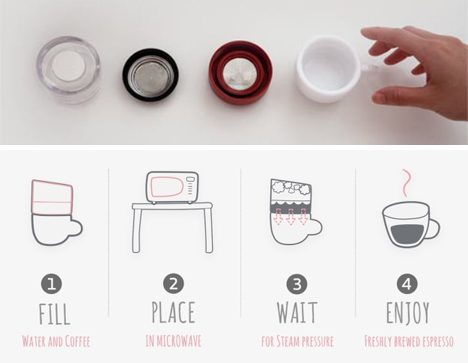
Can I Make Espresso In The Microwave?
You can’t make true espresso, which needs high pressure. But you can make strong coffee by doubling the grounds and using less water. It won’t have crema, but it will be bold.
Is Microwave Coffee Unhealthy?
No, microwave coffee is as healthy as any other brewed coffee. There’s no evidence that microwaving water or coffee introduces harmful chemicals or changes nutrition.
What If I Don’t Have A Filter?
Let the coffee grounds settle for a minute after steeping, then pour gently into another mug. Most grounds will stay behind. In a pinch, a clean napkin or paper towel can act as a filter.
How Do I Clean Coffee Stains From My Mug?
For stubborn stains, sprinkle baking soda in the mug, add a little water, and scrub gently. Rinse well. Repeat if needed.
Extra tip: For travel mugs, use a bottle brush to reach the bottom.
Final Thoughts
Making coffee in the microwave is simple, fast, and surprisingly tasty when done right. You don’t need fancy equipment or a lot of time. By using the right grind, water temperature, and filtering method, you can enjoy a quality cup anywhere. The microwave gives you flexibility—hot, cold brew, or even creative recipes. Next time you’re without a coffee maker, remember: good coffee is only a microwave away.
For more on the science of coffee brewing, see this National Coffee Association guide.