
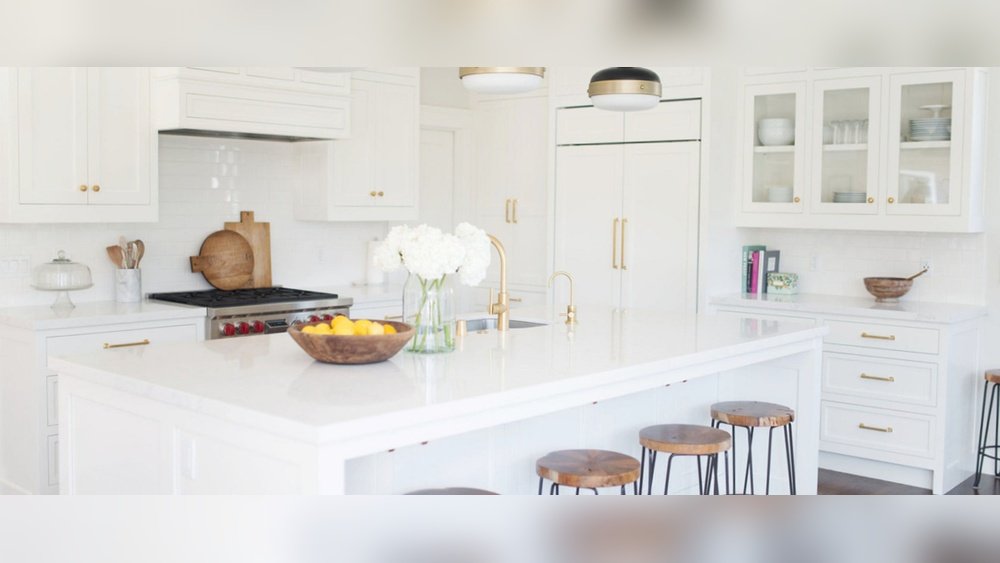
Cambria quartz countertops bring a unique combination of style, strength, and ease to kitchens and bathrooms. Their nonporous surface and stunning patterns make them a favorite for homeowners who want beauty with less maintenance. But even though Cambria quartz is one of the easiest surfaces to care for, proper cleaning and protection are essential to keep its shine and durability for years.
Many people believe quartz is “indestructible,” but small mistakes in cleaning can lead to dullness or stains that are hard to fix. Understanding how to clean Cambria quartz the right way is the key to enjoying its benefits without worry.
If you’re new to quartz surfaces or want to avoid costly errors, you’re in the right place. This guide covers every detail of cleaning Cambria quartz—routine care, stain removal, what to avoid, and how to keep your countertop looking as good as new.
You’ll also discover practical tips, common misunderstandings, and the answers to questions most people only ask after a problem appears. Let’s get started on making your Cambria quartz last a lifetime.
What Makes Cambria Quartz Unique
To clean Cambria quartz properly, it helps to know what makes it different from other countertops. Cambria is made from natural quartz crystals blended with a small amount of resin binders and pigments. This mixture creates a surface that is:
- Nonporous, so liquids do not soak in
- Stain-resistant, even against wine, coffee, or oil
- Scratch-resistant, but not scratch-proof
- Heat-resistant up to a point (but not immune to damage)
- Free from sealing needs, unlike granite or marble
Because Cambria quartz is nonporous, bacteria and mold have almost nowhere to hide. That’s why Cambria surfaces are popular in homes, hospitals, and restaurants. However, the resin part of the countertop can react to harsh chemicals, high heat, or incorrect cleaning methods.
Understanding these details helps you avoid damage and keeps your surface in perfect shape.
Daily Cleaning Routine For Cambria Quartz
Keeping your quartz countertop clean every day is simple, but consistency matters. Here’s how to do it right:
- Wipe up spills right away. Even though Cambria is stain-resistant, long exposure to things like red wine or tomato sauce can leave marks over time.
- Use a soft cloth or sponge. Microfiber cloths are ideal. Avoid rough pads, which can cause small scratches.
- Mild dish soap and warm water are usually enough for most messes. Mix a small amount of soap with water, wipe the surface, and dry with a clean towel.
Example: Quick Cleaning Process
- After dinner, notice a few coffee drips on the counter.
- Wet a microfiber cloth with warm water, add a drop of dish soap, and wipe the spot.
- Use a dry towel to remove any water marks.
This routine prevents buildup of grime, avoids water spots, and keeps the quartz shining.
Deep Cleaning For Stubborn Messes
Sometimes, regular cleaning isn’t enough—especially for dried spills, sticky residues, or light stains. Here’s how to handle these situations:
- Use a gentle cleaner. Choose a pH-balanced, non-abrasive surface cleaner marked safe for quartz. Popular options include diluted vinegar-free glass cleaners or branded quartz sprays.
- Let the cleaner sit for a minute. Spray the area and allow it to loosen the residue.
- Scrub gently with a soft cloth. Never use steel wool, magic erasers, or rough pads.
- Wipe with clean water and dry immediately.
What To Avoid
- Avoid harsh chemicals like bleach, oven cleaner, or products containing trichloroethane or methylene chloride.
- Never use abrasive powders (like Comet or Ajax).
- Don’t use acidic cleaners such as vinegar or lemon-based sprays.
Example: Removing Sticky Syrup
If pancake syrup dries on your Cambria quartz:
- Spray a quartz-safe cleaner on the spot.
- Let it soak for 2-3 minutes.
- Wipe gently with a microfiber towel.
- Rinse with water and dry.
How To Remove Stains From Cambria Quartz
While Cambria quartz is highly stain-resistant, rare stains can happen if liquids are left for many hours or from certain chemical reactions. Here’s how to tackle different types of stains:
1. Food And Beverage Stains
- Use a mild, pH-neutral cleaner and a soft cloth.
- For dried stains, place a wet paper towel over the spot for 10 minutes, then wipe.
2. Grease And Oil
- Use a degreasing cleaner labeled safe for quartz.
- Avoid harsh degreasers with strong solvents.
3. Ink And Permanent Marker
- Try rubbing alcohol on a cotton pad.
- Test in a small area first.
- Wipe, then clean with mild soap and water.
4. Dried Paint Or Nail Polish
- Gently scrape off the residue with a plastic putty knife.
- Never use metal tools.
- Clean with soap and water.
5. Hard Water Spots
- Mix a little dish soap with warm water.
- Wipe repeatedly with a damp cloth.
- For stubborn spots, use a little white vinegar on the cloth (never pour directly), then rinse well.
Non-obvious Insight
Many beginners think that if a stain “won’t come out,” scrubbing harder will help. In reality, pressing too hard or using rough tools can dull the surface permanently. Patience and gentle cleaning win every time.

Credit: www.cambriausa.com
Cleaning Up After Special Activities
Sometimes, daily life brings unique messes. Here’s how to handle them on your Cambria quartz:
After Baking
Flour, dough, and sugar can leave a film. Wipe the surface with a damp cloth, then dry. For sticky icing, use a drop of dish soap.
After Kids’ Crafts
If glue or marker ends up on the counter, use rubbing alcohol for marker and a plastic scraper for glue. Never use knives or razors.
After Entertaining
Red wine, juice, or sauces can stain if not wiped quickly. Use a mild cleaner and wipe as soon as possible.
Example: Wax Spills
If candle wax drips on Cambria quartz, let it harden. Then, gently lift it with a plastic scraper. Wipe with warm soapy water.
What Cleaning Products Are Safe (and Unsafe)
Choosing the right cleaning products is critical. Here’s a quick overview:
| Product Type | Safe for Cambria Quartz? | Comments |
|---|---|---|
| Mild Dish Soap | Yes | Best for daily cleaning |
| Glass Cleaner (ammonia-free) | Yes | Good for spot cleaning |
| Bleach | No | Damages resin, avoid |
| Vinegar or Lemon Juice | No | Too acidic, can dull surface |
| Abrasive Scrubs | No | Can scratch quartz |
| pH-neutral stone cleaners | Yes | Check label for quartz compatibility |
Pro tip: When trying a new product, always test in a small, hidden area.
Protecting Cambria Quartz From Damage
Even though Cambria quartz is durable, daily habits can increase its lifespan. Here are key protection tips:
- Use cutting boards. Quartz is scratch-resistant, but knives can leave marks or dull the finish over time.
- Place hot pads or trivets under pans. Sudden high heat (over 150°F) can cause thermal shock, which may crack the resin.
- Avoid dragging heavy items. Sliding pots, appliances, or tools can scratch or chip the edge.
- Wipe up acidic spills quickly. Lemon juice, wine, and vinegar can etch the resin if left for hours.
- Don’t stand or sit on the countertop. It’s strong, but not built for heavy concentrated weight.
Example: Preventing Heat Damage
If you take a hot baking sheet from the oven, place it on a trivet—not directly on your Cambria quartz. Even though brief contact may not cause harm, repeated exposure can lead to discoloration or cracks.
Mistakes To Avoid When Cleaning Cambria Quartz
Many well-meaning homeowners accidentally damage their countertops by following old advice or using the wrong products. Here are the most common mistakes to avoid:
- Using vinegar or lemon-based sprays. They break down the resin and dull the shine.
- Scrubbing with steel wool or magic erasers. These may seem soft, but they are too abrasive for quartz.
- Applying bleach or high-pH cleaners. These can discolor or weaken the surface.
- Letting spills dry for days. Dried-on substances are much harder to remove and can stain.
- Using sealers or waxes. Cambria quartz is nonporous and does not need extra sealing—waxes may leave a sticky film.
Non-obvious Insight
Some “all-natural” cleaners are not safe for quartz. Always check the ingredients. If you’re unsure, use plain dish soap and water.
How Cambria Quartz Compares To Other Countertop Materials
Understanding how Cambria quartz differs from granite, marble, and laminate helps you appreciate the unique cleaning needs.
| Material | Porosity | Sealing Needed | Stain Resistance | Scratch Resistance | Heat Resistance |
|---|---|---|---|---|---|
| Cambria Quartz | Nonporous | No | High | High | Medium |
| Granite | Slightly Porous | Yes | Medium | High | High |
| Marble | Very Porous | Yes | Low | Medium | Medium |
| Laminate | Nonporous | No | Medium | Low | Low |
Key takeaway: Cambria quartz is easier to clean than granite or marble because you don’t need to seal it, and stains are less likely. But it’s still important to avoid heat and abrasives.
How To Restore Shine To Dull Cambria Quartz
Over time, you might notice your countertop looks a little dull—often from soap residue, water spots, or tiny scratches. Here’s how to bring back the shine:
- Clean with a pH-neutral quartz cleaner. Remove all buildup.
- Buff with a dry microfiber cloth. Circular motions work best.
- Avoid polishes or waxes. These can cause streaks or attract dust.
- For stubborn dull spots, use a little isopropyl alcohol on a cloth, then rinse and dry.
If your surface is still dull after these steps, check if you’re using the right cleaners. Dish soaps with lotions or oils can leave a film. Switch to a clear, unscented soap.
Example: Fixing A Cloudy Spot
If you see a cloudy area after cleaning, wipe with a water-dampened microfiber towel, then dry immediately. Most “cloudy” spots are actually soap or cleaner residue.

Credit: countertopsstl.com
Cleaning Cambria Quartz In The Bathroom
Bathrooms present special challenges—think toothpaste, makeup, and soap scum. Here’s how to keep your Cambria quartz bathroom vanity spotless:
- Wipe up toothpaste and makeup spills quickly. These can harden and become stubborn if left.
- Use a gentle, non-abrasive cleaner for daily cleaning.
- Rinse and dry after each cleaning to prevent water spots.
- Avoid hair dye or strong chemicals near the surface; they can stain or discolor quartz.
Pro Tip
If you use hair styling tools, always place a heat mat under curling irons or straighteners. Bathroom quartz can be damaged by high heat just like kitchen countertops.
How To Maintain Cambria Quartz Over The Years
Regular cleaning is just one part of keeping your countertop beautiful for decades. Here’s a long-term maintenance plan:
- Check for chips or cracks every few months, especially near the sink or corners.
- Resist the urge to use “shine enhancers”—these are not needed and may leave a sticky film.
- Educate family and guests on safe cleaning and use—kids and visitors sometimes put hot pans or cut directly on the counter.
- Schedule a deep clean every 3-6 months using a quartz-safe cleaner, especially in high-use kitchens.
- Contact a professional for deep scratches, chips, or repairs. DIY fixes often make things worse.

Credit: countertopsstl.com
Real-life Examples: Common Cambria Quartz Cleaning Scenarios
Scenario 1: Holiday Cooking Mess
After a holiday feast, you find gravy, cranberry sauce, and red wine spilled on the countertop. Wipe spills as soon as possible, then clean the area with mild dish soap and water. For sticky spots, let a damp towel sit for 5 minutes, then wipe.
Scenario 2: Kids’ Art Project
Marker and glue are on the surface. Use rubbing alcohol for the marker (test first), and gently lift glue with a plastic scraper. Finish with a soap-and-water wipe.
Scenario 3: Forgotten Coffee Mug
A mug leaves a ring overnight. Wipe with a damp cloth. If a faint stain remains, use a quartz-safe cleaner and buff with a microfiber towel.
Frequently Asked Questions
How Often Should I Clean My Cambria Quartz Countertop?
It’s best to wipe your countertop daily with a soft cloth and mild dish soap. Quick cleaning after spills prevents stains and keeps the surface looking new. Deep cleaning can be done weekly or as needed.
Can I Use Disinfectant Wipes On Cambria Quartz?
Yes, but check the label. Use only disinfectant wipes that are pH-neutral and free from bleach or harsh chemicals. Always rinse the surface with water afterward and dry with a clean towel to avoid residue.
What Should I Do If I Spill Nail Polish Or Paint On Cambria Quartz?
If nail polish or paint spills, let it dry completely, then gently lift with a plastic scraper. Do not use metal tools. Clean the area with mild soap and water. Avoid nail polish remover—it can damage quartz resin.
Is It Safe To Place Hot Pots Or Pans Directly On Cambria Quartz?
No. While Cambria quartz is heat-resistant, direct contact with hot cookware can cause cracks or discoloration. Always use a trivet or hot pad to protect the surface.
What Is The Best Way To Keep Cambria Quartz Shiny?
For a lasting shine, clean regularly with a pH-neutral cleaner and buff with a dry microfiber cloth. Avoid waxes, polishes, or oily cleaners—they leave residues that attract dust and dull the finish.
To learn more about quartz surfaces and their care, visit the official Cambria Quartz website for expert advice.
Caring for your Cambria quartz countertop is simple with the right knowledge and habits. By using gentle cleaners, avoiding harsh chemicals, and protecting from heat and scratches, you’ll enjoy a beautiful, functional surface for years. Remember, a little care every day keeps your investment looking its best.
With these tips, your Cambria quartz can truly shine—no matter what life brings.