
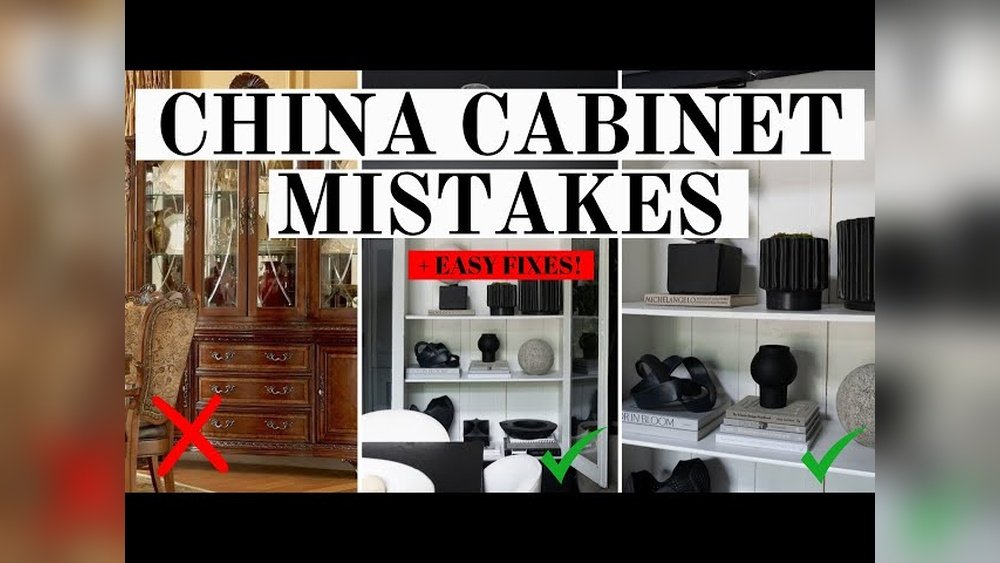
A china cabinet often stands as the centerpiece in a dining room, but what if you don’t want to fill it with traditional dishes? Many people inherit or purchase these beautiful cabinets but want to break away from the usual display of plates and cups.
Decorating a china cabinet without dishes opens up a world of creative options that can turn your cabinet into a personal showcase, a mini library, or even a piece of art in itself.
Whether you love a minimalist style, crave a burst of color, or want to highlight special collections, you can transform your china cabinet into something truly unique. This guide will show you how to rethink your cabinet, choose the right items, and display them so they look intentional and stylish.
Along the way, you’ll discover clever techniques, common mistakes to avoid, and advanced tips that even seasoned decorators sometimes overlook.
Understanding Your China Cabinet
Before you begin, take a close look at your china cabinet. Ask yourself:
- Is it a classic glass-fronted cabinet, or is it open shelving?
- What size and shape is it?
- Is it in good condition, or does it need a little TLC?
Take measurements of the shelves and interior spaces. This will help you plan what will fit and how you might arrange your items. If the cabinet feels outdated, a coat of paint or new hardware can give it a fresh look.
Think about the style of your room—modern, rustic, vintage, or eclectic. Your cabinet can either match or stand out as a bold accent.
Choosing A Theme Or Focal Point
A theme brings order and harmony to your cabinet. Without a theme, the display can look random or cluttered. Here are some popular directions you might consider:
- Books and Literature – Create a mini-library or display beautiful hardcovers.
- Nature and Botanicals – Feature plants, terrariums, or nature-themed objects.
- Art Gallery – Use the cabinet to showcase small artwork, sculptures, or handmade crafts.
- Travel Memories – Display souvenirs, postcards, and travel photos.
- Color Story – Focus on a color palette for a modern, unified look.
- Seasonal Decor – Rotate items to match the season or holidays.
- Personal Collections – Show off figurines, vintage cameras, or unique finds.
Pick one main idea and stick to it. If you mix themes, keep the color palette simple so the display doesn’t become overwhelming.
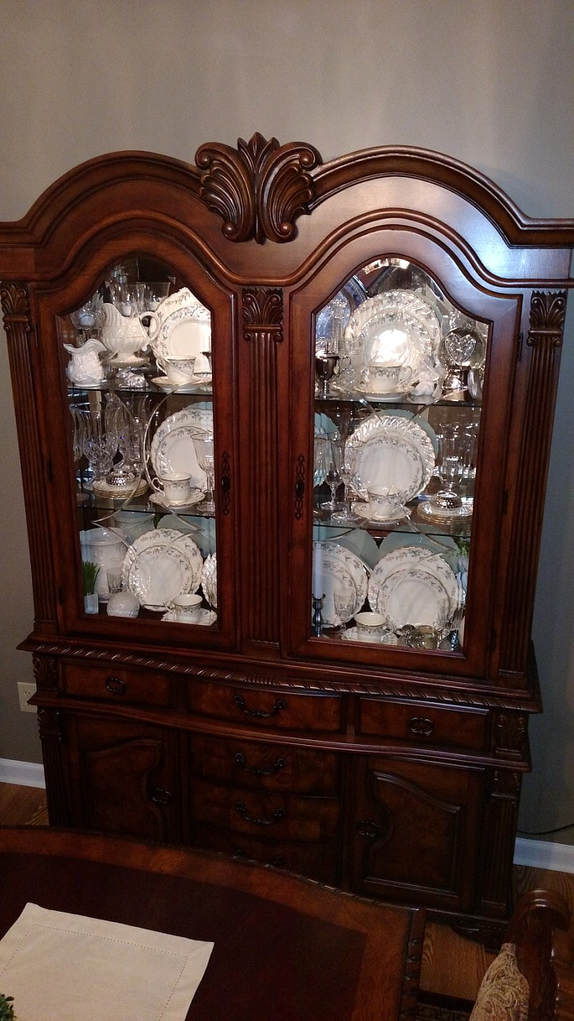
Credit: decorateandsuchwithtip.weebly.com
Planning Your Display
Lay out your items before placing them in the cabinet. Place them on a table or even on the floor to see how they look together. Think about:
- Height Variation – Use tall and short items for visual interest.
- Layering – Place items in front of each other, not just in a straight line.
- Odd Numbers – Group objects in threes or fives; it’s more pleasing to the eye.
- Negative Space – Don’t overcrowd. Leave some empty space so each item stands out.
Take a quick photo of your layout. Sometimes, things look different in a picture.
Creative Ideas For Decorating Without Dishes
There’s no limit to what you can use in a china cabinet. Below are some creative alternatives, with detailed ideas for each.
1. Books
A china cabinet makes a wonderful bookcase, especially for special editions or beautiful covers. Stack some books vertically and lay others horizontally. Add small objects, like a candle or a decorative stone, on top of horizontal stacks.
Tips:
- Remove dust jackets for a cleaner look.
- Sort by color, size, or subject for a cohesive style.
- Add bookends or a small potted plant for variety.
2. Plants And Florals
Greenery brings life to any space. Use small potted plants, succulents, or air plants. Faux plants are a good choice if your cabinet doesn’t get much light.
Ideas:
- Place a trailing plant on a top shelf and let it hang down.
- Mix vases with fresh or dried flowers.
- Use glass jars as mini terrariums.
3. Art And Photography
Treat your cabinet as a mini art gallery. Stand framed photographs or art prints on the shelves. Lean them against the back wall or hang them inside (with removable hooks).
Tips:
- Use different frame styles for a collected look, or match frames for a modern feel.
- Display small sculptures or ceramics.
- Mix 2D and 3D art for depth.
4. Collectibles And Curios
If you collect something—vintage cameras, figurines, seashells, antique toys—a china cabinet is the perfect way to show them off.
Display Strategies:
- Group by type or color.
- Use risers (like small boxes or books) to vary the height.
- Place the most special items at eye level.
5. Bar Cabinet
Turn your china cabinet into a stylish home bar. Arrange bottles of wine or spirits, glassware, cocktail shakers, and bar tools.
Pro Tips:
- Use a tray to keep small items together.
- Add a small bowl of citrus or a decorative ice bucket.
- Hang stemware upside down if the shelf allows.
6. Decorative Objects
Vases, bowls, candle holders, and sculptures all look great in a china cabinet. Choose a mix of materials—glass, ceramic, wood, or metal—for texture.
Ideas:
- Place a single large vase in the center.
- Use a row of small candles on one shelf.
- Add a bowl of decorative balls, pinecones, or shells.
7. Seasonal Displays
Change your cabinet with the seasons. For example, fill it with pumpkins and autumn leaves in fall, ornaments and greenery in winter, or seashells in summer.
Rotating Tips:
- Store off-season items in bins.
- Use baskets or boxes on lower shelves for hidden storage.
- Add a string of fairy lights for extra charm.
8. Personal Mementos
Make your cabinet a memory display. Use vacation souvenirs, old letters, heirlooms, or family photos.
Ideas:
- Place items on stands or in shadow boxes.
- Add a favorite quote in a frame.
- Mix in a few objects with personal meaning.
9. Office Or Craft Supplies
If you need extra storage, use your cabinet for office supplies or craft materials. The glass doors keep things visible but tidy.
Tips:
- Use pretty boxes or baskets for small items.
- Store pens, brushes, or ribbons in jars.
- Display a calendar or inspiration board inside.
10. Themed Cabinet
Pick a fun or quirky theme. For example, a “garden” cabinet with seed packets, gardening tools, and flower pots. Or a “vintage kitchen” with old utensils, cookbooks, and enamelware.
Planning:
- Choose items that fit the theme but vary in size and texture.
- Add a small chalkboard with a quote or menu.
- Layer items to create depth.

Credit: joyfulderivatives.com
Table: Comparison Of Popular China Cabinet Decor Themes
The table below compares several popular themes for decorating a china cabinet without dishes, showing their main features and best uses.
| Theme | Main Elements | Best For | Maintenance Level |
|---|---|---|---|
| Books & Literature | Books, bookends, small objects | Readers, study spaces | Low |
| Nature & Botanicals | Plants, flowers, terrariums | Living rooms, nature lovers | Medium to high |
| Art Gallery | Frames, sculptures, ceramics | Art lovers, modern homes | Low |
| Bar Cabinet | Bottles, glassware, bar tools | Entertainers, dining rooms | Medium |
| Personal Mementos | Photos, souvenirs, heirlooms | Family rooms, sentimental value | Low |
Styling Techniques To Make Your Cabinet Stand Out
Layering For Depth
Don’t line everything up at the front of the shelf. Place some items at the back, some in the middle, and some at the front. This gives your display a three-dimensional look.
Using Odd Numbers
Odd-numbered groupings (3, 5, 7) are more interesting than even numbers. For example, three vases of different heights look better together than two.
Balancing Colors And Textures
Mix shiny and matte, rough and smooth. If you use a lot of white or neutral objects, add one or two pops of color to draw the eye.
Adding Background Interest
Paint or wallpaper the back of your cabinet. This is an easy way to add pattern or color without a big commitment.
Playing With Lighting
Add small battery-powered lights or LED strips inside your cabinet. Soft lighting makes objects glow and highlights your display.
Table: Visual Impact Of Common Cabinet Items
This table shows how different objects add to the look and feel of your cabinet.
| Item Type | Visual Impact | Best Placement | Notes |
|---|---|---|---|
| Books | Warm, intellectual | Stacked or standing | Mix horizontal and vertical |
| Plants | Fresh, lively | Top or middle shelves | Mind lighting needs |
| Sculptures | Artistic, modern | Eye level | Use as focal point |
| Photos/Frames | Personal, cozy | Back of shelf | Lean or hang |
| Barware | Elegant, festive | Grouped on trays | Add glass or metallics |
Advanced Tips And Non-obvious Insights
Most beginners focus only on what goes inside the cabinet. But the cabinet’s structure and surroundings matter, too. Here are a few advanced tips:
Use The Top And Bottom
Don’t forget the space on top of the cabinet. A large basket, a trailing plant, or a framed print can extend your display upward. Some cabinets have closed storage at the bottom—use this for less attractive items.
Remove Some Shelves
Most china cabinets have adjustable shelves. Remove one to fit a taller item, like a large vase or sculpture. This breaks up the grid and gives the display room to breathe.
Mirror The Back
If your cabinet feels dark, add a mirror to the back. This reflects light and makes the display feel bigger.
Mix Open And Closed Storage
If your cabinet has doors or drawers, keep them partly open to show off interesting items inside. Or, store less pretty things behind closed doors and keep the best on display.
Style The Surrounding Area
Place a rug, a floor lamp, or a chair near the cabinet to make it feel like part of the room—not just a standalone piece.
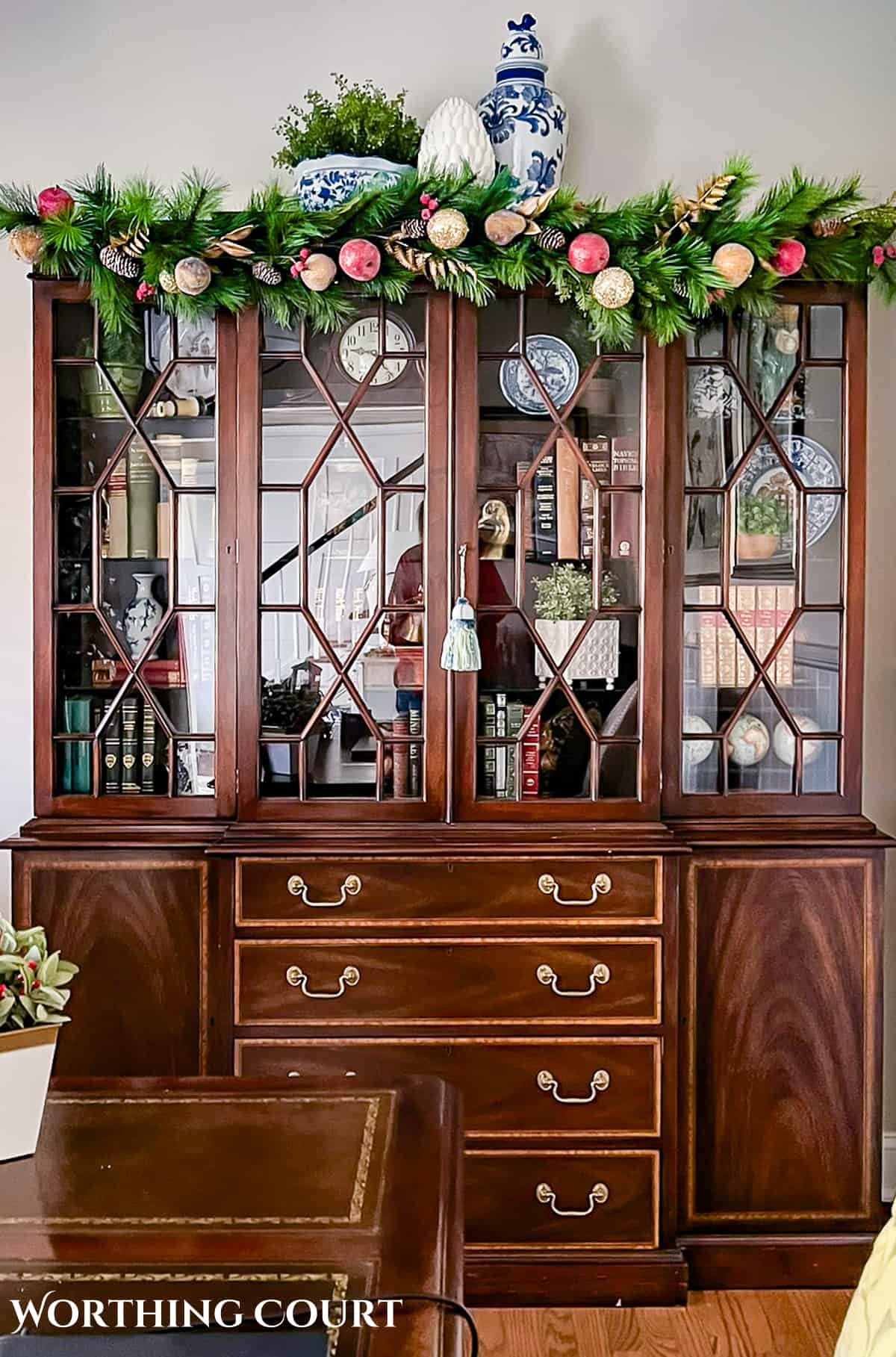
Credit: www.worthingcourtblog.com
Common Mistakes To Avoid
Decorating a china cabinet without dishes is exciting, but there are a few pitfalls:
- Overcrowding – Too many items look messy. Keep it simple.
- Ignoring Dust – Glass doors show dust easily. Clean regularly.
- Lack of Cohesion – Mixing too many colors or styles makes it chaotic. Stick to a theme or palette.
- Flat Arrangements – Items lined up evenly are boring. Layer and vary heights.
- Forgetting Scale – Tiny objects can get lost. Use at least one or two larger pieces.
Easy Steps To Get Started
If you feel overwhelmed, start small:
- Empty the cabinet and clean it well.
- Choose your main theme or color palette.
- Gather items from around your home that fit your theme.
- Lay everything out and experiment with arrangements.
- Place items in the cabinet, starting with the largest pieces.
- Step back, check the balance, and adjust as needed.
Table: Quick Guide To Getting Started
Here’s a quick-reference guide for your first attempt:
| Step | Action | Time Needed |
|---|---|---|
| 1 | Empty and clean cabinet | 30 mins |
| 2 | Pick a theme | 15 mins |
| 3 | Gather and sort items | 30 mins |
| 4 | Test layouts | 20 mins |
| 5 | Arrange in cabinet | 25 mins |
| 6 | Final adjustments | 10 mins |
Personalizing Your Display
Your china cabinet should reflect you. Add items that tell your story. For example, a cabinet filled with vintage cameras, travel books, and postcards says something about your love of adventure. Mix family photos with favorite novels, or pair an heirloom vase with a new sculpture.
If you love to change things up, use your cabinet as a rotating gallery. Swap out items each season or when you get bored.
When To Seek Inspiration
If you’re stuck, browse home decor magazines, Instagram, or Pinterest for ideas. Notice how professionals use space, color, and light. Try searching for “china cabinet decor without dishes” or “styled bookcase” for photos and tips. For more research-backed advice on interior decorating and visual balance, you can visit Architectural Digest.
Maintaining Your Cabinet Display
A beautiful display needs upkeep. Here’s how to keep yours looking fresh:
- Dust shelves and objects weekly.
- Water plants as needed.
- Rotate items occasionally to avoid fading.
- Fix anything that falls over or looks untidy.
If you use fragile or valuable objects, anchor them with museum putty to prevent accidents.
Frequently Asked Questions
How Do I Keep My China Cabinet From Looking Cluttered?
Choose a theme and stick to it. Use fewer, larger pieces instead of many small ones. Leave some empty space on each shelf. Step back and view your cabinet from a distance—if it looks busy, remove a few items.
What If My Cabinet Doesn’t Have Glass Doors?
You can still style it beautifully! Open shelves are great for layering and showing off textures. Use baskets or boxes to keep things tidy. Dust more often since items are exposed.
Can I Mix Different Themes In One Cabinet?
Yes, but keep a consistent color palette. For example, mix books and plants, but use green and white throughout. If you mix too many styles, the display can look chaotic.
What Types Of Lighting Work Best In A China Cabinet?
Small LED puck lights, strip lights, or battery-powered candles work well. Choose warm white light for a cozy feeling. Avoid large lamps that won’t fit on the shelves.
How Often Should I Change The Display?
Change it as often as you like! Some people switch displays each season; others keep the same look for years. If you enjoy decorating, update your cabinet whenever you find new inspiration.
A china cabinet without dishes is a blank canvas—ready for your creativity. By thinking beyond plates and cups, you can turn this classic piece of furniture into a display that’s modern, personal, and full of life. With a clear plan, the right items, and a little bit of patience, your cabinet can become the highlight of your home.