
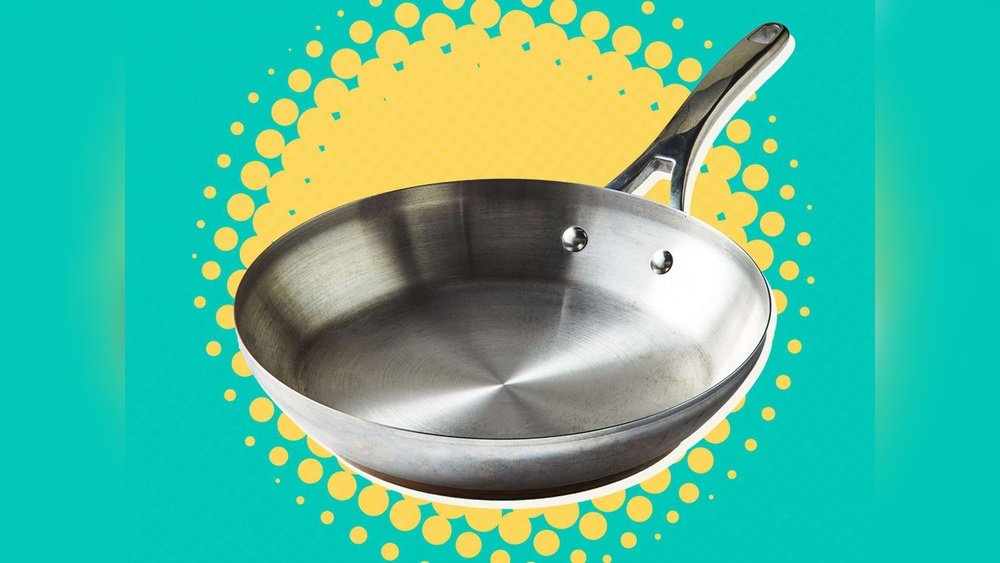
Stainless steel pans are a favorite in many kitchens for their durability, even heating, and stylish look. But if you’ve ever tried frying eggs or fish in one, you know the frustration of sticky messes and ruined food. While stainless steel is not naturally non stick, with the right steps, you can make your stainless steel pan act just like a non stick pan—without any chemical coatings.
This guide will show you how to transform your pan, why stainless steel is worth the effort, and how to avoid common mistakes. Whether you’re a beginner or want to improve your cooking, you’ll find clear steps and practical tips here.
Why Stainless Steel Pans Stick
Understanding why food sticks to stainless steel helps you avoid frustration. Stainless steel pans have a rough surface with tiny pores. When you heat the pan, these pores expand. If you add cold oil or food, the pores grip the food.
Proteins, especially in eggs and fish, bond with the metal, leading to sticking.
Another reason is not using enough oil, or cooking at the wrong temperature. Unlike non stick pans, stainless steel needs a proper temperature to create a natural barrier between the food and the metal.
The Science Behind Making Stainless Steel Non Stick
When you heat a stainless steel pan and add oil at the right temperature, you create a temporary non stick layer. The oil fills the pores, stopping food from touching the metal directly. This process is similar to seasoning a cast iron pan, but much quicker.
A well-heated, oiled stainless steel pan can fry eggs, sear fish, and cook pancakes without sticking. The result is a pan that’s as easy to use as non stick, but without the worries of chemical coatings.
Tools And Ingredients You’ll Need
Before you start, gather these items:
- Clean stainless steel pan (no coatings)
- Cooking oil (high smoke point: Canola, grapeseed, avocado, or sunflower oil)
- Paper towels or clean cloth
- Tongs (optional, for safety)
- Water (for testing pan temperature)
- Soap and sponge (for cleaning)
Avoid using olive oil for this method—it has a low smoke point and burns easily.
Step-by-step: How To Make Your Stainless Steel Pan Non Stick
Follow these steps for best results:
1. Clean Your Pan Completely
Any leftover food or oil residue will burn and make food stick. Wash your pan with warm, soapy water, scrubbing away any burnt pieces. Dry it thoroughly with a towel. Water droplets left on the pan can cause splattering later.
2. Preheat The Pan
Place the pan on the stove over medium heat. Wait 2-3 minutes. To check if it’s ready, try the water droplet test: flick a few drops of water onto the surface. If the water forms small beads that dance around, the pan is ready. If it sizzles and evaporates quickly, wait a bit longer.
Heating is critical. Too hot, and the oil will burn. Too cool, and food will stick.
3. Add Oil And Swirl
Pour in 1-2 teaspoons of high smoke point oil. Swirl the oil to cover the entire surface. The oil should shimmer but not smoke. Wait about 30 seconds, and make sure the oil is evenly distributed.
If you see the oil separating or smoking, the pan is too hot. Turn off the heat and let it cool, then wipe and start again.
4. Add Food At The Right Time
Place your food gently in the pan. Don’t move it right away. Let the food sit for 1-2 minutes before flipping or stirring. This helps a crust form, releasing the food naturally from the surface.
For delicate items like eggs or fish, patience is key. If the food sticks when you try to lift it, give it more time.
5. Clean And Repeat
After cooking, let the pan cool a bit, then wash with mild soap and a soft sponge. Avoid steel wool or harsh scrubbers—they scratch the surface and make sticking worse.
If you use your pan regularly, repeat this process each time. Over time, your pan becomes easier to use, and food will stick less.
Seasoning: A Deeper Way To Make Stainless Steel Non Stick
You can go further by seasoning your stainless steel pan. This is like adding a semi-permanent layer of oil, making it act even more like non stick.
How To Season A Stainless Steel Pan
- Clean your pan well and dry it completely.
- Place the pan on medium heat for 2-3 minutes.
- Add 1-2 tablespoons of high smoke point oil. Swirl to coat the whole surface, including the sides.
- Heat the pan until the oil just starts to smoke. Turn off the heat.
- Let the pan cool, then wipe away extra oil with a paper towel.
You can repeat this process 2-3 times for a stronger non stick effect. The pan will develop a slightly darker, shiny look. This is normal and shows the seasoning is working.
How Often Should You Season?
If you cook with your pan daily, season every few weeks or after deep cleaning. If you only use it sometimes, season once a month.
Comparing Stainless Steel To Non Stick And Cast Iron Pans
To understand the benefits, here’s a comparison:
| Feature | Stainless Steel | Non Stick | Cast Iron |
|---|---|---|---|
| Durability | Very high | Low to medium | Very high |
| Non Stick Ability | With proper use | Excellent | Excellent (when seasoned) |
| Oven Safe | Yes | Usually no | Yes |
| Maintenance | Medium | Low | High |
| Safe for Metal Utensils | Yes | No | Yes |
| Reactivity with Acidic Foods | No | No | Yes |
| Price | Medium to high | Low to medium | Medium |
Stainless steel pans are a great middle ground for most kitchens, especially if you want one pan for many uses.
Common Mistakes When Using Stainless Steel Pans
Even experienced cooks make these errors:
Cooking With The Wrong Oil
Always use a high smoke point oil. Oils like butter or extra virgin olive oil burn at lower temperatures and create a sticky residue.
Not Preheating The Pan
If you add oil to a cold pan, the oil will get absorbed unevenly. Food will stick, and you’ll have a hard time cleaning up.
Moving Food Too Soon
Give food time to form a crust. If you try to flip eggs or meat right away, they’ll tear and stick. When food is ready, it will release easily.
Using Too Much Or Too Little Oil
Too little oil means the surface isn’t coated. Too much oil can make food greasy and burn. Use just enough to cover the surface.
Cleaning With Abrasive Scrubbers
Steel wool and rough pads scratch the pan. Scratches make sticking worse over time.
Not Drying The Pan Properly
Water left on the pan can react with oil and food, making sticking worse. Always dry your pan after washing.
The Best Oils For Seasoning And Cooking
Not all oils are equal for making stainless steel non stick. Here’s a comparison:
| Oil Type | Smoke Point (°F) | Best Use |
|---|---|---|
| Canola Oil | 400 | Seasoning, frying |
| Grapeseed Oil | 420 | Seasoning, sautéing |
| Avocado Oil | 520 | High-heat cooking |
| Sunflower Oil | 440 | General cooking |
| Coconut Oil (refined) | 450 | Seasoning |
| Butter | 350 | Low-heat cooking only |
| Extra Virgin Olive Oil | 325-375 | Not for seasoning |
Choose the right oil based on your cooking style. For most people, canola or grapeseed oil is a safe choice.

Credit: thatothercookingblog.com
Practical Tips For Everyday Non Stick Cooking
Making your stainless steel pan non stick is only the first step. Here are tips to keep it that way:
Use The Right Utensils
Wooden, silicone, or plastic utensils are best for keeping the surface smooth. Metal utensils are okay but be gentle.
Cook In Batches
Don’t overcrowd your pan. Too much food lowers the temperature and causes sticking.
Adjust Heat As Needed
If food is browning too quickly or oil is smoking, turn down the heat. Stainless steel holds heat well, so it responds quickly.
Deglaze For Easy Cleaning
After cooking, pour a little water or broth in the hot pan. Scrape up brown bits with a spatula. This makes cleaning easier and adds flavor to sauces.
Store Pans Dry
After washing, wipe the pan dry and store it in a dry place. This prevents rust and keeps the surface smooth.
How To Clean And Maintain Non Stick Properties
Cleaning stainless steel is easy, but do it the right way to keep the non stick effect:
- Let the pan cool before washing.
- Use warm, soapy water and a soft sponge.
- For burnt-on food, soak the pan for 15-20 minutes, then scrub gently.
- For stubborn stains, make a paste of baking soda and water. Scrub gently.
- Rinse well and dry completely.
Avoid harsh chemicals and dishwasher cleaning. Both can damage the surface and remove your seasoning.
Troubleshooting: What To Do If Food Starts Sticking Again
If your pan starts sticking after a few uses, don’t worry. Here’s how to fix it:
- Wash and dry the pan completely.
- Repeat the seasoning process.
- Use the water droplet test before adding oil and food.
Sometimes, leftover soap or minerals from water can build up. Use a little vinegar to remove this, then rinse and dry.
Safety And Health Benefits Of Stainless Steel
Stainless steel is a safe choice for most kitchens. Unlike non stick pans with chemical coatings, stainless steel doesn’t release toxins at high heat. It’s also non-reactive, so it won’t affect the taste or nutrition of your food.
Some people worry about nickel or chromium leaching into food. For most people, this isn’t a problem. If you have a nickel allergy, look for pans labeled as “nickel-free.”
For more on stainless steel safety, see the Wikipedia page on stainless steel.
How To Choose A Good Stainless Steel Pan
If you’re shopping for a new pan, keep these tips in mind:
- Look for 18/10 stainless steel. This means 18% chromium and 10% nickel—great for rust resistance and shine.
- Choose a heavy-bottomed pan. It heats evenly and won’t warp.
- Check the handle. Riveted handles are sturdier than welded or glued ones.
- Avoid pans with non stick coatings if you want true stainless steel benefits.
Some brands add an aluminum or copper core for better heat distribution. This is a plus, not a flaw.
Real-life Example: Cooking Eggs Without Sticking
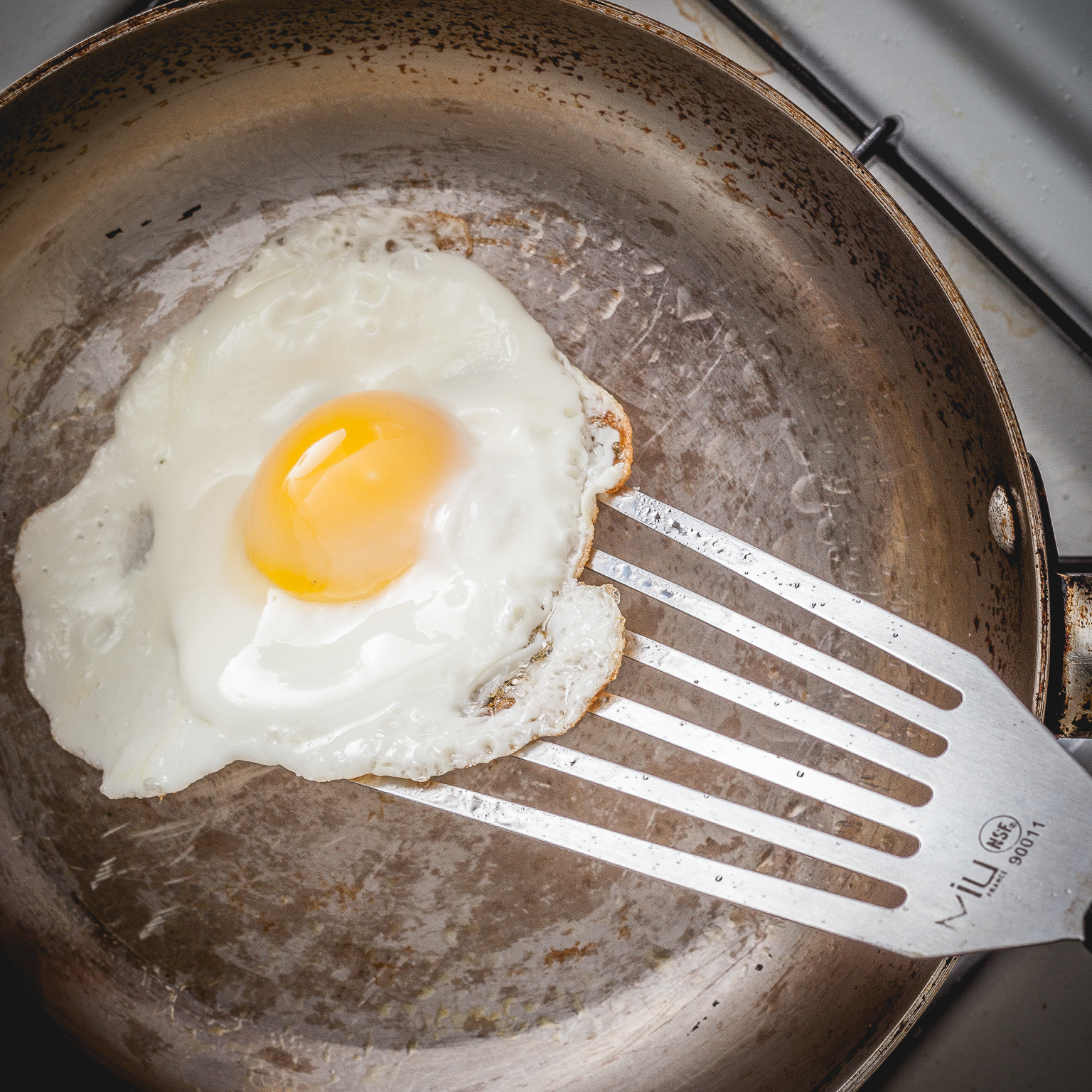
Let’s walk through a common test—cooking eggs.
- Preheat your pan on medium for 2-3 minutes.
- Do the water droplet test.
- Add 1 teaspoon of canola oil, swirl to coat.
- Crack an egg into the pan. Let it sit.
- After 1-2 minutes, slide a spatula under. The egg should release easily.
If it sticks, check your temperature or oil amount. Try again, adjusting as needed.
The Hidden Benefits: Why Bother With Stainless Steel?
Some beginners think stainless steel is too much work. But you gain:
- Better browning for meats and vegetables
- No chemicals or coatings to worry about
- Versatility (stove, oven, broiler safe)
- Long life—a quality stainless pan can last decades
Many chefs prefer stainless steel for these reasons.
Advanced Tips: Level Up Your Non Stick Skills
Ready to take it further? Try these:
Double Seasoning
After the first seasoning, wipe with a thin layer of oil and heat again. Repeat 2-3 times. This builds a stronger non stick layer.
Use Residual Heat
After you turn off the burner, let food sit for 1-2 minutes. The gentle heat helps finish cooking and prevents sticking.
Use Acid Carefully
Tomato sauce and vinegar can remove seasoning. If you cook acidic foods, re-season the pan afterward.
Polish With A Little Salt
If the pan looks dull, heat it dry, sprinkle with coarse salt, rub gently with a paper towel, then wipe clean.

Credit: www.theminichef.com
Comparing Home-seasoned Stainless Steel With Commercial Non Stick
Is home-seasoned stainless as good as commercial non stick? Here’s a quick look:
| Feature | Home-Seasoned Stainless | Commercial Non Stick |
|---|---|---|
| Longevity | 10+ years | 2-5 years |
| Heat Tolerance | Up to 600°F | Usually under 450°F |
| Best For | High-heat searing, browning | Delicate foods, low-fat cooking |
| Chemical Free | Yes | No |
| Maintenance | Medium | Low |
If you want a pan that lasts and doesn’t need replacing often, stainless steel is the winner.
Frequently Asked Questions
How Do I Make My Stainless Steel Pan Non Stick For Eggs?
Preheat the pan, use the water droplet test, add a thin layer of high smoke point oil, and let the egg cook without moving it for at least a minute. If eggs stick, try adjusting heat or oil amount.
Why Does Food Still Stick After Seasoning My Pan?
Common reasons are not heating enough, using the wrong oil, or cleaning with harsh scrubbers. Redo the seasoning process and avoid abrasive cleaning.
Can I Use Butter Or Olive Oil In A Stainless Steel Pan?
Yes, but only for low-heat cooking. Both burn at high temperatures and can cause sticking. For high-heat, use canola, grapeseed, or avocado oil.
How Often Should I Season My Stainless Steel Pan?
Season every few weeks if you use it daily, or after deep cleaning. If you notice sticking, season again.
Is Stainless Steel Safe For All Types Of Cooking?
Yes, stainless steel is safe, non-reactive, and great for all foods. If you have a nickel allergy, choose a nickel-free model.
Stainless steel pans can become non stick with the right technique. With a little practice, you’ll cook anything—eggs, fish, or meat—without frustration or sticking. Your pan will last for years, and your food will taste better, too.
Credit: thatothercookingblog.com