
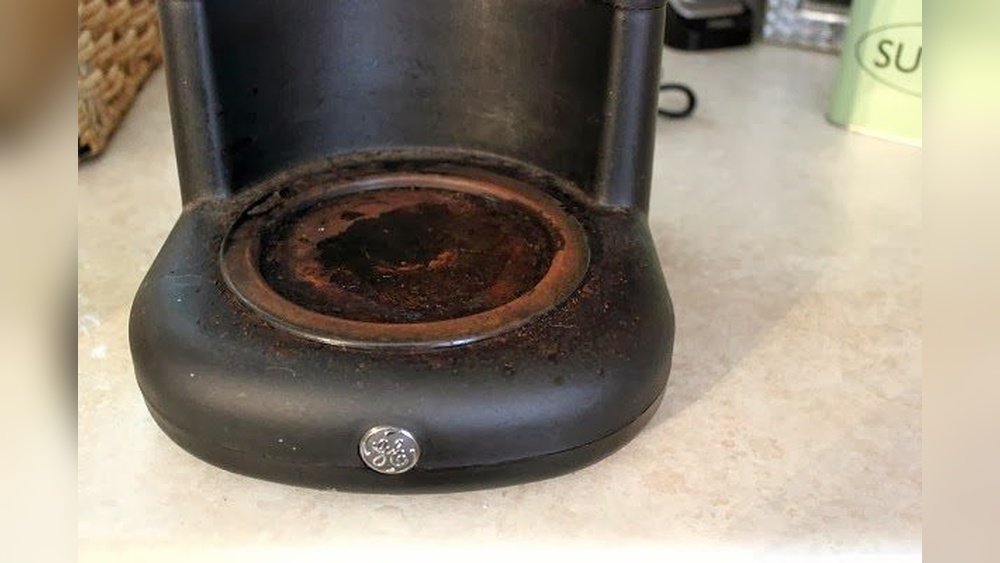
If you enjoy a hot cup of coffee every morning, you probably use your coffee maker daily. Over time, you might notice an orange-brown layer forming on the hot plate—the part that keeps your coffee warm. This is rust, and it can affect both the taste of your coffee and the life of your coffee maker. Many people ignore rust until it becomes a serious problem, but removing it early is simple if you know how. In this guide, you’ll learn how to remove rust from your coffee maker’s hot plate, why it happens, and how to prevent it in the future. You’ll also get tips that most beginners miss, so your machine stays in top shape.
Why Does Rust Form On Coffee Maker Hot Plates?
Coffee makers use metal hot plates to keep your coffee warm. These plates are often made from steel or aluminum, which are strong and conduct heat well. But these metals can react with water and air, leading to rust—especially if you spill coffee or water and don’t clean it up quickly.
The process is simple: water (from spills or steam) sits on the metal, then oxygen in the air reacts with the metal surface. Over time, this creates a reddish-brown layer. Even stainless steel can develop rust if it’s scratched or if it stays wet for too long.
Many people don’t realize that the main causes of rust are:
- Leaving the hot plate wet after brewing
- Coffee spills that aren’t cleaned up
- Using harsh cleaners that damage the surface
- Storing the coffee maker in humid places
Understanding these causes is the first step in keeping your machine rust-free.
Is Rust On A Coffee Maker Hot Plate Dangerous?
Seeing rust on your coffee maker’s hot plate can be worrying. Is it bad for your health? Should you stop using your machine immediately?
The short answer: small amounts of rust are usually not a serious health risk. If a little bit of rust touches your coffee pot, it won’t make your coffee unsafe. However, over time, rust can flake off and get into your coffee, which tastes bad and isn’t good for you. Also, rust weakens the hot plate, making it less effective and possibly shortening the life of your machine.
If you see a lot of rust, clean it off as soon as possible. If the hot plate is badly damaged or rusted through, it’s time to consider replacing your coffee maker.
Tools And Materials Needed
Before you begin, gather the right tools and materials. Using the right items makes the cleaning process easier and safer for your coffee maker.
You’ll need:
- Soft cloths or sponges (non-abrasive)
- Mild dish soap
- White vinegar
- Baking soda
- Lemon juice
- Plastic or wooden scraper (never metal)
- Small bowl
- Old toothbrush or soft brush
- Gloves (optional, to protect your hands)
- Paper towels
Some people use commercial rust removers, but these can leave chemicals behind. For coffee makers, it’s best to stick with safe kitchen ingredients.
Step-by-step: Removing Rust From Coffee Maker Hot Plate
Ready to clean your hot plate? Here’s the step-by-step method that works for most coffee makers. Each step is important, so don’t skip any.
1. Unplug And Cool Down
Safety first. Always unplug your coffee maker and let it cool completely before cleaning. Hot surfaces can burn you.
2. Remove Loose Debris
Wipe the hot plate with a dry soft cloth to remove dust, coffee grounds, or loose flakes of rust. This step helps avoid scratching the surface when you clean.
3. Make A Cleaning Paste
In a small bowl, mix two tablespoons of baking soda with enough water to make a thick paste. Baking soda is gentle but effective for rust.
If you want extra cleaning power, add a teaspoon of lemon juice or white vinegar. These acids help break down rust without damaging metal.
4. Apply The Paste
Spread the paste over the rusty areas of the hot plate. Use your fingers or a soft cloth. Let it sit for 10-15 minutes. This gives the ingredients time to work on the rust.
5. Scrub Gently
Using an old toothbrush or a non-abrasive sponge, gently scrub the rusty spots. Move in small circles, applying light pressure. Don’t use steel wool or metal brushes, which can scratch the plate and make rust come back faster.
6. Wipe Clean
Wipe away the paste and loosened rust with a damp cloth. Check if the rust is gone. If some spots remain, repeat the process.
7. Tackle Tough Spots
For stubborn rust, pour a small amount of white vinegar directly on the spot. Let it fizz for 5 minutes, then scrub again. Vinegar is a weak acid that dissolves rust but is safe for most coffee makers.
If you still see rust, try the paste again or leave it on longer—up to 30 minutes for heavy buildup.
8. Rinse And Dry
Wipe the hot plate thoroughly with a clean, damp cloth to remove any cleaner. Then dry with a paper towel or let air dry. Never leave the hot plate wet, as this encourages rust to return.
9. Test And Reassemble
Plug your coffee maker back in (if you removed any parts, put them back first). Run a brew cycle with just water (no coffee) to make sure everything works and there’s no leftover cleaner smell.
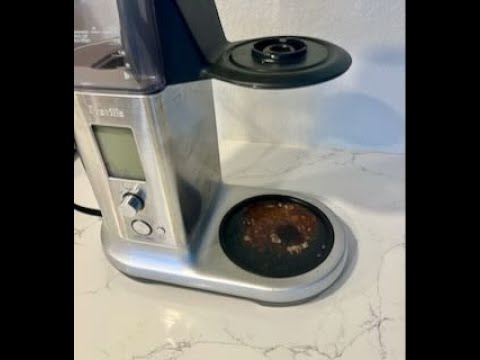
Credit: www.youtube.com
Alternative Methods For Rust Removal
Some rust stains are stubborn, or you may prefer a different cleaning approach. Here are other safe, effective methods.
Using Lemon And Salt
Lemon juice’s citric acid is a natural rust remover. Sprinkle coarse salt on the rusty area, then squeeze lemon juice over it. Let sit for 10 minutes, then scrub with a soft brush. The salt acts as a gentle abrasive.
Commercial Rust Removers
There are products made specifically for removing rust from kitchen appliances. If you choose one, read the label to be sure it’s food-safe and rinse very well. Never use harsh chemicals on surfaces that touch food or drink.
Aluminum Foil Method
Crumple a small piece of aluminum foil, dip it in water or vinegar, then rub gently on the rust. Foil is softer than steel and can remove light rust without scratching. This trick is used for car bumpers and works for hot plates too.
Comparison Of Rust Removal Methods
Here’s a quick look at how these methods compare:
| Method | Effectiveness | Safety | Ease of Use |
|---|---|---|---|
| Baking Soda Paste | High | Very Safe | Easy |
| Lemon and Salt | Medium | Very Safe | Easy |
| White Vinegar | High | Safe | Easy |
| Commercial Remover | Very High | Check Label | Moderate |
| Aluminum Foil | Medium | Safe | Moderate |
Cleaning Frequency: How Often Should You Clean The Hot Plate?
Many people only clean the hot plate when they see stains. But regular cleaning helps prevent rust and keeps your coffee tasting fresh.
- Light cleaning: Wipe the hot plate with a damp cloth after each use to remove spills.
- Deep cleaning: Use baking soda or vinegar once a month even if you don’t see rust. This prevents buildup.
- Inspect regularly: Check for signs of rust or discoloration every week. Early rust is much easier to remove.
Credit: www.reddit.com
How To Prevent Rust From Returning
Cleaning rust is just half the battle. Preventing it from coming back is even more important. Here’s how:
- Wipe Dry After Each Use: Never leave water or coffee sitting on the hot plate.
- Avoid Harsh Scrubbers: Steel wool and metal brushes scratch the surface, making it easier for rust to form.
- Store in a Dry Place: Humidity speeds up rust. If your kitchen is humid, consider using a small dehumidifier.
- Use a Pot with a Dry Bottom: Before placing the coffee pot back, make sure the bottom is dry so water doesn’t drip on the plate.
- Don’t Overfill: Avoid overfilling your coffee pot, which causes spills.
- Check for Scratches: If the hot plate gets scratched, rust forms more easily. Be gentle when cleaning.
When To Replace Your Coffee Maker Hot Plate
Sometimes, cleaning isn’t enough. If your hot plate is deeply pitted, cracked, or rusted through, it may not heat evenly or safely. Most coffee makers don’t allow you to replace just the hot plate, so you might need a new machine.
Here’s how to know it’s time:
- Rust returns soon after cleaning
- Plate is warped or doesn’t heat evenly
- Large flakes of metal come off
- Coffee tastes metallic even after cleaning
If you see these signs, consider replacing the whole coffee maker for safety and better coffee.
Real-world Example: Fixing A Rusty Hot Plate
Let’s look at a real situation. Maria, a coffee lover, noticed her hot plate had orange spots. She cleaned it with soap, but the rust came back. She tried baking soda and vinegar, and the rust disappeared for a while, but returned after a week.
Maria’s mistake? She kept placing her wet coffee pot back on the plate after washing it. She also lived in a humid area and left her machine plugged in, which kept the plate warm and moist. After learning these points, she started drying the pot and the plate every time and unplugged her coffee maker after use.
The rust never returned.
Insight: Cleaning removes rust, but changing habits prevents it.
Rust Removal: Common Mistakes To Avoid
Some cleaning mistakes can make rust worse. Watch out for these:
- Using steel wool or metal brushes: These scratch the hot plate, making new rust form quickly.
- Leaving cleaner on the plate: Residue can burn or damage the surface during heating.
- Not drying after cleaning: Wet surfaces rust faster.
- Using strong chemicals: Some cleaners can damage metal or leave harmful residues.
Tip: Always rinse and dry the hot plate carefully after cleaning.
Does Rust Affect Coffee Flavor?
Yes, it can. Rust tastes metallic and bitter. If rust flakes get into your coffee, you’ll notice a change in taste. Also, a rusty plate may heat unevenly, making your coffee less hot or even burnt in some spots.
For the best coffee flavor, keep your hot plate clean and rust-free.
Coffee Maker Hot Plate Materials: Which Rusts More?
Not all hot plates are the same. Here’s a comparison of common materials used and their rust resistance:
| Material | Rust Resistance | Durability | Care Needed |
|---|---|---|---|
| Stainless Steel | High | Very Good | Medium |
| Aluminum | Medium | Good | Low |
| Coated Steel | Depends on Coating | Good | High |
| Cast Iron | Low | Excellent | High |
Insight: Stainless steel is best for resisting rust, but even it needs regular care. Coated plates are easy to clean, but if the coating chips, rust forms quickly.
Eco-friendly Rust Removal: Why It Matters
Using natural cleaners like baking soda and vinegar is better for you and the environment. Commercial rust removers may work faster, but they often contain chemicals that aren’t food-safe. Plus, natural methods are cheaper and easy to find in any kitchen.
Many people don’t realize that harsh chemicals can also corrode the hot plate, making it rust faster later. Sticking with simple, eco-friendly options is usually best.
How Long Does Rust Removal Take?
The total time depends on how much rust you have. For light rust, cleaning takes 15-20 minutes. For heavy buildup, you may need up to an hour with repeated applications.
The key is to let the cleaning paste or vinegar sit long enough. Scrubbing too soon does less and can scratch the plate.
Can You Use The Coffee Maker Right After Cleaning?
It’s safe to use your coffee maker after cleaning the hot plate, but run a test cycle with plain water first. This rinses away any leftover cleaner and ensures there’s no odd smell or taste.
If you used vinegar or lemon juice, this step is especially important. Let the hot plate cool before starting the test cycle to avoid damage.
How To Keep Your Coffee Maker In Good Shape
A clean hot plate is just one part of coffee maker care. Here are a few more tips:
- Descale your coffee maker every 2-3 months to remove mineral buildup inside.
- Clean the pot and filter basket regularly.
- Replace water filters if your machine has them.
- Use filtered water to reduce mineral and rust buildup.
Costs: Cleaning Vs. Replacing
Many people wonder if cleaning is worth it or if they should just buy a new coffee maker. Let’s compare:
| Option | Upfront Cost | Time Required | Longevity |
|---|---|---|---|
| Cleaning (DIY) | Less than $5 (for supplies) | 30-60 minutes | Adds 1-2 years |
| New Coffee Maker | $30 – $150+ | Instant (after purchase) | 5+ years (with care) |
Cleaning is much cheaper and can extend the life of your machine by a year or two. If rust keeps returning, it might be time for a new coffee maker.
What If The Rust Won’t Come Off?
If you follow all these steps and rust still won’t come off, check if the hot plate is coated. Some non-stick coatings can stain or discolor without being true rust. If you’re unsure, check your coffee maker’s manual or look up the model online.
For stubborn rust, you can try leaving vinegar or baking soda paste on longer, but if the metal is pitted or flaking, replacement is safest. Never use strong acids or sharp tools, as these can damage the plate and make your coffee taste bad.

Credit: www.reddit.com
When To Call A Professional
Most coffee maker hot plates are not designed to be repaired or replaced separately. If you have a very expensive or commercial coffee machine, there may be service options. For most home machines, cleaning is your best bet.
If you’re not sure, contact the manufacturer or check their website. Some companies offer replacement parts or advice. For more information, you can visit the Consumer Reports Coffee Maker Guide.
Frequently Asked Questions
What Causes Rust To Form On My Coffee Maker’s Hot Plate?
Rust forms when water and air react with the metal surface of the hot plate. Spills, steam, and leaving the plate wet after brewing are the main reasons. Even stainless steel can rust if it’s scratched or stays damp.
Is It Safe To Use A Coffee Maker With A Rusty Hot Plate?
Small amounts of rust are not usually dangerous, but it’s best to remove it. Large amounts of rust can flake off into your coffee and make it taste bad or damage the machine.
Can I Use Commercial Rust Removers On My Coffee Maker Hot Plate?
You can, but choose one labeled as food-safe. Rinse the plate very well after cleaning. Natural cleaners like baking soda and vinegar are safer for most coffee makers.
How Can I Prevent Rust From Returning After Cleaning?
Dry the hot plate after every use, avoid scratching it, and don’t let water or coffee sit on the surface. Store the coffee maker in a dry place and check for rust regularly.
When Should I Replace My Coffee Maker Instead Of Cleaning The Hot Plate?
Replace your coffee maker if the hot plate is deeply pitted, rusted through, or heating unevenly. If rust keeps coming back soon after cleaning, it’s a sign the metal is too damaged.
Keeping your coffee maker’s hot plate clean and rust-free is simple with the right steps and habits. Regular cleaning, drying, and gentle care will help your machine last longer and make your coffee taste its best. Don’t wait until rust becomes a big problem—start today, and enjoy every cup!