
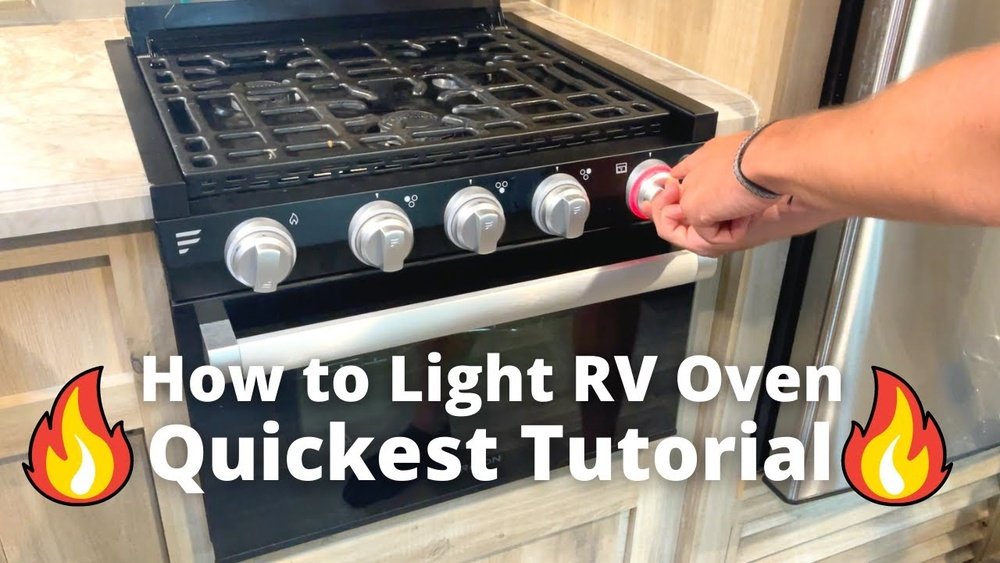
Lighting a Furrion oven may seem simple, but for many RV owners and first-time users, it can be confusing and even frustrating. This type of oven is popular in recreational vehicles, campers, and some tiny homes because it’s compact and energy-efficient. However, the controls and ignition process are different from the ovens you find in most homes. If you’re struggling to get your Furrion oven working, you’re not alone. Understanding how to light it safely and efficiently is important for both your comfort and your safety.
This guide will walk you through every step of lighting a Furrion oven, explain how it works, and help you troubleshoot common problems. You’ll also find practical tips for better cooking results and caring for your oven. Whether you’re a new RV owner or just new to this brand, you’ll soon feel confident using your Furrion oven every day.
Understanding Your Furrion Oven
Before lighting your oven, it helps to know how it works and what makes it different from other ovens. Furrion ovens are designed for small spaces and use propane gas as fuel. They have a safety system that prevents gas from leaking if the flame goes out. Most models include a stovetop, an oven compartment, and a broiler section.
The main parts you’ll use are:
- Control knobs (for the burners and oven)
- Oven temperature dial (to set the temperature)
- Igniter button (for lighting the oven)
- Glass door (to watch your food)
- Oven racks (for placing food trays)
Unlike home ovens, Furrion ovens do not have electric starters but use a manual or piezo igniter. The oven’s pilot light must be lit before you can bake or broil. This setup saves energy and is reliable in mobile living situations.
Key Differences From Home Ovens
- No automatic pilot – You must light the pilot each time.
- Propane-based – Different heat and smell compared to electric or natural gas ovens.
- Manual ignition – Needs user action to start, which can be tricky in cold or windy conditions.
Understanding these points will help you avoid mistakes and use your oven safely.
Safety Precautions Before Lighting
Safety comes first when working with propane gas appliances. Take time to check a few things before lighting your Furrion oven:
- Check for gas leaks. Smell around the oven for any gas odor. If you smell gas, do not light the oven. Open windows, leave the area, and have the system checked by a professional.
- Inspect connections. Make sure the propane tank is securely connected and the valve is open.
- Ventilate the space. Open a window or vent to let fresh air in, especially if you’re in a small RV.
- Remove flammable items. Keep towels, papers, and cleaning products away from the oven.
- Read your manual. Each Furrion model may have small differences. Your manual will have model-specific details.
Taking these steps can prevent accidents and ensure a smooth lighting process.

Credit: www.lippert.com
Step-by-step: How To Light A Furrion Oven
Lighting a Furrion oven is a bit different than lighting a regular home oven. Here’s a clear, step-by-step process to get your oven started:
1. Prepare The Oven
- Make sure the propane tank is open.
- Remove any items inside the oven.
2. Locate The Controls
- Find the oven knob (usually marked with an oven icon).
- Find the igniter button (sometimes labeled “PUSH” or “IGNITE”).
3. Set The Oven Knob
- Push the oven knob in and turn it to the “PILOT” position.
- Hold the knob in; this lets gas flow to the pilot light.
4. Ignite The Pilot Light
- While holding the knob in the “PILOT” position, press the igniter button several times.
- Look through the small glass window near the bottom of the oven or open the oven door slightly to see if the pilot flame appears.
- If the pilot does not light after 3–5 tries, wait a minute and try again. This allows gas to clear and prevents a flare-up.
5. Keep Holding The Knob
- Once the pilot flame is lit, keep holding the oven knob in for 10–15 seconds. This warms up the safety thermocouple, which keeps the gas flowing.
- If you release the knob too soon, the pilot may go out.
6. Set Your Cooking Temperature
- Slowly release the oven knob. If the pilot stays lit, turn the knob to your desired temperature setting.
- The oven burner should ignite with a “whoosh” sound and the oven will begin to heat.
7. Begin Cooking
- Let the oven preheat for 5–10 minutes.
- Place your food inside and close the door.
8. Turning Off The Oven
- When finished, turn the oven knob to the “OFF” position.
- This shuts off gas to both the burner and the pilot.
Example Scenario
Imagine you’re baking cookies in your RV. You open the propane valve, set the oven knob to “PILOT,” hold it in, and click the igniter. After a few clicks, a small blue flame appears. You wait 12 seconds, release the knob, and turn it to 350°F.
The oven burner lights up, and after a short preheat, you’re ready to bake.
Lighting Troubleshooting Guide
Sometimes the Furrion oven doesn’t light as expected. These are common problems and how to solve them:
Problem: Pilot Won’t Light
- Possible causes: No gas flow, air in the gas line, igniter not sparking.
- Solutions: Check if the propane tank is full and the valve is open. Bleed air from the line by turning on a stovetop burner for a few seconds. Make sure the igniter is making a clicking sound and sparking.
Problem: Pilot Lights, Then Goes Out
- Possible causes: Thermocouple not warm, holding knob too short, draft blowing flame out.
- Solutions: Hold the oven knob in longer (12–15 seconds). Make sure no cold drafts or fans are blowing on the pilot. Clean dust from the pilot area.
Problem: Weak Or Yellow Flame
- Possible causes: Low gas pressure, dirty pilot, regulator issue.
- Solutions: Check the propane level. Clean the pilot with a small brush or compressed air. Replace or adjust the regulator if pressure is low.
Problem: Burner Doesn’t Ignite After Pilot Is Lit
- Possible causes: Oven knob not set correctly, faulty thermostat.
- Solutions: Double-check the oven knob is turned from “PILOT” to your desired temperature. If the burner still does not light, the thermostat may need service.
When To Get Help
If you continue to have problems after checking these steps, contact a certified RV technician. Never try to repair gas lines or internal components yourself.
How The Furrion Oven Ignition System Works
A Furrion oven uses a manual ignition system with a piezo spark igniter. When you push the igniter button, a small spark lights the gas at the pilot. The thermocouple is a safety part that senses the flame. If the flame goes out, the thermocouple cools and shuts off gas flow to prevent leaks.
Here’s a look at the ignition sequence:
- Gas flows to the pilot when the knob is held in “PILOT.”
- Igniter button creates a spark at the pilot.
- Pilot flame heats the thermocouple.
- Release knob—if the thermocouple is hot, gas keeps flowing.
- Turn knob to set cooking temperature; main burner ignites.
This system is simple, reliable, and does not need electricity. However, it does require attention to each step.
Common Mistakes To Avoid
Even experienced RV users make mistakes with Furrion ovens. Here are errors to avoid:
- Skipping the preheat. Furrion ovens heat slowly. Always preheat for best results.
- Not holding the pilot knob long enough. The thermocouple needs time to sense heat.
- Forgetting to open the propane valve. No gas means no flame.
- Trying to light with a wet igniter. Moisture can block the spark.
- Using the wrong lighter. Never use matches or lighters near the pilot; use the built-in igniter for safety.
- Placing foil under the burner. This can block air flow and make the oven unsafe.
Cooking Tips For Furrion Ovens
Cooking in a Furrion oven is different from using a home oven. The space is smaller, the heat is more direct, and the temperature may not be as even. Here are some tips for better results:
- Rotate food halfway through baking for even cooking.
- Use an oven thermometer to check the real temperature. Furrion oven dials can be off by 25–50°F.
- Place a pizza stone or unglazed tile on the lowest rack to help even out heat.
- Do not overload the oven; air must circulate around the food.
- Bake on the middle rack for best results.
- For delicate items, turn the oven off a few minutes before the end—the residual heat will finish the job.
- Clean up spills right away to avoid smoke and odors.
Cleaning And Maintenance
Proper care keeps your Furrion oven working well and safe to use.
Cleaning Steps
- Wait until cool. Never clean a hot oven.
- Remove racks and wash with soap and water.
- Wipe the oven interior with a damp cloth. Use mild detergent for tough spots.
- Clean the glass door with a glass cleaner or vinegar-water mix.
- Check the pilot assembly for dust and wipe gently with a dry brush.
- Do not use oven sprays or harsh chemicals. These can damage surfaces and create odors.
Maintenance Tips
- Test the igniter every few weeks by clicking it with the oven off.
- Inspect the pilot for dust or spider webs, which can block gas flow.
- Check the propane connections for leaks using soapy water (bubbles show a leak).
- Replace batteries in your carbon monoxide detector often.
- Have a professional check the oven yearly.

Credit: www.youtube.com
Comparing Furrion Oven Models
Not all Furrion ovens are exactly the same. Here is a basic comparison of two popular models to help you understand differences:
| Feature | Furrion 2-in-1 Range Oven | Furrion Chef Collection Oven |
|---|---|---|
| Oven Capacity | 1.24 cu. ft. | 1.36 cu. ft. |
| Burner BTU | 7,100 | 8,000 |
| Ignition Type | Piezo | Piezo |
| Oven Light | No | Yes |
| Broiler Function | Yes | Yes |
This table can help you identify your own oven and use the right lighting procedure.
Comparing Furrion Oven With Other Rv Ovens
To see why Furrion is popular, let’s compare it to two other common RV oven brands:
| Feature | Furrion Oven | Suburban RV Oven | Dometic RV Oven |
|---|---|---|---|
| Ignition | Manual Piezo | Manual | Manual |
| Oven Capacity | 1.24–1.36 cu. ft. | 1.1 cu. ft. | 1.2 cu. ft. |
| BTU Output | 7,100–8,000 | 6,000 | 7,000 |
| Ease of Lighting | Easy | Average | Average |
| Heat Distribution | Better | Average | Good |
This shows Furrion ovens are user-friendly and offer strong performance for the size.
How To Improve Oven Performance
Many users want better baking results. Here’s how to get the most from your Furrion oven:
- Use an oven thermometer. The built-in dial is often inaccurate.
- Preheat longer. RV ovens take more time to heat than home ovens.
- Add a baking stone. This spreads heat more evenly and prevents burnt bottoms.
- Check door seals. Leaky doors let heat escape and ruin baking.
- Avoid opening the door. Each time you check food, heat escapes and the oven cools down.
- Clean regularly. Even a thin layer of grease can change how heat spreads.
Upgrades And Accessories
A few simple upgrades can make your Furrion oven more enjoyable:
- Oven thermometer. Helps you know the real temperature.
- Pizza/baking stone. Balances heat across the oven floor.
- Extra racks. Useful for baking multiple items at once.
- Silicone baking mats. Prevent sticking and make clean-up easy.
- Oven thermometer with alarm. Alerts you if the temperature drops or spikes.
Safety Features In Furrion Ovens
You may wonder how safe it is to use a propane oven in a small RV. Furrion ovens include several safety features:
- Thermocouple shut-off. Stops gas flow if the pilot goes out.
- Sealed burners. Reduces risk of spills entering the flame area.
- Sturdy oven racks. Prevent tipping and accidents.
- Heat-resistant knobs. Don’t get hot during use.
- Glass door with gasket. Keeps heat in and prevents burns.
Still, always use a carbon monoxide detector in your RV for extra safety.
Real-world User Insights
After talking with several RV owners, a few non-obvious insights came up:
- Altitude matters. At high altitudes (above 5,000 feet), propane burns differently. You may need to adjust cooking times or ask a technician to adjust the air mixture.
- Igniter wear and tear. After a few years, the igniter may not spark as well. Carry a spare or learn how to light the pilot with a long butane lighter (if your model allows).
- Power outages don’t stop you. Because the oven is manual, you can cook even if your RV loses electricity.
- Pilot cleaning is critical. Even a small amount of dust or pet hair can block the pilot and cause lighting failures.
When Your Oven Needs Professional Service
Some issues are best left to a professional:
- Gas smell that won’t go away
- Oven won’t stay lit, even after cleaning
- Visible damage to gas lines or connections
- Knobs that are loose or broken
Do not ignore these problems. Schedule a service call with a qualified RV technician.
Where To Find Official Manuals And Support
If you’ve lost your Furrion oven manual, you can usually find it online. Visit the official Furrion support website or check your RV manufacturer’s site. Manuals have model-specific diagrams, part numbers, and safety warnings. For more details, see the official Furrion support page.

Credit: www.lippert.com
Frequently Asked Questions
How Do I Know If My Furrion Oven Pilot Light Is Lit?
Look for a small blue flame at the bottom of the oven, near the pilot assembly. You can also feel gentle warmth coming from the area after a few seconds. If you don’t see a flame, repeat the ignition steps.
Why Does My Furrion Oven Take Longer To Heat Up Than My Home Oven?
Furrion ovens are smaller and use less powerful propane burners. They may take 10–15 minutes to reach common baking temperatures (350–400°F). Preheat longer for more even results.
Is It Safe To Leave The Pilot Light On All The Time?
No, you should turn the oven knob to “OFF” when not using the oven. Leaving the pilot on wastes propane and can be unsafe in a small RV.
What Should I Do If I Smell Gas While Trying To Light The Oven?
Stop immediately, turn off the gas supply, and open windows. Do not ignite anything. Leave the area and have your system checked by a professional before using again.
Can I Use A Lighter Or Matches To Light My Furrion Oven?
Most Furrion ovens are designed for the built-in igniter. If the igniter fails and your model allows, you may use a long butane lighter—but check your manual to be sure. Never use regular matches near the pilot area.
Lighting a Furrion oven doesn’t have to be stressful. With the right steps, proper care, and a little practice, you can enjoy reliable baking and cooking wherever your travels take you. Remember to follow safety guidelines, clean regularly, and upgrade your oven for the best results.
If you ever have doubts, consult your manual or a professional technician. Happy cooking!