
Keeping your KitchenAid dishwasher clean is not just about looks—it’s about performance and hygiene. Many people believe their dishwasher cleans itself with every cycle, but that’s not true. Over time, grease, soap scum, and food particles build up inside. This can cause strange smells, cloudy dishes, and even poor cleaning results.
If you want your dishwasher to last longer and keep your dishes spotless, regular cleaning is a must.
But how do you clean a KitchenAid dishwasher the right way? It’s more than just wiping the outside. From the filter to the spray arms, every part needs attention. Even people who use their dishwasher daily often miss key spots.
In this guide, you’ll learn step-by-step how to clean every part of your KitchenAid dishwasher, which products to use (and avoid), and simple habits that keep your machine running at its best. Whether you’re dealing with a funky odor, hard water stains, or just want to prevent problems, this article will make the process clear and manageable.
By the end, you’ll know exactly what to do and why each step matters.
Why Regular Cleaning Matters
Many people don’t realize how much a dirty dishwasher can affect their daily life. A dirty dishwasher can cause several problems:
- Unpleasant smells that spread in your kitchen
- Cloudy or spotted dishes even after washing
- Poor drying performance because vents are blocked
- Bacteria and mold growth in hidden areas
- Expensive repairs or early breakdowns
Studies show that dishwashers with regular cleaning last up to twice as long as those that are neglected. The small effort you put in can save you hundreds of dollars and many headaches.
Not cleaning your dishwasher also means germs and mold can spread to your dishes. Even if your plates look clean, they may still carry bacteria if the machine is dirty. Over time, this can affect your family’s health. If you ever notice a musty or sour smell after a wash, that’s a sign bacteria or mold has started to grow.
Taking care of your dishwasher keeps your kitchen healthier and your food safer.
Another thing people often miss: a dirty dishwasher uses more energy and water. Clogged parts force the machine to work harder, which increases your utility bills. By cleaning regularly, you actually save money on both repairs and daily use.
Understanding Kitchenaid Dishwasher Parts
Before you start cleaning, it helps to know the main parts inside your KitchenAid dishwasher. This way, you won’t miss any hidden spots. Here’s a quick overview:
| Part | Function | Where to Find It |
|---|---|---|
| Filter | Catches food and debris | Bottom center, under spray arm |
| Spray Arms | Spray water to clean dishes | Bottom and middle racks |
| Door Seal | Keeps water inside | Around the inner edge of the door |
| Detergent Dispenser | Holds soap and rinse aid | Inside door |
| Drain | Removes dirty water | Bottom of tub, near the filter |
Knowing these parts helps you target your cleaning for best results. For example, the filter is easy to forget but is the number one place where debris gathers. The spray arms may look clean but can clog inside, causing weak water pressure.
The door seal is a hidden spot where mold likes to grow—if it’s not wiped often, you might get leaks or bad smells. Understanding the function of each part also helps when you troubleshoot issues. If your dishes are not coming out clean, you’ll know exactly which part to check first.
What You Need To Clean Your Kitchenaid Dishwasher
You don’t need fancy tools. Most supplies are already in your home:
- White vinegar (for removing odors and limescale)
- Baking soda (for deodorizing and gentle scrubbing)
- Dish soap (mild, not harsh)
- Soft brush or old toothbrush
- Microfiber cloths or soft sponges
- Toothpick or small pipe cleaner (for spray arms)
- Optional: Dishwasher cleaner tablet (only if approved for KitchenAid)
Avoid using bleach unless your manual recommends it. Bleach can damage stainless steel and rubber parts.
You might also want to keep a small bowl and a flashlight handy. A bowl helps with soaking parts like the filter or spray arms, and a flashlight lets you see inside dark corners, especially near the drain. For tough stains, a plastic scraper (like an old credit card) can remove buildup without scratching.
Never use steel wool or scouring pads, as these can scratch the interior and create places for bacteria to hide.
Step-by-step: Deep Cleaning Your Kitchenaid Dishwasher
A good deep cleaning is needed every 1-3 months, depending on how much you use your dishwasher. Here’s how to do it:
1. Empty The Dishwasher Completely
Always start with a dishwasher that’s empty. Remove all racks if possible. This gives you better access to hidden areas.
If your racks are dirty or sticky, you can wash them in warm, soapy water in the sink. Check for any trapped food or grease on the wheels or corners. Dry them well before putting them back in to prevent mold growth.
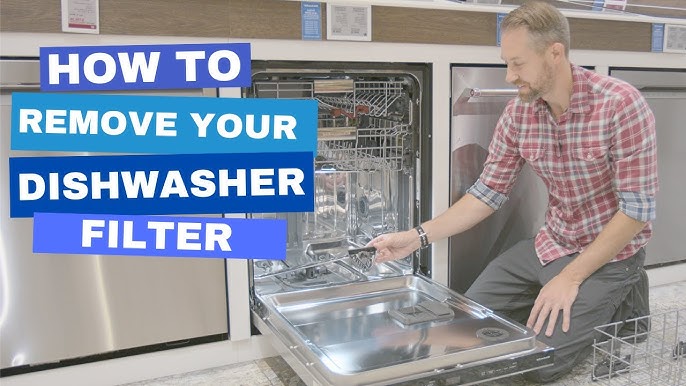
2. Clean The Filter
The filter is the most important part to clean. If it’s clogged, your dishwasher will not clean well.
- Find the filter at the bottom center. It usually twists to unlock.
- Take out the filter. Rinse it under hot water.
- Use a soft brush and a little dish soap to scrub away grease and debris.
- Check for any stuck-on food and remove it gently.
- Rinse well and put the filter back in place. Make sure it clicks in securely.
Non-obvious tip: Don’t use a wire brush or anything sharp. This can damage the mesh.
For extra cleaning, soak the filter in a bowl of warm, soapy water for 10–15 minutes before scrubbing. If you notice a greasy film on the filter, a few drops of vinegar can help break it down. A clean filter keeps the pump safe and ensures water flows smoothly, so never skip this step.
3. Unclog And Clean The Spray Arms
Spray arms have tiny holes that can get blocked by food or limescale.
- Remove the bottom and middle spray arms if your model allows.
- Rinse under running water.
- Use a toothpick, small brush, or pipe cleaner to poke out any debris from the holes.
- Spin the arms in your hand. If they don’t move freely, soak them in vinegar for 20 minutes to dissolve limescale.
- Rinse and put them back in place.
Many people forget that the spray arms need to rotate freely to clean dishes well. Test each arm by spinning it in place—if it sticks, double-check for hidden debris. If you have hard water, soaking the arms in vinegar every few months prevents buildup.
Sometimes, a piece of rice or a seed can block the holes—removing this makes a big difference in cleaning power.
4. Wipe The Door Edges And Seal
Dirt and mold love to grow in the rubber seal around the door.
- Mix equal parts vinegar and water.
- Dip a cloth in the mix and wipe the seal, paying close attention to folds and corners.
- For stubborn grime, use a toothbrush.
- Dry with a clean cloth.
Extra insight: Cleaning the seal prevents leaks and keeps your kitchen odor-free.
Some seals have a lip or groove where gunk hides. Pull the seal back gently and wipe inside. If you see black spots, that’s mold—clean it right away to stop it spreading. Keeping the seal clean also helps the door close tightly, preventing water from escaping during cycles.
5. Clean The Detergent And Rinse Aid Dispenser
Soap can build up around the dispenser and block the door.
- Open the dispenser. Use a damp cloth and, if needed, a toothbrush to scrub away residue.
- Check the hinges and edges for sticky buildup.
- Wipe dry.
A sticky dispenser can cause detergent to release at the wrong time, leaving dishes dirty. If you notice your soap isn’t dissolving, check for dried-on detergent inside the compartment. Occasionally, remove the cover (if possible) for a deeper clean.
6. Check And Clean The Drain
A blocked drain causes bad smells and standing water.
- Remove the bottom rack.
- Look for debris near the drain area (such as glass, food, or paper).
- Wipe with a cloth. Never use sharp objects.
If you see water pooling, call a professional—this may need expert help.
Shine a flashlight into the drain to spot hidden debris. Sometimes small items, like a piece of broken glass or bone, can cause blockages. If you find something that’s hard to reach, use tweezers or pliers, not your fingers.
7. Clean The Inside With Vinegar
Vinegar breaks down grease and removes odors.
- Place a cup of white vinegar in a dishwasher-safe bowl or measuring cup on the top rack.
- Run a hot water cycle (without detergent or dishes).
This cleans the tub, spray arms, and pipes.
For extra cleaning, pause the cycle halfway and let the hot, steamy vinegar sit inside for 15–20 minutes. This loosens stubborn deposits. Make sure not to mix vinegar with bleach or other chemicals.
8. Deodorize With Baking Soda
Baking soda removes any last odors and whitens the interior.
- Sprinkle 1 cup of baking soda evenly on the bottom of the tub.
- Run a short hot water cycle.
Your dishwasher will smell fresh and look brighter.
If you notice stains or discoloration, you can make a paste with baking soda and water, spread it on the spots, let it sit for 10 minutes, then wipe clean before running the rinse cycle.
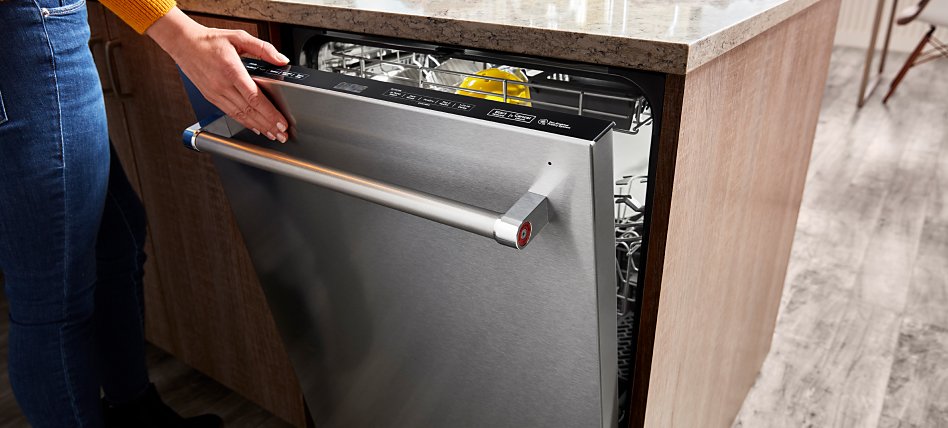
9. Clean The Exterior
For the outside, use a soft cloth and mild soap.
- Wipe the door, handle, and control panel.
- For stainless steel, wipe in the direction of the grain to avoid streaks.
- Dry with a clean cloth.
For glossy finishes, a mix of water and vinegar gives a shine without smudges. Be careful with buttons or displays—use a barely damp cloth, never spray water directly.
10. Optional: Use A Dishwasher Cleaner Tablet
If you want, you can use a dishwasher cleaner that’s approved by KitchenAid.
- Follow package instructions.
- Only use if your manual says it’s safe.
These tablets are powerful and helpful if you have tough stains or grease that won’t go away with home remedies. Use them only as directed, as overuse can damage some parts.
Cleaning The Kitchenaid Dishwasher: Frequency Guide
How often should you clean each part? Here’s a helpful timeline:
| Part | Recommended Cleaning Frequency |
|---|---|
| Filter | Every 2-4 weeks |
| Spray Arms | Every 2-3 months |
| Door Seal | Monthly |
| Detergent Dispenser | Monthly |
| Drain | Monthly |
| Interior Deep Clean | Every 1-3 months |
| Exterior | As needed |
Non-obvious insight: If you run your dishwasher daily, you may need to clean more often, especially the filter.
If you have a big family or cook often, check the filter every week. For smaller households, once a month may be enough. Keeping a small calendar or reminder on your phone helps keep your dishwasher at its best.
How To Deal With Hard Water And Limescale
If you live in an area with hard water, you might notice white or cloudy spots on dishes and inside the dishwasher. Hard water leaves mineral deposits that can clog spray arms and make your dishwasher work harder.
Signs Of Hard Water Problems
- White film on dishes or glassware
- Chalky buildup on the heating element or tub walls
- Spray arms clogging quickly
Solutions
- Use a rinse aid—this helps prevent spots.
- Clean with vinegar monthly to dissolve mineral deposits.
- Consider a water softener if buildup is heavy.
Extra tip: Do not use bleach with vinegar or other cleaners—mixing these can release dangerous fumes.
If you see white deposits around the filter or spray arms, soak the parts in vinegar. For stubborn buildup, repeat the process or gently scrub with a brush. Using a rinse aid every wash keeps minerals from sticking to your dishes.
In areas with very hard water, investing in a small water softener can extend the life of your dishwasher and keep your dishes sparkling.
Preventing Odors And Mold
Even clean-looking dishwashers can develop mold and musty smells. This is especially common if you leave the door closed between cycles.
Tips To Stay Odor-free
- Leave the door ajar after every cycle, so moisture escapes.
- Remove food scraps from plates before loading.
- Clean the filter regularly to prevent buildup.
- Run a hot cycle with vinegar if you notice smells.
Experience-based tip: If your dishwasher smells like rotten eggs, check the drain for trapped food or grease.
For extra protection, wipe down the inside of the door and the bottom edge after each cycle. This simple habit stops mold before it starts. If you’re going on vacation or won’t use the dishwasher for a while, leave the door open and remove the filter to let everything dry completely.
Cleaning Stainless Steel And Exterior Surfaces
The exterior of your KitchenAid dishwasher, especially if it’s stainless steel, needs gentle care.
How To Clean Stainless Steel
- Use a soft, damp microfiber cloth.
- Wipe with the grain, not against it.
- For stubborn marks, use a mix of water and a drop of mild dish soap.
- Dry with a clean cloth to avoid streaks.
Never use abrasive cleaners or steel wool—they will scratch the surface.
If you want extra shine, you can use a stainless steel polish, but always test in a small area first. For black or white finishes, a damp cloth is usually enough. If you have sticky fingerprints, a little vinegar works wonders.
Remember to clean handles and control panels often, as these are touched the most.
Credit: www.youtube.com
What Not To Do When Cleaning Your Dishwasher
Some cleaning mistakes can do more harm than good. Here’s what to avoid:
- Don’t use harsh chemicals or bleach unless your manual allows it.
- Never clean spray arm holes with sharp objects. This can damage them.
- Don’t run the dishwasher empty on a heated dry cycle. This wastes energy and can harm parts.
- Don’t forget to lock the filter back in place. An unlocked filter can let debris into the pump.
- Don’t use too much detergent. More soap does not mean cleaner dishes—it can cause buildup.
Another mistake: ignoring error codes or strange noises. These can be early signs of a problem. Fixing issues quickly can save you money and prevent breakdowns.
How To Keep Your Kitchenaid Dishwasher Clean Longer
Regular deep cleans are important, but daily habits matter, too. Here’s how to keep your dishwasher fresh between deep cleans:
- Scrape, don’t rinse. Remove large food bits, but you don’t need to rinse dishes completely.
- Run hot water at the sink first. This ensures your dishwasher starts with hot water, improving cleaning.
- Use the right detergent. Always use dishwasher detergent, not dish soap.
- Don’t overload. Give space between dishes for water to reach all surfaces.
- Check the spray arms. Spin them by hand to make sure nothing blocks them after loading.
- Leave the door open a crack after each cycle to dry out the inside.
A bonus tip: Clean the door edges once a week with a damp cloth. This keeps grime from building up and reduces odors. Setting a monthly reminder to check and clean the filter makes it easy to stay on track.

Credit: www.youtube.com
Troubleshooting: Common Cleaning Problems
Even with regular cleaning, sometimes things go wrong. Here’s how to fix common issues:
Dishes Still Dirty
- Check if the filter and spray arms are clean.
- Make sure you’re not overloading the racks.
- Use the correct cycle for heavy soil.
Sometimes, hard water or old detergent can cause poor results. Try switching detergents or adding a rinse aid if you haven’t already.
Dishwasher Smells Bad
- Clean the filter and drain.
- Run a vinegar wash.
- Check for mold in the door seal.
If smells return quickly, there might be a deeper clog—consider a professional inspection.
Water Not Draining
- Inspect the drain area for debris.
- Check the filter is locked in properly.
- If the problem continues, call a professional.
A blocked air gap (if you have one) can also cause draining problems. Clean it by removing the cap and clearing any debris.
Cloudy Or Spotted Glassware
- Use a rinse aid.
- Clean with vinegar more often.
- Reduce detergent if you have soft water.
If your water is very hard, you may need to add a water softener to your routine.
Food Stuck In Spray Arm Holes
- Remove and clean the spray arms with a toothpick or pipe cleaner.
Check spray arms monthly if you wash a lot of starchy foods like rice or pasta, as these often block the holes.
Comparing Cleaning Products For Kitchenaid Dishwashers
There are many products on the market—vinegar, dishwasher tablets, or powders. Which is best? Here’s a quick comparison:
| Product | Pros | Cons | Best For |
|---|---|---|---|
| White Vinegar | Cheap, natural, easy to find | May not remove heavy buildup | Monthly cleaning, odors |
| Baking Soda | Safe, deodorizes, gentle scrub | Not a disinfectant | Odors, light stains |
| Dishwasher Cleaner Tablets | Powerful, easy to use | More expensive, not always needed | Heavy grease, tough stains |
| Bleach (if allowed) | Kills mold and bacteria | Can damage stainless steel, rubber | Serious mold, not for regular use |
Pro tip: For regular maintenance, vinegar and baking soda are enough for most households.
If you have pets or young children, stick to non-toxic cleaners like vinegar and baking soda for added safety. Only use tablets or bleach when you have stubborn problems that home remedies can’t solve.
Credit: www.kitchenaid.com
When To Call A Professional
Not every problem can be solved with cleaning. If you notice these signs, it’s best to get help:
- Standing water that won’t drain, even after cleaning the filter and drain
- Unusual noises that do not go away after cleaning
- Water leaks from the door or underneath
- Error codes on the display that do not reset
A trained technician can check for deeper issues and save you money in the long run.
Sometimes, fixing a pump, heater, or electronic part is not safe for DIY. If you smell burning, see sparks, or notice water under the machine, turn off the power and call for help right away.
How To Find Official Kitchenaid Cleaning Advice
Always check your dishwasher’s manual for model-specific tips. If you’ve lost it, you can download a copy from the official KitchenAid website. For more details, visit the KitchenAid cleaning guide.
Your manual often has diagrams, part numbers, and troubleshooting codes specific to your dishwasher model. Looking up your model number before buying parts or cleaners ensures you get the right products.
Frequently Asked Questions
How Often Should I Clean My Kitchenaid Dishwasher Filter?
Clean the filter every 2–4 weeks. If you use your dishwasher daily or notice food bits on dishes, clean it more often. A clogged filter is the most common reason for poor cleaning.
Can I Use Bleach To Clean My Kitchenaid Dishwasher?
Only use bleach if your owner’s manual says it’s safe. Bleach can damage stainless steel parts and rubber seals. For most KitchenAid models, vinegar and baking soda are safer.
Why Does My Dishwasher Smell Bad Even After Cleaning?
There may be hidden food or grease in the filter, drain, or door seal. Also, leaving the door closed traps moisture, which causes smells. Clean these areas and leave the door open after cycles to air out the inside.
What Can I Use Instead Of Dishwasher Cleaner Tablets?
You can use white vinegar and baking soda for regular cleaning. Place a cup of vinegar on the top rack and run a hot cycle, then sprinkle baking soda on the bottom and run a short cycle.
Is It Okay To Wash Plastic Parts Of My Dishwasher In The Sink?
Yes, plastic racks and utensil holders can be washed in the sink with warm water and mild soap. Avoid using very hot water, as it can warp plastic.
Keeping your KitchenAid dishwasher clean doesn’t have to be hard or time-consuming. With regular care, your dishes will shine and your dishwasher will last for many years. Make these cleaning tips part of your routine, and you’ll enjoy fresher, cleaner results every time.
The small steps you take today can save you from big problems tomorrow—so give your dishwasher the attention it deserves, and it will reward you with spotless dishes and a healthier kitchen.