
Heating up a casserole in the oven might seem simple, but getting it right can make a big difference. A casserole is more than just a mix of ingredients; it’s comfort food, a family tradition, or a quick dinner solution.
But what happens when you have leftovers, or you need to serve a make-ahead casserole? Warming it up correctly means the dish will taste fresh, safe, and delicious—not dry, soggy, or unevenly heated. Many people rush this step or use the wrong settings, ending up with burnt edges, cold spots, or even unsafe food.
If you want your casserole to taste just as good as when it was first baked, you need to know the right methods, tools, and tips.
This guide will show you how to heat up casseroles in the oven safely and effectively, no matter if they’re straight from the fridge, freezer, or stored at room temperature. You’ll also learn how to avoid common mistakes, which containers to use, and how to keep your casserole moist and flavorful.
Let’s unlock the secrets to perfect reheating, so every bite is as comforting as the first.
Understanding Casseroles And Reheating Challenges
Casseroles come in many forms—lasagna, baked ziti, shepherd’s pie, tuna noodle, and more. Most are made with a base (like pasta, potatoes, or rice), a protein, vegetables, a binder (like sauce or cheese), and a crunchy or cheesy topping. These layers create special challenges when reheating because different parts heat at different speeds.
For example, a cheesy top might burn before the inside is hot, or the bottom may get soggy while the middle stays cold. To reheat a casserole well, you need to address these problems so every layer is just right.
Why Oven Reheating Works Best
The oven gives you even heat from all sides, which is perfect for a dish with layers. Unlike microwaves, which heat quickly but unevenly, or stovetops, which can only heat the bottom, the oven warms everything through. It also helps keep the crust crispy and the sauce creamy.
Preparing To Reheat: What To Know First
Before you heat up your casserole, check a few things:
- Type of casserole – Is it creamy, cheesy, or bread-based? Each style reacts differently to heat.
- Container material – Is it in glass, ceramic, metal, or disposable foil? Some materials heat faster or slower.
- Refrigerated or frozen – Did you just take it out of the fridge, or is it frozen solid? This changes the reheating time.
- Whole or portioned – Are you reheating the whole dish or just a slice? Smaller portions heat faster.
Being clear on these points will help you pick the best method and timing.
Step-by-step: How To Heat Up Casseroles In The Oven
Let’s break down the reheating process so you can get great results every time. The steps below work for most casseroles, whether they are meat-based, vegetarian, or vegan.
1. Bring To Room Temperature (if Possible)
Take the casserole out of the fridge about 30 minutes before reheating. This helps it heat evenly and reduces the risk of a cold center. If you’re short on time, skip this step, but add extra reheating time.
Tip: Never leave the casserole out for more than 2 hours, as bacteria can grow quickly.
2. Preheat The Oven
Set your oven to 350°F (175°C). This temperature is hot enough to warm through without burning the top or drying out the sides. Higher temperatures can cause the outside to cook too fast while the inside stays cold.
3. Choose The Right Dish
If your casserole is in a microwave-only container or plastic, transfer it to an oven-safe dish. Glass and ceramic are best for even heating, but metal works too.
4. Cover With Foil
Cover the casserole loosely with aluminum foil. This traps steam, keeping moisture inside and preventing the top from burning before the center is hot. For a crispy topping, you’ll remove the foil later.
5. Add Moisture If Needed
If the casserole looks dry (especially pasta or rice dishes), sprinkle a few tablespoons of broth, milk, or water over the top before covering. This little step can make a big difference.
6. Reheat For The Right Time
Place the covered dish in the oven. Use these general times as a guide:
- Refrigerated whole casserole (2-3 quarts): 30–45 minutes
- Frozen whole casserole: 60–90 minutes
- Single portion (refrigerated): 15–25 minutes
- Single portion (frozen): 30–40 minutes
Remember, these are estimates. Oven types and casserole size can change the timing.
7. Remove Foil For The Last 10 Minutes
Take the foil off during the last 10 minutes to crisp up the top. If you want an extra golden finish, turn on the broiler for just 1–2 minutes at the end—but watch closely to prevent burning.
8. Check For Doneness
Use a food thermometer to check the middle of the casserole. It should be at least 165°F (74°C) for safe eating. If you don’t have a thermometer, insert a knife in the center and touch it—if it’s hot, the casserole is ready.
9. Let It Rest
After reheating, let the casserole sit for 5–10 minutes before serving. This helps the layers set and makes cutting easier.
Special Cases: Frozen Casseroles And Different Types
Not all casseroles behave the same way. Here’s how to handle common types:
Reheating From Frozen
If you didn’t thaw your casserole, you can still reheat it, but it takes longer.
- Cover tightly with foil.
- Bake at 350°F (175°C) for 60–90 minutes.
- Check after 45 minutes—if the top is browning too fast, add more foil.
- Insert a thermometer in several places to ensure the whole dish is hot.
Casseroles With Dairy (cheese, Cream, Or Milk)
These can curdle or dry out. Always cover them and add a little extra liquid before reheating. If the top looks too brown, keep it covered until the last few minutes.
Casseroles With Bread Or Crumb Toppings
Bread and crumbs burn quickly. For the best texture, add the topping only for the last 10–15 minutes of reheating.
Egg-based Casseroles (quiche, Breakfast Bakes)
Eggs can get rubbery if overheated. Reheat at a slightly lower temperature (325°F / 160°C) and check early.
Comparing Reheating Methods
You might wonder if you should use the oven, microwave, or toaster oven. Here’s a simple comparison:
| Method | Best For | Pros | Cons |
|---|---|---|---|
| Oven | Whole casseroles, crispy toppings | Even heating, crispy top | Slower, uses more energy |
| Microwave | Single portions, creamy casseroles | Fast, easy | Can get soggy, uneven heat |
| Toaster Oven | Small casseroles, crunchy toppings | Quick, good browning | Limited size, sometimes uneven |
Choosing Oven Temperature And Time
Getting the right temperature is key. Here’s how different heat settings affect your casserole:
| Temperature | Best For | Risks | Tips |
|---|---|---|---|
| 300°F (150°C) | Egg dishes, delicate casseroles | May take too long | Check often, add time if needed |
| 325°F (160°C) | Dairy-based, breakfast casseroles | Slower to brown | Add broil at end for color |
| 350°F (175°C) | Most casseroles | Few risks | Standard choice |
| 375°F (190°C) and up | Quick browning, crisping top only | Can burn, dry out | Use only at end |
Common Mistakes And How To Avoid Them
Many people make the same errors when reheating casseroles. Here’s what to watch out for:
- Not covering the dish – This causes dry, tough layers.
- Skipping the preheat – The oven needs to be hot before you start, or the casserole will take longer and cook unevenly.
- Using high heat – Trying to rush leads to burnt edges and a cold center.
- Forgetting to add moisture – Especially important for pasta, rice, or bread-based dishes.
- Not checking temperature – Guessing can lead to unsafe or undercooked food.
- Leaving plastic wrap on – Only use oven-safe lids or foil.
- Not letting it rest – Slicing too soon makes a mess and loses flavor.
Tips For Keeping Casseroles Moist And Tasty
No one likes a dry or rubbery reheated casserole. Here’s how to keep yours delicious:
- Add a few tablespoons of broth, cream, or sauce before reheating.
- Use foil to trap steam.
- Reheat at a moderate temperature, not too high.
- For cheese, sprinkle a little extra on top before the last 10 minutes.
- If the casserole has a crust, brush with a bit of melted butter before browning.
- For pasta, stir gently halfway through reheating if possible.
Extra insight: If your casserole includes vegetables like spinach or mushrooms, they can release water when reheated. To avoid a watery dish, use a slotted spoon to remove excess liquid before serving.
Oven-safe Dish Materials: What Works Best
Not all containers are equal in the oven. Here’s a quick guide:
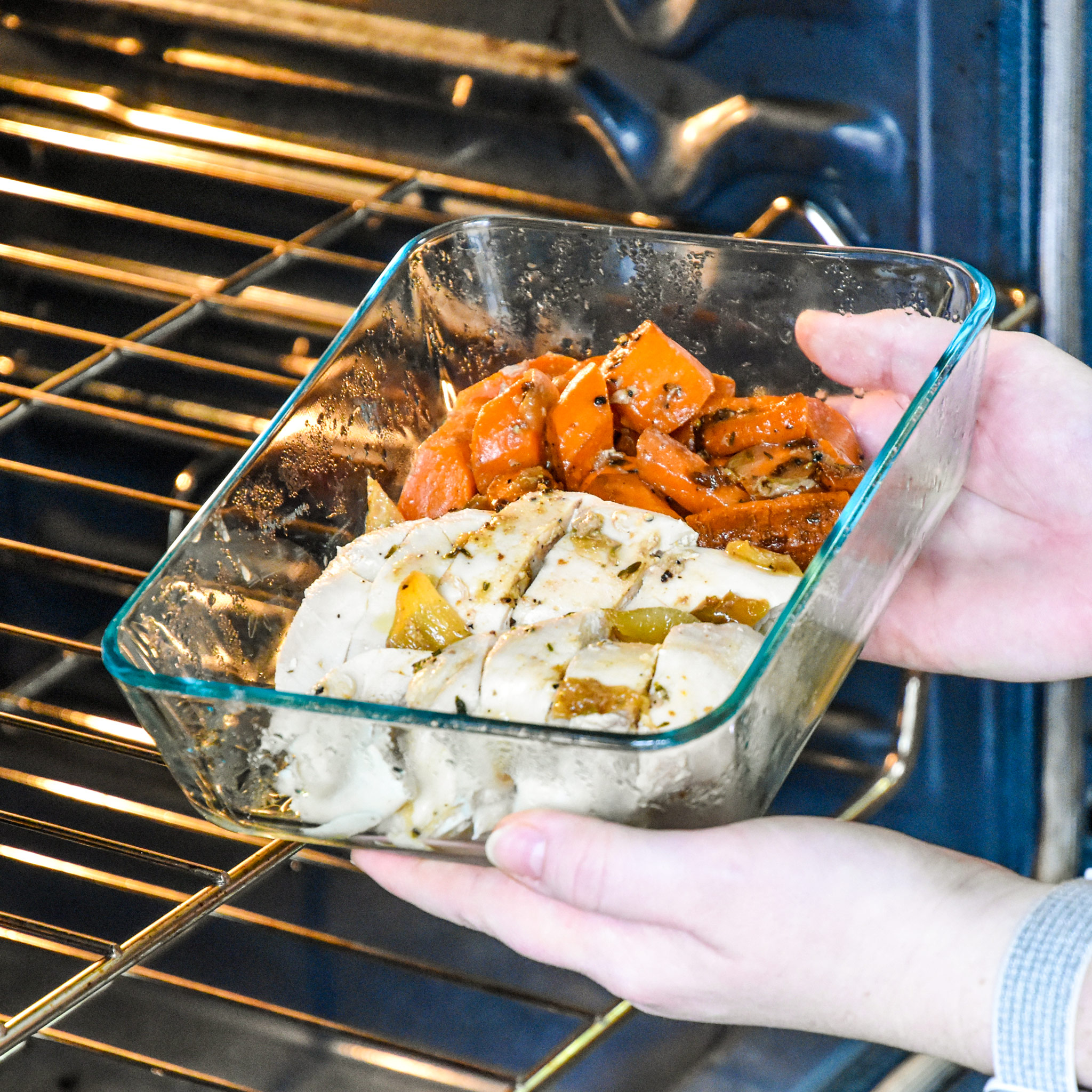
- Glass (Pyrex): Even heating, watch for sudden temperature changes (don’t go from freezer to oven directly).
- Ceramic: Holds heat well, great for casseroles.
- Metal (aluminum, steel): Heats up and cools down quickly, can brown edges more.
- Disposable foil pans: Fine for reheating but not as sturdy.
- Plastic: Never use in a regular oven.
Tip: If reheating from the freezer, let the casserole sit at room temperature for at least 30 minutes to avoid cracking glass or ceramic dishes.
Portion Size: Whole Vs. Slices
Reheating a whole casserole is different from warming up a single piece.
Whole Casserole
- Needs longer time.
- Heat travels from outside in, so edges may cook first.
- Cover well to keep even moisture.
Slices Or Portions
- Heats faster.
- Use a smaller baking dish for best results.
- Can add a little extra sauce or cheese to each piece.
Extra insight: For very large casseroles, cut them into sections before reheating. This helps the heat reach the center faster and more evenly.
Credit: projectmealplan.com
Food Safety: What You Need To Know
Leftover casseroles must be reheated to at least 165°F (74°C) to kill bacteria. If you’re serving children, elderly people, or anyone with a weak immune system, always check the temperature.
Don’t reheat casseroles more than once. Every time you cool and heat, bacteria can grow.
If your casserole has been at room temperature for more than 2 hours, it’s safest to throw it away.
Reheating Casseroles For Crowds
When serving a big group, you might need to reheat multiple casseroles at once.
- Arrange dishes with space between them for air flow.
- Rotate positions halfway through if your oven heats unevenly.
- Check each dish’s temperature separately.
- If possible, use a convection oven setting for faster, more even heat.
If you’re short on oven space, keep reheated casseroles warm by covering them and lowering the oven to 200°F (95°C) until ready to serve.
Making Casseroles Ahead: Tips For Easy Reheating
If you plan to make casseroles in advance, use these tips for better reheating:
- Undercook slightly before storing. This way, the casserole finishes cooking as it reheats.
- Store with sauce on the side, if possible, to add moisture during reheating.
- Cool completely before covering and refrigerating or freezing.
- Label with the date and reheating instructions.
When To Use The Broiler
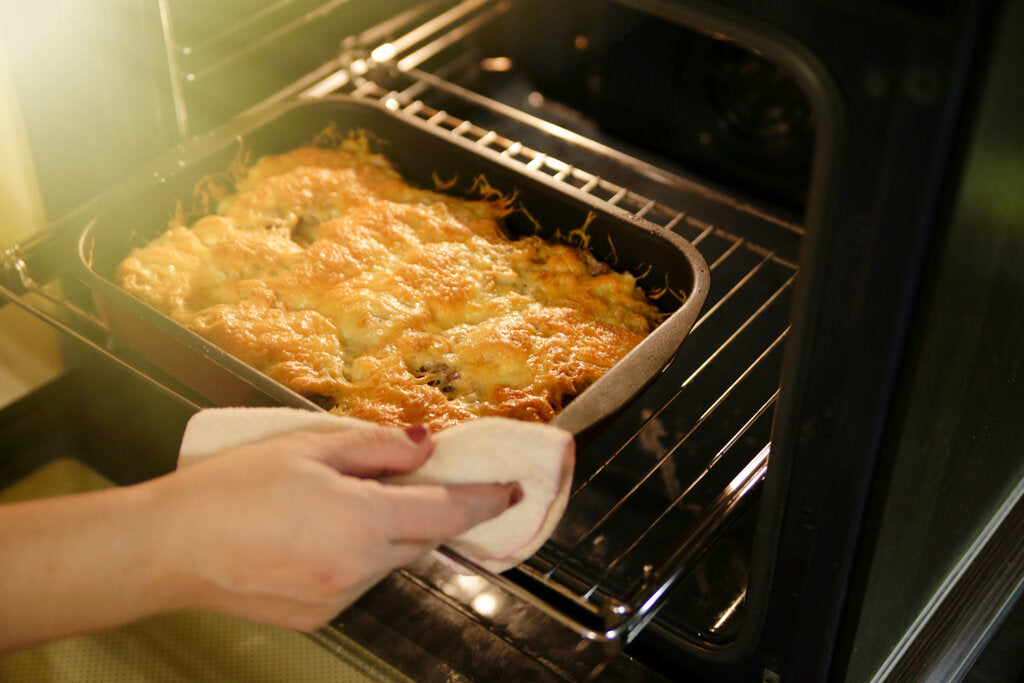
The broiler is perfect for adding a crisp, golden finish to your casserole. Only use it for a couple of minutes at the end, and never leave the oven unattended. Move the dish to the top rack for best results.
Credit: unocasa.com
How Long Do Leftovers Last?
- In the fridge: 3–4 days (covered tightly)
- In the freezer: Up to 3 months
Always sniff and check for signs of spoilage before reheating.
Practical Examples
Let’s look at two real-life examples:
Example 1: Reheating A Chicken And Rice Casserole
- Remove from the fridge, let sit 30 minutes.
- Preheat oven to 350°F.
- Sprinkle 2–3 tablespoons of chicken broth on top.
- Cover with foil, bake for 35 minutes.
- Remove foil, add a handful of shredded cheese, bake 10 minutes more.
- Check temperature, let rest, then serve.
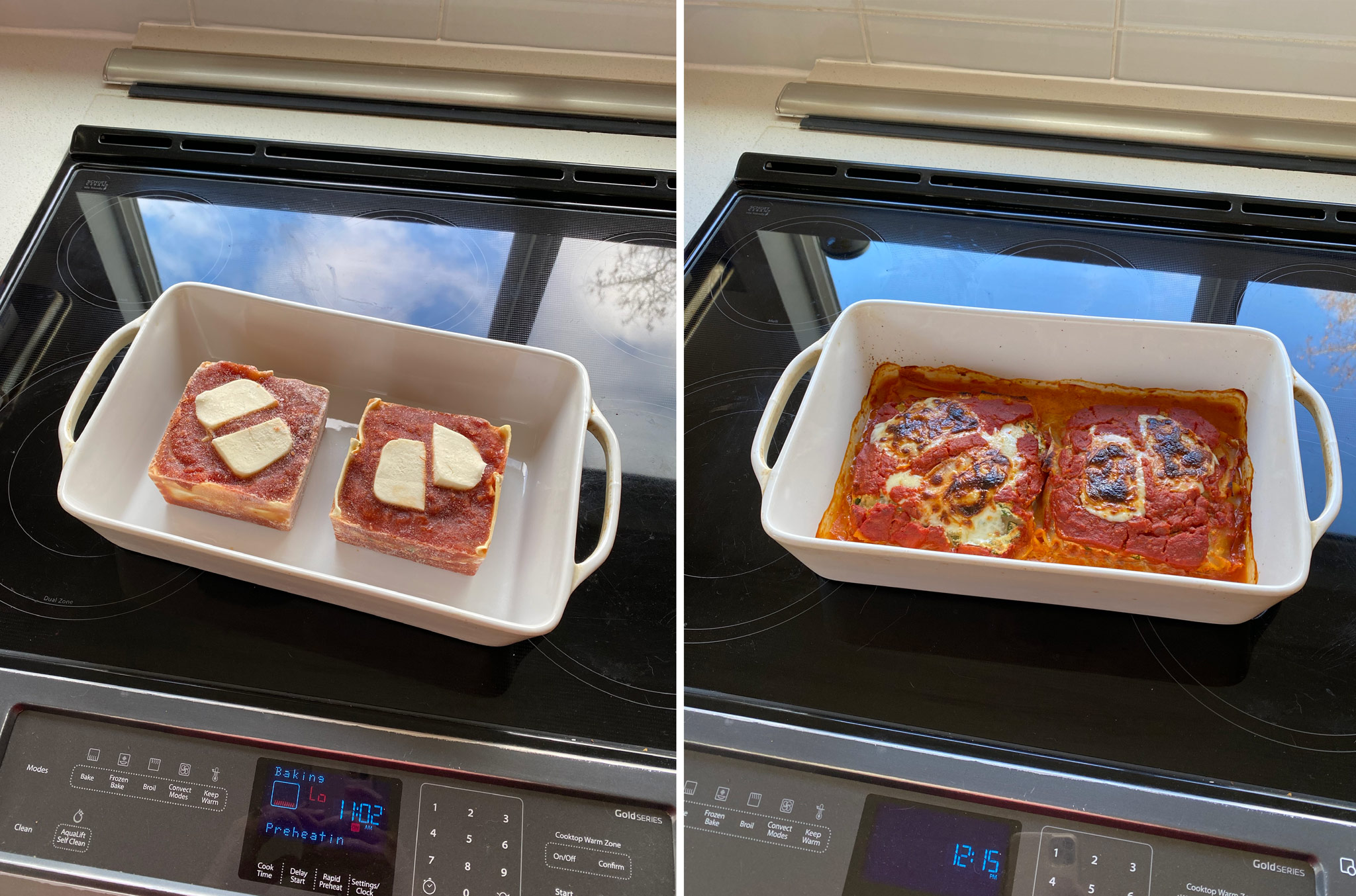
Example 2: Reheating A Frozen Lasagna
- Place directly from freezer into a glass or ceramic dish.
- Cover tightly with foil.
- Bake at 350°F for 1 hour.
- Remove foil, bake 15 minutes more to brown the cheese.
- Check for 165°F in the center.
- Rest 10 minutes before slicing.
Comparing Homemade Vs. Store-bought Casseroles
Homemade and store-bought casseroles can behave differently during reheating. Here’s what to expect:
| Type | Texture After Reheating | Moisture Level | Time Needed |
|---|---|---|---|
| Homemade | Usually better, if fresh | May need added liquid | 30–45 mins (fridge) |
| Store-bought (frozen) | More uniform, sometimes mushy | Often has preservatives, less dry | 60–90 mins (freezer) |
Eco-friendly Reheating
If you’re trying to cut energy use, reheat several casseroles at once, or batch your oven use with other dishes. Avoid disposable pans if possible—reusable glass and ceramic dishes are better for the environment and last for years.
Credit: projectmealplan.com
When Not To Use The Oven
Some casseroles are better in the microwave (like creamy mac and cheese), especially for single servings. If you need food in a hurry, cut a portion, cover, and microwave in 1-minute bursts, stirring between each.
Extra Tips From Experienced Cooks
- Freeze casseroles in smaller, meal-sized portions for faster reheating.
- Always label what’s in the dish and the date.
- Use a baking sheet under your casserole to catch any spills.
- Stir gently halfway through reheating, if possible, to avoid dry edges.
For more on food safety and reheating, see USDA Safe Minimum Internal Temperature Chart.
Frequently Asked Questions
How Long Does It Take To Heat Up A Casserole In The Oven?
Most refrigerated casseroles need 30–45 minutes at 350°F to heat through. Frozen casseroles may need 60–90 minutes. Always check that the center reaches at least 165°F before serving.
Can I Reheat A Casserole In A Glass Dish From The Freezer?
No. Sudden temperature changes can crack glass. Let the casserole sit at room temperature for 30 minutes before putting it in the oven. Use foil or metal pans for direct freezer-to-oven reheating if needed.
How Do I Keep My Casserole From Drying Out In The Oven?
Cover with foil and add a few tablespoons of broth, milk, or sauce before reheating. Remove the foil for the last 10 minutes to crisp the top, but keep an eye on moisture.
Is It Safe To Reheat A Casserole More Than Once?
It’s best to reheat only once. Each time you cool and heat food, bacteria can multiply. If you have leftovers, only reheat what you plan to eat.
What If My Casserole Is Still Cold In The Middle?
Cover with foil and return to the oven for another 10–15 minutes. Check the temperature again. If needed, cut into smaller portions for faster, more even reheating.
Reheating casseroles in the oven is about patience and care. By following these steps, you’ll enjoy leftovers that taste fresh and satisfying every time. And with a bit of attention to details—like container choice and moisture—you’ll avoid the most common pitfalls.
Whether you’re serving a cozy family meal or a big holiday crowd, these tips will help you serve up comfort food at its best.