
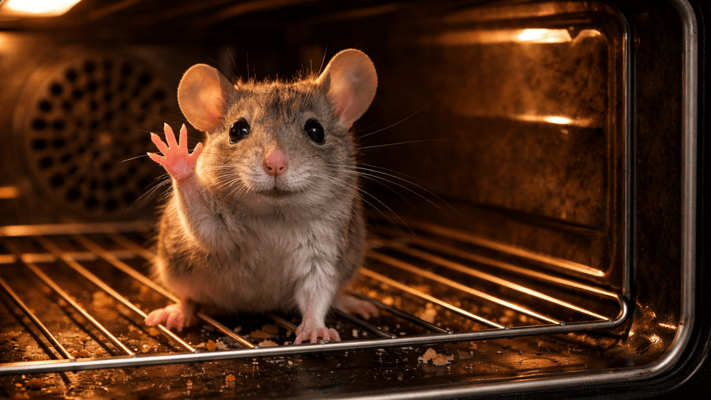
Finding out that mice have been inside your oven can feel overwhelming and even a little scary. These small animals can leave behind urine, droppings, and bacteria that are not just unpleasant—they can be dangerous to your health. If you want your kitchen to be a safe place again, you must disinfect your oven carefully and completely. Many people make the mistake of just wiping the surfaces, but this is not enough. You need to clean deeper, remove all traces of contamination, and prevent future problems. This guide will show you every step, help you avoid common errors, and give you expert advice that most beginners never hear.
Why You Must Disinfect After Mice
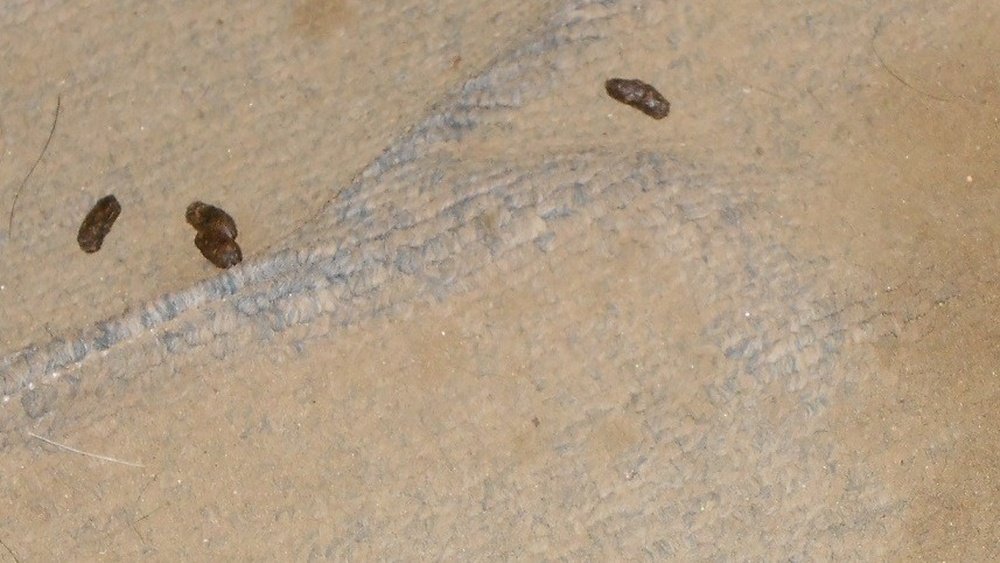
Mice are much more than a nuisance. Their urine and droppings can carry dangerous pathogens like Salmonella, Leptospira, and the hantavirus. Even if you only saw a few droppings, the risk is real. When your oven heats up, it can make these germs airborne, spreading them around your kitchen. That’s why it’s critical to do a full disinfection, not just a quick wipe. Skipping steps or using the wrong cleaners can leave your oven unsafe.
What You Need Before You Begin
Before you start, gather all your supplies. Using the right equipment will protect you and make the job more effective. Here’s a list of what you’ll need:
- Rubber gloves (heavy-duty, not thin disposable ones)
- Face mask (N95 or better, to avoid breathing in dust or particles)
- Old clothes (that you can wash in hot water after cleaning)
- Protective eyewear (optional but recommended)
- Trash bags (strong, sealable)
- Paper towels or disposable rags
- Scrub brushes (various sizes for different oven parts)
- Bucket (for cleaning solutions)
- Mild dish soap
- Disinfectant (EPA-registered; look for one labeled as effective against viruses and bacteria. Bleach-based is best)
- Spray bottle (for disinfectant)
- Sponge
- Vacuum cleaner (with HEPA filter, if possible)
- Replacement oven liners (if your oven uses them)
- Flashlight (to check inside dark oven corners)
Non-obvious insight: Many people forget to wear a mask or use a HEPA vacuum, but mouse droppings can release harmful particles into the air, so this protection matters.
Credit: www.hy-c.com
Safety First: Protect Yourself And Your Home
Never start cleaning until you’re protected. Mouse droppings are most dangerous when disturbed, so always wear gloves, a mask, and old clothes. Close kitchen doors and open windows to allow fresh air in but keep pets and children away until you’re done.
If you have asthma or a weakened immune system, ask someone else to do the cleaning or hire a professional.
Why A Hepa Vacuum?
A regular vacuum might just blow contaminated dust back into the air. Only a HEPA filter traps microscopic particles safely. If you don’t have one, sweep up droppings with damp paper towels instead.
Step 1: Remove All Traces Of Mice
The first step is to get rid of any visible signs of mice. This includes droppings, urine stains, nesting material, and even pieces of food they may have brought in.
How To Remove Droppings And Urine
- Do not sweep or vacuum dry droppings—this can send particles into the air.
- Lightly spray droppings and urine stains with a disinfectant solution. Let it sit for 5 minutes.
- Use paper towels or disposable rags to pick up droppings, nesting materials, and any debris.
- Place everything directly into a sealed trash bag. Do not reuse rags for other cleaning.
Pro tip: Check underneath oven racks, under the stove’s bottom drawer, and behind the oven. Mice like dark, hidden spots.
What If There’s A Nest?
If you find a nest (shredded paper, insulation, or fabric), spray it heavily with disinfectant before touching. Remove it carefully, place it in a sealed bag, and throw it away outside your home.
Step 2: Deep Clean All Oven Parts
This is where most people make mistakes. Ovens have many surfaces and crevices that can hide germs. You must clean every area, even ones that look clean.
Disassemble What You Can
Remove oven racks, trays, thermometers, and any removable liners. If your oven light cover is removable, take it out too. Place them in a sink or large tub for separate cleaning.
Soak And Scrub Removable Parts
- Fill your sink or tub with hot water and mild dish soap.
- Soak all racks, trays, and liners for at least 20 minutes.
- Scrub with a brush to remove any residue.
- Rinse with clean hot water.
- Spray with disinfectant, let sit for 10 minutes, then rinse again.
- Dry with paper towels or air dry.
Common mistake: People often forget to disinfect the oven racks. These can hold bacteria even if they look clean.
Clean The Inside Of The Oven
- Use a damp paper towel to wipe away crumbs and debris.
- Make a solution of 1 tablespoon of bleach in 1 quart (about 1 liter) of water, or use an EPA-registered kitchen disinfectant.
- Spray or wipe the solution onto all interior surfaces: Walls, floor, ceiling, door, corners, and around the heating elements.
- Pay extra attention to corners and seams, where germs can hide.
- Let the disinfectant sit for at least 10 minutes (check label for exact time).
- Wipe with a clean, damp cloth to remove chemical residue.
Non-obvious insight: Don’t forget the oven door gasket (the rubber seal). Mice often run along this area, leaving behind urine and germs.
Clean The Oven Exterior
Wipe handles, control knobs, and the outer door with disinfectant too. Mice sometimes crawl outside the oven, so these surfaces can be contaminated.
Step 3: Clean Under And Behind The Oven
Mice travel behind and under appliances. Pull out your oven (if possible and safe), and clean these areas:
- Spray droppings or stains with disinfectant.
- Wipe or vacuum with a HEPA filter.
- Mop the floor with a bleach solution.
- Let everything dry before pushing the oven back.
Tip: While the oven is out, check for holes or gaps in the wall or floor where mice could enter.
Step 4: Disinfect Hard-to-reach Areas
Some areas are tricky to access but can still be contaminated.
Oven Vents And Fans
- Check your oven manual for how to access vents and fans.
- Spray or wipe with disinfectant.
- Use a small brush or cotton swab for tight corners.
Between Oven Door Glass
Many oven doors have a double layer of glass, and mice can sometimes leave droppings here. If you see debris inside, you may need to unscrew the door or call a professional.
Don’t skip: Even if you can’t see dirt, germs can be present. Clean everywhere you can reach.
Step 5: Final Rinse And Dry
After disinfecting, wipe all surfaces with a clean, damp cloth to remove any leftover cleaner. This is important for food safety—no one wants chemical residue in their food.
Allow the oven and parts to air dry completely, or use dry paper towels.
Important: Do not use the oven until all surfaces are totally dry.
Step 6: Safely Dispose Of Waste
All used towels, rags, gloves, and cleaning materials must go into a sealed trash bag. Take the bag outside right away—do not leave it in your kitchen.
Wash your clothes and any reusable cleaning tools in hot water immediately.
Step 7: Run A High-heat Cycle
Once everything is dry and reassembled, run your oven empty at the highest temperature (usually 500°F or “self-clean” mode) for at least 30 minutes. This helps burn off any remaining germs and gives you peace of mind.
Caution: Make sure the kitchen is well-ventilated during this step.
Step 8: Replace Liners And Accessories
Put back only fully cleaned or new oven liners, trays, and racks. If any part cannot be fully cleaned (for example, if it still smells bad or has stains), replace it.
Step 9: Prevent Future Infestations
Cleaning is only half the solution. You must prevent mice from returning.
Seal Entry Points
Inspect around and behind your oven for holes or cracks. Even a gap as small as a pencil can let mice in. Use steel wool and caulk or expandable foam to seal every opening.
Store Food Properly
Keep all food—including pet food—in sealed containers. Clean crumbs and spills right away.
Set Traps
Place mouse traps behind the oven, under cabinets, and along walls where you have seen signs of mice. Check traps daily.
Regular Cleaning
Make it a habit to clean under and behind your oven every few months. This will help you spot any new problems before they get serious.

Credit: www.youtube.com
Step 10: When To Call A Professional
Sometimes, it’s safer and easier to let experts handle the problem. Call a pest control or cleaning professional if:
- The infestation was large (many droppings or nests)
- You have health concerns (asthma, allergies, or weak immune system)
- You smell strong urine or see stains that won’t go away
- The oven is too difficult to disassemble or clean yourself
What Disinfectant Works Best?
Many cleaning products claim to kill germs, but not all are suitable for mouse contamination. The best choices:
- Bleach solution (1 part bleach to 10 parts water)
- EPA-registered kitchen disinfectants
- Hydrogen peroxide (at least 3% strength)
Avoid using pure ammonia, as it can create harmful fumes, especially in a closed oven.
Comparison Of Common Disinfectants
Here’s a quick look at effectiveness, safety, and odor:
| Disinfectant | Effectiveness | Safe for Ovens? | Odor Level |
|---|---|---|---|
| Bleach Solution | Excellent | Yes (rinse after) | Strong |
| Hydrogen Peroxide | Good | Yes | Mild |
| Ammonia | Good | No | Very Strong |
| Commercial Kitchen Disinfectant | Excellent | Yes (check label) | Mild to Strong |
Always read the label to make sure the disinfectant is safe for food-contact surfaces and ovens.
What If The Oven Still Smells?
Sometimes, even after a deep clean, a bad smell remains. Here’s how to solve it:
- Run a self-cleaning cycle again.
- Place a bowl of baking soda in the oven overnight to absorb odors.
- Use a vinegar and water spray (equal parts) on interior surfaces. Let sit, then wipe dry.
If the smell persists, there may be contamination inside the oven insulation or between glass panels. At this point, it’s wise to consult a technician.
Cleaning Frequency After Mice
Even after the mice are gone, you should clean your oven regularly:
- Wipe interior after every use if possible
- Deep clean monthly for the next 3 months
- Check for droppings behind the oven every 1-2 weeks
Dangers Of Incomplete Cleaning
If you skip steps, you risk:
- Foodborne illness from bacteria or viruses
- Allergic reactions to mouse urine or dander
- Recurring infestations
- Lingering bad smells
Data point: The CDC reports that improper cleaning after rodent infestations is a leading cause of hantavirus infections in homes each year.
Should You Replace The Oven?
In most cases, you do not need to buy a new oven. However, if the infestation was severe (droppings inside the insulation, chew marks on wiring, or recurring smells), consider replacing the appliance for safety.
When Replacement Is Advisable
| Situation | Replace? | Repair? |
|---|---|---|
| Droppings inside oven insulation | Yes | No |
| Chewed wires or components | Yes | Possibly (if minor) |
| Minor contamination, easy to clean | No | Yes |
| Lingering strong urine smell | Possibly | Try cleaning first |
Tip: If you’re not sure, ask a professional appliance technician to inspect your oven.

Credit: www.reddit.com
Hidden Areas People Forget
Even careful cleaners miss these spots:
- Under the heating element
- Inside the oven drawer
- The oven light cover
- Behind the oven door seal
- Control knobs
Always check these places for hidden droppings or urine stains.
Cleaning Other Kitchen Appliances
If mice were in your oven, they may have visited other appliances. Check and clean:
- Microwave (especially vents)
- Toaster
- Refrigerator coils and under the fridge
- Dishwasher (top and bottom, around the door seal)
The Importance Of Fast Action
The longer droppings and urine stay, the harder they are to remove and the more bacteria grow. Clean as soon as possible after you discover the problem.
Real-life Example
Maria found mouse droppings in her oven after a weekend away. She wiped only the visible area, but a week later, her family had stomach problems. After a full disinfection—including the oven racks and drawer—the problems stopped. This shows why a thorough cleaning is essential.
What Most Guides Don’t Tell You
- Oven insulation can hold urine smells for months. If the smell comes back after cleaning, it may be deep inside the walls.
- Mice can chew electrical wires inside ovens, which is a fire risk. If you see chewed wiring, don’t use the oven until it’s checked.
Professional Cleaning Vs. Diy
While most people can disinfect an oven themselves, professionals have access to stronger disinfectants and better tools. If you’re unsure about safety, or the contamination is severe, hiring a pro is a smart investment.
Diy Vs. Professional
| Aspect | DIY | Professional |
|---|---|---|
| Cost | Low | High |
| Time | 2–4 hours | 1–2 hours |
| Effectiveness | Good (if thorough) | Excellent |
| Safety | Depends on care | Very high |
Further Reading
For detailed official guidance on rodent cleanup, see the CDC’s cleaning recommendations.
Frequently Asked Questions
How Long After Cleaning Can I Use My Oven Again?
Wait until all surfaces are dry and you have run a high-heat or self-clean cycle. This usually takes a few hours. Never use the oven if you still smell strong chemicals.
Can I Use Just Vinegar To Disinfect?
Vinegar can help with odor but is not strong enough to kill all viruses and bacteria from mice. Always use a bleach solution or EPA-registered disinfectant for full safety.
Is It Safe To Use The Oven If I Only Saw A Few Droppings?
Even a small number of droppings can carry germs. Always do a full disinfection, including a high-heat cycle, before using the oven again.
What Should I Do If The Smell Won’t Go Away?
Persistent odors may mean urine or droppings are inside the oven’s insulation or between glass panels. Try cleaning again, but if the smell returns, call a technician or consider replacing the oven.
How Do I Keep Mice From Coming Back?
Seal all holes and cracks, store food in sealed containers, clean up crumbs quickly, and use traps around your kitchen. Regular cleaning and inspection make a big difference.
Making your oven safe after a mouse problem takes time and care, but it’s worth it. By following each step closely and being thorough, you protect your family’s health and restore your kitchen’s safety.