
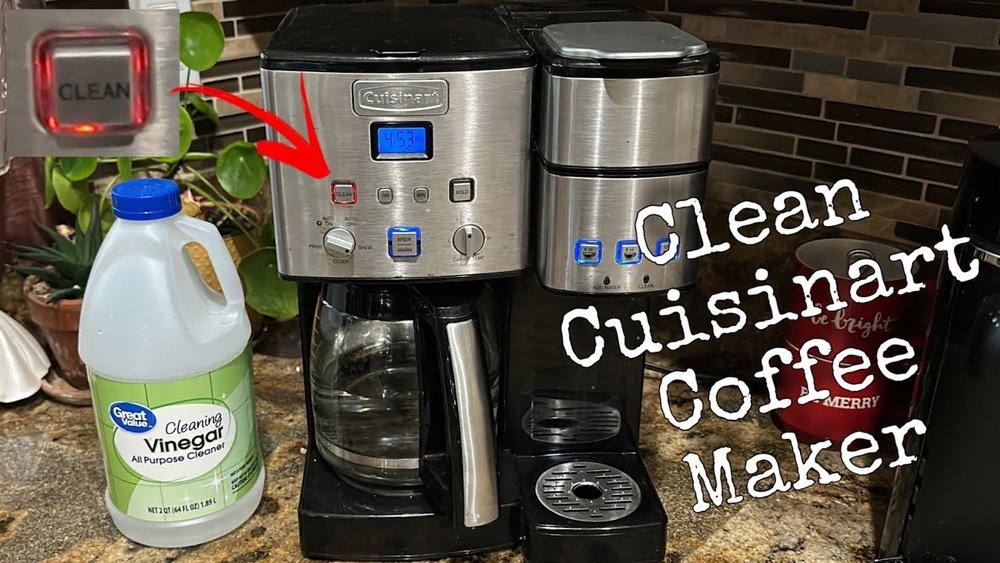
Descaling your Cuisinart Dual Coffee Maker is one of the best ways to ensure your coffee always tastes fresh and your machine works for years. If you’ve noticed your coffee tastes bitter, takes longer to brew, or the machine makes strange noises, it’s probably time for a deep clean. Many coffee lovers ignore descaling, but mineral buildup can seriously damage your machine. This guide will show you every detail you need, from recognizing when to descale to step-by-step instructions, tips, and answers to common questions. Even if you’re new to cleaning coffee makers, you’ll find simple advice here to keep your Cuisinart brewing at its best.
Why Descaling Your Cuisinart Dual Coffee Maker Matters
Many people clean the outside of their coffee maker but forget about the inside. Over time, tap water leaves mineral deposits (mainly calcium and magnesium) inside the machine. These deposits can:
- Slow down the brewing process
- Block water flow
- Change the taste of your coffee
- Cause the machine to overheat or break
A Cuisinart Dual Coffee Maker is a big investment. Regular descaling protects that investment and saves you from expensive repairs or replacements. The flavor of your coffee also depends on clean water pathways. Even the best beans taste bad if your coffee maker is dirty inside.
Signs Your Cuisinart Dual Coffee Maker Needs Descaling
Don’t wait until your machine stops working. These are the most common signs it’s time to descale:
- Longer brewing time: If your coffee takes longer to brew, mineral buildup may be blocking water flow.
- Louder noises: Gurgling or hissing sounds can mean water is struggling to get through.
- Weaker coffee: If your coffee tastes weak or strange, minerals may be affecting the temperature or pressure.
- Low water output: If less water comes out than before, your machine’s pipes could be blocked.
- Descale light or message: Many Cuisinart models have a descale indicator. Don’t ignore it!
Ignoring these signs can lead to a broken coffee maker. Regular descaling keeps everything running smoothly.
How Often Should You Descale?
How often you should descale depends on:
- Water hardness: Hard water means more minerals. If you have hard water, descale every month. With soft water, every 2-3 months is enough.
- Usage: If you use your machine daily, descale more often than someone who uses it a few times a week.
- Manufacturer’s advice: Cuisinart usually recommends every 3-6 months.
If you’re unsure, check your local water report or use a water hardness test strip.
What You Need To Descale
Don’t worry—you don’t need special tools. Here’s what you need:
- Cuisinart Dual Coffee Maker
- Descaling solution (Cuisinart brand or universal)
- OR white vinegar (regular household vinegar, 5% acidity)
- Fresh water
- Measuring cup
- Clean sponge or cloth
- Large mug or carafe
Comparing Descaling Solutions
Some people like using vinegar, while others prefer store-bought solutions. Here’s a simple comparison:
| Descaling Agent | Effectiveness | Odor | Cost | Residue |
|---|---|---|---|---|
| White Vinegar | Very Good | Strong | Low | May require extra rinsing |
| Commercial Solution | Excellent | Mild | Medium | Low |
Vinegar is cheap and easy to find but has a strong smell. Commercial solutions cost more but work just as well, sometimes better, and rinse away more easily.
Preparing Your Cuisinart Dual Coffee Maker
Before you start, make sure your coffee maker is ready:
- Turn off and unplug the machine.
- Remove any used coffee pods, filters, or grounds.
- Empty the water reservoir completely.
- Clean the carafe and place it under the brew basket to catch liquid during descaling.
If your machine has a hot plate, make sure it’s cool before touching.
Step-by-step Guide: How To Descale Cuisinart Dual Coffee Maker
This section covers every step in detail, whether you use vinegar or a commercial solution. These steps apply to most models, including the popular Cuisinart SS-15 and SS-20 Dual Coffee Makers.
1. Mix The Descaling Solution
You have two main options:
- Vinegar method: Mix 1 part white vinegar to 2 parts water. For example, use 2 cups vinegar + 4 cups water.
- Commercial solution: Follow the instructions on the bottle. Usually, you pour the solution into the reservoir and fill the rest with water.
Make enough to fill the water reservoir.
2. Fill The Water Reservoir
Pour your mixture into the water reservoir. Make sure you don’t overfill—use the MAX line as your guide.
3. Start The Descaling Cycle
Most Cuisinart Dual Coffee Makers have two sides: a single-serve side and a carafe side. You should descale both.
Carafe Side
- Place the empty carafe in position.
- Press the “Clean” button. Hold for a few seconds until the light flashes or stays on.
- The machine will begin a special cleaning cycle. It may take 30-40 minutes.
- If your model doesn’t have a Clean button, run a regular brew cycle without coffee grounds.
Single-serve Side
- Place a large mug on the tray.
- Run a brew cycle without a K-cup or coffee pod.
- Repeat until the reservoir is empty.
Tip: For stubborn buildup, pause the cycle halfway, let the solution sit for 20-30 minutes, then resume.
4. Let The Solution Sit
Let the solution sit inside the machine for 15-30 minutes. This helps break down the toughest mineral deposits.
5. Rinse Thoroughly
Empty the carafe and rinse it with water. Fill the reservoir with fresh water only (no vinegar or solution).
- Run at least 2-3 full cycles (both sides) with only water.
- Discard water after each cycle.
- If you smell vinegar, run more rinse cycles.
Extra tip: Don’t forget to clean the water reservoir lid and drip tray.
6. Wipe Down And Reassemble
After rinsing, use a clean sponge or cloth to wipe any visible parts, including:
- Water reservoir
- Drip tray
- Coffee pod holder
- Exterior
Make sure everything is dry before plugging the machine back in.
Special Features Of Cuisinart Dual Coffee Makers
Cuisinart Dual Coffee Makers are popular because they brew both single cups and full carafes. But each model has unique features. Understanding them helps you descale better.
| Model | Carafe Size | Single-Serve Cup Size | Descale Alert | Clean Button |
|---|---|---|---|---|
| SS-15 | 12 cups | 6, 8, 10 oz | Yes | Yes |
| SS-20 | 10 cups | 6, 8, 10 oz | Yes | Yes |
| CHW-12 | 12 cups | No | No | Yes |
Tip: Check your user manual if you’re unsure about your model’s features.
Detailed Cleaning For Hard-to-reach Parts
Sometimes, mineral buildup hides in places you can’t see. Here’s how to clean those tricky spots:
- Coffee pod holder: Remove and soak in vinegar for 15 minutes. Scrub with a small brush.
- Needle (single-serve side): Use a paperclip to gently clear the needle if it’s clogged.
- Drip tray: Wash with warm, soapy water.
These extra steps make sure your coffee maker is completely clean.
Common Mistakes To Avoid
Descaling is simple, but many people make these mistakes:
- Using too much vinegar: Strong vinegar can damage seals and leave a smell. Always dilute.
- Forgetting to rinse: Not rinsing enough leaves a sour taste in your next coffee.
- Skipping the single-serve side: Both sides need cleaning, even if you use only one.
- Ignoring the descale alert: The light is there for a reason—don’t put off cleaning.
- Not unplugging the machine: Always unplug for safety, especially when cleaning inside.
Avoiding these mistakes helps your machine last longer.
How Descaling Impacts Coffee Quality
Clean water pathways heat water evenly and keep pressure steady. This means:
- Hotter coffee: Minerals can block heaters and lower temperature.
- Better taste: No old coffee oils or minerals to spoil flavor.
- Consistent strength: Even extraction for every brew.
If you’ve ever noticed your coffee tastes “off,” descaling can often fix it.
Practical Tips For Easier Descaling
Descaling doesn’t have to be a chore. Try these tips to make it simpler:
- Set a reminder: Use your phone or calendar to remind you every month.
- Buy water filters: Some Cuisinart models use water filters. Replace them regularly to reduce mineral buildup.
- Use filtered or bottled water: Reduces scale and makes your coffee taste better.
- Clean as you go: Wipe the exterior and empty grounds daily to prevent buildup.
Insider tip: If you descale regularly, each cleaning takes less time and effort.
Environmental Impact: Why Descaling Matters
Some people worry about pouring vinegar or chemicals down the drain. Here’s what you should know:
- Vinegar: Safe for most drains and septic tanks in small amounts.
- Commercial solutions: Choose biodegradable brands when possible.
- Less waste: A clean machine lasts longer, so you buy fewer replacements and create less electronic waste.
Regular descaling is good for your coffee maker and the planet.
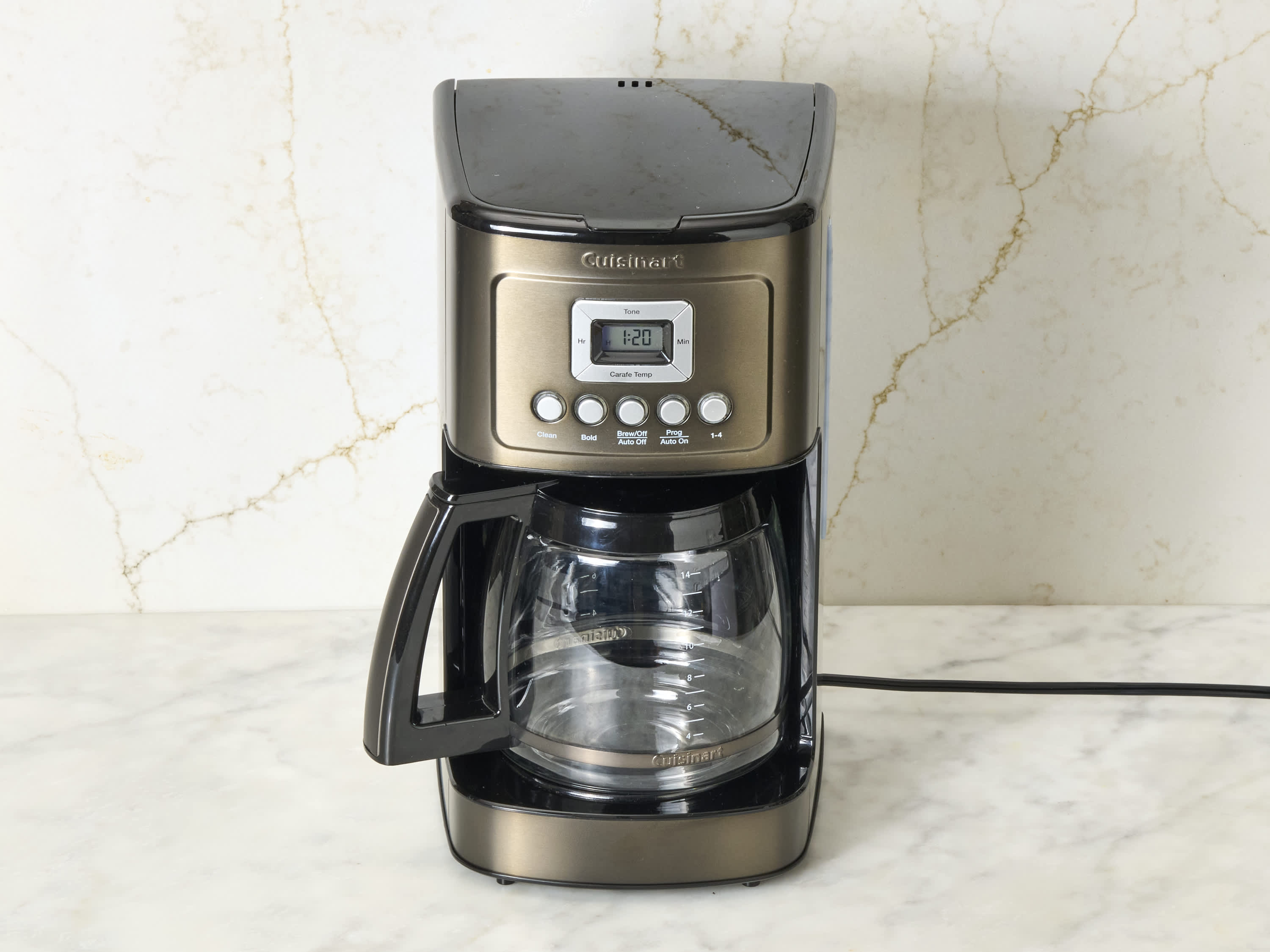
Credit: ghurairproperties.com
Comparing Cuisinart Descaling To Other Brands
Is descaling a Cuisinart different from other coffee makers? The basics are the same: remove minerals to keep everything working. However, Cuisinart Dual models are unique because they have two brewing systems. Both need attention.
Some brands use different cycles or buttons, but the descaling process is very similar. Always check your manual for special instructions.
What If The Descale Light Won’t Turn Off?
Sometimes, the descale light stays on even after you clean the machine. Try these steps:
- Unplug the machine for 30 seconds, then plug it back in.
- Run another rinse cycle with fresh water.
- Check for any visible clogs or stuck parts.
- If the light still won’t go off, contact Cuisinart support.
Pro tip: Don’t ignore the light, as it could be warning you about a deeper issue.
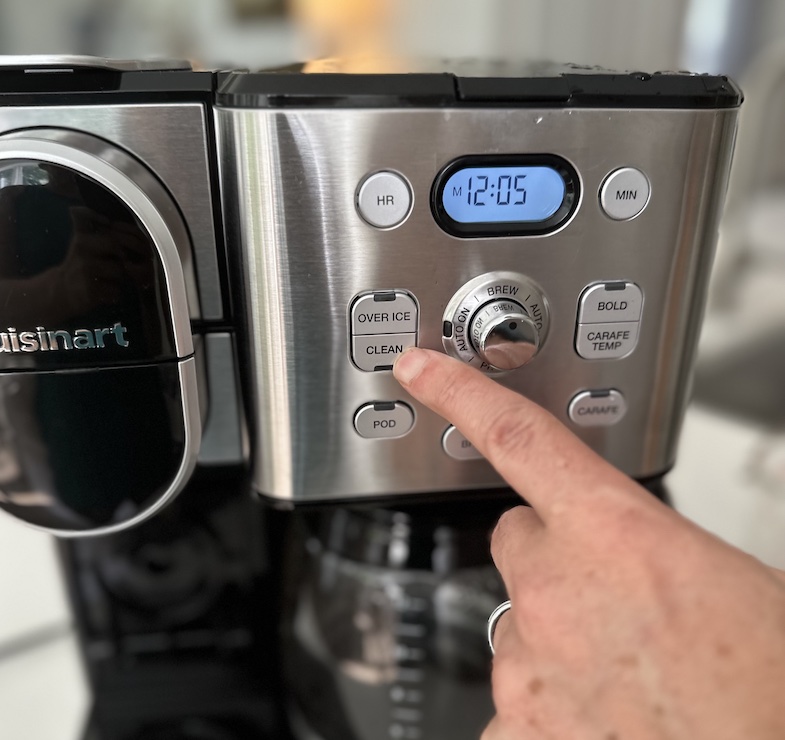
Credit: www.bobvila.com
When To Call For Service
If you’ve followed all the steps and your coffee maker still doesn’t work well, it may need professional service. Signs include:
- Water leaks
- Machine won’t power on
- Persistent error messages
- Strange burning smell
If your machine is under warranty, contact Cuisinart directly for help. Never try to open or repair the inside yourself—it could be dangerous.
Saving Money With Regular Descaling
A well-maintained Cuisinart Dual Coffee Maker can last 5-10 years. Neglecting descaling can cut that life in half. Consider the costs:
- Replacement carafe: $20–$40
- New machine: $150–$250
- Descaling solution: $5–$12 per bottle
- Vinegar: $2 per bottle
Spending a few dollars and minutes each month can save you hundreds in the long run.
Credit: www2.parklanejewelry.com
Real-world Example: Descaling In Action
Anna, a busy mom, noticed her Cuisinart SS-15 brewed slower and tasted bitter. She used the vinegar method, running two full cycles and rinsing well. The next morning, her coffee was hot, strong, and delicious again. She set a calendar reminder to descale every two months and hasn’t had a problem since.
Many users share similar stories. Regular descaling really works.
Troubleshooting After Descaling
Sometimes, problems pop up after cleaning. Here’s how to fix them:
- Coffee tastes like vinegar: Run more rinse cycles with fresh water.
- Machine won’t brew: Check the water reservoir and make sure all parts are in place.
- Water leaks: Make sure the carafe and reservoir are positioned correctly.
- Descale light still on: Try unplugging, then running another rinse.
If problems continue, check your user manual or contact support.
How To Maintain Your Cuisinart Dual Coffee Maker Between Descalings
Descaling is the deep clean, but regular maintenance helps too.
- Rinse the carafe and filter basket daily.
- Wipe the exterior with a damp cloth.
- Empty and clean the drip tray weekly.
- Replace the charcoal water filter every 60 days (if your model has one).
- Leave the lid open to air out the reservoir, preventing mold.
These simple steps keep your coffee tasting great and your machine in top shape.
Understanding Water Hardness And Its Effects
Hard water is water with lots of dissolved minerals. If you live in an area with hard water, you’ll see white spots on dishes or a film in your kettle. These same minerals build up inside your coffee maker.
High mineral water = more frequent descaling.
You can test your water with a cheap test strip or search for your city’s water report. Some people use water softeners to reduce the problem.
The Science Behind Descaling
Vinegar (acetic acid) and commercial descalers are mild acids. They react with minerals (like calcium carbonate) to turn them into soluble salts, which wash away. This process is safe for coffee makers if you rinse well afterward.
The reaction:
- Calcium carbonate + acid → soluble salt + water + carbon dioxide gas
You might see bubbles during cleaning—that’s normal.
Choosing The Right Descaling Product
Some people worry about using the wrong cleaner. Here’s a quick guide:
- White vinegar: Safe, cheap, but strong smell.
- Citric acid: Gentle, less odor, works well.
- Cuisinart solution: Made for your model, easy to use.
- Other commercial brands: Check if they are food-safe and non-toxic.
Always read labels and follow instructions.
Expert Insights For Long-term Machine Health
Many coffee experts recommend keeping a log of when you descale and replace filters. This helps you stay on schedule and notice patterns (like if you need to descale more often in winter, when water is harder).
Extra insight: If you use well water, you may need to descale even more often.
Comparing Rinse Cycles: How Many Are Enough?
People often ask, “How many rinse cycles do I really need?” Here’s a comparison:
| Number of Rinses | Residual Smell | Recommended? |
|---|---|---|
| 1 | Strong | No |
| 2 | Mild to moderate | Maybe |
| 3+ | None | Yes |
If in doubt, rinse again. Clean water always makes better coffee.
Resources For Further Learning
If you want to know more about water quality or coffee maker care, the Wikipedia Coffee Maker page has detailed information.
Frequently Asked Questions
How Do I Know When To Descale My Cuisinart Dual Coffee Maker?
Most models have a descale alert (a light or message). You should also descale if your coffee tastes strange, takes longer to brew, or the machine makes odd noises. If you have hard water, descale every month even without a warning.
Can I Use Lemon Juice Instead Of Vinegar To Descale?
Lemon juice can work, but it’s less effective than vinegar or commercial solutions. It also leaves a sticky residue if not rinsed well. Vinegar or a branded descaler is recommended for best results.
Is It Safe To Use Tap Water In My Coffee Maker?
Yes, but tap water with lots of minerals (hard water) will cause more scale buildup. Using filtered or bottled water can reduce the need for frequent descaling and improve your coffee’s taste.
My Coffee Still Tastes Bad After Descaling—what Should I Do?
Try running more rinse cycles with fresh water. Also, clean the carafe, filter basket, and any removable parts. Sometimes coffee residue, not just scale, can affect taste.
Does Descaling Fix All Coffee Maker Problems?
Descaling helps with most taste and flow issues, but it won’t fix mechanical problems (like broken pumps or heaters). If your machine still doesn’t work after descaling and rinsing, contact Cuisinart support.
A clean coffee maker is the foundation of great coffee. With these steps, your Cuisinart Dual Coffee Maker will stay in top shape, brew delicious coffee, and last for years. Regular descaling is a small task that makes a big difference—enjoy every cup!