
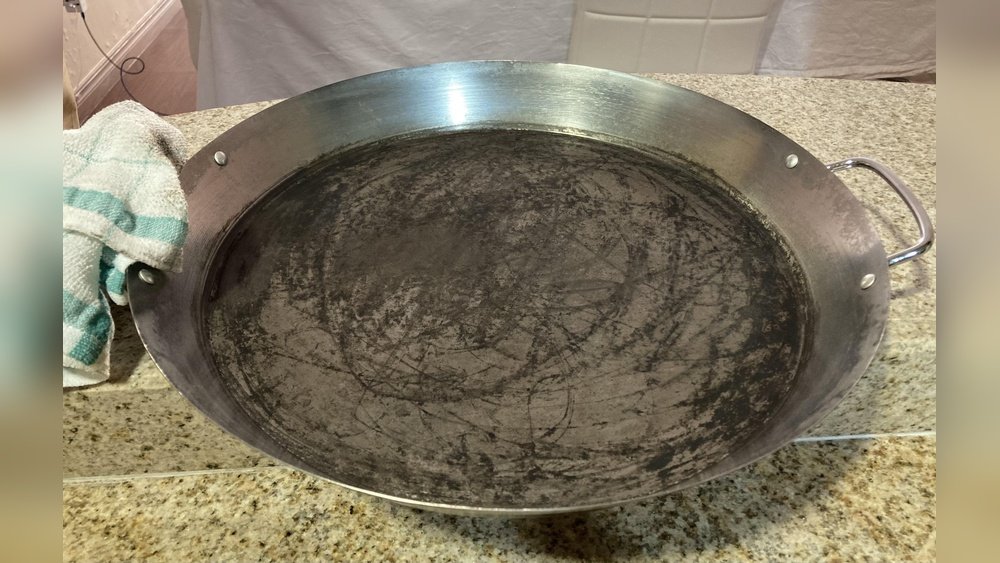
Cleaning a paella pan can feel like a chore after a delicious meal, but caring for your pan is as important as the cooking itself. Whether your pan is carbon steel, stainless steel, or enameled, the right cleaning method will keep it in top condition for years.
Many home cooks worry about rust, stains, or losing the pan’s seasoning. The truth is, cleaning a paella pan is straightforward when you know the best steps—and a few tricks that most beginners miss. Let’s dive into the complete process, from simple daily cleaning to deep maintenance, so your pan always shines and performs at its best.
Understanding Your Paella Pan
Before you start scrubbing, it helps to know what type of paella pan you own. Each material has its own cleaning needs, and using the wrong method can damage the surface or ruin the flavor of future dishes.
| Type of Pan | Main Material | Special Care |
|---|---|---|
| Carbon Steel | Carbon Steel | Seasoning needed, avoid soaking |
| Stainless Steel | Stainless Steel | Stain removal, less rust risk |
| Enameled | Steel with Enamel Coating | No seasoning, avoid chipping |
| Nonstick | Aluminum with Nonstick Layer | Use soft tools, no abrasive cleaners |
Most classic Spanish paella pans are carbon steel. These pans heat quickly and develop flavor, but they need more care than stainless or enameled pans. Stainless steel is easier to maintain but heats less evenly. Enameled pans don’t rust but can chip if dropped. If you aren’t sure, look at the color and weight—carbon steel is light and darkens with use, while stainless steel stays shiny.
Essential Cleaning Tools And Products
You don’t need fancy equipment to clean a paella pan. Here’s what works best for each type:
- Soft sponge or dishcloth: Safe for all pan types.
- Plastic or wooden scraper: Removes stuck food without scratching.
- Dish soap (mild): Use sparingly, especially on carbon steel.
- Baking soda: Great for stains and tough spots.
- White vinegar: Helps with discoloration or burnt areas.
- Paper towels or lint-free cloth: For drying and oiling.
- Cooking oil: For seasoning carbon steel pans.
Avoid steel wool or harsh abrasive pads, especially on nonstick and enameled pans—they scratch the surface. For burnt food, never use knives or metal scrapers.
Step-by-step: How To Clean A Paella Pan
Let’s go through the full cleaning process, from right after cooking to deep cleaning. Each step is important for a spotless, long-lasting pan.
1. Let The Pan Cool
Never pour cold water into a hot paella pan. The sudden temperature change can warp the metal, especially carbon steel and enamel. Wait 10–15 minutes after cooking so the pan is warm but safe to handle.
Quick tip: If you need to speed up cooling, set the pan on a wire rack.
2. Remove Leftover Food
Use a soft spatula or wooden spoon to lift away any rice or vegetables. Don’t scrape hard—this damages the seasoning or coating. For stuck-on bits, fill the pan with warm water and let it soak for 15–30 minutes.
3. Wash Gently With Warm Water
Rinse the pan under warm running water. Use a soft sponge and a drop of mild dish soap. For carbon steel, many experts recommend skipping soap or using only a little, as soap can strip seasoning.
Example: If your pan is carbon steel and you see a brownish layer, that’s the seasoning—don’t scrub it off.
4. Remove Stubborn Residue
If rice or sauce is stuck, try these methods:
- For stainless steel or enameled pans, sprinkle baking soda over the area, add a few drops of water, and let it sit for 10 minutes. Scrub gently with a sponge.
- For carbon steel, use a plastic scraper and a paste of salt and water. Rub gently in circles.
Non-obvious insight: Avoid soaking carbon steel pans overnight. This is a common mistake that leads to rust.
5. Tackle Discoloration Or Burnt Areas
Discoloration is common, especially with high heat. For tough stains or burnt spots, fill the pan with a 1:3 mix of white vinegar and water. Bring it to a simmer on the stove for 5–7 minutes. The acid helps lift burnt food. Let it cool, then scrub gently.
Important: Always rinse off vinegar completely to avoid any aftertaste.
6. Dry The Pan Completely
Water left on the surface is the main cause of rust. Dry the pan right away with a paper towel or lint-free cloth. For carbon steel, heat the pan on the stove for 1–2 minutes to evaporate any hidden moisture.
7. Season (oil) Carbon Steel Pans
If your pan is carbon steel, rub a thin layer of cooking oil (like sunflower or vegetable oil) all over the surface after drying. This prevents rust and keeps the seasoning strong. Wipe off any excess oil.
Pro tip: Even the handles and underside need a little oil to stop rust in humid climates.
8. Store Properly
Store your pan in a dry place. If stacking pans, place a paper towel between them to avoid scratches. For long-term storage, especially in humid areas, wrap the pan in a cloth or keep a silica gel packet nearby.
Cleaning Tips For Each Type Of Paella Pan
Every pan needs a different touch. Here’s what matters for each:
Carbon Steel Paella Pan
- Never soak overnight: Short soaks are okay, but longer means rust.
- No dishwasher: The harsh detergent and water exposure ruin the seasoning.
- Spot re-seasoning: If you see bare metal or rust, scrub it off, dry, and oil the area.
- Light scrubbing: Use salt and a paper towel for gentle cleaning.
Stainless Steel Paella Pan
- Use soap if needed: Stainless steel is safe with mild detergents.
- Polish with vinegar: For water spots, wipe with vinegar then rinse.
- No special seasoning: Just keep it clean and dry.
- Dishwasher safe: Most are, but check the manufacturer’s advice.
Enameled Steel Paella Pan
- Avoid chipping: Don’t bang with metal utensils or drop.
- No seasoning needed: The enamel protects the steel.
- Dishwasher safe: Usually safe, but check the pan’s label.
- Clean stains gently: Use baking soda paste for tough spots.
Nonstick Paella Pan
- No metal tools: Only use wood, silicone, or plastic.
- No abrasive cleaners: These ruin the nonstick surface.
- Dishwasher caution: Most nonstick pans last longer with hand washing.
- Don’t overheat: High heat damages the coating.
How To Remove Rust From A Paella Pan
Rust happens, especially on carbon steel pans. The good news: it’s fixable. Here’s what to do if you spot rust.
- Scrub the Rust: Use a steel wool pad or fine sandpaper (only on carbon steel). Scrub gently until all rust is gone.
- Clean the Area: Wash with warm water and a little soap to remove rust dust.
- Dry Immediately: Use a towel, then heat the pan briefly on the stove.
- Re-season the Surface: Wipe with oil and heat for 2–3 minutes. Wipe off extra oil.
If rust returns, check your drying and oiling routine. Even a little water left behind can start new rust.
Common Cleaning Mistakes To Avoid
Many people ruin their paella pan with good intentions. Here’s what you should never do:
- Don’t use the dishwasher for carbon steel. The detergent and steam strip seasoning and cause rust.
- Never soak overnight. Long soaks equal rust, especially in humid kitchens.
- Don’t use harsh abrasives on enamel or nonstick. This causes chips or peels.
- Avoid metal tools on nonstick. Scratches lead to sticking and flaking.
- Don’t store while wet. Always dry and oil before putting away.
Non-obvious insight: Even small chips or scratches can become starting points for rust, especially on carbon steel or enameled pans.
Deep Cleaning And Restoration
Sometimes, a regular wash isn’t enough. Burnt-on food, old oil, or stubborn stains call for deep cleaning. Here’s how to handle those tough cases.
For Stubborn Burnt Food
- Fill the pan with water and a few drops of dish soap.
- Bring to a simmer for 10 minutes.
- Let cool, then scrape gently with a plastic tool.
For Grease Or Old Oil Build-up
- Make a paste of baking soda and water.
- Rub onto the greasy spots with a sponge.
- Rinse and repeat as needed.
For Blackened Bottoms (carbon Steel)
- Sprinkle salt into the pan.
- Scrub with a paper towel or soft cloth.
- Rinse and season again.
For Discolored Stainless Steel
- Mix vinegar and water (1: 1 ratio).
- Wipe the surface, then rinse.
- Dry and buff with a soft cloth.
Restoration After Rust
If your pan has heavy rust, use fine sandpaper to remove as much as possible. Wash, dry, and re-season several times. The seasoning layer will rebuild over a few uses.
Example: A carbon steel pan with orange spots can be saved. Sand the rust, oil the pan, and bake at 350°F for 1 hour. Cool, wipe off extra oil, and the pan is ready to use.
How To Clean A Paella Pan After A Party
Cooking for a crowd? Paella pans can look rough after big gatherings, with stuck rice and sauces. Here’s a practical routine to bring them back to life:
- Scrape off rice and food with a wooden spoon.
- Fill with hot water, let soak for 20 minutes.
- Use a sponge and baking soda to lift tough bits.
- For burnt sections, simmer vinegar and water, then scrub.
- Dry and season (if carbon steel).
- Store with a paper towel between pans.
Comparing Cleaning Methods: Speed Vs. Effectiveness
Some cleaning tricks are quick, while others are more thorough. Here’s how different methods stack up:
| Method | Time Needed | Effectiveness | Best For |
|---|---|---|---|
| Soak & Sponge | 20–30 min | Good for mild mess | All pan types |
| Baking Soda Paste | 10–15 min | Great for stains | Stainless/Enameled |
| Vinegar Simmer | 15–20 min | Best for burnt food | All except nonstick |
| Salt Scrub | 5 min | Gentle, keeps seasoning | Carbon steel |
How Often Should You Clean And Season Your Paella Pan?
After every use, always:
- Wash and dry the pan.
- Oil (season) carbon steel pans.
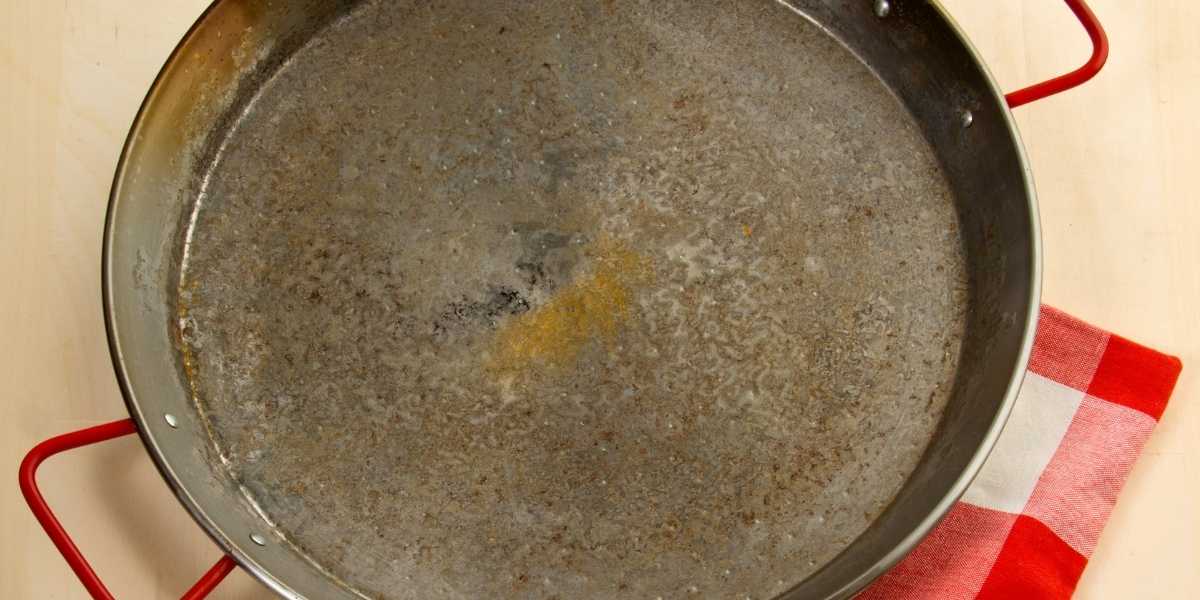
Deep cleaning (with vinegar or baking soda) is only needed for stains or burnt-on food. Over-seasoning can cause sticky oil buildup, so wipe off any extra oil.
For regular cooks, a light re-season every 2–3 uses is enough. If you rarely cook, oil the pan before storing, especially in humid environments.
Credit: machika.com
Caring For Your Paella Pan Between Uses
A clean pan is only half the battle—proper storage keeps it ready for your next meal.
- Store in a dry, cool area.
- Place a paper towel or cloth between stacked pans.
- Check for rust every few weeks (carbon steel).
- If not used for months, wash and re-oil before cooking.
Some cooks hang their pans on a wall, which looks great and keeps them dry.
How To Remove Odors From A Paella Pan
Strong spices, seafood, or garlic can leave smells in your pan. To remove them:
- Rinse with vinegar and water.
- Rub with a cut lemon and salt, then rinse.
- Air-dry in sunlight for an hour if possible.
Odors are rare in well-seasoned pans, but stainless steel or enameled pans can hold smells. Lemon and salt is a natural, safe deodorizer.

Credit: originalpaella.com
When To Replace Your Paella Pan
With good care, a quality paella pan can last decades. But sometimes, replacement is best:
- Deep cracks or warping (from overheating or dropping).
- Large chips in the enamel (risk of rust and flaking).
- Nonstick coating peeling or flaking.
- Repeated rust that won’t go away.
A well-used pan develops color and patina—that’s normal. Only replace if the pan is unsafe or the food sticks badly even after seasoning.
Eco-friendly Cleaning Options
If you prefer natural cleaning, skip harsh chemicals and use these:
- Baking soda and salt: Scrub stains and stuck food.
- White vinegar: Lifts discoloration and odors.
- Lemon juice: Cuts grease and smells.
- Biodegradable soaps: Safe for all pan types.
Extra tip: Save used lemon halves from cooking to clean your pan naturally.
Can You Use The Dishwasher?
This depends on your pan:
- Carbon steel: Never.
- Stainless steel: Sometimes, but hand wash lasts longer.
- Enameled: Usually safe, but chips can occur.
- Nonstick: Hand wash is best, even if “dishwasher safe.”
Dishwashers can cause rust, fade seasoning, and shorten pan life. Always check your pan’s instructions.
Comparing Paella Pan Materials For Cleaning Ease
Some materials are easier to clean than others. Here’s a comparison:
| Material | Rust Risk | Seasoning Needed | Cleaning Difficulty |
|---|---|---|---|
| Carbon Steel | High | Yes | Medium |
| Stainless Steel | Low | No | Easy |
| Enameled Steel | Low | No | Easy |
| Nonstick | Low | No | Very Easy |
Stainless steel is popular for its low maintenance, but carbon steel gives the most authentic flavor. The extra care needed is worth it for many paella lovers.
Safety Considerations When Cleaning
- Always let the pan cool before cleaning.
- Avoid mixing vinegar with bleach or other strong chemicals.
- Wear gloves if using strong cleaners or steel wool.
- Don’t leave cleaning products on the pan—rinse well.
Non-obvious insight: Even a small amount of cleaner left on the pan can affect food taste and safety.
Learning From Experts
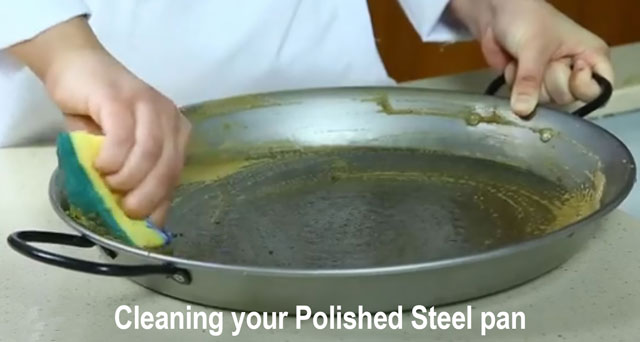
Spanish chefs often say, “A well-cared paella pan is part of the recipe. ” Many never use soap on their carbon steel pans, relying on hot water, salt, and a strong seasoning layer. Home cooks can follow their lead, but it’s okay to use a little soap if you rinse and season after.
For more on traditional methods, the Wikipedia page on paella has cultural and technical details that add context to caring for your cookware.
Credit: www.thepaellacompany.co.uk
Frequently Asked Questions
How Do I Clean Burnt Rice From My Paella Pan?
Fill the pan with water and a few drops of dish soap, then simmer for 10 minutes. Let it cool, then gently scrape with a plastic or wooden tool. For carbon steel, finish with a salt scrub and a light oiling.
Can I Use Steel Wool On My Paella Pan?
Steel wool is safe only for carbon steel pans with rust or burnt spots, but use gently. Never use steel wool on nonstick or enameled pans, as it will cause damage.
Why Does My Carbon Steel Pan Rust So Easily?
Carbon steel rusts when left wet or un-oiled. Always dry your pan completely and rub with a thin layer of oil before storing. Even short exposure to moisture can start rust.
Is It Safe To Use Dish Soap On Carbon Steel Paella Pans?
A small amount of mild dish soap is safe if you rinse well and re-season after. Too much soap can strip the seasoning, so use sparingly.
How Often Should I Season My Paella Pan?
Season your carbon steel pan after every use, especially if you’ve scrubbed hard or used soap. For light cleaning, oiling every 2–3 uses is enough.
A clean paella pan not only looks good but also cooks better. With these tips, you can enjoy authentic paella and keep your pan in top shape for many delicious meals to come.