
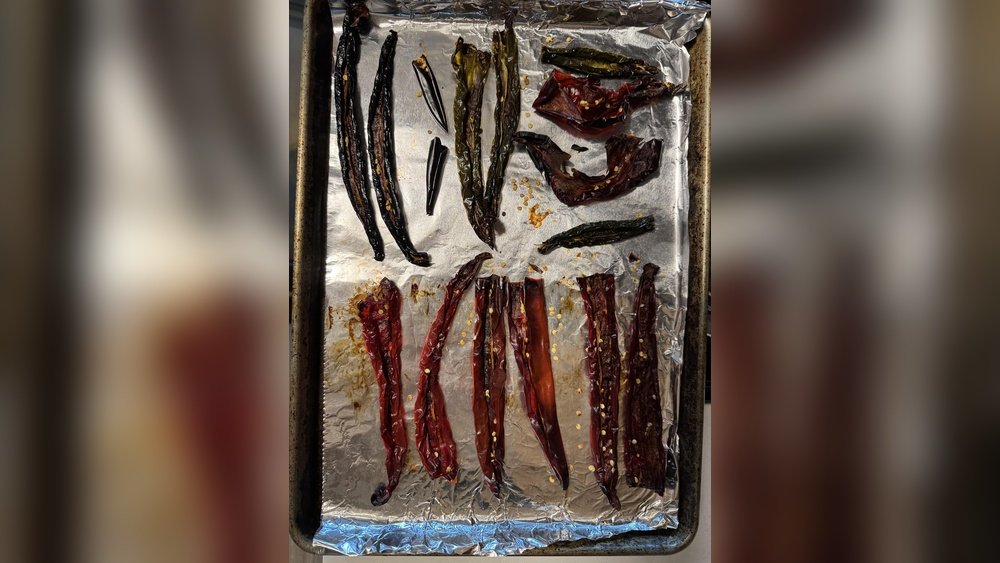
Drying peppers in an oven is one of the simplest and most reliable ways to preserve their flavor and heat for months. If you grow your own peppers, or buy them in bulk, learning this method can help you reduce food waste, save money, and always have a supply of dried peppers for cooking.
Oven drying is accessible to almost everyone, and with a few careful steps, you can get consistent results at home.
Many people think drying peppers is difficult or only for experts. In reality, it’s a process anyone can master with a little practice. This guide will walk you through every detail, from choosing the right peppers to storing the finished product.
You’ll learn how to avoid common mistakes, get even drying, and use your dried peppers in creative ways. There are also some important safety tips, especially when handling hot varieties.
By the end, you’ll feel confident drying any type of pepper, whether you want to make spicy flakes, smoky powder, or crunchy snacks. Let’s dive into everything you need to know about how to dry peppers in an oven.
Why Dry Peppers?
Drying is one of the oldest food preservation methods. When you dry peppers, you remove most of their water content. This prevents bacteria and mold from growing, making the peppers last much longer. Dried peppers keep their flavor, heat, and even color for months or years if stored correctly. Here’s why many home cooks prefer dried peppers:
- Long shelf life: Properly dried peppers can last 6 to 12 months, sometimes longer.
- Convenience: They take up less space and are easy to store.
- Intense flavor: Drying concentrates the pepper’s natural taste.
- Versatility: You can use dried peppers whole, crushed, or ground into powder.
- No need for refrigeration: Unlike fresh peppers, dried ones don’t need a fridge or freezer.
Drying peppers in an oven is faster than air drying, and you don’t need special equipment like a dehydrator. For people living in humid climates, oven drying is often the only reliable method.
Choosing The Right Peppers
Not all peppers dry the same way. Some are thick and juicy, while others are thin and perfect for drying. Here’s what you should consider:
Best Pepper Types For Oven Drying
- Cayenne
- Jalapeño
- Serrano
- Thai chili
- Anaheim
- Habanero
- Ghost pepper (for advanced users)
Thin-walled varieties dry faster and more evenly. Bell peppers can also be dried, but they take longer because they have thicker flesh.
What To Avoid
- Peppers with soft spots or mold
- Overripe peppers (they can become mushy)
- Peppers with thick walls (unless you’re ready for longer drying times)
If you want to dry large, thick peppers, slice them into thin pieces first. This helps them dry evenly and prevents mold.
Preparing Peppers For Drying
Proper preparation is key to safe and effective drying. Here’s how to get started:
- Wash the peppers under cool water to remove dirt and pesticides. Dry them with a clean towel.
- Remove stems and seeds if you want a milder flavor or smoother powder. For hotter flakes or powder, leave some seeds in.
- Slice the peppers. For small, thin-walled peppers (like Thai chili or cayenne), you can dry them whole. For thicker peppers, cut them in half or into rings about ¼ inch thick.
- Check for uniformity. Try to make all pieces about the same size. This helps them dry at the same rate.
Pro tip: Wear gloves when handling hot peppers. The oils can irritate your skin and eyes.
Equipment Needed
Drying peppers in an oven doesn’t require fancy gadgets, but a few basic tools will make the process easier:
- Oven: Any standard home oven works. Convection ovens provide better airflow, but a regular oven is fine.
- Baking trays: Use rimmed trays to prevent peppers from slipping off.
- Wire racks (optional): Placing peppers on racks allows air to circulate more evenly.
- Parchment paper: Prevents sticking and makes cleanup easier.
- Knife and cutting board: For slicing.
- Gloves: For hot peppers.
- Airtight containers or jars: For storage.
A digital thermometer is helpful but not required.

Credit: www.youtube.com
Setting Up The Oven For Drying
The biggest challenge in oven drying is keeping the temperature low enough. Most ovens have a lowest setting of 170–200°F (77–93°C). Peppers dry best at 125–150°F (52–65°C), but you can still get good results with a regular oven.
Oven Setup Steps
- Set your oven to the lowest temperature possible. If your oven only goes as low as 170°F, prop the door open 1–2 inches using a wooden spoon or heat-safe object. This lowers the temperature and lets moisture escape.
- Arrange peppers on trays in a single layer. Use parchment paper or wire racks to improve airflow.
- Space peppers apart so they’re not touching. Crowded peppers trap steam and may mold.
Important insight: Most ovens have “hot spots.” Rotate trays every hour to ensure even drying.
Step-by-step Guide: Drying Peppers In An Oven
Follow these steps for perfect results:
1. Preheat Your Oven
Set your oven to its lowest setting. This usually ranges from 170°F to 200°F. If possible, use an oven thermometer to check the actual temperature inside—many home ovens run hotter than the display shows.
2. Arrange The Peppers
- Lay peppers in a single layer on your tray or wire rack.
- Make sure cut sides face up. This exposes the moist interior to the hot air.
- For very small peppers, you can dry them whole.
3. Start Drying
- Place trays in the oven.
- If your oven runs hot, leave the door cracked open 1–2 inches. This prevents “cooking” the peppers and helps moisture escape.
- Watch for signs of burning, especially with thin peppers.
4. Check And Rotate
- Every 60–90 minutes, rotate trays and flip peppers if needed.
- Peppers are done when they feel brittle and break easily.
- Total drying time: 4–10 hours, depending on pepper size, thickness, and oven temperature.
5. Test For Doneness
- Cool a pepper for 2–3 minutes.
- Try to snap it in half. If it bends or feels leathery, it needs more time.
- Fully dried peppers will snap cleanly.
Common mistake: Removing peppers too soon. Any leftover moisture can cause mold during storage.
6. Cool And Condition
- Let peppers cool completely before storage.
- Place dried peppers in a jar for 2–3 days. Shake the jar daily. If you see condensation, they need more drying time.
- This step, called conditioning, evens out moisture and prevents spoilage.

Credit: chili-plants.com
Oven Drying Time Comparison
Different peppers and slicing methods change drying time. See this comparison:
| Pepper Type | Form | Approximate Oven Drying Time |
|---|---|---|
| Cayenne | Whole | 4–6 hours |
| Jalapeño | Sliced | 6–8 hours |
| Bell Pepper | Rings | 8–10 hours |
| Habanero | Halved | 5–7 hours |
| Thai Chili | Whole | 4–5 hours |
These times are for an oven at 170–180°F with the door slightly open. Always check your peppers regularly, as actual times can vary.
Safety Tips When Drying Hot Peppers
Peppers contain capsaicin, the compound that makes them hot. When you dry hot varieties in an oven, capsaicin can become airborne and irritate your eyes, nose, or throat. To stay safe:
- Wear gloves when handling hot peppers.
- Avoid touching your face or eyes during prep.
- Ventilate your kitchen by opening windows or turning on a fan.
- Keep children and pets away from the kitchen while drying.
- Consider wearing goggles if you are sensitive or drying very hot peppers (like habanero or ghost).
Non-obvious insight: Capsaicin can stay on surfaces. Clean your cutting board, knife, and trays with hot, soapy water after use.

Credit: www.reddit.com
How To Store Dried Peppers
Proper storage keeps your peppers fresh and flavorful for months.
- Cool completely before storing. Warm peppers can create condensation.
- Use airtight containers. Glass jars with tight lids, vacuum-sealed bags, or food-safe plastic containers work best.
- Store in a cool, dark place. Sunlight and heat fade flavor and color.
- Label containers with the pepper type and drying date.
If you see moisture in the container after a few days, redry the peppers to prevent mold.
Shelf Life Comparison
How long will your dried peppers last? See this quick guide:
| Storage Method | Estimated Shelf Life |
|---|---|
| Airtight Jar in Pantry | 6–12 months |
| Vacuum-Sealed Bag | 12–18 months |
| Freezer | 2+ years |
For best flavor, use dried peppers within a year.
Using Your Dried Peppers
Dried peppers are very versatile in the kitchen. Here are some ways to use them:
- Crush into flakes: Use a mortar and pestle, or pulse in a blender for homemade red pepper flakes.
- Grind into powder: Use a spice grinder for fresh chili powder or paprika.
- Rehydrate: Soak in hot water for 15–30 minutes to use in soups, stews, or sauces.
- Infuse oils or vinegars: Add a dried pepper to olive oil or vinegar for extra flavor.
- Add whole: Toss a whole dried pepper into a pot of beans or stew for gentle heat.
Non-obvious insight: Removing seeds before grinding reduces bitterness in chili powder.
Troubleshooting Common Problems
Even experienced cooks run into issues. Here’s how to solve the most common problems:
Peppers Won’t Dry Fully
- Check oven temperature; it might be too low.
- Slices may be too thick—try thinner pieces.
- Overcrowded trays block airflow; spread peppers out.
Peppers Burn Or Brown
- Oven is too hot—always dry at the lowest setting.
- Some ovens have strong top heat; move trays to a lower rack.
Peppers Mold During Storage
- Not fully dry—test again by snapping.
- Storage container not airtight.
Uneven Drying
- Rotate trays and flip peppers every hour.
- Use wire racks for better airflow.
Creative Ways To Use Oven-dried Peppers
Drying peppers is just the start. Once you have a batch, try these creative ideas:
- Homemade chili powder: Blend dried peppers with garlic powder, onion powder, cumin, and salt.
- Pepper-infused salt: Mix crushed dried peppers with coarse sea salt.
- DIY spice blends: Combine with other dried herbs for unique rubs or marinades.
- Hot sauce base: Rehydrate dried peppers and blend with vinegar and spices.
- Decorative kitchen jars: Display colorful dried peppers for a rustic look.
Practical tip: Dried peppers make great gifts for friends who love spicy food.
Comparing Oven Drying Vs. Other Methods
Is oven drying the best method for you? Here’s a side-by-side look:
| Drying Method | Time Required | Flavor Retention | Ease of Use |
|---|---|---|---|
| Oven Drying | 4–10 hours | Good | Easy; most homes have ovens |
| Dehydrator | 6–12 hours | Excellent | Requires special equipment |
| Air Drying | Up to 2 weeks | Good, but less reliable in humid climates | Easy but slow |
| Microwave | 30–60 minutes | Risk of burning, uneven results | Fast, not recommended for large batches |
Oven drying is the best choice if you want a balance between speed, ease, and quality.
Additional Tips For Success
- Don’t rush: Low and slow is the secret to perfect dried peppers.
- Mix types carefully: Dry sweet and hot peppers separately to control flavor and heat.
- Label everything: Once dried, many peppers look alike.
- Wear gloves for all hot varieties—even mild ones can irritate some people.
- Experiment: Try drying different shapes and sizes to find your favorite style.
Unexpected tip: Save pepper seeds for planting next year. Dry them separately and store in a cool, dry place.
Nutritional Benefits Of Dried Peppers
Dried peppers are not just about flavor—they’re healthy too. Drying peppers preserves most of their vitamin C, vitamin A, and antioxidants. They’re low in calories and add a spicy kick to foods without fat or sugar.
For example, one tablespoon of dried chili flakes contains only about 6 calories, but adds color, flavor, and heat to any meal. Some studies even suggest that capsaicin may boost metabolism and support heart health.
To learn more about the nutrition of peppers, visit this Wikipedia article on chili peppers.
Frequently Asked Questions
How Do I Know When My Peppers Are Fully Dried?
Fully dried peppers feel crisp and brittle. When you try to break one, it should snap cleanly. If it bends or feels leathery, it still contains moisture and needs more drying time.
Can I Dry Peppers In A Toaster Oven?
Yes, as long as your toaster oven can hold a low, steady temperature (170–200°F). Keep the door slightly open, and watch carefully, as small ovens heat up faster and may burn thin peppers quickly.
What Should I Do If My Dried Peppers Get Moldy?
If you see mold, discard the entire batch—mold can produce toxins that are not safe to eat. To prevent this, always dry peppers fully and store them in airtight containers in a cool, dry place.
Can I Dry Both Sweet And Hot Peppers Together?
It’s better to dry them separately. Hot pepper oils can transfer to sweet peppers, making them unexpectedly spicy. Separate drying also helps you control flavor and heat.
Is It Safe To Grind Dried Peppers Into Powder At Home?
Yes, but do it in a well-ventilated area, and wear a mask or cover your nose and mouth. Grinding releases fine powder and capsaicin, which can irritate your airways. Clean your grinder thoroughly after use.
Drying peppers in an oven is practical, rewarding, and gives you a steady supply of vibrant, flavorful spice for your kitchen. With a little care and these tips, you can enjoy the taste and heat of summer peppers all year long.