
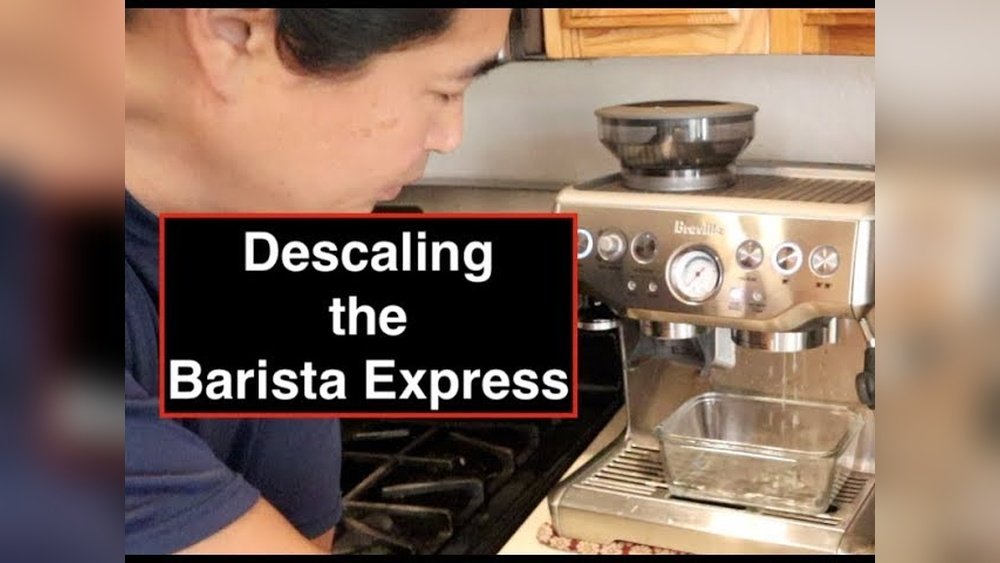
The Breville Barista Express is a favorite among coffee lovers who want café-style espresso at home. However, to keep your machine working perfectly, regular descaling is essential. Over time, minerals from water build up inside the coffee maker. If you ignore this, you may notice poor coffee taste, weak steam, or even machine breakdown. Many owners only remember to descale when problems start. In reality, a good cleaning routine can make your Barista Express last much longer and keep your drinks tasting fresh.
Descaling is not just about removing white stains or scale. It’s about protecting the delicate parts inside your machine—like the boiler and pipes—so they don’t get blocked. Many people worry that descaling is complicated, but with the right steps, anyone can do it.
If you’ve never descaled before, or if you just want to be sure you’re doing it right, this guide will walk you through everything you need to know. You’ll also learn how to avoid common mistakes that could damage your coffee maker.
Why Descaling Your Breville Barista Express Is Important
Even if your Barista Express still makes coffee, mineral buildup can cause hidden issues. Hard water, which is common in many areas, contains calcium and magnesium. These minerals settle inside the machine over time. Here’s why descaling matters:
- Better coffee taste: Minerals can change the flavor of espresso, making it taste bitter or flat.
- Longer machine life: Limescale can damage the pump and heater. Regular descaling helps prevent expensive repairs.
- Improved steam and pressure: Blocked pipes mean weak steam and slow coffee flow.
- Consistent temperature: Scale acts as insulation, so your machine may not heat water properly.
Some users are surprised to learn that even filtered water can cause buildup. That’s why descaling is needed, no matter which water you use.
What Happens If You Don’t Descale
It’s easy to skip a cleaning, but the effects add up. Without descaling, you might notice these problems:
- Slow brewing: Water moves through scale deposits more slowly.
- Noisy operation: The pump works harder, sometimes making loud sounds.
- Error lights: Your machine may flash warning lights or stop working.
- Broken parts: Limescale can crack heating elements or jam valves.
In the worst cases, ignoring descaling can mean buying a new coffee maker much sooner than expected.
How Often Should You Descale The Barista Express?
Manufacturers recommend descaling every 2–3 months. However, your schedule may change based on:
- Water hardness: Harder water means more frequent descaling.
- Frequency of use: If you make several coffees daily, descale more often.
- Filter use: Using a water filter helps, but doesn’t eliminate the need.
Some machines have a descale indicator light. On the Barista Express, you might see a flashing “Clean Me” light, but this is for cleaning the group head, not descaling. You’ll need to track descaling yourself. If in doubt, descale at least every 90 days.
How To Test Your Water Hardness
You can find water hardness test strips at hardware stores or online. Some cities also publish water hardness levels. If your water is:
- Soft (0–60 mg/L calcium carbonate): Descale every 3–4 months.
- Moderate (61–120 mg/L): Every 2–3 months.
- Hard (121–180 mg/L or more): Every 1–2 months.
What You Need To Descale Breville Barista Express
Before you start, gather these items:
- Breville Barista Express machine
- Descaling solution (Breville brand or other espresso-safe descaler)
- Large container (at least 2 liters, to catch water)
- Fresh water
- Empty portafilter and filter basket
- Cleaning cloth
Choosing The Right Descaling Solution
You might see different products: powder, liquid, or tablets. Always use a descaler made for espresso machines. Avoid vinegar—while cheap, it can damage seals and leave strong odors. Breville recommends their own brand, but other brands like Urnex are also safe.
Descaling Solution Comparison
Here’s a quick look at popular options:
| Brand | Type | Safe for Espresso | Odor | Approx. Price (per use) |
|---|---|---|---|---|
| Breville Eco | Liquid | Yes | Low | $2.50 |
| Urnex Dezcal | Powder | Yes | None | $1.00 |
| Vinegar | Liquid | No (not recommended) | Strong | $0.20 |
| Citric Acid | Powder | Yes | Low | $0.50 |
Step-by-step Guide: How To Descale Breville Barista Express
Let’s walk through each stage, so you can clean your machine safely and thoroughly. Set aside about 30–40 minutes for the whole process.
1. Preparation
- Turn off the Barista Express and let it cool if it was just used.
- Remove the portafilter and any coffee grounds or baskets.
- Empty the drip tray and water tank.
- Place a large container under the group head and steam wand to catch water.
2. Mixing The Descaling Solution
- Fill the water tank with the amount of water recommended on your descaler’s instructions (usually about 1 liter).
- Add the right amount of descaling solution. For Breville Eco, use 1 packet; for Urnex Dezcal, follow their directions.
- Mix gently to dissolve.
3. Entering Descale Mode
The Barista Express doesn’t have a special “descale” button, but you can use a combination of buttons:
- Plug in and turn off the machine (power button off, but plugged in).
- Hold the “2 CUP” and “Power” buttons at the same time for 5 seconds. The machine will beep, and the lights will start to flash. This means you’re in descale mode.
4. Flushing The Solution Through The Machine
- Press the “1 CUP” button. The solution will start to run through the group head.
- Let it flow until the water tank is about half empty, or for about 30–60 seconds.
- Press the “Steam” button. This will send the solution through the steam wand. Let it run for 10–15 seconds.
- If your descaler suggests longer contact time, pause the process for 5–10 minutes to allow the solution to work.
- Continue alternating between the “1 CUP” and “Steam” buttons until the tank is empty.
How The Solution Cleans
The descaler breaks down calcium and magnesium deposits inside the pipes, boiler, and wand. By running it through all paths, you ensure full coverage.
5. Rinsing The Machine
Descaling chemicals can leave a taste or smell if not rinsed well. To rinse:
- Remove the water tank, rinse it thoroughly, and fill it with fresh water.
- Replace the tank.
- Run the “1 CUP” and “Steam” cycles again, using only clean water, until the tank is empty.
- Repeat with a second tank of clean water for extra safety.
6. Final Checks And Reset
- Wipe down the drip tray, group head, and steam wand with a damp cloth.
- Replace the portafilter and baskets.
- Run a quick blank shot (no coffee, just water) to ensure no taste of descaler remains.
Your Barista Express is now ready for brewing again.

Credit: www.wikihow.com
Extra Tips For Descaling Success
Descaling is simple, but a few extra steps can make it more effective and prevent mistakes.
Use Filtered Or Softened Water
Switching to filtered water reduces mineral buildup. Even a basic pitcher filter makes a difference. However, you still need to descale, just less often.
Clean The Steam Wand After Each Use
Milk can block the steam wand and make future descaling harder. Always purge steam and wipe with a cloth after steaming milk.
Don’t Delay Rinsing
Leaving descaler inside the machine too long can damage seals. Always rinse thoroughly as soon as you finish descaling.
Check For Leaks
After descaling, inspect around the drip tray and water tank for leaks. Sometimes limescale can hide small cracks that only show up after cleaning.
Keep A Maintenance Log
Write down descaling dates in a notebook or on your phone. This helps you remember and spot any patterns if problems occur.
Common Mistakes People Make When Descaling
Even careful owners can make errors. Here are some issues to avoid:
- Using vinegar: As mentioned earlier, vinegar is acidic and can break down rubber parts. It may also void your warranty.
- Not rinsing enough: Failing to flush with clean water can leave a strange taste.
- Forgetting to descale the steam wand: It also collects scale, so run solution through it too.
- Mixing cleaning and descaling: These are different tasks. Cleaning removes coffee oils; descaling removes minerals.
- Ignoring small leaks: After descaling, a new leak may mean a loose seal or old gasket. Fix it quickly to avoid bigger problems.
- Not following the right order: Always run the descale solution first, then rinse, never the other way around.
How Descaling Affects Coffee Quality
Some users notice a big difference in their espresso after descaling. Here’s how it impacts coffee quality:
- More stable temperature: Water heats up faster and stays at the right level.
- Better crema: Fresh, clean water helps create a thicker crema layer on espresso.
- Consistent pressure: Scale can block the pump, making pressure drop. Descaling restores normal flow.
- Cleaner taste: No bitterness or chemical flavors.
If your coffee suddenly tastes off, descaling is often the fastest fix.
Taste Comparison: Before And After Descaling
Let’s look at how the taste can change when you descale regularly:
| Before Descaling | After Descaling |
|---|---|
| Bitter, sour, or flat flavor | Richer, balanced taste |
| Weak crema | Thicker crema |
| Low temperature | Hotter, more stable |
| Slow extraction | Proper flow and pressure |
Differences Between Cleaning And Descaling
Many people think cleaning and descaling are the same, but they target different problems.
- Cleaning: Removes coffee oils, grounds, and milk residue. Use cleaning tablets for this.
- Descaling: Removes mineral buildup from water. Use a descaling solution.
You need both for best results. Cleaning tablets go in the portafilter and focus on the group head. Descaler goes in the water tank and flows through the whole machine.
Quick Reference: Cleaning Vs. Descaling
| Action | What It Removes | How Often | Product Used |
|---|---|---|---|
| Cleaning | Coffee oils, grounds | Every 1–2 weeks | Cleaning tablets |
| Descaling | Mineral deposits | Every 2–3 months | Descaling solution |
Signs Your Barista Express Needs Descaling
Sometimes, you can spot problems before they get serious:
- Water flow slows down
- Steam wand loses pressure
- Coffee tastes dull or bitter
- Machine gets noisy
- Temperature drops
- Warning lights or error codes appear
If you notice these, don’t wait—descale as soon as possible.
How To Avoid Descale-related Damage
The Barista Express is a strong machine, but even it can suffer damage if descaling isn’t done right. Here’s what to watch for:
- Use only recommended solutions: Some homemade mixtures are too harsh.
- Follow the right steps: Skipping or reversing steps can leave chemicals inside.
- Don’t use boiling water: Lukewarm or room temperature is best for the water tank.
- Replace old gaskets if needed: If you spot leaks after descaling, a gasket may need changing.
- Store with the tank empty: If you’re not using the machine for a while, empty the tank to avoid scale build-up from standing water.

Credit: www.bibliotecaoscura.com
Advanced Tips For Experienced Users
If you’re comfortable with machine maintenance, you can take extra steps for a deep clean:
Descale The Shower Screen And Group Head
Sometimes scale builds up behind the shower screen (where water comes out). To remove and clean it:
- Use a screwdriver to remove the screen and screw.
- Soak in descaling solution for 10–15 minutes.
- Scrub gently with a brush.
- Reattach carefully.
Use A Water Softener
Some users add a small water softener filter to the tank. This can cut down on scale and extend the time between descales. Breville offers its own filters for this purpose.
Test After Descaling
After rinsing, taste a plain shot of water from the group head. If it tastes clean, you’re ready for coffee. If not, rinse again.
The Cost Of Skipping Descaling
It’s tempting to put off maintenance, but it can cost you more in the long run. Repairing a blocked pump or replacing a heating element can cost $100–$200—sometimes almost the price of a new machine. Most repairs are not covered by warranty if caused by scale buildup.
In contrast, a packet of descaling powder costs about $1–$3 and can save you hundreds over the lifetime of your machine.
Credit: www.youtube.com
Useful Resources For Breville Owners
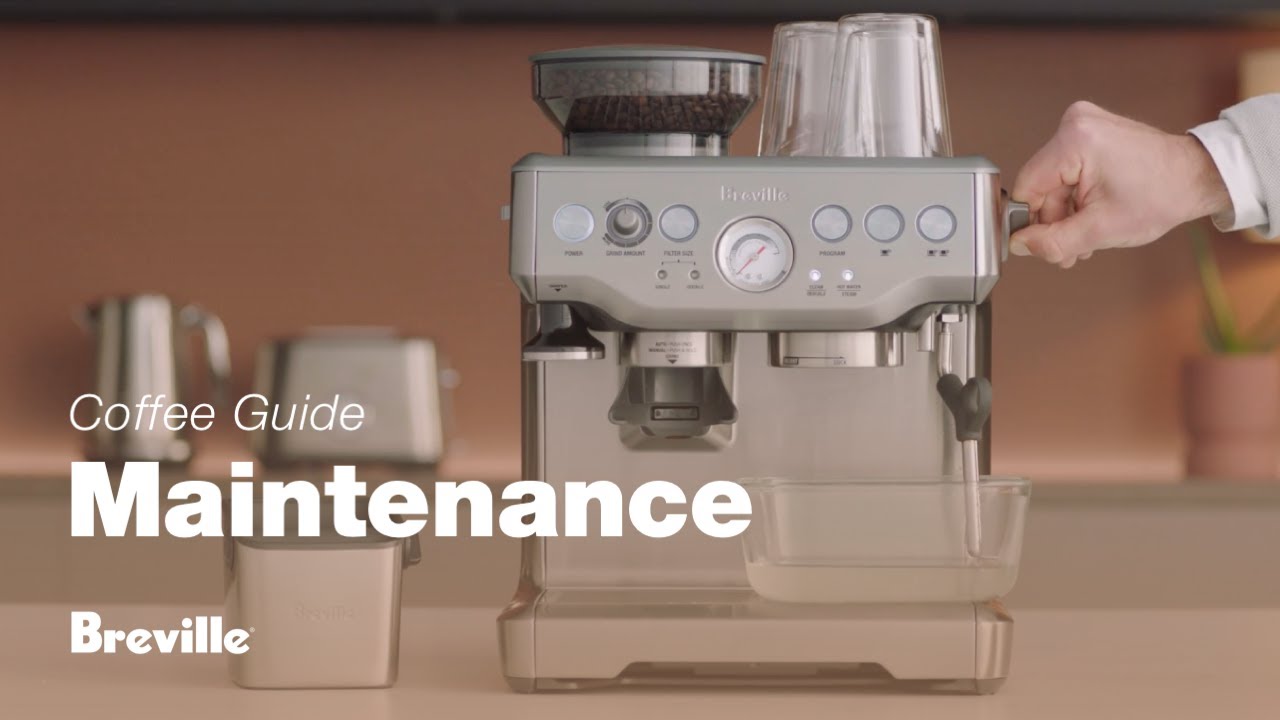
If you want to learn more about caring for your Barista Express, the official Breville site has downloadable manuals and videos. For more in-depth advice on water quality and espresso, check out Home Barista.
Frequently Asked Questions
How Do I Know When To Descale My Barista Express?
There is no descale light on the Barista Express. It’s best to descale every 2–3 months or if you notice slow water flow, weak steam, or changes in taste. If you use hard water, descale more often.
Can I Use Vinegar To Descale My Breville Barista Express?
No. Vinegar can harm seals and leave a strong taste. Always use a descaler made for espresso machines, like Breville Eco or Urnex Dezcal.
What If I Forgot To Rinse After Descaling?
If you didn’t rinse, run at least two full tanks of fresh water through both the group head and steam wand. This will remove any leftover chemicals and prevent strange tastes.
How Long Does The Descaling Process Take?
It usually takes about 30–40 minutes, including setup, running the solution, rinsing, and cleaning up. Don’t rush—good rinsing is important for safety and taste.
Is It Safe To Drink Coffee Right After Descaling?
Yes, but only if you have thoroughly rinsed the machine with clean water. If your coffee tastes strange or chemical, rinse again before brewing more espresso.
Taking good care of your Breville Barista Express doesn’t have to be stressful. With these clear steps, you’ll protect your investment, enjoy better coffee, and avoid costly repairs. Regular descaling is a simple task with big rewards for any home barista.