
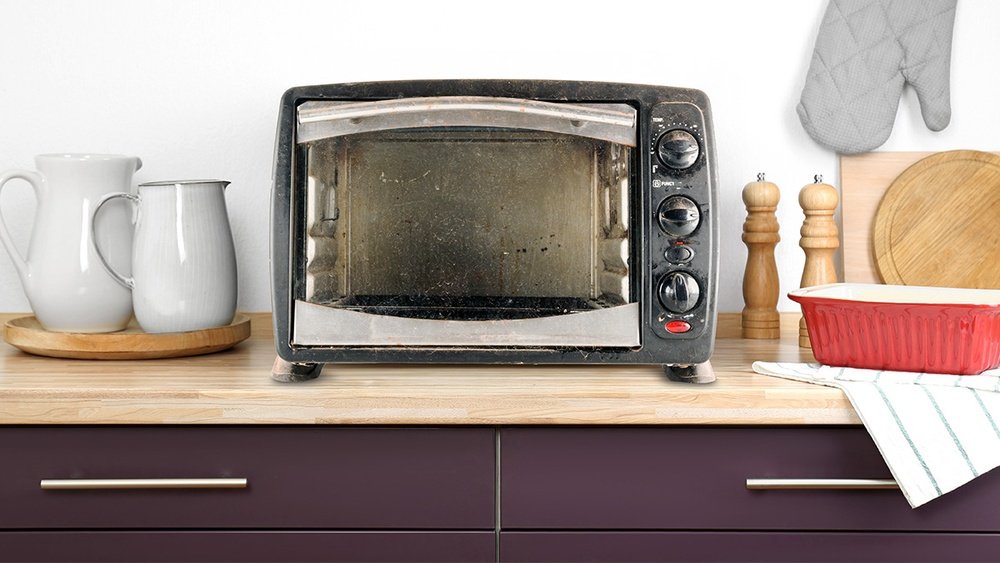
A toaster oven is a common appliance in many kitchens. It can last for years, but eventually, every toaster oven reaches the end of its life. Maybe yours stopped heating, or the timer broke. Sometimes, people upgrade to a bigger or more energy-efficient model.
But what do you do with the old one? Tossing it in the trash is not a good idea. Toaster ovens have metal, plastic, glass, and sometimes electronic parts. If not disposed of properly, these materials can harm the environment and, in some places, it is even illegal to throw them in the regular garbage.
Getting rid of a toaster oven sounds simple, but there are important steps to follow. You need to think about safety, local laws, recycling options, and the impact on the environment. Many people are surprised to learn that there are several ways to dispose of a toaster oven responsibly.
If you want to help the planet and avoid fines, it is essential to follow the right process. This article explains all the safe and legal ways to get rid of a toaster oven, from recycling to donating, and gives tips that most beginners miss.
Whether your toaster oven is still working or completely broken, you will find the best option for your situation.
Why Proper Disposal Of A Toaster Oven Matters
When people hear “dispose of a toaster oven,” they often think about simply throwing it away. But this can cause problems. Toaster ovens contain materials like metals, wires, and sometimes even small circuit boards. If these end up in landfills, they may release toxins into the soil and water. Some parts, like heating elements, can be dangerous if not handled correctly. Plus, many communities have rules about electronic waste.
Throwing a toaster oven in the trash can lead to:
- Environmental pollution from heavy metals and plastics
- Wasted resources if valuable metals are not recycled
- Fines or penalties for breaking local disposal laws
By following the proper steps, you help protect the environment and may even give your toaster oven a second life.
Understanding What Is Inside A Toaster Oven
Before deciding how to dispose of your toaster oven, it helps to know what it is made of. A toaster oven is not just metal and glass. It also has:
- Heating elements (usually made of nichrome wire)
- Electronic parts (timers, switches, sometimes circuit boards)
- Plastic parts (handles, knobs, feet)
- Glass doors or trays
- Metal casing (aluminum or steel)
- Wiring (copper or aluminum)
Some older models may even have small amounts of hazardous materials, like lead solder or asbestos insulation. This is rare in modern ovens, but always check if your toaster oven is very old (from before the 1980s).
Knowing these details helps you choose the best way to get rid of your toaster oven and avoid risks.
Laws And Regulations About Appliance Disposal
Many cities and states have rules for getting rid of small appliances. In the United States, electronic waste (often called e-waste) laws are strict in some places. California, for example, bans electronics from landfills. Other states have special programs for appliance recycling.
- Check local laws: Search your city or state website for appliance or e-waste disposal rules.
- Fines for illegal dumping: Penalties can range from $50 to $500 or more.
- Special pickup days: Some towns have collection events for small appliances.
If you are not sure, call your local waste management company. They can tell you how to dispose of a toaster oven safely in your area.
Preparing Your Toaster Oven For Disposal
No matter which method you choose, always prepare your toaster oven first. This helps keep workers safe and makes recycling easier.
- Unplug the toaster oven and let it cool completely.
- Remove crumbs, trays, and racks. Wash these if you plan to recycle or donate.
- Check for batteries. Some toaster ovens have digital timers or clocks with small batteries. Remove them and dispose of them separately according to battery recycling rules.
- Clean the exterior. Wipe off grease or food so it is safe to handle.
- Check for recalls. If your toaster oven is recalled, contact the manufacturer. They may offer a return or special disposal instructions.
These steps make the process smoother for everyone.
Safe And Responsible Ways To Dispose Of A Toaster Oven
There are several options for getting rid of a toaster oven. The right choice depends on the oven’s condition and your local options.
1. Recycling At A Local Facility
Most toaster ovens can be recycled. The metal, glass, and some plastic can be separated and used again. Many recycling centers accept small appliances, but always call ahead to confirm.
How to recycle:
- Find your local appliance recycling center
- Ask if they take toaster ovens (some only accept larger appliances)
- Drop off your cleaned toaster oven during open hours
Some centers may charge a small fee, but many recycle small appliances for free.
Non-obvious insight: Some scrap metal yards will accept toaster ovens for the metal value, even if they do not have a dedicated appliance program. However, they may require you to remove non-metal parts.
2. Using E-waste Collection Events
Cities often host e-waste collection events where you can drop off electronics and small appliances. These are usually free for residents.
- Check your city’s website for upcoming e-waste events
- Bring your toaster oven (and other electronics) to the event
- Staff will direct you on where to place it
This is a simple, legal way to keep appliances out of landfills.
3. Retailer Take-back Programs
Some stores offer take-back or trade-in programs when you buy a new toaster oven. Examples include Best Buy, Staples, and Home Depot.
- Ask if the store will take your old toaster oven when you buy a new one
- Some programs accept appliances even if you do not make a new purchase
- They ensure recycling or proper disposal
Practical tip: Check for special promotions. Sometimes, stores offer discounts if you bring in an old appliance.
4. Manufacturer Recycling Programs
Some toaster oven brands have their own recycling programs. Brands like Breville and Cuisinart sometimes offer mail-in or drop-off recycling.
- Visit the brand’s website or call customer service
- Ask if they offer a recycling program for old appliances
- Follow their instructions for mailing or dropping off
Manufacturers often recycle responsibly, following strict rules.
5. Donating A Working Toaster Oven
If your toaster oven still works, consider donation. Many charities, thrift stores, or shelters welcome small appliances.
- Call ahead to see if they accept toaster ovens
- Clean and test your oven before donating
- Ask for a receipt if you want a tax deduction
Beginner mistake: Donating a broken toaster oven wastes the charity’s time and resources. Only donate appliances in good, safe working order.
6. Giving Away Or Selling Locally
There are many ways to give away or sell a toaster oven in your community.
- Post on neighborhood apps like Nextdoor or Facebook Marketplace
- Offer it for free or a low price
- Be honest about the condition
This method keeps the toaster oven in use and out of the landfill.
7. Bulk Trash Pickup (if Allowed)
Some cities offer bulk trash pickup for large or unusual items. Not all allow electronics or small appliances, so check first.
- Schedule a bulk pickup with your local waste service
- Place your toaster oven at the curb on the right day
- Follow any special instructions (such as labeling as e-waste)
Pro tip: Leaving a toaster oven at the curb without following rules can lead to fines or the item being left behind.
8. Dismantling For Scrap Metal
If recycling options are limited, you can take apart the toaster oven for scrap metal.
- Use a screwdriver to remove the metal parts
- Sort aluminum, steel, and copper separately
- Take metal parts to a scrap yard
This can be time-consuming, but some people earn a small amount of money for the metal.
9. Hazardous Waste Drop-off (if Required)
If your toaster oven is very old (before 1980) or has special parts, it may need to go to a hazardous waste facility.
- Call your city’s hazardous waste line for guidance
- Follow their instructions for drop-off
This is rare, but it is important for safety.
10. Upcycling Or Creative Reuse
Some people use old toaster ovens in creative ways.
- Use the metal case for a storage box
- Make a small greenhouse from the glass door
- Use racks as organizers
Upcycling is not for everyone, but it keeps the toaster oven out of the landfill.
Comparison: Toaster Oven Disposal Methods
Here is a side-by-side look at the main disposal options, their effort level, cost, and environmental impact.
| Method | Effort Level | Cost | Environmental Impact |
|---|---|---|---|
| Recycle Center | Low | Free/Small Fee | Very Positive |
| E-Waste Event | Low | Free | Very Positive |
| Retailer Take-Back | Low | Free | Very Positive |
| Donation | Medium | Free | Very Positive |
| Bulk Pickup | Low | Free/Small Fee | Neutral |
| Scrap Metal | High | Possible Small Profit | Positive |
| Hazardous Waste | Medium | Free | Very Positive |
| Upcycling | High | Free | Positive |
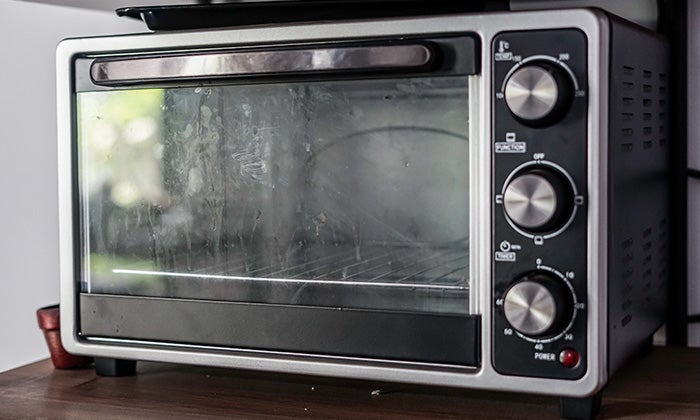
Credit: www.1800gotjunk.com
Key Materials In A Toaster Oven And Their Disposal Path
Understanding where each part of your toaster oven goes helps you recycle more responsibly.
| Part | Material | Disposal Path |
|---|---|---|
| Body | Steel/Aluminum | Metal recycling or scrap yard |
| Heating Element | Nichrome wire | Metal recycling (special treatment) |
| Tray/Rack | Steel/Aluminum | Metal recycling |
| Glass Door | Tempered glass | Special glass recycling |
| Plastic Handles/Feet | Plastic | Plastic recycling (if accepted) |
| Electronics (Timer/PCB) | Electronic components | E-waste recycling |
| Wiring | Copper/Aluminum | Metal recycling |
| Batteries (if any) | Battery (various) | Battery recycling |
Common Mistakes When Disposing Of A Toaster Oven
Many people make errors when getting rid of their small appliances. Avoid these common mistakes:
- Throwing it in regular trash: This may be illegal and harms the environment.
- Donating broken ovens: Charities cannot use or sell broken items.
- Forgetting to remove batteries: Batteries can leak and cause fires.
- Not cleaning the oven: Food residue can attract pests or make recycling unsafe.
- Ignoring local rules: Each city or region may have different requirements.
If you are not sure, always ask your local waste management or recycling center.
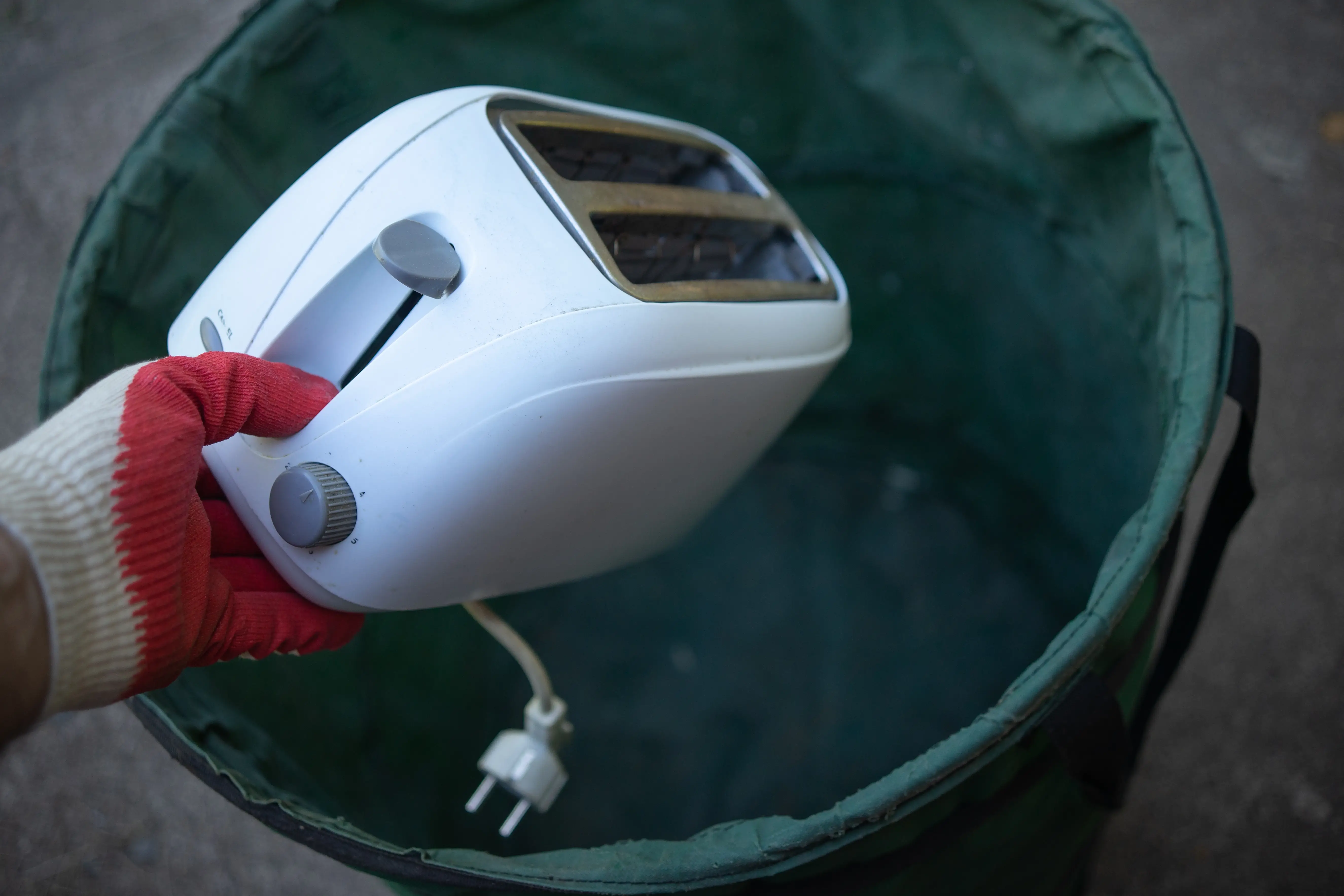
Credit: www.mrappliance.com
Real-world Examples
Let’s look at a few real-life situations:
- Sarah in Seattle: She upgraded her toaster oven and checked with her local recycling center. They accepted the oven for free and even gave her information about other appliances they recycle.
- Mike in Chicago: He listed his working toaster oven on Facebook Marketplace for $10. A student picked it up the same day. This kept the oven in use and helped someone on a budget.
- Ravi in New York: Ravi brought his broken toaster oven to an e-waste event hosted by the city. The workers separated the materials and made sure everything was recycled safely.
These stories show that there are simple and effective options, no matter where you live.
Environmental Impact Of Toaster Oven Disposal
Recycling and responsible disposal have a big impact on the planet. According to the Environmental Protection Agency (EPA), Americans throw away more than 2 million tons of small appliances each year. If not recycled, this waste sits in landfills for decades.
- Metals can be reused instead of mining for new resources.
- Electronics contain small amounts of heavy metals that can pollute water and soil.
- Plastic parts can take hundreds of years to break down.
Choosing to recycle or donate helps reduce pollution and saves energy. It also supports jobs in the recycling industry.
What Happens To A Toaster Oven After Recycling?
Many people wonder what happens after they drop off their toaster oven. Here’s a brief overview:
- Collection: The oven is collected by a recycling center or e-waste processor.
- Sorting: Workers separate metal, glass, plastic, and electronics.
- Shredding: Large machines break down the oven into smaller pieces.
- Material recovery: Magnets pull out steel, while other processes separate aluminum, copper, and glass.
- Processing: Materials are cleaned and sent to factories to make new products.
- Safe disposal: Hazardous parts (like batteries) are handled separately to avoid pollution.
Non-obvious insight: Some recycled toaster oven parts end up in things like new cars, computers, or even construction materials.
Can You Repair Instead Of Dispose?
Sometimes, a toaster oven only needs a simple fix. Before you toss it out, consider:
- Replacing the heating element
- Fixing a broken knob or switch
- Cleaning to solve minor issues
Repairing is cheaper than buying new and is even better for the environment. Many online guides or repair shops can help.
Beginner tip: If your oven is under warranty, contact the manufacturer before you try to repair it yourself.
How To Find Local Disposal Options
Every city is different. Here’s how to find the best local option:
- Search online: Use terms like “toaster oven recycling near me” or “appliance disposal [your city].”
- Contact your waste management company: They can give you rules and dates for pickups or drop-offs.
- Visit the local government website: Look for sections on recycling or e-waste.
- Ask at appliance stores: Many have information or take-back programs.
If you live in the US, you can also check the EPA’s e-waste page for national resources: EPA Electronics Donation and Recycling.
How To Transport And Store An Old Toaster Oven
If you cannot dispose of your toaster oven right away, store it safely:
- Keep it unplugged and clean
- Store in a dry place to prevent rust or pest problems
- Label it as “to be recycled” so it is not used by mistake
When transporting, use a box or bag to avoid injury from sharp edges.
Summary: Choosing The Best Disposal Option
Disposing of a toaster oven is not as simple as throwing it in the trash. The best method depends on your oven’s condition, local laws, and your preference for recycling or reuse. The most environmentally friendly choices are recycling, donation, or using retailer/manufacturer programs.
Always prepare your toaster oven by cleaning and removing batteries first.
If you follow these steps, you will help protect the planet, possibly avoid fines, and even give your toaster oven a new life. Responsible disposal is a small effort with a big impact.
Frequently Asked Questions
What Should I Do If My City Does Not Have A Toaster Oven Recycling Program?
Check with local scrap yards or larger recycling centers. Some cities allow you to bring small appliances even without a dedicated program. You can also use e-waste collection events or retailer take-back programs.
Can I Put A Toaster Oven In My Regular Recycling Bin?
No, toaster ovens should not go in curbside recycling bins. They contain mixed materials and electronics, which require special processing. Take them to a proper recycling center or e-waste event.
Is It Safe To Dismantle A Toaster Oven Myself?
It is safe if you unplug it first and use proper tools. Wear gloves to protect against sharp metal edges. Be careful with the heating element and glass. If you are unsure, leave it to professionals.
Can I Donate A Toaster Oven If It Is Missing A Tray Or Rack?
You can, but be honest about the missing parts. Some charities accept incomplete appliances, but most prefer items in good, complete condition. Always call before donating.
How Do I Find Out If My Toaster Oven Has Hazardous Materials?
Check the model and age. Most ovens made after the 1980s are safe. If you suspect your oven is very old, or see warnings on the label, contact your city’s hazardous waste line or the manufacturer for advice.
Disposing of a toaster oven the right way protects the environment and follows local laws. With so many options, it is easier than ever to do the right thing.

Credit: allgreenrecycling.com