
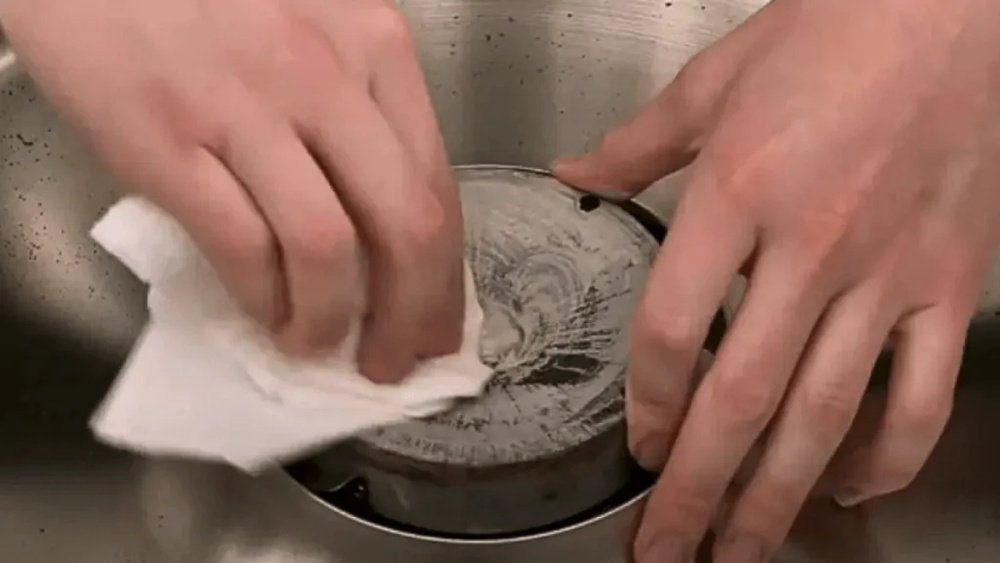
Keeping a Vevor cotton candy machine clean is not just about making your machine look nice. It’s important for food safety, longer machine life, and the best taste. If you’ve ever tasted cotton candy from a sticky, poorly-cleaned machine, you know: it can ruin the fun and flavor. But many first-time owners skip proper cleaning, or don’t know how to do it right. The result? Sugar buildup, poor machine performance, and even breakdowns.
This guide will show you, step by step, how to clean your Vevor cotton candy machine the right way. Whether you run a small business, use your machine at parties, or just enjoy making treats at home, you’ll learn practical tips that go beyond a quick wipe-down.
You’ll find out what tools you need, the safest cleaning methods, and how to avoid mistakes that could damage your machine. Let’s get started on making your cotton candy machine last longer and work better—while keeping every batch safe and delicious.
Why Cleaning Your Vevor Cotton Candy Machine Matters
A clean cotton candy machine does more than just look good. It keeps your food safe, your machine working well, and your flavors pure. Sugar residue can harden and clog the spinner, causing uneven heating or even burning out the motor.
Old sugar can also attract pests or create sticky messes that are hard to remove.
Neglecting cleaning can also void your warranty. Vevor and other manufacturers often require regular cleaning for any support or repair claims. Most importantly, customers or guests will notice if your cotton candy tastes odd or looks dirty. In short, cleaning is not an optional task—it’s essential.
Understanding The Vevor Cotton Candy Machine
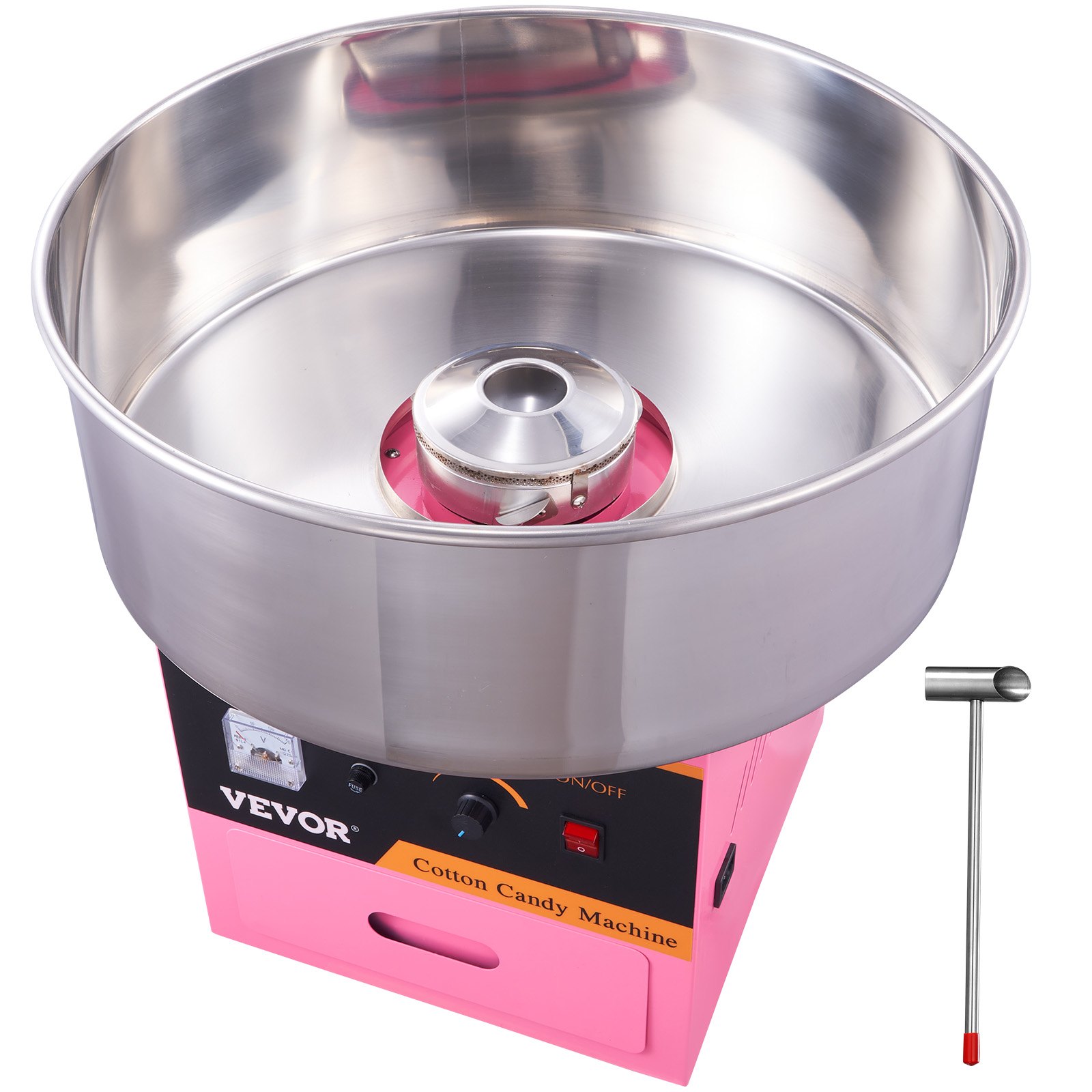
Before cleaning, it helps to know the basic parts of your Vevor cotton candy machine. This makes the process smoother and safer.
Main Parts Of A Vevor Cotton Candy Machine
- Bowl – The large, round container that catches the spun sugar.
- Spinning Head/Floss Head – The center piece that heats and spins the sugar.
- Sugar Scoop – Used to pour sugar into the spinning head.
- Motor/Base Unit – Contains the controls, motor, and electrical parts.
- Netting or Mesh – Sometimes added to the inside of the bowl to help collect the candy.
- Lid or Cover – Some models have a plastic dome to keep sugar from flying out.
Each part needs specific care. For example, the spinning head gets the hottest and gathers the most sugar buildup. The bowl is usually the stickiest. The motor unit should never get wet.
How Vevor Machines Compare To Other Brands
Not all cotton candy machines are made the same. Vevor models are popular for their strong motors and affordable price, but their cleaning process is similar to other commercial-grade machines. Here’s a quick comparison to help you understand what’s unique.
| Feature | Vevor Cotton Candy Machine | Standard Home Model | Other Commercial Brands |
|---|---|---|---|
| Motor Power | High | Low to Medium | High |
| Spinning Head Material | Metal | Plastic/Metal | Metal |
| Removable Bowl | Yes | Sometimes | Yes |
| Cleaning Difficulty | Medium | Easy-Medium | Medium-Hard |
Vevor’s sturdy build means it can handle frequent use, but it also means you must clean it well to keep it in top shape.
Tools And Supplies You’ll Need
Cleaning your machine is much easier if you have the right supplies ready. Here’s what you should gather before starting:
- Soft cloths or microfiber towels
- Small soft brush (like an old toothbrush)
- Food-safe detergent or mild dish soap
- Spray bottle with water
- Non-abrasive sponge
- Bucket or large bowl for soaking
- Cotton swabs
- Paper towels
- Rubber gloves
- Screwdriver (only if you need to remove the spinning head)
Avoid using harsh chemicals, bleach, or metal scouring pads. These can damage the surfaces or leave behind residues that affect the taste of your candy.
Step-by-step Guide: How To Clean Your Vevor Cotton Candy Machine
Cleaning your cotton candy machine can be broken down into several steps. Each one is important for a thorough job.
1. Turn Off And Unplug The Machine
Safety comes first. Always make sure your machine is switched off and unplugged before you start cleaning. Wait until the spinning head has cooled down fully. Working on a hot machine can cause burns.
2. Disassemble The Main Parts
Remove the bowl, spinning head, and any mesh or netting. If your model allows, take off the cover or dome. Check your manual if you’re not sure how to remove each part. Do not force anything.
If the spinning head is stuck because of hardened sugar, run the machine for a minute to warm up the sugar slightly, then try again. Do not use sharp objects to pry parts apart.
3. Remove Loose Sugar And Debris
Shake out any loose sugar from the bowl and spinning head. Use a soft brush or cloth to wipe away as much sugar as possible before using water. This makes the cleaning process much easier.
4. Soak And Wash Removable Parts
Fill your sink or a large basin with warm, soapy water. Use a food-safe detergent. Place the bowl, mesh, and sugar scoop in the water. Let them soak for 10–15 minutes if there is a lot of hardened sugar.
Gently scrub with a non-abrasive sponge or brush. For sticky corners or mesh, a toothbrush works well. Rinse with clean water and let air dry.
5. Clean The Spinning Head
This part needs extra care. If your spinning head is removable, soak it in warm, soapy water. Use a brush to remove all sugar residues, especially in the small holes and around the heating element. Do not submerge the spinning head if it contains electrical parts—check your manual.
For non-removable spinning heads, use a damp cloth or sponge to wipe the surface. Use cotton swabs for tiny crevices. Always avoid getting water into the motor or electrical areas.
6. Wipe Down The Motor/base Unit
Never put the base in water. Instead, use a damp cloth to clean the outside. Wipe off any sugar dust or sticky spots. For stubborn areas, a little soapy water on a cloth will do, but make sure you don’t let any liquid drip inside.
7. Dry All Parts Completely
Moisture can cause rust or electrical problems. Dry every part with a clean towel, then let everything air dry for at least 30 minutes before reassembling. Pay special attention to the spinning head and mesh.
8. Reassemble The Machine
Once everything is fully dry, put your machine back together. Make sure each part is seated correctly. Plug in and run the machine empty for a minute to check that it works smoothly.
9. Final Surface Clean
Wipe down the outside of the machine and work area. This keeps your setup clean and ready for the next use.
How Often Should You Clean?
Many new owners wonder how often they really need to clean their Vevor cotton candy machine. The answer depends on how often you use it:
- After every use: Clean the bowl, spinning head, scoop, and mesh. Sugar hardens quickly, so don’t wait.
- Weekly (for heavy use): Deep clean, including disassembling the spinning head.
- Monthly: Check for any buildup inside the motor housing (if accessible) and ensure all screws and fittings are tight.
If you use your machine at public events, clean it thoroughly after each session. Health inspectors often check for cleanliness, and sticky machines are a common reason for failed inspections.
Dealing With Stubborn Sugar Buildup
Sometimes, regular cleaning isn’t enough. Sugar can bake onto metal parts or get stuck in crevices.
Tips For Removing Hardened Sugar
- Warm water soak: Soak parts longer (up to 30 minutes) in warm, soapy water.
- Vinegar solution: Mix equal parts white vinegar and water. Use a cloth or brush to scrub sticky spots. Rinse well.
- Soft toothbrush: For mesh or tiny holes, a toothbrush can reach places a sponge cannot.
- Avoid sharp tools: Never scrape with knives or metal objects. You’ll scratch the surface and shorten the life of your machine.
If sugar is baked onto the spinning head, you can run the machine empty for a few minutes to soften the sugar, then clean as above. Always let parts cool before touching.
What Not To Do When Cleaning
Even well-meaning owners sometimes make mistakes. Here are some common errors to avoid:
- Don’t immerse the motor/base in water. This will ruin your machine.
- Don’t use bleach or harsh chemicals. They can leave residues that make your cotton candy taste strange and might be unsafe.
- Don’t use abrasive pads or steel wool. These scratch surfaces and make future cleaning harder.
- Don’t reassemble wet parts. Moisture can cause rust or electrical short circuits.
- Don’t skip cleaning after each use. Hardened sugar is much more difficult to remove.
Many beginners forget to clean the small holes in the spinning head—this can block sugar flow and cause uneven heating.
How To Clean During Busy Events
If you’re serving cotton candy at a party or fair, you might not have time for a full clean. Still, a quick clean helps keep things running smoothly.
- Between batches: Wipe the bowl and spinning head with a dry cloth to remove loose sugar and fluff.
- Every hour: Use a damp cloth on the bowl (if needed), but avoid water near the motor.
- End of event: Do a full clean as soon as possible. Don’t let sugar harden overnight.
A small brush and a pack of microfiber towels make fast cleaning easier during busy times.
How To Deep Clean For Storage Or Long-term Use
If you won’t use your machine for several weeks, do a deep clean before storage. This prevents mold, pests, and rust.
Deep Cleaning Checklist
- Disassemble and clean every part, including the mesh/netting.
- Wipe the motor/base unit carefully.
- Dry all parts completely.
- Store in a dry place, with the bowl and parts covered to keep out dust.
- Run the machine briefly when you take it out of storage to check for any issues.
Sanitizing For Food Safety
Basic cleaning removes sugar and dirt, but sometimes you need to sanitize—especially if you’re selling cotton candy. Use a food-safe sanitizer after cleaning. Spray on and let air dry, or follow the instructions on the sanitizer.
For more about food-safe cleaning, you can check out this official resource from the U.S. Food and Drug Administration.
Cleaning Different Types Of Sugar And Flavors
Not all sugars are the same. Colored and flavored sugars often leave more residue than plain sugar. If you use flavor concentrates or oils, clean extra carefully—these can leave sticky or oily spots on the spinning head and bowl.
If you use sugar with added coloring, always check for stains. Some dyes can discolor plastic parts if left too long.
How To Clean Vevor Cotton Candy Machine: Troubleshooting Problems
Sometimes, cleaning reveals a problem. Here’s how to handle common issues:
Spinning Head Won’t Come Off
Try heating the machine gently (run for a minute, then turn off and unplug). This softens sugar, making it easier to remove. If it’s still stuck, check for hidden screws.
Machine Smells Burnt
This often means there’s sugar baked onto the heating element. Deep clean the spinning head and check for burnt spots. Avoid running the machine empty for too long.
Machine Won’t Start After Cleaning
Check that all parts are dry and correctly reassembled. Moisture in the electrical parts can stop the machine from working. If the problem continues, consult your manual or contact Vevor support.
Sticky Bowl After Cleaning
Rinse with hot water and dry again. Residual soap or sugar can make the bowl feel sticky.

Credit: www.amazon.com
Maintenance Tips To Keep Your Machine Clean Longer
- Use only granulated sugar designed for cotton candy. Powdered or moist sugar can cause clogs and sticky messes.
- Clean after every use. The longer sugar sits, the harder it is to remove.
- Check for loose parts or wear. Cleaning is a good time to spot small problems before they become big repairs.
- Store covered. A dust cover or plastic wrap keeps your machine clean and ready.
Regular maintenance keeps your Vevor cotton candy machine running smoothly and tasting great.
When To Call For Professional Help
Most cleaning can be done at home. But if you notice electrical issues, broken parts, or if your machine won’t turn on after cleaning, it’s time to call a professional or contact Vevor support. Do not try to repair electrical problems yourself, as this can be dangerous.
Credit: www.vevor.com
Example Cleaning Schedule For Busy Operators
Here’s a sample schedule for those who use their machine often:
| Task | After Every Use | Weekly | Monthly |
|---|---|---|---|
| Clean bowl and mesh | ✔ | ✔ | ✔ |
| Clean spinning head | ✔ | ✔ | ✔ |
| Wipe motor/base | ✔ | ✔ | ✔ |
| Deep clean all parts | ✔ | ✔ | |
| Check screws/fittings | ✔ |
Adjust this schedule based on your use. More frequent cleaning is always better for heavy use or public events.
Real-world Tips That Make Cleaning Easier
- Use a pastry brush to dust off sugar between batches.
- Soak parts right away. Don’t wait—warm sugar is much easier to clean.
- Label your cleaning supplies and keep them separate from other kitchen items to avoid cross-contamination.
- Rotate mesh/netting. If you have an extra, swap them out for faster turnarounds.
- Keep a spare bowl if you serve at events. Swap and clean during breaks.
Many users forget to clean the sugar scoop. This small tool can build up residue and affect the flavor of your next batch.

Credit: www.amazon.com
Common Beginner Mistakes To Avoid
- Waiting too long to clean. Sugar hardens fast.
- Not drying parts fully. Moisture can cause rust or motor damage.
- Using the wrong detergent. Only use food-safe cleaners.
- Forgetting small parts. Mesh and scoops collect sugar too.
- Ignoring burnt sugar smell. This is a sign of buildup—clean immediately.
How A Clean Machine Improves Cotton Candy Quality
Customers can taste and see the difference. Clean machines spin fluffier, lighter cotton candy. Old sugar or flavor residues can mix flavors and create odd colors. Clean machines also heat evenly, so you get consistent, professional results every time.
Frequently Asked Questions
How Often Should I Clean My Vevor Cotton Candy Machine?
You should clean your machine after every use. For heavy use (like parties or fairs), do a quick clean between batches and a deep clean at the end of the day. Monthly deep cleaning and checking for wear keep your machine in top shape.
Can I Use Any Type Of Soap To Clean My Cotton Candy Machine?
No. Always use a food-safe detergent or mild dish soap. Avoid strong chemicals or bleach, as they can leave harmful residues or strange tastes.
What Should I Do If Sugar Gets Stuck Inside The Spinning Head?
Try running the machine for a minute to warm the sugar, then unplug and use a soft brush or cloth to remove the softened sugar. Do not use sharp objects, as they can damage the spinning head.
Is It Safe To Put The Bowl And Mesh In The Dishwasher?
Check your manual. Most Vevor cotton candy machine bowls and mesh can be washed by hand. Some models have dishwasher-safe bowls, but frequent dishwasher use may dull the surface or cause warping over time.
What Is The Best Way To Store My Machine After Cleaning?
Make sure all parts are dry, then store in a cool, dry place. Cover the machine and bowl to keep out dust. Run the machine briefly after long storage to check for any problems.
—
A clean Vevor cotton candy machine is the secret to happy customers, long machine life, and cotton candy that looks and tastes amazing. Regular cleaning may take a few extra minutes, but it prevents bigger problems and makes every batch a treat. With the right supplies, a clear routine, and a little attention to detail, you’ll enjoy sweet, fluffy results every time—and your machine will thank you for it.