
If you run a bar, restaurant, or any busy establishment, you know how important clean glassware is for your reputation. A glass washer is a valuable tool, but even the best machines need regular deep cleaning to keep working well. Dirty washers can leave marks, odors, or even bacteria on glasses. Some signs your glass washer needs a deep clean include cloudy glasses, strange smells, or slower operation. Ignoring this task can hurt your business and even cause health code violations.
Deep cleaning a glass washer is not just about better appearance; it also extends the machine’s life and ensures every drink you serve looks inviting. Most guides only cover surface cleaning, but deep cleaning means going further—removing hidden residue, tackling tough stains, and cleaning hard-to-reach parts.
This guide will show you, step by step, how to deep clean your glass washer, what supplies you need, and common mistakes to avoid. With the right process, your glass washer will run efficiently and keep your customers happy.
Why Deep Cleaning Your Glass Washer Matters
A glass washer does more than just rinse away visible dirt. Every day, it fights grease, lipstick, dried beer foam, and minerals in the water. Over time, these build up inside the machine, not only making your glasses look bad but also creating an environment for bacteria or even mold.
Deep cleaning is your best defense against these issues.
A dirty glass washer can:
- Leave spots or streaks on glassware
- Cause foul smells in clean glasses
- Lower the machine’s efficiency
- Lead to health risks from bacteria or mold
- Cost you expensive repairs or replacements
Many users believe regular cleaning cycles are enough, but deep cleaning targets the hidden areas standard routines miss. For example, the internal jets, filter screens, seals, and drain lines can trap grime that ordinary cleaning can’t reach.
Understanding Your Glass Washer
Before you start, it’s important to know the type and main parts of your glass washer. Most commercial glass washers are either undercounter, conveyor, or rotary brush models. Each has a slightly different design, but the basic cleaning needs are similar.
Main Components To Clean
- Wash arms/jets: Spray water and detergent onto glasses.
- Filter screens: Catch larger debris and particles.
- Detergent and rinse aid dispensers: Control cleaning chemicals.
- Door seals and gaskets: Keep water inside during operation.
- Drain and pump: Remove dirty water and residue.
- Interior surfaces: Stainless steel walls, baskets, racks, and guides.
Knowing where these are located helps you clean efficiently. Check your user manual for diagrams if you’re unsure.
What You Need For A Deep Clean
Gather everything before you start. This saves time and makes the process smoother.
- Protective gloves (rubber or nitrile)
- Non-abrasive sponges or brushes
- Soft microfiber cloths
- Bucket for soaking parts
- Commercial dishwasher cleaner (or white vinegar for a natural option)
- Descaler (for hard water deposits)
- Small brush (old toothbrush works well)
- Spray bottle (for cleaning solution)
- Flashlight (to check dark corners)
- User manual (for reference)
Do not use steel wool or harsh chemicals, as these can scratch or damage your machine.
Safety First: Preparation Steps
Always put safety first when deep cleaning machinery. Follow these steps to avoid accidents or damage:
- Turn off and unplug the glass washer. If it’s hard-wired, switch off the circuit breaker.
- Let the machine cool down. Hot surfaces or water can cause burns.
- Put on gloves to protect your hands from sharp edges and cleaning chemicals.
- Remove all glasses and racks. Set them aside in a clean area.
Never skip these steps. Even experienced staff sometimes forget to unplug the machine, risking electric shock.
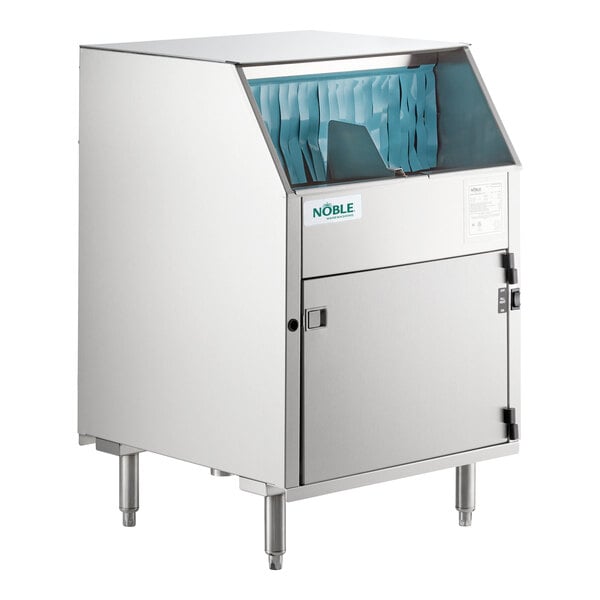
Credit: www.webstaurantstore.com
Step-by-step: How To Deep Clean A Glass Washer
Follow this process carefully for best results. Do not rush—thoroughness is key.
1. Remove And Soak Removable Parts
Take out all trays, racks, and filter screens. Most glass washers have parts that lift out easily. Place them in a bucket with warm water and some dishwasher cleaner or vinegar. Let them soak for at least 20–30 minutes. This loosens grease and mineral buildup.
While soaking, use a soft brush to scrub off any stuck-on debris. Pay extra attention to filter screens, as these often trap the most residue.
2. Clean Spray Arms And Jets
Spray arms are often clogged by small bits of debris. Remove them if your model allows. Use a small brush or a straightened paperclip to clear any blocked holes. Rinse thoroughly.
If you notice white or chalky deposits, soak the arms in a descaler solution as recommended by the manufacturer. Rinse well before putting them back.
3. Wipe Down Interior Surfaces
Spray the interior walls, door, and seals with a diluted dishwasher cleaner or vinegar solution (one part vinegar to two parts water works well). Use a non-abrasive sponge or microfiber cloth to wipe down all surfaces.
Don’t forget corners and edges, where grime collects. For stubborn spots, let the solution sit for a few minutes before wiping.
4. Scrub Door Gaskets And Seals
Door gaskets are often ignored but can collect mold and dirt. Gently lift the seal and wipe underneath with a damp cloth and cleaner. An old toothbrush helps remove hidden grime.
Check for any cracks or wear. Damaged seals should be replaced to prevent leaks.
5. Clean Detergent And Rinse Aid Dispensers
Remove and wash these parts if possible. If they’re built-in, wipe around the openings with a damp cloth and cleaner. Check for old, sticky detergent or blockages.
6. Clean The Drain And Pump Area
The drain collects the dirtiest water and can easily clog. Remove any visible debris by hand (wear gloves). Use a brush to clean around the pump and drain opening.
If your model allows, flush the drain with warm water and a little vinegar to dissolve buildup. Never use harsh drain cleaners.
7. Reassemble And Run A Cleaning Cycle
Once all parts are scrubbed and rinsed, reassemble your glass washer. Place racks and filters back in their spots. Add a dose of commercial glass washer cleaner or vinegar to the detergent compartment.
Run a full hot cycle with the machine empty. This flushes out any remaining residue and sanitizes internal parts.
8. Final Inspection And Rinse
After the cleaning cycle, open the machine and check for any missed spots or remaining odors. Wipe down surfaces again with a clean cloth.
Leave the door slightly open to air dry and prevent mold. Only return glasses once the washer is completely dry and odor-free.
Common Mistakes To Avoid
Even experienced staff can make simple errors that reduce cleaning effectiveness. Here are frequent mistakes and how to avoid them:
- Skipping filter cleaning: Filters catch most debris. Forgetting them leads to blockages and dirty glasses.
- Using the wrong cleaner: Household products can damage commercial washers. Always use machine-safe cleaners.
- Neglecting seals and gaskets: These trap bacteria and cause leaks.
- Not running a rinse cycle: Skipping this leaves cleaner residue inside.
- Forgetting to air dry: Closing the door traps moisture, encouraging mold.
Many people believe a quick wipe is enough, but deep cleaning means checking every part—even those you can’t see.
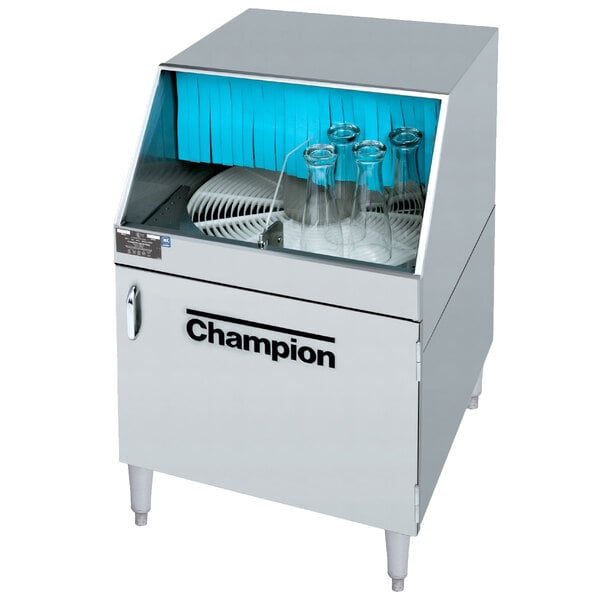
Credit: www.webstaurantstore.com
How Often Should You Deep Clean?
The right frequency depends on how much you use your glass washer and the type of drinks you serve. For most bars or restaurants, a full deep clean should be done once every 1–2 weeks. If your water is hard (high in minerals) or you serve a lot of beer or cocktails, you may need to deep clean weekly.
You should also do a deep clean if:
- Glasses come out with spots or cloudiness
- You notice bad smells
- The machine is running slower or louder than usual
Daily maintenance, like wiping surfaces and cleaning filters, helps keep deep cleans easier and faster.
Comparing Regular Cleaning Vs. Deep Cleaning
To clarify the difference, here’s a comparison:
| Regular Cleaning | Deep Cleaning |
|---|---|
| Done daily or after each shift | Done weekly or bi-weekly |
| Wipe visible surfaces | Disassemble and clean all parts |
| Remove basic food/drink residue | Remove mineral buildup, hidden grime, bacteria |
| Quick filter rinse | Soak and scrub filters, arms, and seals |
| 5–10 minutes | 45–60 minutes |
Deep cleaning is a bigger job but gives better results and a safer machine.
Signs Your Glass Washer Needs Immediate Deep Cleaning
Sometimes, you can’t wait for your regular schedule. Watch for these warning signs that your glass washer needs urgent attention:
- Cloudy or streaked glasses: Even after regular cycles, glasses look dirty.
- Unpleasant smells: Odors coming from the washer or clean glasses.
- Slow drainage: Water pools at the bottom or drains slowly.
- Visible grime or mold: Black, green, or pink growth around seals or inside.
- Unusual noises: Grinding, whirring, or louder than normal operation.
If you see these, deep clean your machine before using it again to prevent bigger problems.
Choosing The Right Cleaning Products
Not all cleaners are safe for glass washers. Using the wrong type can damage seals, cause corrosion, or leave harmful residue. Here’s a quick guide:
| Product Type | Best For | Use Frequency | Notes |
|---|---|---|---|
| Commercial Glass Washer Cleaner | General deep cleaning, bacteria control | Weekly/Bi-weekly | Always follow label instructions |
| Descaler | Hard water, mineral buildup | Monthly or as needed | Some machines need special formulas |
| White Vinegar | Natural alternative, mild scale removal | Monthly or for light cleaning | Not strong enough for heavy deposits |
| Baking Soda | Odor removal, gentle scrubbing | Occasionally | Use with caution, rinse well |
Never mix different chemicals together. If unsure, check your machine’s manual or the manufacturer’s website.

Credit: www.spazioinsitu.it
Practical Tips For Better Results
Here are some tips that many beginners miss:
- Use hot water: Heat helps loosen grease and kills more bacteria.
- Label soaking buckets: Avoid confusion and cross-contamination with food containers.
- Inspect after cleaning: Use a flashlight to check for hidden grime.
- Keep a cleaning log: Track dates and details to make sure deep cleaning isn’t forgotten.
- Replace worn parts: Old seals, filters, and arms should be swapped out promptly.
- Check water softener: Hard water speeds up mineral buildup. If your area has hard water, install a softener or descale more often.
- Educate staff: Make sure all team members know the deep cleaning process.
Many glass washers fail early because staff don’t realize how important these small steps are.
How Deep Cleaning Extends Machine Life
Routine deep cleaning doesn’t just make glasses look better—it protects your investment. Clean machines run more efficiently, use less energy, and break down less often. Here are some benefits:
- Lower repair costs: Buildup and blockages can damage pumps or heaters.
- Longer part life: Clean seals and jets last longer.
- Consistent results: Every glass comes out spotless, improving customer satisfaction.
- Better hygiene: Reduces risk of illness or health code violations.
Studies show that machines maintained with deep cleaning can last 2–3 years longer than those neglected.
What To Do If Problems Persist
If you’ve deep cleaned your glass washer and still see issues, it may be time for professional service. Persistent problems can be caused by:
- Broken or worn-out parts: Spray arms, pumps, or seals may need replacement.
- Internal plumbing issues: Blockages or leaks inside the machine.
- Incorrect installation: Sometimes drain hoses or water supply lines are set up wrong.
- Hard water damage: If mineral scale is very thick, professional descaling is required.
Always consult your manufacturer’s support or a licensed technician if you’re unsure. Do not try to repair complex parts yourself.
Environmental And Health Considerations
Deep cleaning helps the environment and keeps your workplace safe. Clean machines use less water and chemicals per cycle. They also prevent bacteria and mold that can cause illness. For environmentally friendly options, choose biodegradable cleaners and avoid harsh acids or chlorine.
Some cities have rules about cleaning chemicals. Check local regulations and always dispose of dirty water and cleaning solutions safely.
Detailed Example: Deep Cleaning In A Busy Bar
Imagine a busy bar that serves hundreds of glasses each night. Staff notice cloudy glasses and complaints about “soapy” tastes. A deep clean is scheduled.
- The team first unplugs the washer and removes all racks and filters.
- Soaking parts in a vinegar solution, they scrub away sticky residue.
- Spray arms are cleared with a brush, removing small bits of lemon and fruit pulp.
- Door gaskets are wiped, revealing hidden mold that is cleaned away.
- After running an empty cycle with a commercial cleaner, the machine is inspected with a flashlight.
- The next morning, glasses come out spotless, and customer complaints stop.
This example shows how deep cleaning solves problems that regular wiping cannot.
When To Replace Vs. Deep Clean
Sometimes, deep cleaning is not enough. If your glass washer is very old (over 10 years), parts are cracked, or repairs cost more than half the price of a new machine, replacement may be better. Deep cleaning works best on machines in good condition.
Here’s a quick guide:
| Situation | Deep Clean | Replace |
|---|---|---|
| Cloudy glasses, foul smells, minor leaks | ✔️ | |
| Major leaks, broken spray arms, worn-out pump | ✔️ | |
| Heavy mineral buildup, but less than 5 years old | ✔️ | |
| Over 10 years old, frequent breakdowns | ✔️ | |
| Health code violation for cleanliness | ✔️ |
Always try deep cleaning first unless the machine is clearly beyond repair.
Training Your Staff For Success
One of the biggest secrets to a long-lasting glass washer is having well-trained staff. Create a simple checklist for each deep clean, and show new team members how to do it step by step. Assign responsibility so that deep cleaning is never missed.
Make training part of your opening or closing routine, and keep instructions posted near the machine for easy reference.
External Resources For Further Learning
If you want more in-depth information, the CDC Food Safety page has useful guides on hygiene and commercial kitchen cleaning.
Frequently Asked Questions
How Often Should I Deep Clean My Glass Washer?
Most businesses should deep clean their glass washer every 1–2 weeks. If you notice cloudy glasses, slow drainage, or bad smells, clean it sooner. High-volume bars may need weekly deep cleaning.
Can I Use Regular Dish Soap Or Bleach To Clean My Glass Washer?
No, regular dish soap can cause too many suds and damage the machine. Bleach may harm seals and metal parts. Always use cleaners made for commercial glass washers or follow your manufacturer’s recommendations.
What Should I Do If My Glass Washer Still Smells After Deep Cleaning?
Persistent smells can mean there’s hidden grime, mold, or a blocked drain. Double-check seals, filters, and the drain area. If odor remains, consider a professional service visit.
Is It Safe To Use Vinegar In My Glass Washer?
Yes, white vinegar is safe for light cleaning and as a mild descaler. However, it may not be strong enough for heavy buildup. Always rinse the machine thoroughly after using vinegar.
What’s The Difference Between A Glass Washer And A Dishwasher?
A glass washer is designed for delicate glassware and shorter cycles, with lower temperatures. Dishwashers handle plates, utensils, and heavier food residue. Never put dishes in a glass washer, as this can damage the machine.
Keeping your glass washer clean is one of the best ways to ensure every drink you serve looks perfect. With regular deep cleaning, you’ll have sparkling glasses, happy customers, and a machine that lasts for years.