
Getting rid of an old stove might sound simple, but the process can quickly get confusing. If you’re moving, remodeling, or just replacing an outdated appliance, you might wonder what to do with the heavy, bulky stove taking up space in your kitchen. Is it okay to leave it on the curb? Could you sell it or recycle it? Are there local rules you need to follow? Many people end up making mistakes that lead to fines, wasted money, or even safety risks.
In this guide, you’ll discover practical, legal, and environmentally responsible ways to get rid of your old stove. We’ll compare different options, explain the details most people miss, and walk you through every step, so you can say goodbye to your old appliance with confidence.
Why Proper Disposal Of An Old Stove Matters
Disposing of an old stove isn’t just about freeing up space. There are health, safety, and environmental reasons to do it the right way.
- Heavy metals and chemicals: Old stoves can contain materials that are hazardous if not handled correctly.
- Waste regulations: Many cities have strict rules about how appliances are discarded.
- Space and clutter: Keeping old appliances around can be a safety hazard in your home.
- Opportunity for reuse: Someone else might need your old stove, or its parts could be recycled.
Ignoring these can lead to fines or environmental harm. Understanding your options helps you avoid trouble and may even save money.
Assessing The Condition Of Your Old Stove
Before you pick a disposal method, it’s important to evaluate your stove’s condition. This will affect your choices.
| Condition | Best Disposal Option | Reasons |
|---|---|---|
| Working and Clean | Sell, Donate, Reuse | Still has value; someone else can use it |
| Broken but Repairable | Repair, Sell for Parts | Parts or a quick fix may restore value |
| Nonfunctional, Hazardous | Recycle, Junk Removal | Unsafe for use; best recycled or scrapped |
Non-obvious insight: Even broken stoves may have valuable metal parts or working components. Don’t assume “broken” means worthless.
Understanding Local Laws And Regulations
Each city or county has different rules for disposing of large appliances like stoves. Failing to follow them can result in fines or refused pickups.
- Check with your city waste department: They can tell you about fees, pickup schedules, and required preparation steps.
- Special permits: Some areas need a sticker or permit for appliance removal.
- Curbside restrictions: Not all cities allow appliances at the curb. Some require scheduled pickups.
Example: In New York City, residents must make an appointment for large appliance pickup, and all doors must be removed for safety.
Practical tip: Always call or check your local government website before putting a stove out for collection.
Safe Preparation Before Disposal
No matter which method you choose, you’ll need to prepare your stove to avoid injury or damage.
- Disconnect all power: Unplug the unit from the wall. If it’s gas, shut off the gas line and disconnect carefully.
- Remove any doors or lids: This is often a legal requirement to prevent accidents.
- Clean the stove: Remove food debris, grease, or anything that could spill or leak during moving.
- Secure loose parts: Tape down racks, burners, or other removable pieces.
Non-obvious insight: If you don’t disconnect a gas stove properly, you risk gas leaks. If unsure, call a professional.
Option 1: Resell Or Donate The Old Stove
If your stove still works, selling or donating is one of the best options.
Selling Your Old Stove
Platforms like Craigslist, Facebook Marketplace, and local classifieds are popular for appliance resale.
- Take clear photos of the stove from all angles.
- Describe its condition honestly. List any issues.
- Check prices for similar stoves in your area.
- Be ready to help move it or specify if buyer pickup is required.
Average resale price: A used stove can sell for $50–$250, depending on age and brand.
Donating Your Old Stove
Many charities and non-profits accept working appliances.
- Habitat for Humanity ReStores often accept stoves for resale.
- Local shelters may need appliances for housing programs.
- Always call ahead to confirm donation needs and drop-off hours.
Tax benefit: You may be able to claim a tax deduction for the donation.
Tip: Some organizations will pick up your appliance for free, saving you effort and disposal fees.
Option 2: Recycling Your Stove
Recycling is the most environmentally friendly way to dispose of a non-working stove.
Appliance Recycling Programs
Many cities offer appliance recycling, sometimes with free or discounted pickup. Private recycling centers also accept stoves.
- Drop-off centers: You may need a truck or help to transport the stove.
- Curbside pickup: Schedule in advance. Some services charge a fee, others don’t.
- Retailer recycling: If you’re buying a new stove, the store may remove and recycle the old one.
What gets recycled: Metal, glass, and sometimes electric components are recovered and reused.
Common Mistakes When Recycling
- Not removing food, grease, or batteries (if electronic display).
- Failing to disconnect gas lines safely.
Environmental impact: Recycling an old stove can save up to 150 pounds of steel from landfills.
Option 3: Junk Removal Services
If you want a quick solution and don’t mind paying, junk removal companies can take care of your old stove.
- Full-service hauling: Workers remove the stove from your home.
- Same-day or scheduled pickup: Most services offer flexible timing.
- Fees: Average cost is $75–$150 for a stove, depending on location.
Tip: Ask if the service recycles appliances or just dumps them. Choose a green company when possible.
| Service Type | Average Cost | Includes Lifting? | Recycling Offered? |
|---|---|---|---|
| Junk Removal Company | $75–$150 | Yes | Sometimes |
| City Bulk Pickup | Often free or $10–$30 | No (must move to curb) | Rarely |
| Retailer Haul-Away | $0–$50 (with new purchase) | Yes | Often |
Practical note: Junk removal is best if you have multiple large items to discard at once.
Option 4: Bulk Trash Pickup
Many cities offer scheduled bulk trash pickup for large items like stoves.
- You must move the stove to the curb or alley before pickup.
- Pickup days are limited—sometimes only once a month.
- Check city rules: Some require you to schedule in advance; others have open pickup windows.
Preparation tip: Remove doors and tape down any loose parts to avoid accidents during collection.
Common mistake: Leaving the stove out too early can result in a fine or having to move it back indoors.
Option 5: Appliance Trade-in And Retailer Haul-away
When you buy a new stove, many retailers offer to remove and recycle your old one.
- Best Buy, Lowe’s, Home Depot: These stores usually remove your old stove for a small fee or for free with delivery.
- Trade-in programs: Sometimes, utility companies or retailers offer rebates for old appliances.
How it works:
- Purchase new appliance.
- Schedule delivery and removal.
- Prepare the old stove as instructed (unplug, clean, disconnect gas).
Insider tip: Some stores only haul away appliances of similar type (e.g., they’ll take your old stove only if you’re buying a new stove, not a refrigerator).
Option 6: Scrap Metal Recycling
If your stove is beyond repair, scrap metal yards will often pay a small amount for it.
- Most stoves are mainly steel: You’ll get paid by weight.
- Remove non-metal parts: Plastic, glass, or electronics may need to be separated.
- Transportation required: You must deliver the stove to the scrap yard.
Average payment: $10–$30 for a stove, depending on metal prices.
Non-obvious insight: Some scrap yards require you to show proof that you own the appliance, to prevent metal theft.
Option 7: Gifting Or Giving Away
If you want the stove gone quickly and don’t need money, giving it away can work well.
- Freecycle, Nextdoor, Buy Nothing groups: Post your stove, and someone may pick it up for free.
- Friends or neighbors: Ask if anyone needs a working or repairable stove.
Tip: Clearly describe the condition, and mention if the taker must move it themselves.
Warning: If the stove is nonfunctional or unsafe, be honest—never give away a dangerous appliance.
Option 8: Diy Disposal (landfill Drop-off)
You can usually take an old stove directly to your local landfill or transfer station.
- Check hours and fees: Some landfills charge for appliance drop-off, others do not.
- Proof of residency: You may need to show a utility bill or ID.
- Follow rules: Some places require you to remove doors or hazardous components.
Downside: This method is physically demanding and not eco-friendly, as most landfills do not recycle appliances.

Credit: www.reddit.com
Option 9: Manufacturer Take-back Programs
Some appliance makers offer take-back programs for old stoves.
- Check your stove’s brand website: Look for recycling or disposal policies.
- Arrange pickup: Some programs include home pickup, others require you to ship or drop off.
- Possible fees: Some take-back programs are free, others charge a handling fee.
Benefit: Manufacturer programs often guarantee environmentally safe recycling.
Option 10: Reuse Or Repurpose Parts
Even if your stove no longer works, parts may be useful.
- Oven racks: Can be used for grilling, storage, or DIY projects.
- Knobs, trays, or wire shelving: Useful in garages, workshops, or art projects.
- Heating elements: Sometimes used in science or repair projects.
Practical example: Oven racks are popular for use in outdoor fire pits or as cooling racks in large-scale cooking.
Tip: Only reuse parts if they are safe and free from rust or damage.
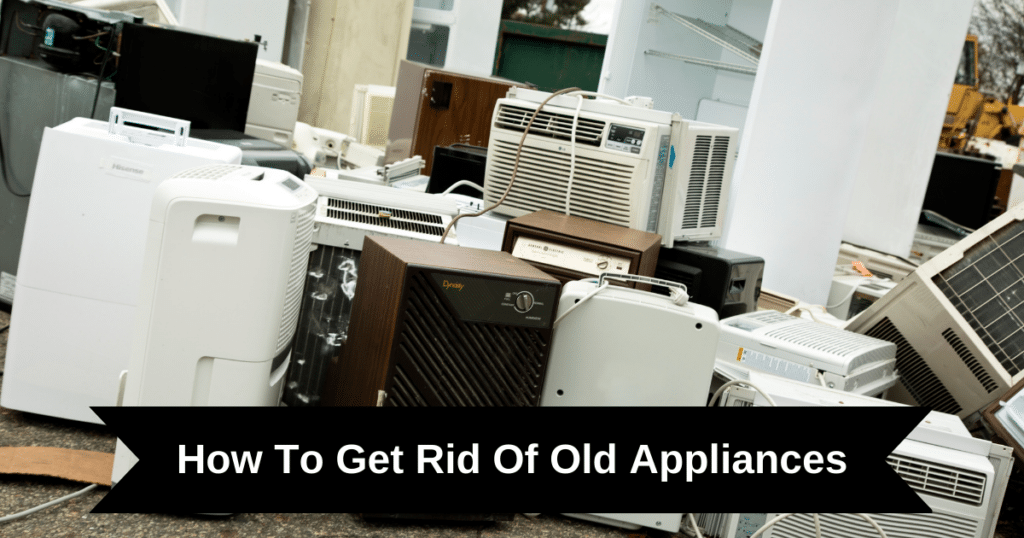
Credit: junksmiths.com
Comparing The Main Disposal Methods
Here’s a quick comparison of the most common ways to get rid of an old stove:
| Method | Cost | Effort | Eco-Friendly | Who Should Choose |
|---|---|---|---|---|
| Sell/Donate | Free/Earn Money | Medium | Yes | Working stoves, time to spare |
| Recycling | Usually Free | Medium | Yes | Non-working stoves, eco-conscious |
| Junk Removal | Paid ($75–$150) | Low | Varies | No time, want convenience |
| Bulk Pickup | Often Free | Medium | No | Limited options, city service |
| Scrap Metal | Earn Small Amount | High | Yes | DIY, want small cash |
Choosing the right method depends on your priorities: speed, money, eco-friendliness, or convenience.
Common Mistakes To Avoid
Many people make simple but costly mistakes when disposing of stoves. Here’s what to watch out for:
- Ignoring local rules: Dumping a stove illegally can result in fines of $100–$500.
- Not disconnecting gas lines properly: This can cause dangerous leaks.
- Trying to move a stove alone: Stoves are heavy and awkward—always get help or use proper equipment.
- Assuming non-working means useless: Even broken stoves have parts or scrap value.
- Not cleaning the stove: Food spills attract pests during transport or storage.
Insider advice: If you’re unsure, always ask your city or a professional before moving or disposing of a large appliance.
Environmental Impact Of Stove Disposal
Appliances like stoves contain valuable materials—mainly steel, but also copper, aluminum, and sometimes hazardous substances.
- Recycling 1 stove saves enough energy to power a home for about 10 days.
- If dumped in a landfill, stoves can leak chemicals and take over 100 years to break down.
- Some parts, like electronic displays, may contain heavy metals that pollute water and soil.
Environmental responsibility: Always choose recycling or reuse over landfill disposal if possible.
Safety Tips For Moving And Handling Old Stoves
Moving a stove is not easy. Here’s how to do it safely:
- Wear gloves to avoid cuts from sharp edges.
- Use a dolly or hand truck: Most stoves weigh 100–250 pounds.
- Clear the path: Remove rugs, mats, or obstacles.
- Get help: At least two people should move a stove.
- Lift with your legs, not your back, to prevent injury.
- Secure the stove in a truck or van: Use straps to prevent tipping during transport.
Never tilt a gas stove backward, as this can damage gas lines or valves.
Special Considerations For Gas Stoves
Gas stoves need extra care.
- Shut off the gas valve before moving.
- Disconnect the flexible gas connector—don’t just pull the stove away.
- Check for leaks: Use soapy water on the connection after disconnecting. If bubbles form, call a professional.
- Never store a disconnected stove in a closed space: Gas can leak from faulty valves.
If you are unsure, call a licensed plumber or appliance technician. Gas mistakes can be deadly.
What To Do If You Can’t Move It Yourself
Not everyone has the strength or equipment to move a heavy stove. Here’s what you can do:
- Hire professionals: Appliance movers or junk haulers can remove it safely.
- Ask local charities: Some will remove working appliances as part of a donation.
- Retailer haul-away: When buying a new stove, schedule removal of the old one.
Tip: Even if you live alone, there are always options for safe removal—never try to do it alone if you’re not sure.
How To Find Local Disposal Resources
Finding the right service is easier than ever.
- Google “appliance recycling near me” for local centers.
- City or county website: Search for bulk pickup or appliance disposal.
- Ask your utility company: Some offer rebates or special pickup for old appliances.
- Check retailer options: Stores like Home Depot often have recycling partnerships.
External resource: For a national directory of appliance recycling programs, visit the EPA’s official guide.
Frequently Asked Questions
How Much Does It Cost To Get Rid Of An Old Stove?
Costs vary depending on your method:
- City bulk pickup is often free or low-cost ($10–$30).
- Junk removal services typically charge $75–$150.
- Retailers may remove your old stove for free or a small fee with a new purchase.
- Scrap yards may pay you a small amount for the metal.
Can I Leave My Old Stove On The Curb For Trash Pickup?
Not always. Most cities require you to schedule a special pickup for large appliances. Leaving a stove on the curb without permission can lead to fines. Always check with your local waste department before placing any large item outside.
What If My Stove Is Gas—are There Special Steps?
Yes. Gas stoves must be disconnected carefully. Shut off the gas valve, detach the connector, and check for leaks. If you’re not comfortable with gas work, hire a professional. Never just pull a gas stove away from the wall.
Is It Safe To Recycle Or Scrap A Broken Stove?
Yes, but always clean it first and remove any hazardous parts (like batteries or electronic displays). Scrap yards and recycling centers have rules about preparation. If in doubt, ask the center for guidance.
Where Can I Donate A Used Stove?
Many charities accept working stoves, including Habitat for Humanity ReStores and some local shelters. Always call ahead—some organizations only accept certain types or brands, and some offer free pickup for donations.
Getting rid of an old stove doesn’t have to be stressful or risky. By choosing the right method for your situation, following local rules, and thinking of the environment, you’ll make space in your kitchen and help your community at the same time.
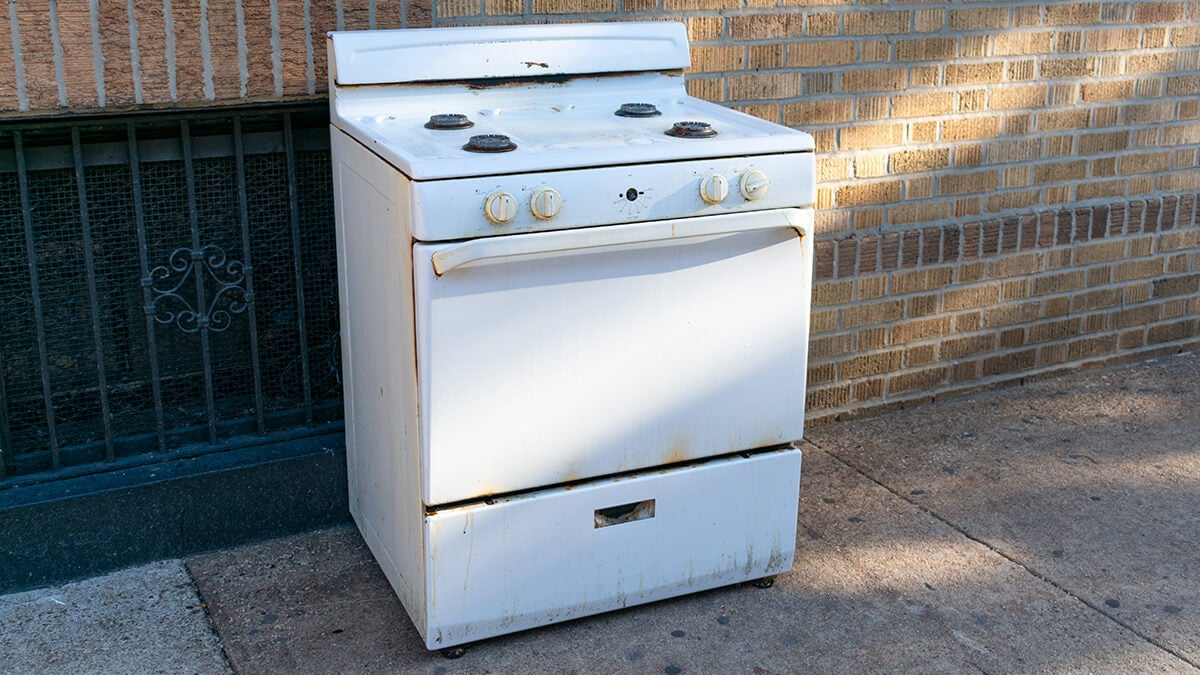
Credit: www.1800gotjunk.com