
Keeping your stovetop griddle clean isn’t just about making your kitchen look nice—it’s about cooking healthier meals and making your griddle last longer. Many people use their griddle every day, but cleaning it can feel confusing, especially if you’re worried about damaging the surface or removing the seasoning. The good news? Once you learn the right steps and tips, cleaning your stovetop griddle becomes a simple part of your cooking routine.
Whether you have a cast iron, stainless steel, or nonstick griddle, this guide will walk you through everything you need to know. From the best cleaning products to common mistakes to avoid, you’ll find practical advice for every situation. By the end, you’ll feel confident tackling even the messiest pancakes or bacon grease.
Let’s get started on making your griddle shine.
Types Of Stovetop Griddles And Why Cleaning Matters
Before you start, it’s important to know what kind of stovetop griddle you own. The cleaning method can change depending on the material.
- Cast Iron Griddles: Known for even heating and durability. They require special care to keep the seasoning (the natural, nonstick layer).
- Stainless Steel Griddles: Easy to clean but can show stains or discoloration if not maintained well.
- Nonstick Griddles: Convenient but sensitive to harsh scrubbing and high heat.
Cleaning your griddle the right way helps:
- Prevent rust and corrosion
- Remove leftover food and grease
- Keep flavors fresh (so your pancakes don’t taste like last night’s fish)
- Extend the life of your griddle
Neglecting proper cleaning can lead to sticky residue, uneven cooking, and even damage. Some people don’t realize that even a little leftover oil or burnt food can attract pests and cause strange smells. So, understanding your griddle type helps you clean better and avoid mistakes.
Essential Cleaning Tools And Products
You don’t need expensive gadgets to clean a stovetop griddle well. Here’s what works best:
- Plastic scraper or spatula: Safe for most surfaces, helps remove stubborn food bits.
- Soft sponge or non-abrasive pad: Gentle cleaning without scratching.
- Paper towels or clean cloths: For wiping away grease and water.
- Mild dish soap: Effective on most griddles except seasoned cast iron.
- Baking soda and vinegar: For deep cleaning and removing stains.
- Cooking oil: For re-seasoning cast iron griddles.
- Spray bottle: Useful for applying water or vinegar evenly.
Some people try using steel wool or harsh chemicals, but these can ruin nonstick or seasoned surfaces. If you’re not sure, always start with a soft sponge and mild soap.
Step-by-step Guide To Cleaning A Stovetop Griddle
Let’s break down the process by griddle type. Following the right steps is key to getting your griddle clean without damage.
Cleaning A Cast Iron Griddle
Cast iron is strong but needs special care. Never soak it in water or wash with harsh soap, because this can remove the seasoning and cause rust.
- Let It Cool Slightly: Allow your griddle to cool, but not completely. Warmth helps loosen food bits.
- Scrape Off Food: Use a plastic scraper or spatula to remove stuck food.
- Wipe with Paper Towels: Soak up grease with paper towels.
- Rinse with Hot Water: Rinse under hot water. If needed, use a non-abrasive pad.
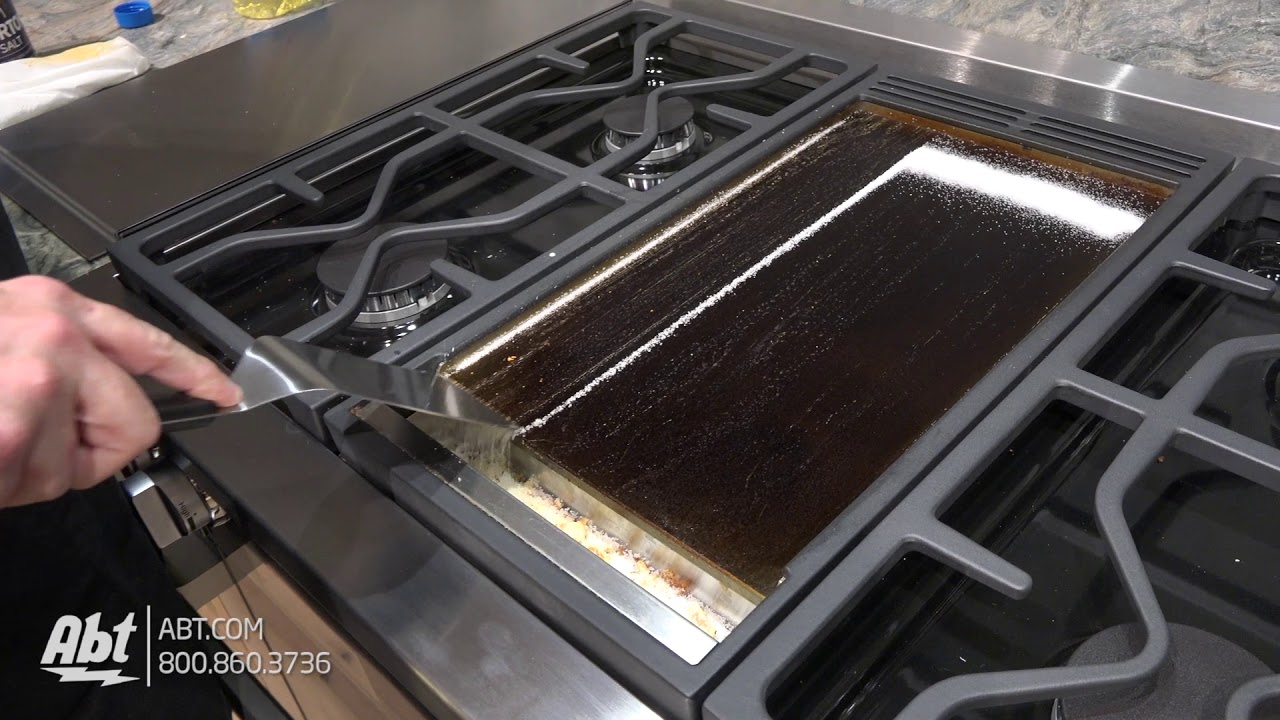
- Stubborn Spots? Use Coarse Salt: Sprinkle salt, scrub gently, then rinse.
- Dry Immediately: Water causes rust. Dry with a towel or place on low heat to evaporate moisture.
- Re-Season: Rub a small amount of cooking oil on the surface. Heat on the stove for a few minutes to maintain seasoning.
Cleaning A Stainless Steel Griddle
Stainless steel is more forgiving, but it can stain or discolor.
- Cool Down: Wait until the griddle is safe to touch.
- Scrape and Wipe: Remove food and grease with a spatula or cloth.
- Wash with Soapy Water: Use a soft sponge and mild dish soap.
- Tackle Stains: For burnt spots, make a paste of baking soda and water. Scrub gently.
- Rinse and Dry: Rinse thoroughly to remove soap. Dry with a towel to prevent water spots.
Cleaning A Nonstick Griddle
Nonstick surfaces are easy but delicate.
- Let It Cool: Never clean a hot nonstick griddle.
- Wipe Away Residue: Use a paper towel to remove oil and crumbs.
- Wash with Soapy Water: Use a soft sponge—no abrasive pads.
- Rinse and Dry: Make sure there’s no soap left. Air dry or towel dry.
Deep Cleaning For All Griddle Types
Sometimes, regular cleaning isn’t enough. Burnt residue, stubborn grease, and discoloration call for deep cleaning.
- Baking Soda Scrub: Sprinkle baking soda, add a little water to make a paste, and scrub gently.
- Vinegar Spray: Spray vinegar, let it sit for 5-10 minutes, then wipe clean. This helps with stains and odors.
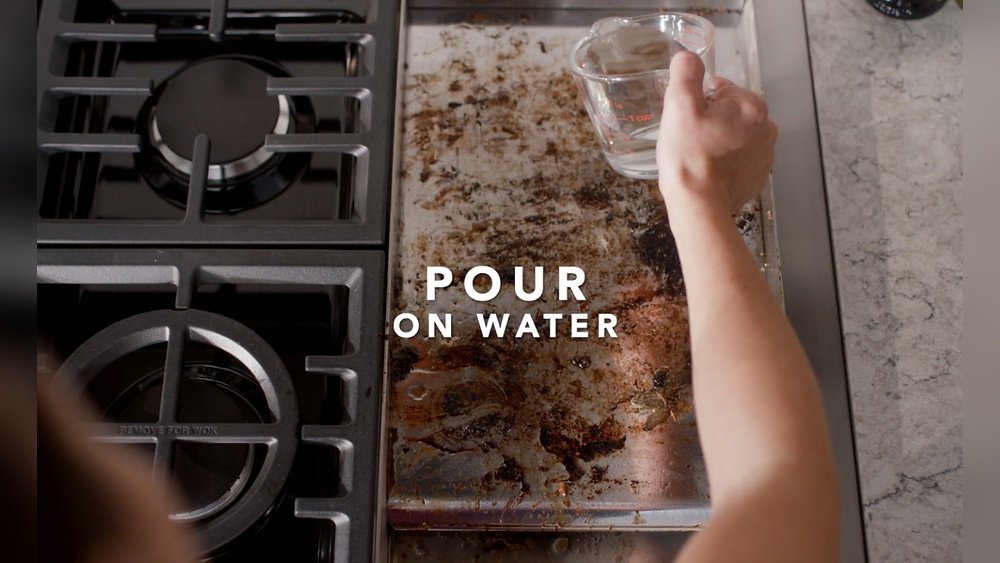
- Boiling Water Method: Pour boiling water on a cooled griddle (not for nonstick), let it soak, then scrape off food.
Deep cleaning once a month keeps your griddle in top shape.
Common Griddle Cleaning Mistakes To Avoid
Many people make small mistakes that can damage their griddle or make cleaning harder. Here’s what to watch out for:
- Using metal utensils: These can scratch the surface, especially on nonstick and cast iron.
- Soaking cast iron: Water causes rust and removes seasoning.
- Using harsh soaps on cast iron: This strips away the nonstick layer.
- Cleaning when hot: Sudden temperature changes can warp the griddle.
- Skipping drying: Leaving water on any griddle can cause rust or stains.
- Storing while damp: Always dry fully before storing.
A good tip: If you’re in a hurry, at least wipe down your griddle with a paper towel after every use. A little effort prevents big problems later.
Credit: www.reddit.com
Comparing Cleaning Methods And Their Results
Choosing the right cleaning method depends on your griddle type and how dirty it is. Here’s a quick comparison to help you decide:
| Cleaning Method | Best For | Pros | Cons |
|---|---|---|---|
| Hot Water & Scraper | Cast Iron, Stainless Steel | Quick, preserves seasoning | Not for nonstick, may not remove heavy stains |
| Soapy Sponge | Stainless Steel, Nonstick | Gentle, effective for grease | Removes seasoning from cast iron |
| Baking Soda Paste | All Types (spot cleaning) | Natural, removes tough stains | Needs thorough rinsing, can be messy |
| Vinegar Spray | Stainless Steel, Cast Iron | Deodorizes, removes discoloration | Not for nonstick, strong smell |
| Coarse Salt Scrub | Cast Iron | No water needed, maintains seasoning | Can scratch if used too hard |
Seasoning Your Griddle After Cleaning
For cast iron griddles, seasoning is an important step. Seasoning means adding a thin layer of oil and heating it to create a natural, nonstick surface. This protects the griddle from rust and makes cooking easier.
How to re-season your cast iron griddle:
- Dry Completely: Make sure there’s no moisture left.
- Apply a Thin Layer of Oil: Vegetable oil or canola oil works well.
- Heat the Griddle: Place on the stove over medium heat for 10-15 minutes.
- Wipe Off Excess Oil: Use a clean paper towel to remove extra oil.
- Cool and Store: Let it cool before putting it away.
Many beginners skip this step, but regular seasoning keeps your cast iron griddle in perfect shape. Nonstick and stainless steel griddles do not need seasoning.
How Often Should You Clean Your Griddle?
Cleaning frequency depends on how often you use your griddle and what you cook. Here’s a simple guide:
| Usage Frequency | Recommended Cleaning |
|---|---|
| After Every Use | Wipe, light wash, dry thoroughly |
| Weekly | Deep clean for heavy users (daily cooking) |
| Monthly | Deep clean for light users |
If you fry bacon or cook foods with strong flavors, a quick clean after every use is best. For foods like pancakes, a simple wipe may be enough between deep cleans.
Removing Rust And Stubborn Stains
Even with good habits, rust and stains can happen, especially with cast iron griddles. Here’s how to handle them:
Rust Removal For Cast Iron
- Scrub with Steel Wool: Only for rust spots, not regular cleaning.
- Wash with Hot Water: Rinse away the rust debris.
- Dry and Re-season: Immediately dry and add a layer of oil.
- Heat the Griddle: Bake or heat on the stove to restore the seasoning.
Removing Burnt-on Food
- Soak the Griddle: For stainless steel, soak in hot soapy water for 30 minutes.
- Use Baking Soda Paste: Apply, let it sit, then scrub gently.
- Boiling Water Trick: Boil water on the griddle (not for nonstick), then scrape off loosened bits.
Dealing With Discoloration
Stainless steel can develop rainbow stains. Clean with a vinegar solution, then rinse and dry. For cast iron, discoloration usually means seasoning is wearing off—just re-season.
Cleaning Griddle Grease Traps And Drip Trays
Some stovetop griddles come with a grease trap or drip tray. These collect extra oil and fat, making cleanup easier, but they need regular attention.
- Remove and Empty: Pour out grease after every use (when cool).
- Wash With Soapy Water: Clean with a sponge and dry thoroughly.
- Check for Build-Up: Grease traps can get sticky—scrub with baking soda if needed.
Forgetting about the grease trap is a common mistake. Old grease can become rancid and even cause smoke or fire hazards.
Tips For Keeping Your Griddle Clean Longer
Prevention is better than cure. Here are some smart tips to keep your griddle cleaner between uses:
- Preheat Properly: A well-heated griddle is less likely to have food stick.
- Use Enough Oil: But don’t overdo it—too much oil leaves sticky residue.
- Wipe While Warm: After cooking, wipe away grease before it cools and hardens.
- Avoid Sugar-Heavy Foods: Syrups and sugary marinades burn easily and cause stubborn stains.
- Rotate Cooking Areas: Use all parts of the griddle to prevent hot spots and uneven wear.
Many people don’t realize that food sticks more on a cold griddle. Taking a few minutes to preheat can save a lot of cleaning time later.
Credit: www.youtube.com
Safe Cleaning Products And What To Avoid
Not all cleaning products are safe for your griddle. Here’s a quick guide:
Safe Products
- Mild dish soap
- Baking soda
- White vinegar
- Vegetable or canola oil (for seasoning)
Products To Avoid
- Bleach or harsh chemicals: Can damage surfaces and leave toxic residue.
- Oven cleaner: Too strong for most griddles.
- Abrasive scrubbers: Steel wool, scouring pads (except for rust removal).
- Dishwasher: Most griddles (especially cast iron) aren’t dishwasher safe.
For more information on safe cleaning products, check EPA Safer Choice.
Storing Your Griddle After Cleaning
Storage matters for keeping your griddle clean and rust-free. Here’s what to do:
- Dry Completely: Make sure there’s no moisture left.
- Store in a Dry Place: Avoid under the sink or anywhere damp.
- Use a Paper Towel or Cloth: Place between stacked griddles to prevent scratches.
- Leave Slightly Oiled (Cast Iron): A thin oil layer prevents rust.
Many beginners miss the importance of dry storage. A damp spot can undo all your hard work in cleaning.
Troubleshooting: What If Your Griddle Still Looks Dirty?
Sometimes, even after cleaning, your griddle doesn’t look perfect. Here’s what to check:
- Sticky or sticky feeling: Too much oil during seasoning—wipe off excess and heat again.
- Dark spots or discoloration: Natural with use, not always a problem. Re-season if food starts sticking.
- White spots (cast iron): Usually mineral deposits. Scrub with vinegar, rinse, and dry.
- Rainbow stains (stainless steel): Clean with vinegar, rinse, and dry.
If your griddle is warped or badly damaged, it might be time to replace it. With good cleaning habits, though, most griddles last for years.
Comparing Griddle Materials: Cleaning Difficulty And Maintenance
If you’re thinking about buying a new griddle or just want to know how yours compares, here’s a look at cleaning difficulty and care for each type:
| Material | Cleaning Difficulty | Maintenance Needed | Durability |
|---|---|---|---|
| Cast Iron | Moderate | Seasoning, dry storage | Very high |
| Stainless Steel | Easy | Occasional stain removal | High |
| Nonstick | Very easy | No abrasives, gentle cleaning | Medium (coating can wear off) |
Nonstick griddles are simplest to clean but need the most care to avoid damage. Cast iron lasts longest but needs regular seasoning. Stainless steel is a good balance for most kitchens.
Non-obvious Insights For Griddle Cleaning Success
Here are two insights that many people overlook:
- Let the griddle cool just enough before cleaning: Cleaning while slightly warm makes it much easier to remove residue, but cleaning when too hot or too cold creates more work or risks damage.
- Seasoning is not just for new griddles: Many think seasoning is a one-time task, but doing it after every deep clean keeps your cast iron griddle truly nonstick and rust-proof. This small habit makes a huge difference over the years.
Another tip: If you notice your food suddenly sticking more, it’s often a sign that you need to re-season or do a deeper clean, not just scrub harder.
Frequently Asked Questions
How Do I Clean A Stovetop Griddle Without Removing The Seasoning?
Use a plastic scraper to remove food bits, rinse with hot water, and scrub gently with a non-abrasive pad. Avoid soap. Dry immediately and apply a thin layer of oil to keep the seasoning intact.
Can I Use Soap On My Cast Iron Griddle?
It’s best to avoid soap on cast iron, as it can strip the seasoning. If you must use soap (for a very greasy mess), use only a tiny amount, rinse well, and re-season after drying.
What Should I Do If My Griddle Develops Rust?
Scrub the rust with steel wool or a stiff brush, rinse, dry fully, and re-season your griddle. Light rust is easy to fix if you catch it early.
How Often Should I Deep Clean My Stovetop Griddle?
Deep cleaning is recommended once a month if you use your griddle regularly, or more often if you cook greasy or sticky foods. Deep cleaning helps prevent build-up and keeps the surface smooth.
Are There Any Eco-friendly Cleaning Options For Griddles?
Yes, baking soda and white vinegar are both eco-friendly and effective for most griddle types. Always rinse well and dry after using natural cleaners.
Maintaining a clean stovetop griddle doesn’t have to be a chore. With the right habits and tools, you’ll enjoy better meals and a kitchen that feels fresh every time you cook. If you ever have doubts about specific cleaning products, you can check guides from trusted sources like the EPA Safer Choice for more advice.
The effort you put into cleaning your griddle will pay off every time you cook. Try these tips, avoid the common mistakes, and your griddle will reward you with years of great meals.
Credit: www.reddit.com