
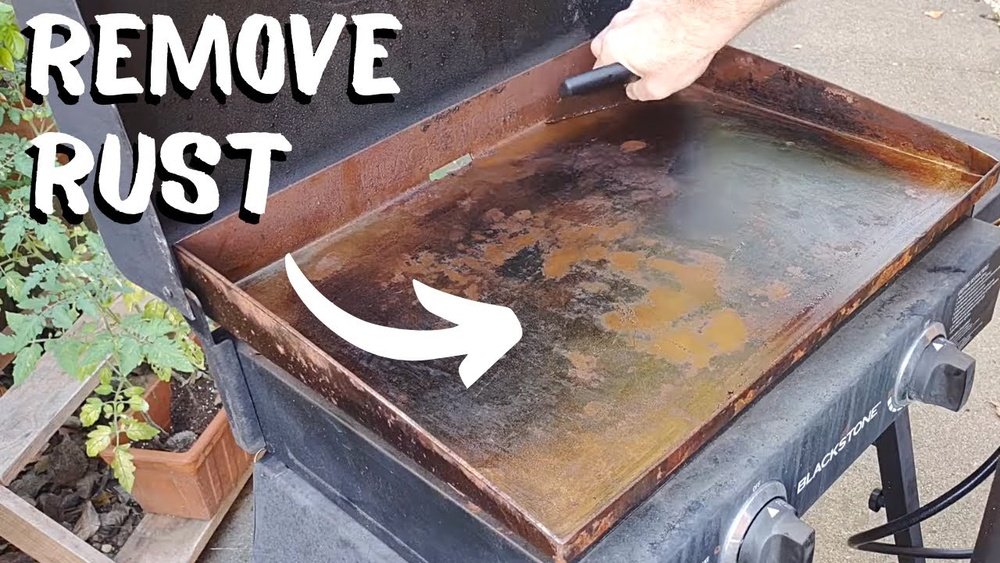
Keeping your flat top grill clean is not just about looks—it’s about flavor, safety, and making your grill last for many years. When rust appears, it can seem like the end of your cooking dreams. But don’t worry: cleaning a rusty flat top grill is possible, and you don’t need expensive equipment or professional help. With the right steps, tools, and a bit of patience, you can restore even a heavily rusted grill to a safe, shiny, and ready-to-cook condition.
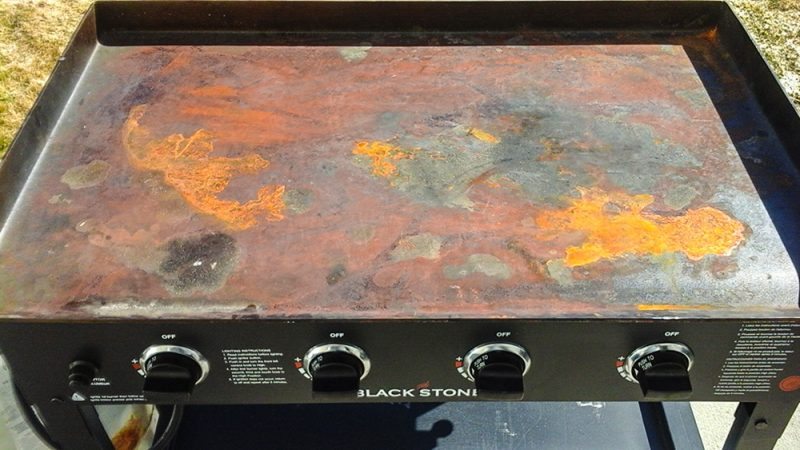
Many people feel overwhelmed when they see orange spots on their grill. It’s a common problem, especially if the grill has been left outside, exposed to rain, or forgotten after a summer barbecue. The good news is that rust is not permanent.
You can remove it, prevent it from coming back, and protect your grill from future damage. In this guide, you’ll learn everything you need to know about how to clean a rusty flat top grill, including practical methods, helpful products, and expert tips that most beginners miss.
Whether you own a restaurant flat top or a backyard griddle, you’ll find answers for your situation.
Why Rust Happens On Flat Top Grills
A flat top grill, often called a griddle, is made from steel or cast iron. These metals are strong but react with water and air, leading to rust. Even stainless steel can rust if it’s scratched or if food acids sit on it too long. Here are the most common reasons you’ll see rust on your grill:
- Moisture: Rain, humidity, or even washing and not drying the grill can start the rusting process.
- Food residue: Leftover food can trap moisture and acids that speed up rust.
- Lack of oiling: Flat tops need a thin layer of oil to protect the metal. Skipping this step leaves your grill open to attack.
- Covering mistakes: Using a cover helps, but if it traps moisture, it can make things worse.
- Scratches: Damaged surfaces are more likely to rust.
Understanding these causes will help you avoid rust in the future, not just clean it up today.
Tools And Supplies You Will Need
Before you start cleaning, gather the right tools. Having everything ready will make the job easier and faster. For most cleaning jobs, you’ll need:
- Grill scraper: A heavy-duty metal tool for removing thick rust and food.
- Grill brush or steel wool: Used to scrub away remaining rust.
- Cooking oil (vegetable or canola): For re-seasoning the grill after cleaning.
- Paper towels or a clean cloth: For wiping and drying the surface.
- Mild dish soap: Optional, for extra cleaning power.
- White vinegar or lemon juice: Natural rust removers.
- Baking soda: Helps to lift stubborn rust spots.
- Protective gloves: To keep your hands safe.
- Bucket of warm water: For rinsing.
If your grill is very rusty, you might also use:
- Sandpaper (medium grit): For heavy rust that won’t come off with a brush.
- Rust remover spray: Make sure it’s food-safe.
Most of these items are easy to find at home or a local store. Always check your grill’s manual for cleaning advice, as some brands recommend or warn against certain products.
Step-by-step: How To Clean A Rusty Flat Top Grill
Let’s get right into the cleaning process. Don’t rush—taking your time will give you the best results.
1. Prepare The Area
Start by moving your grill to a well-ventilated space. If you’re cleaning indoors, open windows. Lay down old newspapers or a drop cloth to catch drips and debris. Wear protective gloves.
2. Heat The Grill (optional But Helpful)
Turn the grill on low for 10–15 minutes. The heat will loosen the rust and make it easier to remove. If your grill can’t be heated (for example, a portable griddle), skip this step.
3. Scrape Off Loose Rust
Take your grill scraper and firmly push it across the grill’s surface. Remove as much loose rust and old food as possible. Hold the scraper at a low angle so you don’t gouge the metal.
4. Apply A Natural Rust Remover
Pour a small amount of white vinegar or lemon juice over the rusty areas. Let it sit for 5–10 minutes. The acid in these liquids helps to break down rust.
5. Scrub The Surface
Use a grill brush, steel wool, or sandpaper to scrub the rusted parts. Move in small circles, adding more vinegar or lemon juice as needed. Don’t be afraid to use some elbow grease—the more stubborn the rust, the harder you need to scrub.
6. Wipe And Inspect
Use a paper towel or cloth to wipe away loosened rust and liquid. Check the surface. If you still see rust, repeat steps 4 and 5.
7. Use Baking Soda For Stubborn Spots
Mix baking soda with a little water to make a paste. Spread it on any remaining rusty spots and let it sit for 10 minutes. Scrub again with your brush or steel wool.
8. Rinse And Dry Thoroughly
Use a damp cloth or paper towel to clean off any vinegar, lemon juice, or baking soda. It’s important to remove all cleaning agents. Dry the grill completely—even a little water can cause new rust.
9. Re-season The Grill
This step is essential. Pour a thin layer of cooking oil over the surface. Use a clean cloth or paper towel to spread it evenly. Heat the grill on high for 10–15 minutes. The oil will smoke and bond to the metal, creating a protective coating.
10. Final Wipe Down
Let the grill cool, then wipe away any excess oil. Your grill should now look clean and shiny, with no trace of rust.
Comparing Popular Rust Removal Methods
Different people swear by different rust removal methods. Here’s a quick comparison of the most popular options:
| Method | Best For | Time Needed | Pros | Cons |
|---|---|---|---|---|
| White Vinegar | Light to medium rust | 10-20 mins | Cheap, natural, safe | May need several tries |
| Lemon Juice | Light rust, small areas | 10-15 mins | Fresh smell, food-safe | Less effective on heavy rust |
| Baking Soda Paste | Small, stubborn spots | 15-30 mins | Gentle, non-toxic | Slow, not for large areas |
| Steel Wool/Sandpaper | Heavy rust, thick layers | 15-45 mins | Very effective, fast | Can scratch surface |
| Rust Remover Spray | Severe rust, commercial use | 5-30 mins | Powerful, quick | Must be food-safe, can be harsh |
Many beginners think chemical sprays are always best, but they can be too harsh for home grills. Natural products like vinegar and lemon work well and are safer.
When To Consider Professional Help
Sometimes, rust is so deep that it has eaten holes in the metal or made the surface uneven. If you see:
- Pits or holes in the grill
- Large flakes coming off, not just surface rust
- Structural weakness (the grill bends or feels soft)
It’s time to call a pro or consider replacing the grill. Cooking on badly damaged metal is unsafe and could ruin your food.
Prevention: How To Keep Your Flat Top Grill Rust-free
Cleaning rust is one thing, but stopping it from coming back is even more important. Here’s how to keep your grill protected year-round.
Always Clean After Cooking
After you finish cooking, while the grill is still warm:
- Scrape off food bits with your grill scraper.
- Wipe the surface with a damp cloth or paper towel.
- Dry completely, then spread a thin layer of oil over the whole surface.
This quick routine removes moisture and creates a barrier against air and water.
Use A Proper Cover
Store your grill under a waterproof, breathable cover. Avoid cheap plastic tarps that trap moisture. If you keep your grill outside, raise it off the ground to stop splashes and dew from getting underneath.
Store Indoors When Possible
If you won’t use your grill for a few weeks (like during winter), store it in a garage or shed. Dry air is your friend.
Re-season Regularly
Seasoning is not a one-time job. Every few uses, heat your grill and apply a thin layer of oil. This builds up protection and keeps food from sticking.
Check For Early Signs Of Rust
Inspect your grill every month. Look for orange spots, scratches, or dry patches. Catching rust early makes it much easier to fix.
Avoid Common Mistakes
Many people make the same errors, which can actually speed up rust:
- Using too much water when cleaning
- Leaving the grill wet after washing
- Scrubbing with harsh chemicals that remove seasoning
- Covering a wet grill
Remember: moisture is the enemy. Clean, dry, and oil—those are your three keys.
Credit: blackstoneproducts.com
Hidden Dangers: Why Cooking On A Rusty Grill Is Risky
Some people believe a bit of rust won’t hurt, but this is not true. Cooking on a rusty grill can cause:
- Metal flakes in your food
- Bad taste or strange smells
- Possible health risks if you ingest rust over time
- Shortened grill life, as rust spreads quickly
A small patch of rust is not an emergency, but it should be fixed before your next cookout.
Special Situations: Cleaning Different Grill Types
Not all flat top grills are the same. Some need extra care:
Cast Iron Griddles
Cast iron is tough but rusts fast. Avoid soap if possible, as it can strip the seasoning. Use salt as a gentle scrub, and always dry and oil immediately after cleaning.
Stainless Steel Flat Tops
Stainless steel resists rust, but not forever. Use non-abrasive pads to avoid scratching. Vinegar works well, but don’t leave it sitting for too long.
Chrome-plated Surfaces
Chrome needs gentle cleaning. Avoid steel wool—use a soft cloth with vinegar or a mild cleaner. Never use sandpaper.
Products That Help Remove Rust
While home items like vinegar and baking soda work well, some commercial products make rust removal easier.
Here’s a quick comparison of popular options:
| Product | Type | Food-Safe | Cost | Effectiveness |
|---|---|---|---|---|
| Bar Keepers Friend | Powder cleanser | Yes | Low | High |
| CLR Calcium, Lime & Rust Remover | Liquid spray | No (must rinse well) | Medium | Very High |
| 3M Scotch-Brite Pads | Scrubbing pads | Yes | Low | Medium |
| Evapo-Rust | Gel/liquid | Yes | Medium | High |
Always read labels to make sure a product is safe for cookware. Even food-safe cleaners must be rinsed thoroughly before cooking.
Two Insights Beginners Often Miss
- Seasoning is a process, not a one-time fix. Many first-time owners think seasoning is only for new grills. In truth, every cleaning, especially after rust removal, requires re-seasoning. Each time you heat and oil the grill, you build a stronger, more rust-resistant layer.
- Moisture hides in cracks and edges. Wiping the surface isn’t enough—make sure to dry corners and the edges where water can collect. Even a little moisture left overnight can start new rust.

Credit: www.youtube.com
What If Rust Keeps Coming Back?
If you clean and season your grill but rust returns quickly, check these possible causes:
- Your cover is trapping moisture. Switch to a breathable, waterproof one.
- You’re not seasoning enough. Try applying two or three thin coats of oil, heating the grill between each.
- Your environment is very humid. In damp climates, store the grill indoors as much as possible.
- Metal damage. If the surface is pitted or cracked, it may hold water even after cleaning.
Persistent rust usually means a storage or maintenance issue. Change your routine and watch for improvements.
Cleaning Flat Top Grills In Restaurants
Commercial kitchens face extra challenges. Grills are used daily, and downtime is costly. Here are some tips for restaurant owners or workers:
- Clean at the end of every shift. Don’t let food or rust build up.
- Use commercial scrapers and pads designed for heavy use.
- Schedule deep cleaning (including rust removal and full seasoning) every week.
- Train staff on proper oiling and cleaning steps.
Some restaurants use professional cleaning services. If you do, make sure they use food-safe products and techniques approved by health authorities.

Credit: fotowoltaika.gft.pl
Myths About Rust And Flat Top Grills
Many grill owners hear or read advice that can do more harm than good. Let’s clear up some common myths:
- Myth: Stainless steel doesn’t rust. Stainless can rust if scratched or left wet.
- Myth: Once rusted, a grill is ruined. Most rust can be cleaned if caught early.
- Myth: Cooking burns off rust. Heat alone won’t remove rust, and you shouldn’t eat food cooked on a rusty surface.
- Myth: More oil means better protection. Thick layers of oil can get sticky and attract dirt. Always use a thin, even coat.
Environmental And Health Considerations
Using natural cleaning agents like vinegar and baking soda is not only safe for your grill, but also better for the environment. Harsh chemicals can leave residues and harm local water systems. If you must use commercial rust removers, always rinse the grill thoroughly, and wipe it dry before seasoning.
According to the Centers for Disease Control and Prevention, ingesting large amounts of rust (iron oxide) is not safe. Small flakes likely won’t cause harm, but it’s best to avoid any risk by keeping your grill clean and rust-free.
Frequently Asked Questions
How Often Should I Clean And Season My Flat Top Grill?
You should clean and season after every use. For heavy use or commercial kitchens, a quick clean after each cooking session and a deep clean plus re-seasoning every week is best.
Can I Use Soap And Water To Clean A Rusty Flat Top Grill?
Mild dish soap is safe for most grills, but avoid it on cast iron. Always rinse and dry thoroughly. Soap removes seasoning, so always re-season after cleaning with soap.
What Type Of Oil Is Best For Seasoning A Flat Top Grill?
Choose oils with a high smoke point like canola, vegetable, or grapeseed oil. Avoid olive oil, as it can burn and leave sticky residues.
Is It Safe To Cook On A Grill With A Little Rust?
No, it’s not recommended. Rust can flake into your food and may cause health problems if eaten often. Remove all rust and re-season before cooking.
What If My Grill Keeps Rusting Even After I Clean It?
Check your storage and covering method. Make sure you’re drying and oiling properly, and that your cover doesn’t trap moisture. Persistent rust may mean your grill is damaged or your environment is very humid.
—
Taking care of your flat top grill is easier than it seems. With regular cleaning, proper oiling, and smart storage, you can enjoy delicious, safe meals for years to come. Remember, rust is common but never permanent—what matters most is how quickly and thoroughly you deal with it.
If you follow the steps and tips in this guide, your grill will stay in top shape, ready for your next cookout or family breakfast.