

Keeping your thermofoil cabinets clean and looking new is easier than you might think, but there are some important things to know before you start. Thermofoil cabinets have a unique surface—smooth, low-maintenance, and attractive, but also sensitive to heat, moisture, and harsh chemicals. Many homeowners choose them for their affordability and sleek appearance, but cleaning them the wrong way can lead to peeling, discoloration, or even permanent damage. If you want your kitchen or bathroom to stay fresh and bright, it’s essential to use the right methods and avoid common mistakes.
This guide will walk you through everything you need to know about cleaning thermofoil cabinets: from understanding their special material, to daily care routines, deep cleaning, stain removal, and long-term maintenance. You’ll learn not just what to do, but why it matters—so you can make smart decisions and keep your cabinets in top shape for years. Whether you’re a first-time homeowner, a renter, or just looking to upgrade your cleaning routine, you’ll find practical advice, easy instructions, and real-world examples in the sections below.
What Are Thermofoil Cabinets?
Before you start cleaning, it helps to know what thermofoil cabinets are. Thermofoil is not a type of foil or metal. It’s a thin layer of vinyl that’s heated and vacuum-pressed onto MDF (medium-density fiberboard) or engineered wood. This process creates a smooth, seamless surface that can mimic the look of painted wood or other materials.
Thermofoil cabinets have become popular in kitchens, bathrooms, and laundry rooms because they’re:
- Affordable compared to solid wood or painted cabinets.
- Available in many colors and styles.
- Resistant to most stains and easy to wipe clean.
However, they’re also sensitive to heat and moisture. Too much of either can cause the vinyl to peel or bubble. Strong chemicals or rough scrubbing can scratch or dull the surface. That’s why special care is needed when cleaning.
Why Thermofoil Cabinets Need Special Care
It’s tempting to treat all cabinets the same way, but thermofoil cabinets have unique needs. Here’s why:
- Heat Sensitivity: Thermofoil can melt or peel if exposed to high heat. Placing a toaster or coffee maker too close can cause damage. Using hot water or steam cleaners is also risky.
- Moisture Issues: While thermofoil resists water better than wood, standing water or long-term humidity can seep under the vinyl and cause it to lift.
- Chemical Reactions: Harsh cleaners like bleach, ammonia, or acetone can discolor or weaken the vinyl layer.
- Physical Damage: Scrubbing with abrasive pads or powders can scratch or dull the finish.
Understanding these factors will help you avoid mistakes that could shorten the life of your cabinets. Now, let’s move to the best ways to clean thermofoil surfaces safely and effectively.

Credit: tdm-thedoormaker.com
Daily Cleaning Routine
The best way to keep your cabinets looking good is with simple, regular cleaning. You don’t need fancy products or lots of time.
Supplies You’ll Need
- Soft microfiber cloths or non-abrasive sponges
- Mild dish soap (unscented or neutral pH is best)
- Warm (not hot) water
- A dry towel for wiping
Step-by-step Routine
- Dust First: Use a dry microfiber cloth to wipe away dust or loose crumbs. This prevents scratching.
- Make a Gentle Solution: Mix a few drops of mild dish soap in a bowl of warm water.
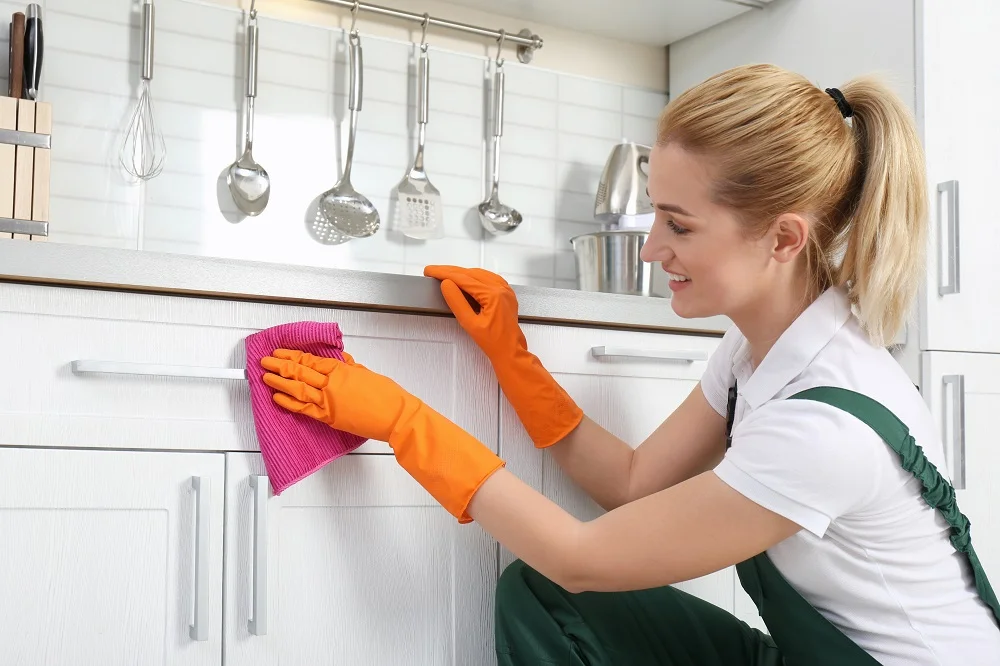
- Wipe Surfaces: Dampen your cloth in the soapy water, wring out extra moisture, and gently wipe cabinet doors and frames.
- Rinse: Rinse the cloth in clean water, wring it out, and wipe again to remove any soap residue.
- Dry Completely: Use a dry towel to make sure no water is left, especially around edges or seams.
Pro Tips
- Clean spills right away, especially tomato sauce, coffee, or oils. Fast action prevents stains.
- Wipe around handles and edges, where grease and dirt collect most.
- Avoid spraying water directly onto cabinets—always apply to the cloth.
Deep Cleaning For Thermofoil Cabinets
Over time, cabinets collect grease, fingerprints, and grime, especially in kitchens. Deep cleaning once a month or when you notice buildup will keep them looking fresh.
What You’ll Need
- Microfiber cloths
- Mild dish soap
- White vinegar (optional, for tough grease)
- Soft-bristle toothbrush or small brush for crevices
Deep Cleaning Process
- Remove Items: Take out anything inside the cabinets to avoid getting contents wet.
- Prepare Solution: Use the same mild soap solution as for daily cleaning. For tough grease, add one tablespoon of white vinegar per quart of water.
- Wipe Down: Work in small sections. Dampen your cloth, wring it out, and wipe the surface gently.
- Clean Details: Use a toothbrush for corners, edges, and around hardware. Dip it in the cleaning solution and scrub lightly.
- Rinse and Dry: Wipe with a clean, damp cloth, then dry all surfaces with a towel.
When To Avoid Vinegar
Vinegar helps cut grease but use it sparingly. Too much or undiluted vinegar can dull the thermofoil finish. Never use it on high-gloss or dark-colored cabinets without testing first in a hidden spot.
Hidden Grease Zones
Don’t forget to clean:
- Cabinet tops (where dust and grease mix)
- Edges near the stove or sink
- Drawer pulls and handles (oils from hands build up here)
Removing Stubborn Stains And Grease
Sometimes, regular cleaning isn’t enough—especially in busy kitchens. Stubborn stains need careful treatment.
Common Stains And How To Treat Them
- Grease Splatter: Mix warm water and a bit of dish soap, then use a microfiber cloth to scrub gently. For stubborn spots, add a drop of vinegar, but rinse immediately.
- Food Dyes or Tomato Sauce: Make a paste of baking soda and water. Apply to the stain, let sit for 5 minutes, then gently wipe off with a damp cloth. Do not rub hard.
- Coffee or Tea: Use diluted dish soap and water. For old stains, try a little baking soda paste, but always rinse well.
- Crayon or Marker: Rubbing alcohol on a cotton swab can help, but test in an invisible area first. Use sparingly.
What Not To Do
- Never use magic erasers or abrasive cleaners. They can scratch or remove the surface layer.
- Avoid bleach or ammonia—they break down vinyl over time.
- Don’t let water sit on the surface. Always dry thoroughly.
Example: Grease Removal
Suppose your cabinet near the stove has a yellowish film. Mix one cup of warm water with a few drops of dish soap and a tablespoon of white vinegar. Wipe with a cloth, rinse, and dry. If the stain remains, repeat instead of scrubbing harder.
Cleaning Cabinet Hardware
Handles, knobs, and hinges collect more dirt than you might think. Clean them regularly to prevent grime buildup.
Cleaning Steps
- Remove hardware if possible (especially for deep cleaning).
- Soak handles in warm, soapy water for 10 minutes.
- Scrub with a soft brush or old toothbrush.
- Rinse and dry before reattaching.
If you can’t remove hardware, wipe around it carefully with a soapy cloth and a brush for crevices.
Dealing With Peeling Or Damaged Thermofoil
Even with the best cleaning routine, thermofoil cabinets can start to peel—especially near heat sources or sinks.
What Causes Peeling?
- Repeated exposure to steam or heat (from dishwashers, ovens, coffee makers)
- Water getting under the edge of the vinyl
- Using strong chemicals that weaken the adhesive
How To Fix Small Peels
For small areas, you can try:
- Gently lift the loose vinyl with a toothpick.
- Apply a small amount of wood glue or contact cement underneath.
- Press the vinyl down and hold for 5–10 minutes. Use painter’s tape to keep it in place while it dries.
- Wipe away any excess glue.
When To Call A Pro
If a large section is peeling, or if there’s bubbling or warping, it’s better to contact a professional. Trying to fix big problems yourself can make things worse.
How Thermofoil Compares To Other Cabinet Materials
It’s helpful to see how thermofoil cabinets stack up against other popular materials when it comes to cleaning and care.
| Cabinet Material | Cleaning Difficulty | Resistant to Water | Heat Tolerance | Common Problems |
|---|---|---|---|---|
| Thermofoil | Easy | Moderate | Low | Peeling, bubbling |
| Painted Wood | Moderate | Low | Medium | Chipping, staining |
| Laminate | Easy | High | Medium | Edge lifting |
| Solid Wood | Challenging | Low | High | Warping, watermarks |
Thermofoil is one of the easiest to clean, but needs more protection from heat and moisture than laminate.
Choosing Cleaning Products: What’s Safe, What To Avoid
Not all cleaning products are safe for thermofoil. Here’s a quick guide:
| Product Type | Safe for Thermofoil? | Notes |
|---|---|---|
| Mild Dish Soap | Yes | Best for daily cleaning |
| White Vinegar (diluted) | Yes, in moderation | Helps with grease; always rinse off |
| Baking Soda | Yes, gently | Use as a paste for stains, avoid hard scrubbing |
| Bleach | No | Can discolor and weaken vinyl |
| Ammonia-Based Cleaners | No | Damages finish over time |
| Abrasive Pads | No | Causes scratches |
| Furniture Polish | No | Leaves residue, attracts dust |
| Magic Eraser | No | May dull or damage the surface |
Always check product labels for “safe on vinyl” or “safe for laminate surfaces” to be sure.
Preventing Damage: Smart Habits For Long-lasting Cabinets
Cleaning is only part of caring for thermofoil cabinets. Good habits will keep them looking new and prevent problems.
Heat Protection
- Never place appliances like toasters, coffee makers, or air fryers directly under upper cabinets.
- If you must use them nearby, pull them forward so steam and heat don’t rise onto cabinet faces.
- Use vent hoods when cooking to minimize steam and grease.
Moisture Management
- Wipe up splashes and spills right away, especially near sinks and dishwashers.
- Avoid hanging wet towels over cabinet doors.
- Check for leaks under sinks—standing water can cause damage even if the surface looks fine.
Gentle Touch
- Use only soft cloths or sponges.
- Never use steel wool or scouring pads.
- Avoid leaning heavy objects or sharp tools against cabinet doors.
Regular Inspection
- Every month, look for signs of peeling or bubbling.
- Check around edges, especially near heat or water sources.
- Address small problems immediately to prevent them from getting worse.
Real-world Example
A homeowner noticed peeling near the dishwasher. After adjusting the dishwasher to release steam away from the cabinet, and wiping up water after every cycle, the problem stopped getting worse. Quick action saved the need for full door replacement.

Credit: www.youtube.com
How To Handle Mold, Odors, Or Sticky Residue
Kitchens and bathrooms can get humid, so sometimes mold or sticky residue builds up.
For Mold Or Mildew
- Mix one part white vinegar with three parts water.
- Dampen a cloth (never soak), wipe the area, and dry completely.
- If the problem continues, check for leaks or high humidity.
For Sticky Residue
- Use a small amount of dish soap in warm water.
- For stubborn stickiness (like from tape or labels), try a little baking soda paste, but wipe gently.
For Odors
- Leave cabinet doors open for a few hours to air out.
- Place a bowl of baking soda inside to absorb smells.
If problems continue, check for hidden leaks or food spills inside the cabinets.
Child And Pet Safety: Keeping Cabinets Clean And Safe
If you have young children or pets, you might worry about dirty fingerprints, paw prints, or accidental spills.
Best Practices
- Choose easy-to-clean, light colors for high-traffic areas.
- Use child locks on lower cabinets to prevent spills or damage.
- Clean sticky handprints with a damp cloth and mild soap—avoid harsh chemicals to keep surfaces safe for kids and pets.
Extra Tip
If you use baby wipes, check that they don’t contain alcohol or bleach, which can harm the finish.
Credit: kitchencabinetguys.net
Seasonal And Annual Maintenance
Some tasks don’t need to be done every week, but are important for long-term care.
Spring And Fall Deep Clean
- Empty cabinets fully once or twice a year.
- Wipe all surfaces inside and out.
- Check for loose hardware or any signs of water damage.
Re-sealing Edges
- If edges look worn, you may be able to reseal them with a clear silicone caulk or adhesive. This prevents moisture from getting under the vinyl.
Annual Hardware Check
- Tighten any loose handles or hinges.
- Apply a drop of oil to hinges if they squeak, but wipe away any that drips onto the cabinet surface.
When To Replace Or Refinish Thermofoil Cabinets
No cabinet lasts forever. If yours are badly damaged, it may be time to consider replacement or refacing.
Signs It’s Time
- Large areas of peeling, bubbling, or discoloration
- Warped or swollen cabinet boxes (often from water damage)
- Mold that keeps returning despite cleaning
Your Options
- Replace Only the Doors: You can often buy new thermofoil doors and reuse the existing cabinet boxes.
- Switch to Laminate or Painted Doors: These can be more durable if you have a high-moisture kitchen.
- Full Cabinet Replacement: This is more expensive, but necessary if the structure is damaged.
Cost Considerations
Thermofoil doors are among the least expensive to replace, often costing 20–50% less than solid wood. Refacing (replacing doors but keeping the boxes) is a popular choice for kitchen updates on a budget.
For more on materials and durability, see this detailed guide from Wikipedia.
Real-life Cleaning Schedule Example
If you want a simple plan, here’s an example of a cleaning schedule for thermofoil cabinets:
- Daily: Wipe up spills, spot-clean fingerprints
- Weekly: Quick wipe-down with soapy water and dry
- Monthly: Deep clean, including hardware and inside edges
- Every 6 months: Empty and wipe out all cabinets, check for damage
Adjust the schedule based on how much you cook or how many people use the kitchen.
Frequently Asked Questions
How Often Should I Clean My Thermofoil Cabinets?
For best results, wipe surfaces every week with a damp cloth and mild soap. Spot-clean spills as soon as they happen, and deep clean once a month. Adjust the schedule if you cook often or have young kids.
Can I Use Commercial Kitchen Cleaners On Thermofoil?
Most commercial cleaners are too strong for thermofoil. Always check the label for “safe for laminate or vinyl. ” When in doubt, stick with mild dish soap and water.
What Do I Do If My Thermofoil Cabinets Start To Peel?
Small peels can sometimes be glued back with wood glue or contact cement. For large areas, it’s better to replace the door or call a professional. Prevent future peeling by avoiding heat and moisture.
Are Thermofoil Cabinets Good For Bathrooms?
Yes, as long as you control moisture. Wipe away water splashes quickly and use exhaust fans to reduce humidity. Thermofoil resists stains, but standing water can cause edges to lift.
How Long Do Thermofoil Cabinets Last?
With proper care, thermofoil cabinets can last 10–20 years. Avoiding heat, moisture, and harsh cleaners is key to long life.
—
Taking care of thermofoil cabinets doesn’t have to be complicated. With gentle cleaning, smart habits, and regular inspections, you’ll keep your kitchen or bathroom looking bright and welcoming for many years. Remember, the little things—like using the right cloth or drying surfaces quickly—make a big difference. If you ever have doubts, start with the mildest cleaning method and test in a hidden spot. Your cabinets will thank you with lasting beauty and easy maintenance.