
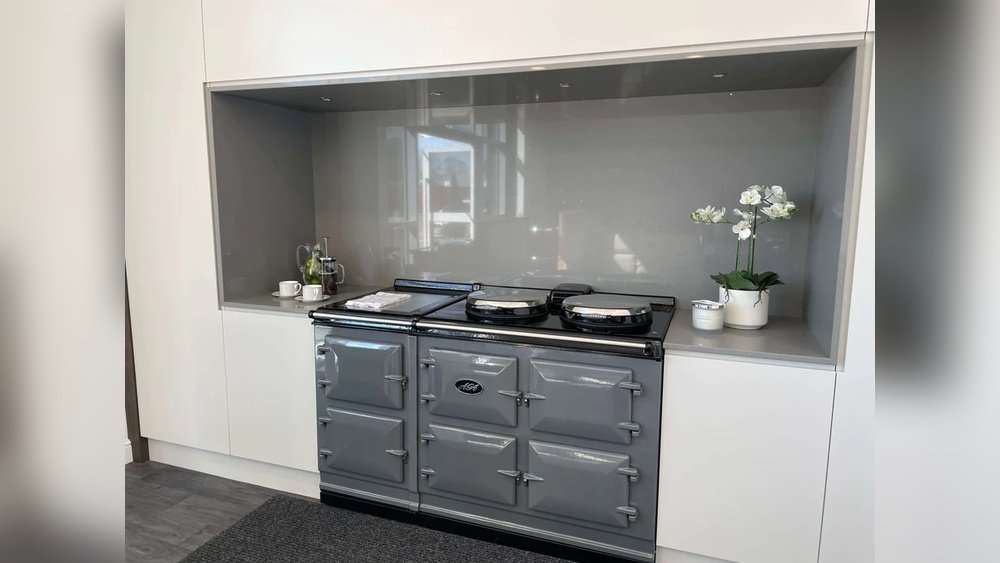
Many people have heard about Aga stoves, often called Aga cookers, but few truly understand how these iconic appliances work. With their classic design and reputation for reliability, Aga stoves have become a symbol of rural luxury and timeless cooking.
But what makes an Aga so special? Why do owners become so loyal to these heavy, always-warm stoves? If you’re curious about the secret behind their gentle heat and unique operation, you’re not alone.
In this guide, you’ll learn exactly how an Aga stove works. We’ll break down its construction, explain its heating system, compare it to other stoves, and offer practical tips for users. Whether you’re considering buying an Aga, already own one, or just love kitchen technology, you’ll find clear answers here. Get ready for a deep dive into the world of Aga stoves and discover why they continue to warm homes and hearts.
What Is An Aga Stove?
An Aga stove is a heat-storage cooking appliance, first invented in Sweden by Nobel Prize winner Gustaf Dalén in 1922. Unlike standard ovens or gas ranges, Aga stoves are designed to stay on all the time, slowly releasing heat from their heavy cast iron bodies. This gentle warmth not only cooks food but also warms the kitchen.
Aga stoves are different from most cookers in several ways:
- Always-on heat source: The stove maintains a constant temperature, ready for use at any time.
- Multiple ovens and hotplates: Different areas have different temperatures, so you can bake, roast, simmer, or boil all at once.
- No visible flames or electric coils: Heat is stored in the cast iron and radiates out.
The Aga became popular in the UK and other countries for its reliability, simplicity, and ability to make the kitchen the heart of the home.
The History And Evolution Of Aga Stoves
To understand how an Aga stove works, it helps to know its history. Gustaf Dalén, a Swedish engineer who lost his sight in an accident, wanted to create a stove that was easy to use, efficient, and safe. He designed the Aga using his knowledge of heat storage, and the first model was made in 1922.
By 1929, production moved to the UK, where the stove became a kitchen classic.
Early Agas burned solid fuel like coal or coke. Over time, models adapted to burn oil, gas, and eventually use electricity. Modern Agas come in both traditional and updated forms, with improved insulation and controls.
Key milestones:
- 1922: Aga invented in Sweden.
- 1929: Production begins in the UK.
- 1940s–70s: Gas and oil models introduced.
- 21st century: Electric Agas and programmable models become available.
This evolution means that while the basic principles remain, modern Aga stoves are more flexible and efficient than ever.

Credit: www.saltirecookers.com
Core Components Of An Aga Stove
An Aga stove might look simple from the outside, but inside, it’s carefully engineered. Every part works together to store and release heat evenly.
Main Parts Of An Aga Stove
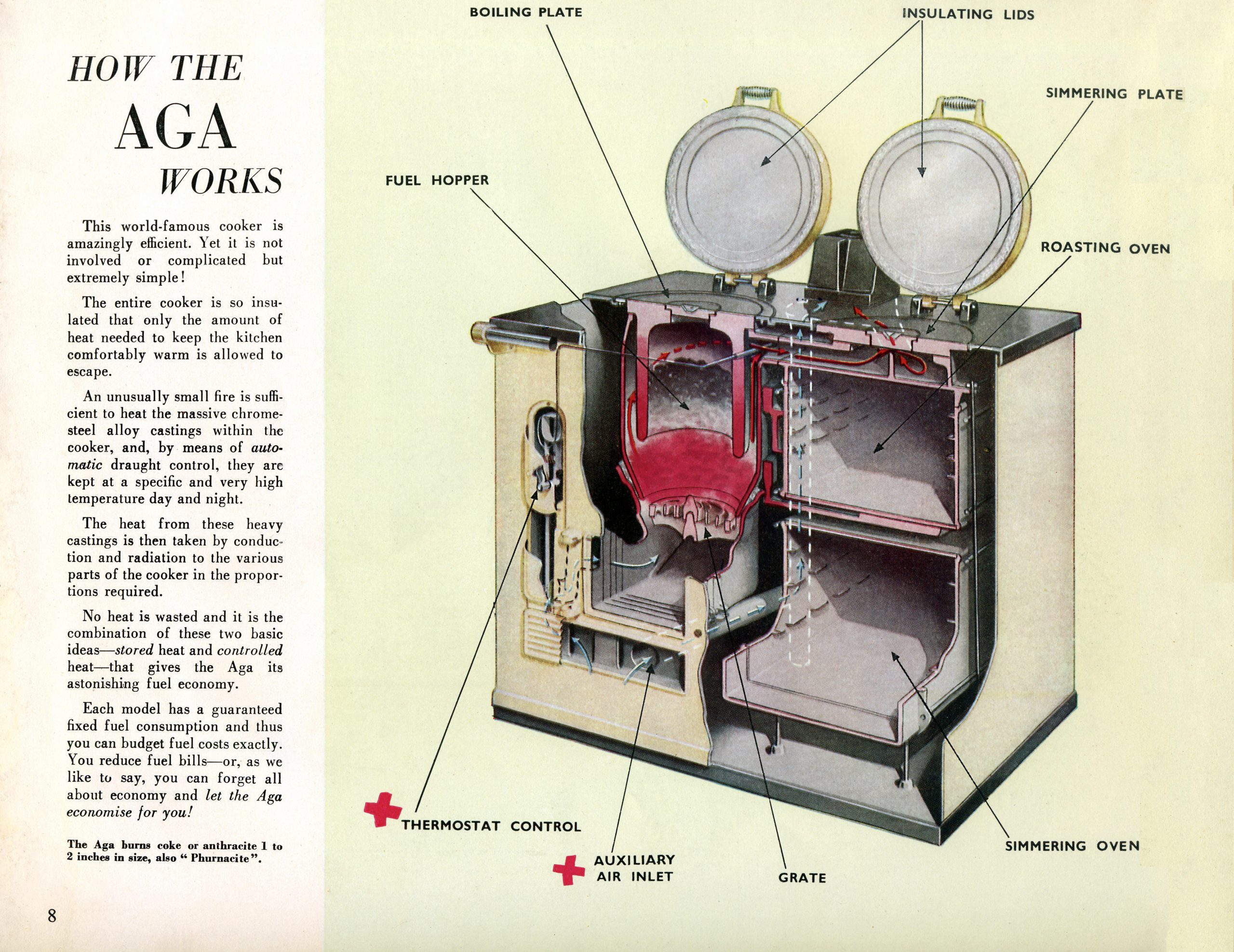
- Cast Iron Body: The heart of the Aga. Cast iron stores heat and releases it gently, which is key to the stove’s cooking style.
- Insulated Covers: Heavy lids cover the hotplates, keeping heat in when not in use.
- Hotplates: Usually two, one for boiling and one for simmering. These sit on top of the stove.
- Ovens: Most Agas have at least two ovens, but some have up to four, each at a different temperature.
- Heat Source: Depending on the model, this could be solid fuel, gas, oil, or electricity.
- Flue or Chimney: Removes waste gases (for fuel-burning models).
- Controls: Newer Agas have simple dials or digital controls; older ones have manual settings.
Example Of An Aga’s Layout
Here’s how a classic four-oven Aga is organized:
- Boiling Plate (hot): Fast boiling, stir-frying, searing.
- Simmering Plate (gentle): Steaming, slow cooking, melting.
- Roasting Oven (hottest): Roasting meat, baking bread.
- Baking Oven (medium): Cakes, cookies, casseroles.
- Simmering Oven (low): Slow-cooked dishes, stews.
- Warming Oven (lowest): Keeping food warm, drying dishes.
How Does The Heating System Work?
At the core of every Aga stove is its heat-storage system. This is what makes it different from ordinary ovens and stoves.
Heat Storage Principle
The Aga is always on, with its heat source gently warming the cast iron core. Unlike gas or electric stoves that heat up only when needed, an Aga accumulates heat over hours and releases it slowly. The result is a constant, even temperature throughout the stove.
- Thermal mass: The cast iron acts as a heat battery.
- Radiant heat: Instead of direct flames or coils, the stove cooks food using gentle, radiant heat.
- Zones of heat: Different ovens and hotplates are at different temperatures, thanks to how the heat travels through the cast iron.
Types Of Heat Sources
Different Aga models use different fuels. The heat source is hidden inside the stove and is carefully controlled to keep the cast iron at the right temperature.
Solid Fuel
- Early Agas burned coal or coke.
- Owners had to add fuel and remove ash regularly.
- Less common today, but still found in some rural homes.
Oil And Gas
- Oil Agas use a controlled burner to heat the cast iron.
- Gas models use a small, steady flame.
- Both are more convenient and require less maintenance than solid fuel.
Electric
- Modern Agas can use electric elements.
- Some models have individual controls for each oven and hotplate.
- Easier to install, especially where gas or oil is unavailable.
Table: Comparison Of Aga Heat Sources
| Heat Source | Advantages | Disadvantages |
|---|---|---|
| Solid Fuel | Traditional feel, can use local fuel | Messy, needs frequent care, less efficient |
| Oil | Reliable, steady heat, easy to refill | Needs a tank, can smell, rising oil prices |
| Gas | Clean, convenient, easy to control | Needs gas line, not always available in rural areas |
| Electric | Simple, flexible, can be turned off in summer | Higher running cost, needs good wiring |
How Heat Travels Inside The Aga
The heat source warms a central core, which spreads heat through the cast iron. The stove is divided into zones:
- Top hotplates get the most direct heat.
- Roasting oven is closest to the heat source.
- Other ovens are arranged so that each is cooler than the last.
This design means you can cook several dishes at once, each at the right temperature.
Cooking With An Aga: How Does It Differ?
Cooking on an Aga is not like using a regular oven. You don’t adjust the temperature for each dish; instead, you choose the right oven or hotplate.
How To Use Aga Hotplates
The two main hotplates (on a traditional model) are:
- Boiling Plate: For fast cooking, boiling water, frying, searing.
- Simmering Plate: For gentle heating, melting, slow-cooking.
You place pans directly on the plates or use special Aga-tooled cookware. The heavy lids keep heat in when you’re not using the plates.
How To Use Aga Ovens
Each oven has a set temperature:
- Roasting Oven (hottest): 425–475°F (220–245°C)
- Baking Oven: 325–400°F (160–205°C)
- Simmering Oven: 225–275°F (110–135°C)
- Warming Oven: Below 175°F (80°C)
You move your dish to the oven with the right heat, rather than changing the oven’s temperature. This takes practice, but many owners find it simpler once they get used to it.
Multi-functionality
An Aga stove does more than cook. It can:
- Warm the kitchen: Many owners say their Aga is the heart of their home, especially in winter.
- Dry clothes: The gentle heat is perfect for drying laundry.
- Heat water: Some models can supply hot water.
- Air food: Use the warming oven to dry herbs or keep plates warm.
Table: Cooking Functions Of Aga Vs. Standard Oven
| Function | Aga Stove | Standard Oven |
|---|---|---|
| Baking | Use baking oven, fixed temp | Set temp as needed |
| Roasting | Roasting oven, always hot | Preheat, adjust temp |
| Boiling/Simmering | Dedicated hotplates | Use stovetop burners |
| Warming | Warming oven, gentle heat | Low oven setting |
| Drying/Heating Kitchen | Always-on, indirect heat | No effect |
Day-to-day Operation: What Owners Need To Know
Owning and using an Aga is a unique experience. Here’s how it works day to day.
Daily Use
- No preheating: The stove is always hot, so you can start cooking right away.
- Minimal adjustments: Instead of changing oven temps, you move dishes between ovens.
- Batch cooking: You can prepare several dishes at once, using the different heat zones.
- Heat management: Keep the lids down when not using hotplates to save energy.
Maintenance
- Cleaning: The constant heat burns away most spills, making cleaning simple. Wipe down the outside and brush out crumbs.
- Ash removal: For solid fuel models, remove ash regularly.
- Fuel supply: Make sure oil or gas supplies are topped up. Electric models need little care.
- Servicing: Have a professional check burners or controls once a year.
Energy Use
Aga stoves are designed to run continuously. This means they use more energy than a stove you only turn on as needed. However, modern Agas have improved insulation, and electric models can be turned off in summer or when not in use.
Typical energy use:
- Oil/gas Aga: 40–60 kWh per day
- Electric Aga: 20–40 kWh per day (for modern models)
Tip: Newer Agas can be programmed to turn on and off, reducing running costs.

Credit: abgoheatingspares.home.blog
Why Do People Love Aga Stoves?
Despite the higher energy use, Aga stoves inspire fierce loyalty. Here’s why.
Unique Cooking Experience
- Even, gentle cooking: Food cooks more evenly because of radiant heat.
- No burnt spots: The gentle heat avoids hot spots that can burn food.
- Moisture retention: Food stays juicy, bread bakes with a perfect crust.
Kitchen Comfort
- Warmth: The always-on Aga keeps the kitchen cozy, especially in cold climates.
- Family gathering point: Many homes use the Aga as a place to gather, chat, or dry wet clothes.
Durability
- Long-lasting: Many Agas last for decades with proper care.
- Simple mechanics: Fewer moving parts mean fewer things can go wrong.
Style
- Classic look: The enamel finish and solid build add charm to any kitchen.
- Color choices: Modern Agas come in many colors, fitting both traditional and modern homes.
Practical Benefits
- Multi-tasking: Bake, roast, boil, and warm all at once.
- No need for a separate heater: In many homes, the Aga replaces a kitchen radiator.
Key Differences Between Aga Stoves And Other Ranges
While Agas are famous for their unique features, it helps to see how they compare to other cooking appliances.
Table: Aga Vs. Standard Range Comparison
| Feature | Aga Stove | Standard Range |
|---|---|---|
| Heat Source | Cast iron, always-on | Gas/electric, on-demand |
| Cooking Method | Radiant heat, multiple fixed zones | Direct heat, adjustable temperature |
| Preheating | Not required | Required for baking/roasting |
| Energy Use | Higher, but always ready | Lower, only when in use |
| Multi-function | Cooking, heating, drying | Cooking only |
| Maintenance | Simple, few moving parts | Varies by model |
Non-obvious Insights
- Heat Recovery: If you cook more, the Aga becomes more efficient per meal, as the heat lost during cooking is replaced by the next meal’s prep.
- Seasonal Use: In hot climates or summer months, an always-on Aga can overheat your kitchen. Some owners turn off the stove or switch to a smaller electric Aga for summer.
Credit: www.countrylife.co.uk
Common Misconceptions About Aga Stoves
Many myths surround Aga stoves. Let’s clear up some confusion.
“agas Are Expensive To Run”
While it’s true that a traditional Aga uses more energy than a modern oven, newer models are more efficient. If you use the Aga for multiple tasks (cooking, heating, drying), you may save on other energy costs.
“agas Are Hard To Use”
There is a learning curve, but most owners say they quickly adapt. The key is understanding the heat zones and moving dishes rather than adjusting oven temperatures.
“you Can’t Turn An Aga Off”
New electric Agas can be turned off or programmed. Even older models can be turned off if needed, though they take time to reheat.
“only For Large Homes”
While classic Agas are large, compact models now fit smaller kitchens.
Practical Tips For Using And Maintaining An Aga
To get the most from your Aga, keep these tips in mind.
Cooking Tips
- Use Aga cookware: Thick, flat-bottomed pans work best for even heating.
- Plan meals: Take advantage of all ovens and hotplates for batch cooking.
- Use the simmering oven for slow dishes: Perfect for stews and casseroles.
- Keep lids down: When not using hotplates, close the lids to retain heat.
- Dry food and herbs: The warming oven is ideal for gentle drying.
Cleaning And Care
- Wipe spills quickly: The heat helps remove most messes.
- Clean enamel with a damp cloth: Avoid harsh chemicals.
- Annual servicing: Have a professional check burners and controls.
Energy Saving
- Modernize: Upgrade insulation or controls if possible.
- Turn off in summer: If you don’t need extra heat, consider switching to a smaller or modular Aga.
- Use wisely: Combine cooking and heating tasks to get the best value.
Common Problems And How To Solve Them
Even reliable Aga stoves can have issues. Here’s what owners should watch for.
Uneven Heating
- Cause: Blocked flue, worn seals, or poor insulation.
- Solution: Have a professional check the stove, clean the flue, and replace seals as needed.
Fuel Supply Problems
- Cause: Empty oil or gas tank, power outage (for electric models).
- Solution: Check and refill tanks, ensure power supply is stable.
Overheating
- Cause: Faulty thermostat or control.
- Solution: Call a technician to adjust or repair controls.
Smoke Or Odor
- Cause: Blocked flue or burner.
- Solution: Clean flue, service burner, check for correct fuel.
Is An Aga Right For You?
Before buying an Aga, consider your needs and lifestyle.
Pros
- Reliable, multi-purpose appliance
- Adds warmth and charm to the home
- Can replace several kitchen devices
Cons
- Higher energy use
- Needs space and ventilation
- Learning curve for new users
If you love home-cooked meals, have a well-insulated kitchen, and want a stove that lasts for decades, an Aga could be a great choice. For more details, see the official Aga website: Aga Living.
Frequently Asked Questions
What Is The Main Difference Between An Aga Stove And A Regular Oven?
An Aga stove uses stored radiant heat from cast iron, while regular ovens use direct heat that turns on and off as needed. Agas have fixed heat zones, so you move food to the right area instead of adjusting temperature.
Can An Aga Stove Be Used In Hot Climates?
Traditional Agas add warmth to the kitchen, which can be uncomfortable in hot weather. However, modern electric Agas or modular models can be turned off or used only when needed, making them more suitable for warmer climates.
How Long Does It Take An Aga To Heat Up From Cold?
Depending on the model, it takes 8–12 hours for an Aga to reach full cooking temperature from cold. This is why most owners keep their Aga on all the time.
Are Aga Stoves Environmentally Friendly?
Older models use more energy, but modern Agas have improved insulation and controls. Electric models can run on renewable energy if your power supply is green. Efficient use and regular servicing can reduce environmental impact.
How Long Does An Aga Stove Last?
With proper care, an Aga stove can last over 50 years. Many older Agas are still in use today, thanks to their durable construction and simple mechanics.
Aga stoves are more than just appliances—they’re a way of life for many. By understanding how they work and how to get the most from them, you can enjoy a warm kitchen and delicious meals for years to come. For more technical details, see Wikipedia’s Aga Cooker page.