
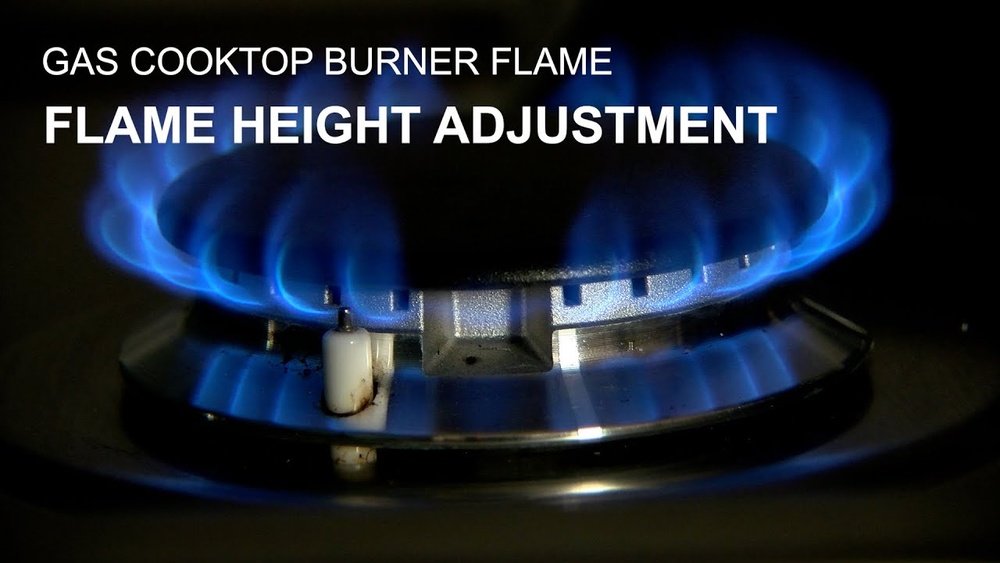
Lighting a gas stove is something millions do every day, but not many people think about the flame itself. A perfect gas flame cooks food evenly, saves fuel, and keeps your kitchen safe. But what if your flame is too high, too low, or yellow instead of blue? Adjusting the flame on a gas stove is not just about turning a knob—it’s about safety, efficiency, and good cooking. Many home cooks and even experienced users overlook the importance of proper flame adjustment. Getting it right can make your kitchen life easier and your meals tastier.
This guide will walk you through every part of adjusting your gas stove’s flame. Whether you have a brand-new stove or an old one, you’ll learn how to spot problems, make the right adjustments, and avoid mistakes that can damage your stove or even be dangerous.
We’ll also answer common questions and share tips that most people miss, so you can feel confident every time you cook.
Understanding Gas Stove Flames
Before you start adjusting anything, it’s important to know what a good gas flame looks like and why it matters. Gas stoves use either natural gas or propane, and both types are designed to burn with a certain flame quality.
A proper gas flame should be mostly blue, steady, and shaped like a small triangle. The blue color means the gas is burning efficiently, without releasing harmful carbon monoxide or wasting fuel. If you see yellow, orange, or flickering flames, it usually means something is wrong.
Why Flame Quality Matters
- Safety: An improper flame can release dangerous gases like carbon monoxide.
- Efficiency: Blue flames use less gas and cook food evenly.
- Appliance Longevity: Bad flames can damage burners and grates over time.
- Food Quality: Uneven heat makes it harder to cook well.
A common but overlooked insight is that the wrong flame can actually damage pots and pans. If your flame is too high or uneven, it can leave black marks or warp the metal.
Identifying Flame Problems
The first step in adjusting your flame is figuring out if you really need to. Here are some signs that your gas stove flame needs attention:
Common Flame Problems
- Yellow or orange flame: This usually means incomplete combustion. Your stove is not burning gas efficiently.
- Noisy flame: If the flame hisses or roars, it’s getting too much air.
- Very small or weak flame: Not enough gas is reaching the burner.
- Flame lifts off the burner: This is called “flame lift-off” and happens when there’s too much air.
- Soot on pots or pans: Soot means the flame is too cool and not burning clean.
What Causes Flame Issues?
- Dirty burners: Food or grease can block gas flow.
- Incorrect air-to-gas ratio: Too much or too little air mixes with the gas.
- Low gas pressure: Can be due to faulty regulators or supply lines.
- Blocked orifices: Tiny holes in the burner can get clogged.
- Wrong type of gas: Using propane on a stove designed for natural gas (or vice versa) causes problems.
Non-obvious tip: Sometimes, flame color changes due to room conditions like humidity or drafts. If your flame changes suddenly, check for open windows or fans.
Credit: www.youtube.com
Safety Precautions Before Adjusting
Before you touch anything, safety must come first. Working with gas is not risky if you follow the right steps, but mistakes can be serious.
Essential Safety Steps
- Turn off the stove: Make sure all knobs are off and the stove is cool.
- Ventilate the area: Open windows to ensure good airflow.
- Use proper tools: A screwdriver, flashlight, and gloves are usually enough.
- No open flames: Never use matches or lighters near the stove during adjustments.
- Check for gas leaks: If you smell gas, stop and call a professional immediately.
Beginners often forget to let the stove cool completely. Hot burners can cause burns even after the flame is off.
Tools And Materials Needed
Adjusting your gas stove does not require special equipment, but having the right tools makes the process smoother:
- Screwdriver: Most stoves use a flathead or Phillips screwdriver for adjustments.
- Flashlight: To see small parts and screws under the cooktop.
- Stiff brush or needle: For cleaning clogged burner holes.
- Gloves: Protects your hands from sharp edges.
- Owner’s manual: Always helpful for model-specific instructions.
- Small mirror (optional): Useful to see under the burner.
Types Of Gas Stoves And Flame Adjustments
Not all stoves are the same. Knowing your stove’s type helps you adjust the flame correctly.
Standing Pilot Vs. Electronic Ignition
- Standing pilot: Has a small flame burning all the time.
- Electronic ignition: Uses a spark or glow bar to light the burner only when needed.
Electronic ignition stoves are more common in modern kitchens. The adjustment process is similar, but you may need to remove different parts.
Natural Gas Vs. Propane Stoves
Natural gas and propane stoves have slightly different burner designs. Propane burns hotter and needs a smaller orifice. Always confirm your stove’s gas type before adjusting.
Example: If you just moved into a new house and the stove seems off, check if the previous owner used a different type of gas.
Step-by-step Guide To Adjusting The Flame
Now, let’s get into the heart of the process. Here’s how to adjust the flame on a typical gas stove.
1. Remove Grates And Burner Caps
Start by taking off the grates (the metal parts your pots sit on) and the burner caps (the round pieces over the burner head). This gives you clear access to the burner.
2. Clean The Burner And Openings
Use a stiff brush or needle to clean out the burner holes. Even small bits of food can block the tiny openings and change the flame’s shape or size.
- Tip: Don’t use toothpicks or anything that can break off inside the holes.
3. Locate The Air Shutter
The air shutter mixes air with gas before burning. It’s usually found near the base of each burner, under the cooktop. Sometimes, you’ll need to lift the top of the stove (it may hinge open, like a car hood).
- Look for a small metal sleeve or plate that rotates or slides open and closed.
- Use a flashlight and mirror if needed.
4. Turn On The Burner
Turn on the burner knob to the lowest setting. Watch the flame closely. You want a steady, blue flame with a defined tip—no yellow, orange, or flickering.
5. Adjust The Air Shutter
While the burner is on, use a screwdriver to gently open or close the air shutter. Do this slowly and observe the flame as you adjust:
- If the flame is yellow or orange: Open the shutter more to let in extra air.
- If the flame is noisy or lifts off: Close the shutter slightly to reduce air.
Make tiny changes, and wait a few seconds after each adjustment to see the effect.
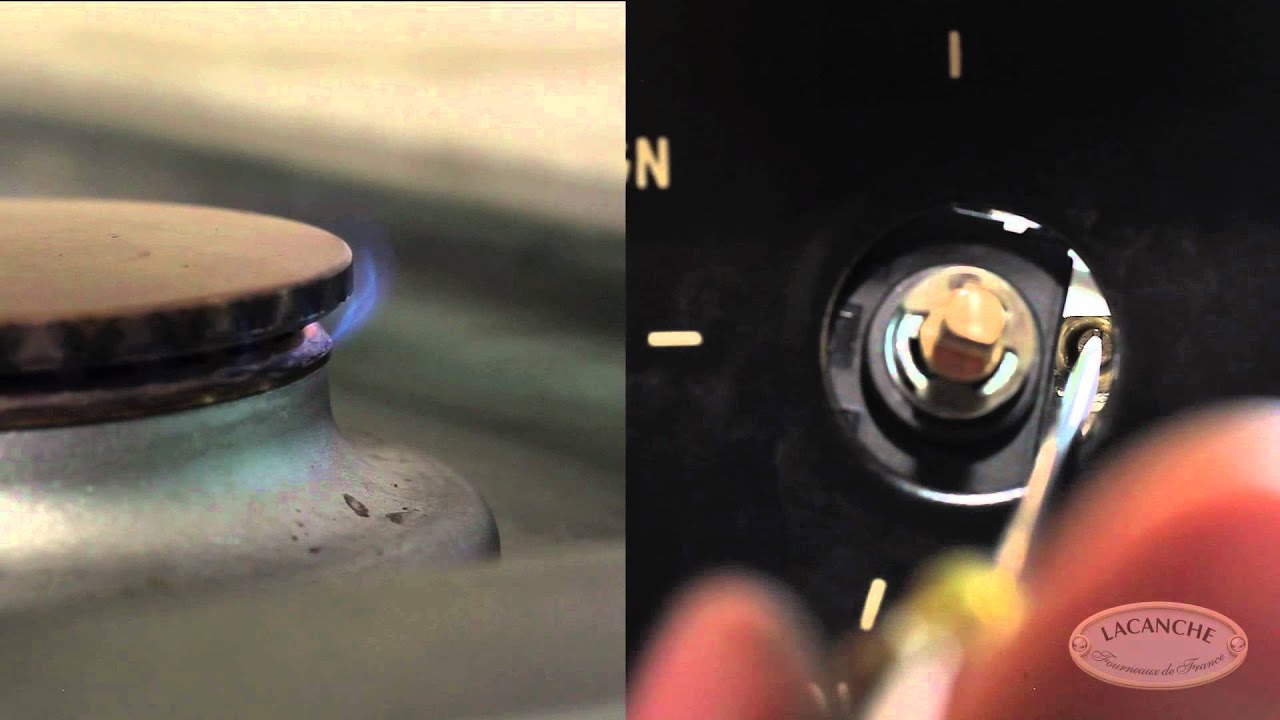
6. Adjust The Flame Height
Most stoves have a flame adjustment screw near the valve stem (behind the knob). Here’s how to find and use it:
- Pull off the burner knob (it should slide straight out).
- Look for a small screw inside the stem hole.
- Use a screwdriver to turn the screw:
- Clockwise: Lowers the flame.
- Counterclockwise: Raises the flame.
Adjust until you get a stable, blue flame that’s about 1 inch high on high settings and ¼ to ½ inch on low.
7. Reassemble And Test
Replace the knob, burner cap, and grate. Turn the burner on and off a few times to check your work. Test both high and low settings to make sure the flame stays blue and steady.
8. Repeat For Other Burners
Each burner may need separate adjustment. Don’t assume one fix works for all.
Insider tip: Some stoves have sealed burners that can’t be adjusted easily. Check your manual if you’re not sure.
What Does The Perfect Flame Look Like?
A well-adjusted gas stove flame has these features:
- Mostly blue: A small yellow tip is okay but should not be large.
- Defined shape: The flame is steady, not flickering or waving.
- No noise: A gentle hiss is normal, but roaring means too much air.
- No soot: The bottom of pots stays clean.
If your flame matches this description, you’re cooking at peak efficiency.
Troubleshooting After Adjustment
Sometimes, even after adjusting, you may still see issues. Here’s how to troubleshoot:
Flame Still Yellow Or Orange
- Double-check the air shutter—open it a little more.
- Clean the burner again; even a bit of grease can affect color.
- Make sure you’re using the right gas type.
Flame Too Low Or Won’t Stay Lit
- Increase flame height using the adjustment screw.
- Check gas supply—low pressure can cause weak flames.
- Inspect for leaks or kinks in the hose (for portable stoves).
Flame Too High Or Noisy
- Reduce air using the shutter.
- Lower flame using the adjustment screw.
Burner Won’t Light
- Make sure the igniter is clean and dry.
- Check for spark or click sound when turning the knob.
- Clean all burner parts.
If problems continue, it may be time to call a professional. Some issues, like damaged valves or regulators, need expert repair.
Table: Common Flame Colors And What They Mean
Here’s a quick reference to understand what different flame colors usually indicate:
| Flame Color | What It Means | Possible Cause |
|---|---|---|
| Blue | Efficient, proper combustion | Normal operation |
| Yellow/Orange | Incomplete combustion | Dirty burner, blocked air, wrong gas |
| White | Too much air | Over-opened air shutter |
| Red | Presence of dust or rust particles | Dirty stove, needs cleaning |
Gas Stove Flame Adjustment: Step Comparison By Stove Type
Some stoves have slightly different processes based on their build and ignition system. This comparison can help you identify the key differences:
| Stove Type | Flame Adjustment Location | Difficulty Level | Notes |
|---|---|---|---|
| Standing Pilot | Near valve stem, under knob | Easy | Simple, direct adjustment |
| Electronic Ignition | Under cooktop, near burner base | Moderate | May need to lift cooktop |
| Sealed Burner | Usually not adjustable | Hard | Needs professional service |
| Portable Gas Stove | Knob or under stove | Easy | Often uses a simple screw |
Maintenance Tips For Better Flame Control
Regular care helps your gas stove stay in top shape and makes flame adjustments easier.
Clean Regularly
Wipe burners, grates, and caps after every use. Deep clean at least once a month. Use a stiff brush to clean holes and slots.
Check For Clogs
If you notice uneven flames, check for food or grease in burner holes. A small wire or brush works well to clear them.
Inspect Gas Lines
Look for kinks, cracks, or leaks in the gas line. If you smell gas, do not use the stove until it’s fixed.
Service Annually
Have a certified technician inspect your stove once a year, especially if you use propane.
Pro tip: Don’t forget to check the oven burners if you have a combination stove.
When To Call A Professional
While most flame adjustments are simple, some problems need expert help:
- Smelling gas even when the stove is off
- Flames won’t change despite adjustment
- Burner or igniter won’t work
- Suspected gas leaks or broken parts
Never try to repair gas lines or valves yourself. It’s always safer to get help from a licensed technician.
Safety Comparison: Gas Stove Vs. Electric Stove
Many people ask if gas stoves are less safe than electric ones. Here’s a quick comparison:
| Feature | Gas Stove | Electric Stove |
|---|---|---|
| Fire Risk | Open flame present | Hot surface, no open flame |
| Gas Leak Risk | Possible | None |
| Power Outage Use | Works without electricity | Does not work |
| Immediate Heat Control | Yes | Delayed response |
| Flame Adjustment Needed | Yes | No |
Common Mistakes When Adjusting Gas Stove Flames
Many people make small errors that can lead to bigger problems. Here’s what to avoid:
Over-adjusting
Turning the air shutter or flame screw too much can make things worse. Always make small adjustments and check the flame after each change.
Ignoring Burner Cleaning
Trying to adjust the flame without cleaning the burner is a common mistake. Dirt or grease often causes poor flame quality.
Adjusting While Hot
Trying to change settings while the stove is still hot can result in burns or dropped parts.
Using The Wrong Tools
Using knives, paperclips, or other makeshift tools can damage your stove. Stick to screwdrivers and proper cleaning brushes.
Forgetting The Manual
Every stove is a little different. Always check your owner’s manual for specific guidance.
Non-obvious insight: Some stoves have hidden adjustment screws or require removing extra panels. If you can’t find the adjustment point, don’t force parts open—look up your stove’s model online.
Credit: www.lg.com
Environmental And Health Considerations
Proper flame adjustment is not just about cooking. It also affects your health and the environment.
- Efficient burning reduces gas use and saves money.
- Blue flames mean less carbon monoxide and other pollutants.
- Poor adjustment can increase indoor air pollution, which is especially risky for children and people with asthma.
For more information on gas stove safety and air quality, you can visit the EPA’s indoor air quality page.
Frequently Asked Questions
How Often Should I Adjust My Gas Stove Flame?
You should check the flame every few months, especially if you notice yellow or uneven flames. Adjust as needed, or whenever you clean your stove deeply.
Is A Small Amount Of Yellow On The Flame Dangerous?
A tiny yellow tip is usually not a problem, but large yellow or orange flames mean incomplete combustion. Adjust the air shutter to fix this.
Can I Use The Same Method For All Types Of Gas Stoves?
Most steps are similar, but some stoves (like sealed burners or commercial models) may need professional adjustment. Always check your manual for details.
Why Does My Flame Change Color When I Open A Window?
Drafts and changes in air flow can affect the air-to-gas ratio, causing the flame to change color. Try closing windows and see if the flame returns to normal.
What If Adjusting Does Not Fix My Flame Problem?
If cleaning and adjusting do not help, there may be a deeper issue like a gas supply problem or faulty part. Stop using the stove and call a professional for safety.
—
A well-adjusted gas stove is the heart of a safe and efficient kitchen. By understanding what makes a good flame, regularly checking your burners, and making careful adjustments, you can cook with confidence and keep your family safe. Remember, always put safety first, and don’t hesitate to call a professional if you’re unsure.
With the right knowledge and tools, adjusting your gas stove’s flame is a simple step that pays off every time you cook.
Credit: www.lg.com