
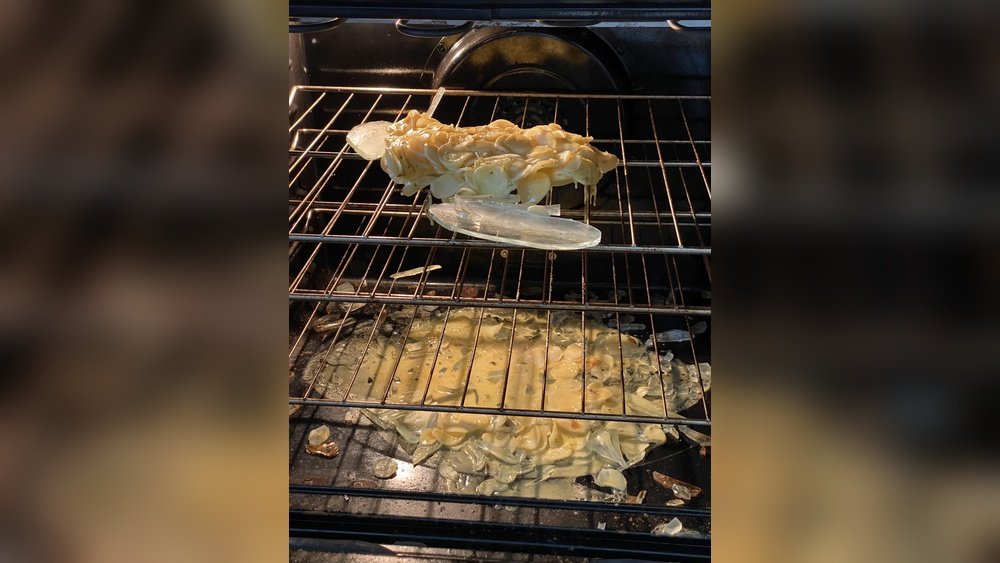
If you’ve ever opened your oven door and discovered broken glass everywhere, you know the shock and confusion that follows. Exploded glass in an oven is not just surprising—it can be dangerous, messy, and stressful to clean. Many people don’t realize how quickly this can happen, or that the wrong cleaning method can put you at risk of cuts or even damage your oven further.
This guide will walk you through everything you need to know about cleaning up exploded glass in your oven. You’ll learn why this happens, what to do first, step-by-step cleaning instructions, and how to prevent it in the future. You’ll also find out about the tools you’ll need, safety tips, and even some expert tricks that aren’t obvious to beginners.
By the end, you’ll feel confident handling this situation safely and thoroughly.
Why Oven Glass Explodes
Most oven doors have glass panels, and some ovens also have glass shelves or trays. These are made of tempered glass, which is designed to handle high temperatures. But sometimes, the glass can shatter or explode. Here’s why it happens:
- Thermal shock: This is the most common reason. If you splash cold water on hot glass or open the oven door suddenly while it’s very hot, the glass can break from the rapid temperature change.
- Manufacturer defects: Sometimes, there is a tiny flaw in the glass from the factory. Over time and repeated heating, this flaw can cause the glass to explode.
- Physical impact: Accidentally hitting the glass with a tray or dish, or closing the oven door too hard, can weaken it.
- Incorrect installation: If the glass was not installed correctly, or replacement glass is the wrong size, it may break more easily.
- Old age and wear: Over years of use, glass can develop small cracks or weaknesses you can’t see.
While it’s rare, even top brands like GE, Whirlpool, and Samsung have had reports of oven glass shattering. According to the US Consumer Product Safety Commission, there are hundreds of complaints each year about this issue. The good news is that most oven glass is designed to break into small, less dangerous pieces, but you still need to be very careful.
Immediate Safety Steps After Glass Explodes
When oven glass explodes, your first reaction might be panic. Here’s what you should do right away to stay safe:
- Turn off the oven: Use the control panel or unplug it if necessary.
- Do not touch the glass: Many pieces will be extremely hot and can cause burns or cuts.
- Keep children and pets away: Make sure no one steps in the kitchen until cleanup is done.
- Let the oven cool completely: Wait at least 1-2 hours before attempting any cleanup. Rushing this step increases the risk of injury.
- Wear protective gear: Once it’s safe, put on thick gloves, closed-toe shoes, and long sleeves. Safety glasses are also a good idea if you have them.
Many people make the mistake of trying to clean up too quickly. Remember, even small glass shards can be nearly invisible but still dangerous.
Tools And Supplies Needed
Having the right tools makes cleaning up shattered glass much safer and more effective. Here’s what you’ll need:
- Thick rubber or cut-resistant gloves
- Safety goggles (optional but recommended)
- Closed-toe shoes (preferably with hard soles)
- Dustpan and stiff brush
- Vacuum cleaner with hose attachment (avoid using a broom for fine glass)
- Damp paper towels or microfiber cloths
- Sticky tape (like duct tape or packing tape)
- Plastic bags (heavy-duty trash bags are best)
- Flashlight (to spot tiny shards)
- Mask (optional, for dust or fumes)
You don’t need special cleaners for most glass cleanup, but avoid using your bare hands at all times.
Step-by-step Guide: How To Clean Exploded Glass In Oven
Cleaning up exploded oven glass is not like sweeping a kitchen floor. Glass gets everywhere—inside the oven, under racks, and sometimes even under the appliance. Follow these steps to make sure you get every shard safely.
1. Prepare The Area
- Remove anything from around the oven, including rugs, mats, and small furniture.
- Make sure kids and pets are out of the kitchen.
- Gather your tools and put on your protective gear.
2. Remove Large Glass Pieces
- Open the oven door slowly and check for large pieces. Some may be sitting on the door, racks, or floor.
- Using your gloved hands, carefully pick up the largest pieces and place them directly into a heavy-duty plastic bag.
- Do not drop glass into a regular trash can. The edges are sharp and can cut through thin bags.
3. Sweep Out Medium Pieces
- Use a dustpan and brush to gently sweep up medium-sized glass from the oven cavity, the door, and the floor around the oven.
- Sweep in one direction to avoid scattering shards further.
- Carefully empty the dustpan into the same trash bag.
4. Vacuum Tiny Shards
- Use a vacuum cleaner with a hose or crevice tool to suck up small shards from:
- The oven bottom
- Oven door crevices
- Racks and corners
- The kitchen floor, especially cracks between tiles
- Go slowly. Move the vacuum in multiple directions to catch hidden pieces.
- Avoid using a broom for fine glass—it can push shards deeper or spread them.
5. Wipe With Damp Cloth
- Take a damp microfiber cloth or paper towel and gently wipe all surfaces inside the oven, on the door, and on the floor.
- After each wipe, fold the cloth to a clean side or use a new towel.
- Dispose of used towels in the trash bag, not in the washing machine (glass can stay trapped in fabric).
6. Use Sticky Tape For Final Clean
- Press a wide piece of sticky tape (like duct tape) onto oven surfaces, the gasket, and the floor where glass might hide.
- Peel the tape up and throw it away.
- Repeat with fresh tape until you aren’t picking up any more shards.
7. Inspect And Repeat As Needed
- Use a flashlight to check for any remaining glass, especially in dark corners or under the oven.
- Run your gloved hand gently along the oven floor and door to feel for missed pieces.
- Repeat vacuuming and wiping if you find more shards.
8. Clean Under And Around The Oven
- Carefully move the oven (if possible) to check for glass that may have slipped underneath.
- Clean the area using the same method: Sweep, vacuum, wipe, and tape.
9. Dispose Of Glass Safely
- Double-bag the trash containing glass.
- Mark it as “broken glass” so no one is cut when handling it.
- Do not put bags with glass near the edge of the curb—some cities have special rules for glass disposal.
10. Check Oven Functionality
- Before using your oven again, check:
- The seal around the door for damage
- That all glass is removed
- The heating elements for any embedded glass
- If you notice any damage to the oven itself, contact a professional before using it again.
Comparison: Methods For Cleaning Up Broken Glass
Different methods have pros and cons. Here’s a side-by-side look at common techniques:
| Method | Pros | Cons |
|---|---|---|
| Gloved hands | Good for large pieces, precise | Risk of cuts if gloves are thin |
| Dustpan & brush | Quick for medium glass | May miss fine shards |
| Vacuum cleaner | Removes tiny/invisible glass | Can damage vacuum if glass is large |
| Sticky tape | Picks up hidden/small shards | Slow for large areas |
| Damp cloth | Wipes up slivers, easy to see results | Risk of pushing glass deeper if not careful |
Most experts recommend using a combination for best results.
Hidden Risks And Non-obvious Dangers
Many people believe that once the visible glass is gone, the risk is over. But tiny shards can hide in oven corners, under gaskets, or even inside the oven’s fan. These can cause:
- Invisible cuts on hands, especially during future cleaning
- Damage to oven heating elements or fans
- Glass embedded in food if the oven isn’t fully cleaned
Another risk is forgetting to check under the oven or in nearby drawers. Glass can bounce several feet from the initial explosion.
What Not To Do When Cleaning Up Oven Glass
Avoiding common mistakes can save you from injury or a bigger mess:
- Do not use bare hands to pick up glass, even large pieces.
- Do not use a wet/dry shop vac unless you’re sure it can handle glass (some filters can be damaged).
- Do not run a self-clean cycle before all glass is removed. High heat can melt or embed glass in oven parts.
- Do not shake out towels or rags used for cleaning—glass can fly into eyes.
- Do not ignore the oven door seal; glass often gets trapped there.
How To Clean Glass From Hard-to-reach Places
Oven glass sometimes explodes into the smallest spaces:
Oven Door Gasket
- Use sticky tape pressed along the gasket to lift shards.
- A vacuum crevice tool can help, but go slowly.
- If glass is deep inside, consider removing the gasket (check your oven manual).
Under Oven Racks And Elements
- Remove racks and soak in a sink of water to loosen stuck glass.
- For glass under heating elements, use a flashlight and sticky tape.
Under The Oven
- Pull the oven out gently (with help, if needed).
- Sweep and vacuum the area, then wipe with a damp cloth.
Inside Oven Fan
- Do not attempt to open the oven back unless you are experienced.
- If you suspect glass entered the fan, contact a professional.

Credit: www.which.co.uk
When To Call A Professional
While most people can clean up broken oven glass themselves, you should call a repair professional if:
- The oven door seal is damaged or won’t close tightly.
- Glass is trapped behind the inner oven glass.
- You see sparks or smoke when testing the oven after cleaning.
- The oven heating element looks damaged or has glass stuck to it.
- You feel unsure about your own safety.
A pro can check if the oven is safe and replace any damaged parts.
How To Prevent Oven Glass From Exploding Again
While you can’t always prevent this rare problem, you can lower your risk:
- Never pour cold water or place cold food on hot glass surfaces.
- Avoid slamming the oven door.
- Do not put heavy or oversized pans on glass shelves.
- Check for cracks in the oven glass regularly; replace if you see any.
- Follow the manufacturer’s cleaning and use instructions.
- Don’t use harsh cleaners or metal scrapers on oven glass.
- Allow the oven to cool gradually; don’t open the door wide when very hot.
- Install replacement glass correctly; use only parts designed for your oven model.
According to Consumer Reports, most oven glass explosions happen because of sudden temperature changes or physical shocks. Taking a little extra care can make a big difference.
Credit: www.reddit.com
Cost Of Oven Glass Replacement
If your oven glass explodes, you’ll likely need to replace the panel. Here’s what you can expect:
| Type of Replacement | Estimated Cost (USD) | DIY Possible? |
|---|---|---|
| Oven door glass | $80 – $300 | Yes, with basic tools |
| Professional installation | $150 – $400 (includes parts & labor) | No, unless you’re skilled |
| Oven shelf glass | $40 – $120 | Usually yes |
If your oven is still under warranty, the cost may be covered. Always check with the manufacturer first.
Real-world Example: Cleaning Up After A Glass Explosion
Let’s look at a real-life scenario. Maria, a home baker, was preheating her oven when she heard a loud bang. Opening the door, she found her oven door glass had shattered. Following the steps above, she:
- Turned off the oven and waited two hours for it to cool.
- Put on thick gloves and shoes.
- Picked up large shards with her hands, then used a dustpan for smaller pieces.
- Vacuumed the oven interior and the kitchen floor twice.
- Used duct tape to remove tiny slivers from the gasket and door corners.
- Pulled the oven out and found more glass underneath—about 10 pieces hidden by the legs.
- Called a repair service to replace the oven door glass, costing $220.
Maria’s experience shows why patience and thoroughness are so important. She avoided injury and made sure her kitchen was safe for her family.
Two Non-obvious Insights Beginners Miss
- Invisible glass can stay inside oven fans or under gaskets for months. Even if you clean well, check again after your first few uses.
- Glass can bounce into nearby drawers or cabinets. Always check adjacent spaces—even inside your utensil drawers—after a glass explosion.
Pro Tips For Safer, Easier Cleanup
- Use a flashlight at different angles to spot hidden glass.
- If you have a shop vacuum, place a piece of pantyhose over the nozzle. This will catch tiny shards and keep them out of the vacuum filter.
- Mark your trash bag as “GLASS” in big letters.
- If you step on a shard, use sticky tape to remove it from your shoe sole, not your fingers.

Credit: www.reddit.com
Frequently Asked Questions
What Causes Oven Glass To Explode?
Oven glass usually explodes due to thermal shock (rapid temperature change), physical impacts, or manufacturing flaws. Sometimes, small cracks or chips that go unnoticed can weaken the glass over time. Using the oven properly and handling the door gently helps prevent this.
Is It Safe To Use My Oven After Cleaning Up Broken Glass?
It is safe only if you are sure all glass shards are removed and the oven is not damaged. Double-check the oven door seal and heating elements. If you see any cracks or the door does not close tightly, do not use the oven until it is repaired.
Can I Vacuum Up Broken Glass?
Yes, you can use a vacuum with a hose attachment for small shards. Avoid vacuuming large pieces (they can damage the vacuum). For fine glass dust, a vacuum works better than a broom, but always check your vacuum’s manual.
How Do I Dispose Of Broken Oven Glass?
Double-bag the glass in heavy plastic bags and label it as “broken glass.” Do not put it in regular recycling. Some cities have special rules for glass disposal. Check your local guidelines or contact your waste service.
Where Can I Find Replacement Oven Glass?
You can order replacement oven glass from your oven’s manufacturer, appliance parts stores, or authorized dealers. For more details, see Consumer Reports.
Cleaning up exploded glass in your oven may feel overwhelming, but with the right steps and a careful approach, you can handle it safely. Remember, take your time, protect yourself, and check every nook and cranny. With patience and attention to detail, your kitchen will be safe and clean—and you’ll know exactly what to do if this rare problem ever happens again.