
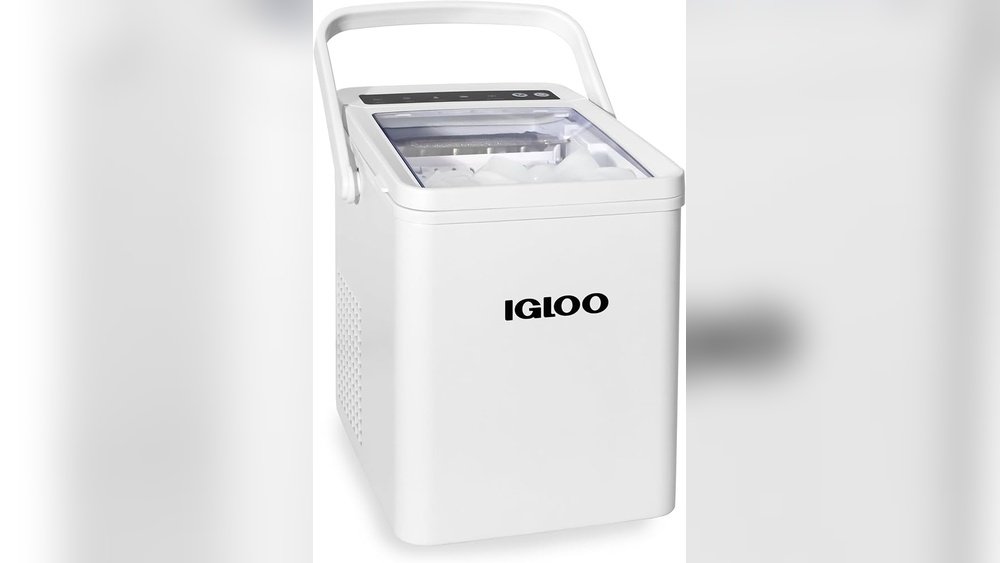
Keeping your Igloo countertop ice maker clean is not just about making it look good. It’s about making sure every ice cube is fresh, safe, and tastes great. Many people don’t realize that a dirty ice maker can affect the taste of your drinks and even cause health problems over time. Mold, limescale, and old water can build up inside, especially if you use your ice maker often or leave water sitting in the reservoir. If you’ve ever noticed your ice cubes looking cloudy, smelling odd, or tasting strange, cleaning is overdue.
This guide shows you, step by step, how to clean your Igloo countertop ice maker fully and safely. You’ll learn not only the main cleaning process, but also important tips that most beginners miss—like how to clean hidden parts, and how to avoid damaging the machine. We’ll also talk about how often to clean, the best cleaning solutions, and how to keep your ice maker fresh between deep cleans. You’ll find comparison tables, expert tips, and a FAQ section at the end to answer the most common questions. If you want your Igloo ice maker to last longer and make the best ice possible, keep reading.
Why Cleaning Your Igloo Countertop Ice Maker Matters
Cleaning your Igloo ice maker is more important than many people think. Ice is considered a food by the FDA, so a dirty ice maker can be a source of bacteria and mold. These can cause health issues, especially for young children, seniors, or anyone with a weak immune system. Even if you use filtered water, minerals can build up and create limescale. This affects not only the taste of the ice but also the performance of the machine.
If your ice maker is left uncleaned:
- Ice can develop a musty or bitter taste.
- The machine may stop working efficiently or break down.
- Mold or slime can appear inside, which is unhealthy.
Regular cleaning helps you avoid these problems. It also extends the life of your machine and saves you money on repairs or replacements.
Tools And Supplies You Need
Before you start, gather everything you need. Using the right tools makes the job easier and safer for your machine.
Essential Supplies
- Soft cloths or microfiber towels: For wiping surfaces
- Small soft brush (like a toothbrush): For scrubbing corners and crevices
- Mild dish soap: Gentle cleaner for surfaces
- White vinegar: Removes limescale and disinfects
- Measuring cup: To mix cleaning solutions
- Sponge: For gentle scrubbing
- Bowl or bucket: To hold dirty water or soak parts
- Clean water: For rinsing
Optional But Helpful Items
- Food-safe descaler: For hard water mineral removal
- Cotton swabs: Clean tight spots
- Spray bottle: For applying vinegar solution
- Gloves: If you have sensitive skin
Safety First: What To Do Before Cleaning
Always start by unplugging the Igloo ice maker. Water and electricity are dangerous together. Wait until the machine is off and unplugged before starting. Make sure the ice maker is cool, and any ice inside is melted or removed.
If your model has a drain plug, use it to empty any water from the reservoir. If not, gently tip the machine to pour out the water—just be careful not to let water drip into electrical parts.
Step-by-step Guide: Deep Cleaning Your Igloo Countertop Ice Maker
This section gives you a full, practical method for cleaning your machine. Follow each step for the best results.
1. Empty The Ice And Water
Remove all ice from the basket. If there’s water in the reservoir, drain it using the plug. If your model doesn’t have a drain, tilt it carefully. Always do this near a sink to avoid spills.
2. Disassemble Removable Parts
Take out the ice basket and ice scoop. Some models let you remove the water reservoir lid, too. Check your user manual if you’re unsure which parts come out. Set these aside for separate cleaning.
3. Clean Removable Parts
Wash the basket, scoop, and any removable lids using warm water and mild dish soap. Use a sponge or brush for any stuck-on residue. Rinse well and let them air-dry.
4. Wipe The Interior
Dampen a soft cloth with a mixture of vinegar and water (mix about 1 cup vinegar with 1 cup water). Wipe down all interior surfaces, including corners and the ice-making tray. Use a toothbrush or cotton swab for tight spots.
If you see mineral buildup or white spots (limescale), apply vinegar directly and let it sit for 5–10 minutes before scrubbing gently.
5. Clean The Water Reservoir
Pour the vinegar-water solution into the empty reservoir. Swirl it around to cover all sides. Let it sit for 5–10 minutes if there’s heavy buildup. Then, scrub with a soft brush, rinse thoroughly with clean water, and drain.
6. Clean The Ice-making Mechanism
Gently wipe the ice-making rods or tray with the damp cloth. Avoid using sharp objects that can scratch the metal or plastic.
7. Clean The Exterior
Wipe the outside of the machine with a clean, damp cloth. If there are fingerprints or smudges, a bit of mild soap helps. Never let water drip into the control panel or vents.
8. Rinse Thoroughly
After cleaning, rinse all parts that touched vinegar or soap. Residue can affect the taste of your ice. Run clean water through the reservoir and wipe down all surfaces again with a fresh, damp cloth.
9. Run A Cleaning Cycle
Refill the water reservoir with clean water. Plug in the ice maker and run one or two ice-making cycles. Discard the first batches of ice—these will help flush out any remaining vinegar or soap.
10. Reassemble And Dry
Put the ice basket and scoop back in place. Dry the exterior and make sure all parts are completely dry before plugging the machine back in for regular use.
Cleaning Frequency: How Often Should You Clean?
Many people ask how often to clean their Igloo ice maker. The answer depends on usage and water quality. Here’s a simple guideline:
| Usage Level | Cleaning Frequency | Notes |
|---|---|---|
| Daily use (multiple times a day) | Every 1-2 weeks | Prevents buildup and keeps ice fresh |
| Occasional use (a few times a week) | Every 3-4 weeks | Check for any mold or mineral deposits |
| Rare use (once a month or less) | Before and after each use | Stagnant water can cause odors |
If you notice cloudy ice, strange smells, or slow performance, clean your machine right away—even if it’s before the next scheduled cleaning.
Best Cleaning Solutions And Methods
Most experts recommend white vinegar for regular cleaning because it’s safe, cheap, and effective at removing limescale and killing germs. However, there are also commercial ice maker cleaners and descalers made for food equipment. These can be helpful if your machine has heavy mineral buildup.
Comparison Of Cleaning Solutions
Here’s a quick look at the pros and cons of different cleaning products for your Igloo ice maker:
| Solution | Pros | Cons |
|---|---|---|
| White vinegar | Natural, cheap, removes limescale, kills germs | Strong smell, may need extra rinsing |
| Mild dish soap | Gentle, safe for plastic/metal, removes dirt | Does not kill all germs, can leave residue |
| Commercial ice maker cleaner | Powerful, fast, removes heavy buildup | More expensive, must rinse carefully |
| Baking soda | Natural deodorizer, mild abrasive | Not effective against limescale |
For regular cleaning, vinegar and mild soap are enough. If you have hard water, consider using a commercial cleaner every few months.
Avoiding Common Mistakes
Many people damage their Igloo ice maker by cleaning incorrectly. Here are common mistakes and how to avoid them:
- Using bleach or harsh chemicals: These can damage parts, leave dangerous residues, and void your warranty.
- Scrubbing with abrasive pads: These scratch surfaces and make it easier for bacteria to stick in the future.
- Forgetting to rinse: Leftover vinegar or soap changes the taste of ice.
- Not unplugging before cleaning: Always disconnect from power for safety.
- Neglecting hidden areas: Mold can grow in corners you can’t see. Always use a brush or cotton swab for these spots.
- Letting water drip into electronics: This can cause a short circuit and ruin your machine.
Special Tips For Stubborn Odors And Stains
Sometimes, your Igloo countertop ice maker can develop smells that are hard to remove, especially if water sits inside too long. Here’s how to handle tough cases:
- Soak the removable parts in a mix of vinegar and water for 30 minutes.
- For persistent odors, sprinkle baking soda on a damp sponge and wipe all interior surfaces. Rinse thoroughly.
- If stains remain, let a vinegar-soaked paper towel sit on the spot for 15–20 minutes, then scrub gently.
Most beginners miss the importance of drying everything completely before storage. Even a little moisture can lead to mold, especially if you store your machine for a long time. Leave the lid and basket out in the open to air-dry fully.
Keeping Your Ice Maker Clean Between Deep Cleans
You don’t have to do a deep clean every week. Small habits can keep your Igloo ice maker fresh longer:
- Always use clean, filtered water.
- Empty the water reservoir if you won’t use the machine for more than 24 hours.
- Wipe the exterior with a damp cloth every few days.
- Leave the lid or cover open for an hour after using to let the inside dry.
- Remove leftover ice at the end of each day.
These steps help prevent buildup and keep your ice tasting pure.
How To Know When Your Ice Maker Needs Cleaning
Even if you follow a cleaning schedule, sometimes your machine gives you signs it needs attention sooner. Watch for these clues:
- Ice is cloudy, soft, or melts very quickly.
- There’s a strange smell or taste in your ice.
- You see white or green spots inside (mineral or mold).
- The machine takes longer to make ice or makes less than usual.
- The water doesn’t flow smoothly, or you hear strange noises.
If you see any of these, clean your Igloo ice maker right away.
What If You Have Hard Water?
Hard water contains minerals like calcium and magnesium. These can quickly build up in your ice maker and cause limescale. If your home has hard water, use filtered or distilled water whenever possible. Clean your ice maker more often—at least every 1–2 weeks.
A special tip: every two months, run a commercial descaler through your machine. This keeps mineral buildup from damaging the ice-making parts.
Storing Your Igloo Ice Maker
If you won’t use your Igloo ice maker for weeks or months, store it properly:
- Clean and dry the machine completely.
- Leave the lid slightly open to let air flow (prevents mold).
- Store in a dry, cool place.
- Before using again, clean it once more and run a few cycles with fresh water.
Comparing Igloo Countertop Ice Maker Models
Not all Igloo models are exactly the same. Some have extra features, different cleaning needs, or unique parts. Here’s a quick comparison of popular Igloo countertop ice makers:
| Model | Removable Parts | Cleaning Difficulty | Special Features |
|---|---|---|---|
| Igloo ICEB26HNSS | Basket, scoop, lid | Easy | Self-clean button, handle |
| Igloo ICEB26BK | Basket, scoop | Medium | Compact, simple controls |
| Igloo ICEB33SL | Basket, scoop, reservoir lid | Easy | Larger ice capacity |
Check your model’s manual for any unique cleaning instructions. Some models have a self-cleaning function—but even with this, you should still deep clean regularly.
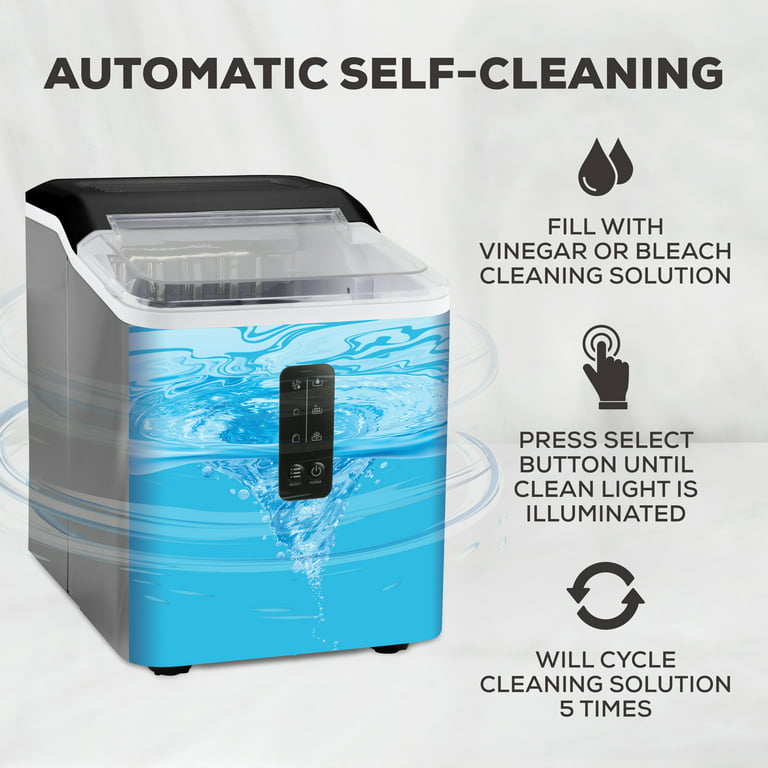
When To Use The Self-clean Feature
Some newer Igloo ice maker models have a “self-clean” button. This feature runs water through the system to flush out dirt. It’s helpful, but not a replacement for a full deep clean.
- Use the self-clean function once a week if your machine has it.
- Always remove and clean the basket and scoop separately.
- Still wipe the interior and check for limescale every few weeks.
The self-cleaning cycle is fast (usually 5–10 minutes), but won’t reach all corners or remove hard mineral deposits.

Credit: www.youtube.com
Why Filtered Water Makes A Difference
Using filtered water helps your ice taste better and reduces cleaning. Tap water may contain minerals, chlorine, or even bacteria that can build up inside your machine. Filtered water makes clearer ice and helps prevent limescale.
If you use tap water, you’ll need to clean your ice maker more often. If you use distilled or filtered water, you can usually go longer between deep cleans.
Practical Troubleshooting: Cleaning Problems
Sometimes, you follow all the steps but still have issues. Here are some practical solutions:
- Ice still tastes bad: Clean all parts again, use filtered water, and check if the machine needs a new water filter (if your model has one).
- Machine smells musty: Soak all removable parts in vinegar and water for an hour, then rinse and air dry.
- Ice maker runs slowly or stops: Clean the ice-making rods and check for scale or slime. If the problem continues, contact Igloo support.
Most beginners miss that sometimes, the problem is not cleaning, but water quality or a faulty part.
Expert Tips For Longer Machine Life
Want your Igloo ice maker to last as long as possible? Here’s what experts suggest:
- Never use hot water in the reservoir; it can damage parts.
- Always dry everything before reassembling.
- Clean the air vents with a small brush every few months.
- Check the power cord for damage whenever you clean.
- Don’t overload the machine with ice—let it cycle as designed.
Environmental And Health Benefits Of Regular Cleaning
When you keep your ice maker clean, you use less energy (a dirty machine works harder), waste less water (because you don’t have to throw out bad ice), and prevent mold or bacteria from contaminating your drinks. That means safer, better-tasting ice for you and your family.
Credit: www.walmart.com
Where To Find More Information
If you want more details about cleaning or maintaining your Igloo countertop ice maker, check the official manufacturer’s website or visit this Igloo cleaning guide for step-by-step videos and extra tips.
Frequently Asked Questions
How Do I Clean My Igloo Ice Maker If It Smells Bad?
First, unplug the machine and empty all ice and water. Wash all removable parts with mild soap and water. Wipe the inside with a vinegar and water mix, focusing on corners and crevices. Let the vinegar sit for 10–15 minutes, then rinse well.
Run a few cycles with clean water and discard the ice. Air dry all parts before reassembling.
Can I Use Bleach Or Other Strong Chemicals?
No, you should never use bleach or harsh chemicals in your Igloo ice maker. These can damage the plastic and metal, leave unsafe residues, and void your warranty. Stick to vinegar, mild dish soap, or commercial ice maker cleaners made for food equipment.
How Do I Prevent Limescale Buildup In My Ice Maker?
Use filtered or distilled water if possible. Clean the machine with a vinegar solution every 1–2 weeks if you have hard water. For tough mineral deposits, use a commercial descaler made for ice makers every few months, following the instructions carefully.
What Should I Do If My Ice Cubes Are Cloudy Or Taste Bad?
Cloudy or bad-tasting ice usually means the machine needs cleaning or the water is not pure. Clean the machine following the full guide above, and switch to filtered water. If the problem continues after cleaning, check for any mechanical issues or contact Igloo support.
Is The Self-cleaning Function Enough?
The self-clean feature is helpful but not enough for a full clean. It flushes out loose dirt but can’t remove heavy buildup or clean all surfaces. You should still deep clean your Igloo ice maker every few weeks, especially if you use it often or have hard water.
—
Keeping your Igloo countertop ice maker clean isn’t hard, but it does take regular care. With the right methods, you’ll enjoy fresh, safe, and tasty ice every time. Remember, good cleaning habits make your machine last longer and keep your drinks pure. If you follow this guide, you’ll avoid common problems and get the most from your Igloo ice maker for years to come.

Credit: clympingdogsanctuary.co.uk