
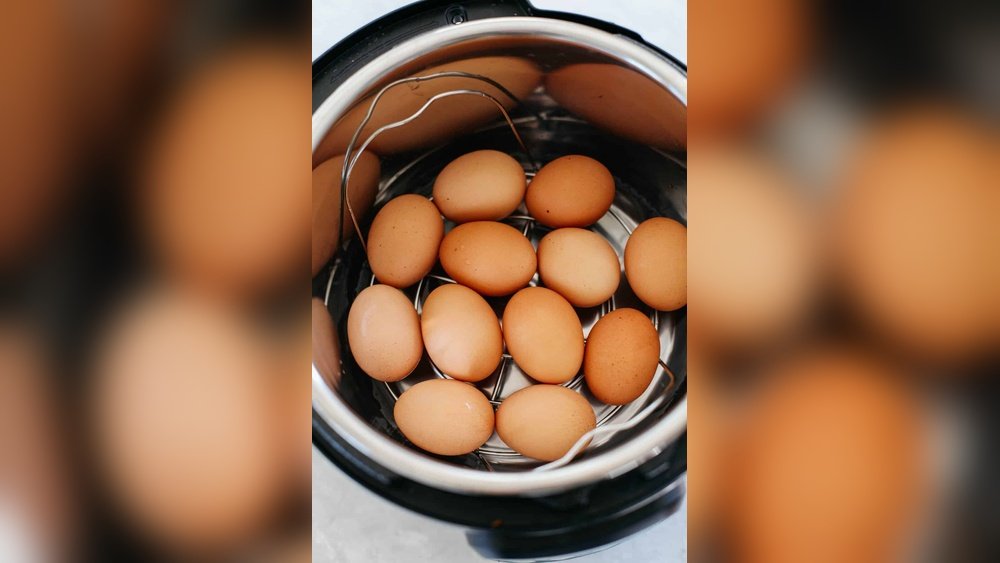
Boiling in an Instant Pot is a game changer for anyone who wants to save time, effort, and energy in the kitchen. If you have ever wondered how to boil water, eggs, potatoes, or even pasta in your Instant Pot, you are not alone.
Many people buy this popular electric pressure cooker but feel unsure about its boiling functions. The Instant Pot can do much more than pressure cook or sauté—it can actually boil, and do it better than traditional stovetops in many cases.
This guide will walk you through everything you need to know to boil in an Instant Pot. You will learn the essential settings, the science behind the process, step-by-step instructions, tips for best results, and how to avoid common mistakes. Whether you are a beginner or want to master new techniques, this article has you covered. By the end, you will feel confident boiling almost anything in your Instant Pot and even discover uses that most people miss.
Understanding Boiling In The Instant Pot
The term “boil” usually means to heat a liquid until it reaches its boiling point, producing rolling bubbles. In a regular pot, boiling is simple: put the pot on the stove, add water, turn on the heat, and wait. The Instant Pot can do the same, but the process is a bit different due to its unique functions and design.
Instant Pots use a sealed lid and electronic controls to regulate temperature and pressure. Boiling can be achieved in two main ways: using the Sauté function with the lid off, or using the Pressure Cook/Manual function with the lid on. Both methods bring water to its boiling point, but the pressure cook method increases the boiling point, allowing food to cook faster.
One thing beginners often miss is that when you use the Pressure Cook function, the water does not visibly “boil” like on a stove. Instead, the pressure inside the pot rises, and the temperature exceeds the normal boiling point of water (212°F or 100°C).
This makes boiling in the Instant Pot more efficient, but it looks different than traditional boiling.
Instant Pot Settings For Boiling
Knowing which Instant Pot setting to use is critical for proper boiling. Here’s a closer look at the main functions you’ll use:
- Sauté: Heats the inner pot quickly, great for boiling small amounts of water or for recipes that require an open lid (like blanching vegetables).
- Pressure Cook/Manual: Seals the pot and increases pressure, raising the boiling point and cooking food faster. Ideal for boiling eggs, potatoes, beans, and more.
- Steam: Uses high pressure to steam food, which also involves boiling water but keeps the food above the water using a trivet or basket.
- Keep Warm: Maintains a hot temperature but does not bring water to a boil.
Most boiling tasks are accomplished with Sauté or Pressure Cook. Choosing the right one depends on what you’re boiling.

Credit: www.youtube.com
What You Can Boil In An Instant Pot
The Instant Pot can boil almost anything you would normally boil on the stove. Here are some common foods people boil in their Instant Pot:
- Water (for tea, recipes, or cleaning)
- Eggs (soft, medium, or hard-boiled)
- Potatoes (whole or cubed)
- Pasta
- Rice (though technically steamed, it involves boiling)
- Vegetables (carrots, corn, broccoli, etc.)
- Beans and lentils
- Chicken (for soup or shredding)
- Shrimp and seafood
- Hot dogs or sausages
Each food may need a different method or time. Let’s explore how to boil each one successfully.
How To Boil Water In An Instant Pot
Boiling water is the simplest use of your Instant Pot, but it’s a helpful starting point. You might need boiled water for tea, coffee, instant soups, or even for cleaning.
Using The Sauté Function
- Add the desired amount of water to the inner pot (never fill above the “Max” line).
- Select the Sauté function. Adjust to “High” for faster boiling.
- Leave the lid off. Watch as the water heats up and starts to bubble.
- Once you see a rolling boil, the water is ready for use.
Tip: The Sauté function can bring water to a boil in 5–8 minutes, depending on quantity.
Using The Pressure Cook Function
If you need sterilized boiling water or want to reach a higher temperature:
- Add water to the inner pot.
- Close and lock the lid. Set the vent to “Sealing.”
- Select Pressure Cook for 1 minute.
- After the time is up, perform a Quick Release (turn the vent to “Venting”).
- Open the lid carefully; the water will be hotter than regular boiling water.
This method is useful for recipes needing higher temperatures or when you want fully sterilized water, like for baby bottles.
Comparison: Boiling Water—sauté Vs. Pressure Cook
Here’s a quick look at the differences:
| Method | Time to Boil | Best For | Notes |
|---|---|---|---|
| Sauté | 5-8 min | Small amounts, open boiling | Visible boil, easy to stop anytime |
| Pressure Cook | 5-10 min (including pressure build) | Sterilization, higher temp | Water gets hotter than 212°F |
How To Boil Eggs In An Instant Pot
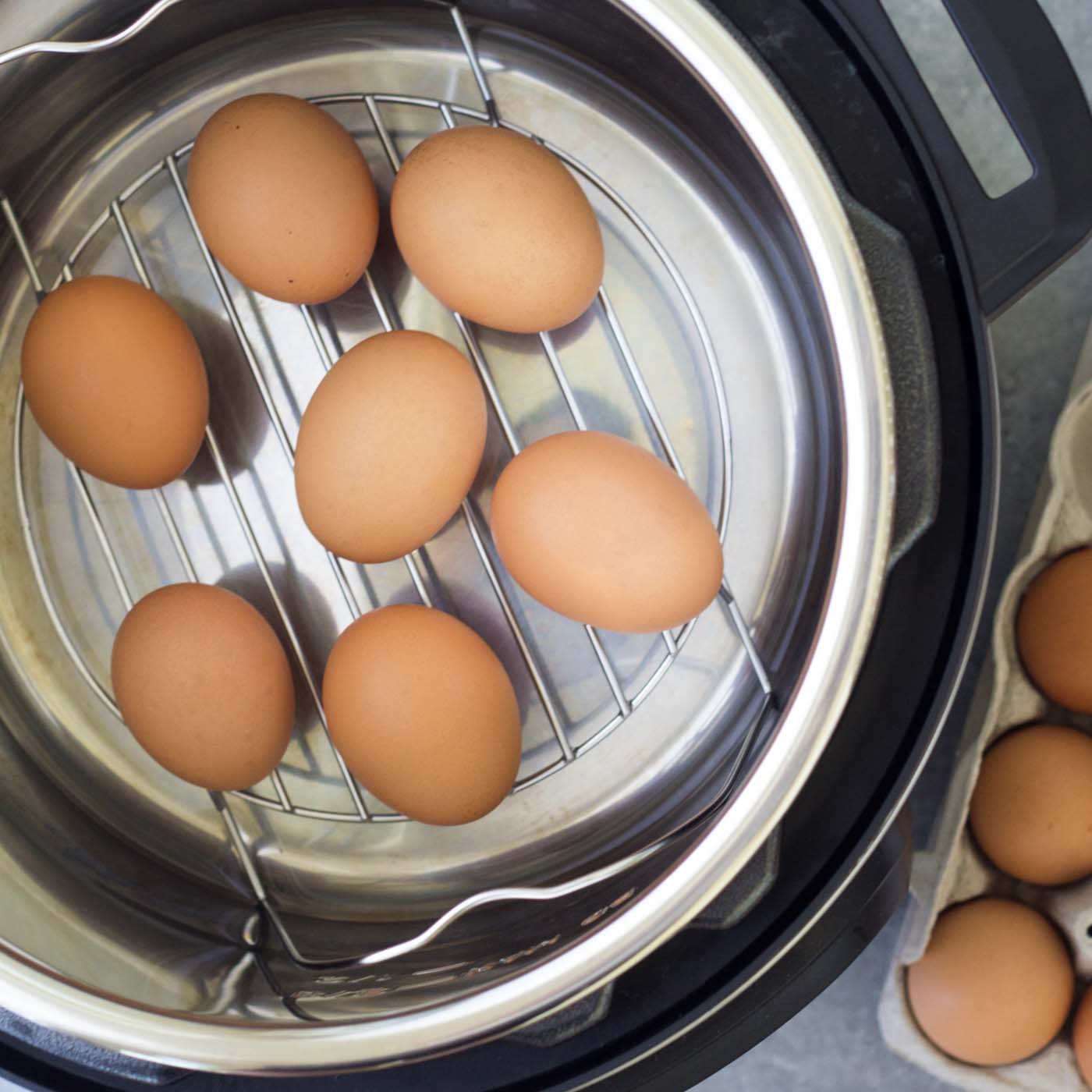
Boiling eggs is one of the most popular uses for the Instant Pot. The reason? The results are more consistent, and the eggs are easier to peel.
Steps For Boiling Eggs
- Place the metal trivet or a steamer basket in the inner pot.
- Add 1 cup of cold water.
- Arrange eggs on the trivet (as many as you need, as long as they fit in a single layer).
- Close the lid and set the vent to “Sealing.”
- Select Pressure Cook or Manual for your desired doneness:
- Soft-boiled: 3 minutes
- Medium-boiled: 5 minutes
- Hard-boiled: 7 minutes
- When cooking time ends, perform a Quick Release.
- Immediately transfer eggs to a bowl of ice water to stop the cooking.
Non-obvious insight: You can cook 1 egg or a dozen at once—the time does not change.
Extra tip: Older eggs peel more easily. If your eggs are very fresh, consider letting them sit in the fridge for a few days.
How To Boil Potatoes In An Instant Pot
Potatoes are boiled for mashed potatoes, salads, or as a side dish. The Instant Pot can handle whole, cubed, or even sweet potatoes.
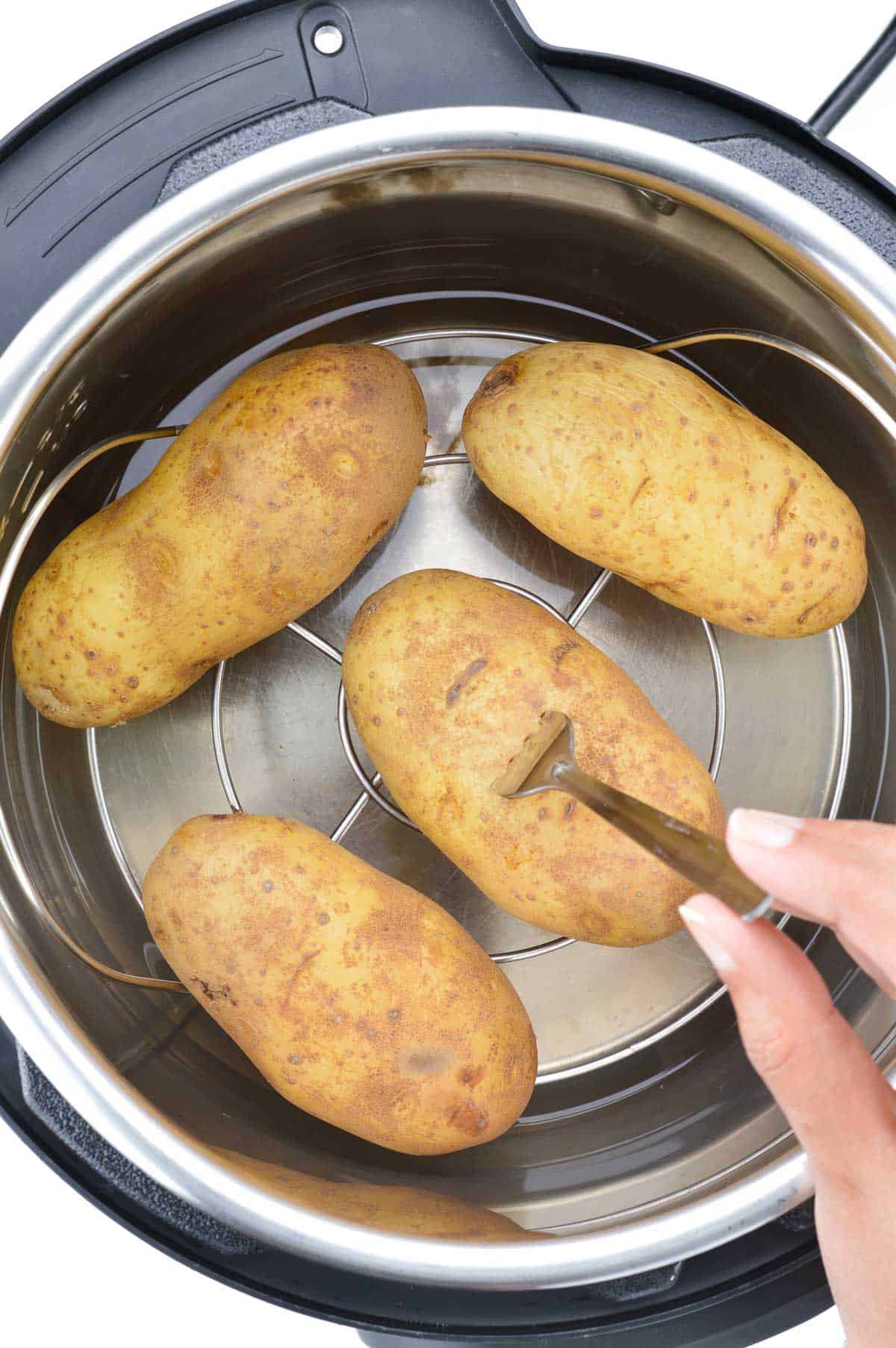
Boiling Whole Potatoes
- Place the trivet in the inner pot.
- Add 1 cup of water.
- Arrange potatoes on the trivet.
- Close the lid and set to “Sealing.”
- Pressure Cook:
- Small potatoes: 10 minutes
- Medium: 12–14 minutes
- Large: 15–18 minutes
- Quick Release for firmer potatoes or Natural Release for softer ones.
- Check doneness with a fork.
Boiling Cubed Potatoes
- Place potatoes directly in the water (no trivet needed).
- Add enough water to cover the potatoes.
- Close the lid, set to “Sealing.”
- Pressure Cook for 3–5 minutes, depending on cube size.
- Quick Release and drain.
Practical tip: If you want to avoid potatoes turning mushy, cut them into even sizes and do not overfill the pot.
How To Boil Pasta In An Instant Pot
Cooking pasta in the Instant Pot is different from the stove. Here, the pasta cooks under pressure, absorbing water directly.
Steps For Boiling Pasta
- Add pasta to the inner pot.
- Add enough water to just cover the pasta (usually 4 cups for 8 oz pasta).
- Add a pinch of salt and a dash of oil to prevent sticking.
- Close lid, set to “Sealing.”
- Pressure Cook for half the time indicated on the pasta box, minus 1 minute (for example, if the box says 10 minutes, set for 4 minutes).
- Quick Release as soon as cooking ends.
- Drain any extra water.
Beginner mistake: Overcooking pasta is easy in the Instant Pot. Always use Quick Release.
Extra insight: Small pasta shapes (elbow, penne) work better than long noodles (spaghetti) because they don’t clump as much.
How To Boil Rice In An Instant Pot
Rice is technically steamed, but the process involves boiling water before absorption. The Instant Pot’s Rice function is designed to handle this.
Steps For Boiling Rice
- Rinse rice under cold water until water runs clear.
- Add rice and water to the inner pot, using the right ratio (typically 1: 1 for white rice, 1:1.25 for brown).
- Add a pinch of salt if desired.
- Close the lid and set to “Sealing.”
- Select the Rice button (for white rice) or Pressure Cook (for other types).
- Let the pot naturally release pressure for 10 minutes, then Quick Release.
Real-world tip: Letting the rice sit for 5 minutes after cooking makes it fluffier.
Hidden insight: The Rice function automatically senses how much rice and water you added and adjusts cooking time.
How To Boil Vegetables In An Instant Pot
Boiling or steaming vegetables is fast and keeps nutrients locked in. The process is similar for most veggies.
For Hard Vegetables (carrots, Potatoes)
- Place on trivet or in a steamer basket.
- Add 1 cup of water.
- Close lid, set to “Sealing.”
- Pressure Cook for 2–4 minutes, depending on size and desired softness.
- Quick Release and serve.
For Soft Vegetables (broccoli, Asparagus)
- Same as above, but Pressure Cook for just 0–1 minute.
- Quick Release immediately to avoid overcooking.
Pro tip: For mixed vegetables, add the hardest ones first, then add softer ones halfway through if you want them all perfectly cooked.
How To Boil Beans And Lentils In An Instant Pot
Dried beans and lentils cook much faster in the Instant Pot. Unlike traditional boiling, there’s no need to soak beans overnight (though it can help).
Steps For Boiling Beans
- Rinse beans or lentils thoroughly.
- Add to the inner pot with water (usually 3 cups water per 1 cup beans).
- Add salt or spices if desired.
- Close lid, set to “Sealing.”
- Pressure Cook:
- Beans: 25–35 minutes (depends on type)
- Lentils: 5–10 minutes
- Natural Release for best texture.
Data table: Average Boiling Times for Beans and Lentils
| Type | Pressure Cook Time | Soaking Needed? |
|---|---|---|
| Black beans | 25–30 min | No |
| Chickpeas | 35–40 min | No |
| Red lentils | 5 min | No |
| Brown lentils | 10 min | No |
Insight: For firmer beans (like for salads), use Quick Release. For creamier beans, let the pressure release naturally.
How To Boil Chicken In An Instant Pot
Boiling chicken is great for soups, shredding, or salads. The Instant Pot makes it simple and keeps the meat moist.
Steps For Boiling Chicken
- Place fresh or frozen chicken breasts or thighs in the inner pot.
- Add 1 cup of water or broth.
- Season as desired.
- Close lid, set to “Sealing.”
- Pressure Cook:
- Fresh chicken: 8–10 minutes
- Frozen chicken: 12–15 minutes
- Natural Release for 5 minutes, then Quick Release.
- Check that internal temperature reaches 165°F.
Extra tip: Adding aromatics (onion, garlic, herbs) to the water gives the chicken extra flavor.
Beginner mistake: Not adding enough liquid. Always use at least 1 cup of water to avoid a burn notice.
How To Boil Seafood In An Instant Pot
Seafood cooks quickly, so timing is important.
Boiling Shrimp
- Place shrimp in a steamer basket.
- Add 1 cup of water to the inner pot.
- Season or add lemon slices if desired.
- Close lid, set to “Sealing.”
- Pressure Cook for 0 minutes (yes, zero! ).
- Quick Release immediately.
Boiling Fish Fillets
- Add 1 cup of water and place fish on a trivet.
- Pressure Cook for 2 minutes.
- Quick Release.
Hidden insight: The Instant Pot timer will count down from 0, starting as soon as it reaches pressure.
How To Boil Hot Dogs Or Sausages In An Instant Pot
Hot dogs and sausages are easy to boil, and the Instant Pot can handle large batches.
Steps
- Add 1 cup of water to the inner pot.
- Place hot dogs or sausages on the trivet or directly in the water.
- Close lid, set to “Sealing.”
- Pressure Cook for 1 minute.
- Quick Release.
Tip: For extra flavor, add sliced onions or spices to the water.
Common Mistakes And How To Avoid Them
Even experienced Instant Pot users make mistakes when boiling. Here are some pitfalls and how to avoid them:
- Not adding enough water: The Instant Pot needs steam to build pressure. Always use at least 1 cup (or the amount recommended for your model).
- Overfilling the pot: Never fill above the “Max” line, especially with starchy foods like pasta or beans, as they can foam and clog the valve.
- Using Natural Release for delicate foods: Vegetables and pasta can overcook if you use Natural Release. Always use Quick Release for these.
- Not adjusting time for altitude: At higher altitudes, water boils at a lower temperature. Add 5% more cooking time for every 1,000 feet above 2,000 feet.
- Forgetting to deglaze: After sautéing, scrape the bottom to avoid the “Burn” warning.
Unique insight: The Instant Pot’s inner pot is stainless steel, which heats up quickly but also cools quickly. If you need to slow down the process (like for blanching), simply turn off the pot or remove the inner pot and place it on a cool surface.
Credit: kristineskitchenblog.com
Best Practices For Boiling In An Instant Pot
To get the most from your Instant Pot, follow these best practices:
- Use the trivet or steamer basket for foods you don’t want submerged (eggs, potatoes, seafood).
- Preheat the water using Sauté if you’re in a hurry—the pot comes to pressure faster.
- Cut food into even pieces for uniform boiling.
- Release pressure safely—use a long spoon or towel to turn the valve.
- Clean the sealing ring regularly to avoid odor transfer, especially when boiling strong-smelling foods.
Comparing Boiling In Instant Pot Vs. Stovetop
How does boiling in an Instant Pot really compare to a regular pot? Here’s a quick side-by-side:
| Aspect | Instant Pot | Stovetop |
|---|---|---|
| Speed | Faster for most foods | Slower, especially for beans/meat |
| Energy Use | More efficient | Less efficient |
| Ease of Use | Set and forget | Needs watching |
| Flavor | Locks in moisture | May lose flavor to evaporation |
| Cleanup | One pot | May need multiple pots |
Key takeaway: The Instant Pot is best for foods that need longer boiling or benefit from pressure, while quick tasks (like blanching) may be faster on the stove.
Safety Tips For Boiling In The Instant Pot
Safety should always come first. Here’s what you need to know:
- Never open the lid while under pressure. Always wait until pressure is fully released.
- Use oven mitts or a towel to avoid steam burns.
- Check the sealing ring and valve before every use.
- Do not force the lid open if it feels stuck—pressure may remain inside.
- Keep children away from the pot when releasing pressure.
Hidden insight: If the valve is sputtering a lot of foam, you may have overfilled with starchy foods. Let the pot cool down, open the lid carefully, and stir before resuming.
Creative Uses: Boiling For Meal Prep And Beyond
Boiling is not just for basic foods. Here are some creative ways to use your Instant Pot’s boiling ability:
- Sterilize baby bottles or jars: Use Pressure Cook with water for 2 minutes.
- Make broth or stock: Boil bones and veggies for 30–60 minutes on high pressure for rich flavor.
- Blanch vegetables before freezing.
- Prepare grains like quinoa or barley quickly.
- Pre-cook pasta or potatoes for salads or meal prep.
Pro tip: You can use the hot boiled water from the pot to clean the inner pot or utensils—instant multitasking!
Credit: www.theloveofspice.com
Frequently Asked Questions
How Much Water Should I Use To Boil Foods In The Instant Pot?
For most foods, use at least 1 cup of water. For items that absorb water (like pasta or rice), cover the food completely but do not fill past the “Max” line. For beans, use about 3 cups of water per cup of dry beans. The exact amount may vary by recipe and Instant Pot size.
Can I Boil Food Without Using The Pressure Function?
Yes, you can use the Sauté function to bring water to a boil with the lid off. This is best for blanching vegetables or making soups where you need to add ingredients gradually. For foods that need precise temperature or time, the Pressure Cook function is best.
Is It Safe To Boil Milk In The Instant Pot?
Boiling milk can be tricky because it can scorch or foam quickly. Use the Sauté function on “Low” and stir often, or use the Yogurt function if your model has one. Never pressure cook milk, as it can clog the valve and cause safety issues. For more, visit Instant Pot’s official cooking time table.
What Is The Minimum Amount Of Liquid Required For Pressure Boiling?
Most Instant Pots need a minimum of 1 cup of liquid to build up pressure. Larger models (8 qt or more) may need up to 1.5 cups. Always check your user manual for the recommended minimum.
Why Does My Instant Pot Sometimes Show A “burn” Warning When Boiling?
The “Burn” warning means the pot senses overheating on the bottom. This can happen if there’s not enough water, food is sticking, or starches (like pasta) are too thick. To prevent this, always add enough water, stir well, and deglaze the pot after sautéing.
Boiling in an Instant Pot is one of the best ways to cook efficiently and safely. With the right technique, you can prepare everything from perfect eggs to hearty beans or delicate seafood. Remember to start with enough water, use the correct setting for each food, and pay attention to pressure release methods.
The Instant Pot can simplify meal prep and open up new ways to cook your favorite dishes. With these tips and insights, you are now ready to boil with confidence—enjoy your Instant Pot adventures!