
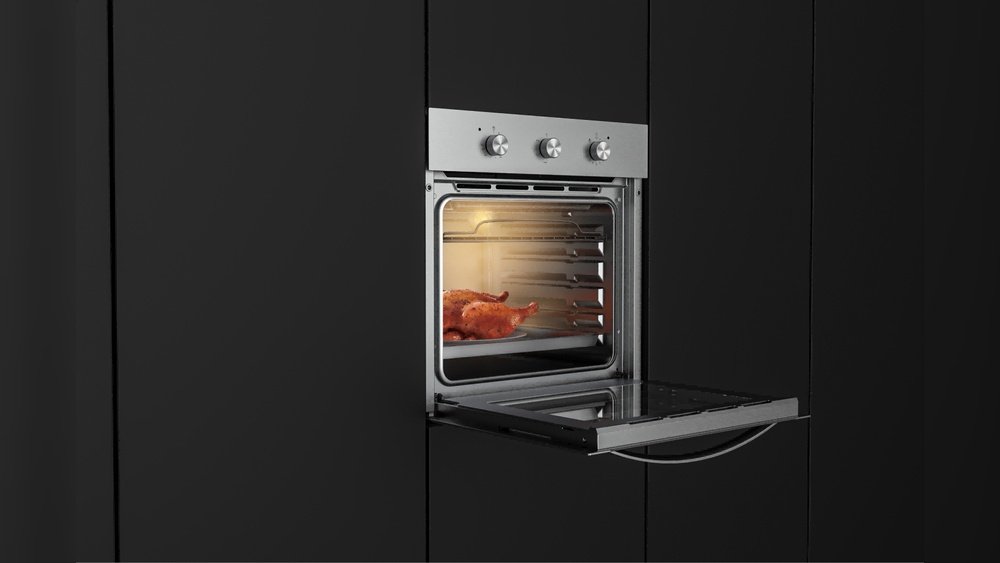
Gas stoves have been a kitchen favorite for decades. Many home cooks and chefs love them for their precise heat control and instant flame. But when you look inside a gas stove oven, it’s not always clear what’s really happening.
How does a gas stove oven work? What makes it heat up so quickly, and how does it cook your food evenly? If you’re curious about the science and engineering behind this common appliance, you’re in the right place. This article explains, in simple language, how a gas oven works, the parts inside, and why it behaves the way it does.
Along the way, you’ll learn practical tips, discover common mistakes, and get answers to questions you might not even know you had.
The Basic Principle: Turning Gas Into Heat
A gas stove oven works by burning natural gas or liquefied petroleum gas (LPG) to create heat. The process starts when you set the oven temperature. Gas flows through a safety valve and mixes with air in a special chamber. This mixture is then ignited, creating a steady flame. The flame heats up metal parts called burners, which then transfer heat to the oven chamber. This warm air cooks your food.
Unlike electric ovens, which use metal coils, gas ovens use an open flame. This flame sits at the bottom of the oven, under a metal cover called the oven floor. As the flame burns, it heats the air, the racks, and the walls of the oven. Hot air rises, and cooler air falls, creating a natural flow called convection. This is the main way a gas oven cooks food.
One thing many people miss: the burning gas also creates moisture. This can affect how your food cooks, sometimes making baked goods softer or giving roasted meats a juicy texture.
Key Components Inside A Gas Stove Oven
To understand how a gas stove oven works, you need to know the main parts inside. Each part plays a role in turning gas into the even, steady heat you need for cooking.
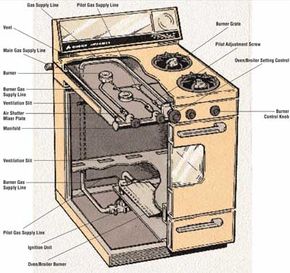
1. Gas Supply Line
The gas supply line connects the oven to your home’s main gas source. It’s usually made of strong metal to prevent leaks. This line brings either natural gas or LPG into the oven.
2. Safety Valve
The safety valve is a critical safety feature. It only opens when the oven is turned on and the ignition system is working. This prevents gas from leaking into your home if the flame goes out.
3. Oven Thermostat
The thermostat is like the oven’s brain. You set the temperature, and the thermostat senses the oven’s heat. It tells the oven when to add more gas or turn off the burner to keep the temperature steady.
4. Ignition System
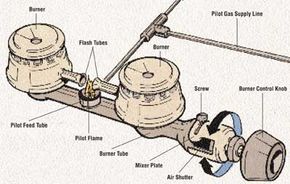
Older ovens use a pilot light—a small flame that always stays on. Most modern ovens use an electric igniter. When you turn the oven knob, the igniter creates a spark or heats up, lighting the gas.
5. Burner
The oven burner is a metal tube with holes along its length. Gas flows through the burner, mixes with air, and lights up. The flame spreads across the burner, heating the oven floor.
6. Oven Floor And Cavity
The oven floor sits above the burner, spreading heat evenly. The oven cavity is the main space where you put your food. The walls and racks inside absorb and reflect heat.
7. Venting System
Gas ovens must vent out gases created by burning fuel. The venting system lets out water vapor and tiny amounts of carbon dioxide, keeping the air inside safe.
8. Oven Racks
Oven racks hold your pans and trays. Their position can affect how your food cooks, especially in a gas oven where heat is stronger at the bottom.
9. Control Knobs And Display
You use control knobs or a digital display to set the temperature and timer. This sends signals to the thermostat and ignition system.
10. Insulation
Thick layers of insulation around the oven cavity keep heat inside. This makes the oven more efficient and safe to touch from the outside.
Step-by-step: What Happens When You Turn On A Gas Oven
Let’s walk through what actually happens when you decide to bake a cake or roast a chicken in a gas oven.
- You set the temperature using the knob or digital panel.
- The thermostat senses the current oven temperature.
- The safety valve opens, allowing gas to flow into the burner.
- The ignition system lights the gas, creating a steady flame.
- The burner heats up the oven floor and air.
- As the oven gets hotter, the thermostat monitors the temperature.
- When the oven reaches the set temperature, the thermostat tells the burner to turn off or lower the flame.
- As the oven cools, the thermostat restarts the burner to keep the heat steady.
- The venting system removes moisture and gases.
- You place your food inside, and the hot air cooks it.
This cycle repeats until you turn the oven off.
How Gas Creates Heat: The Science Explained
Burning gas is a chemical reaction. When you burn methane (the main part of natural gas), it combines with oxygen. The reaction creates carbon dioxide, water vapor, and a lot of heat. Here’s the simple version of the chemical formula:
CH₄ (methane) + 2O₂ (oxygen) → CO₂ (carbon dioxide) + 2H₂O (water) + heat
The heat is what cooks your food. But notice the water vapor—gas ovens are naturally more humid than electric ovens. This moisture can help bread rise better and keep meat juicy, but it can also slow down browning or crisping.

Credit: www.youtube.com
Types Of Gas Used In Ovens
Most gas ovens use either natural gas or liquefied petroleum gas (LPG). Here’s a comparison:
| Type | Main Ingredient | How It’s Delivered | Common In |
|---|---|---|---|
| Natural Gas | Methane | Piped into homes | Urban areas, cities |
| LPG | Propane/Butane | Pressurized tanks or cylinders | Rural areas, off-grid homes |
Both types work well, but the burner may need a different nozzle or setting for each fuel. Many ovens can be converted from one type to the other with a special kit.
Why Gas Ovens Heat Up Fast
One big advantage of gas ovens is speed. The burner creates instant heat as soon as the gas lights. Electric ovens, by comparison, take longer to warm up because metal coils must heat up first. With a gas oven, you can start baking or roasting much sooner.
Another benefit: gas ovens recover heat quickly. If you open the door, the burner can quickly bring the temperature back up. This is helpful for recipes where you need to check or turn food often.
How Heat Spreads In A Gas Oven
Heat in a gas oven moves in three main ways:
- Radiation: The hot burner and oven floor give off heat like the sun.
- Convection: Hot air rises, cooler air falls, creating natural air movement.
- Conduction: Heat moves directly from the hot racks and walls to your pans.
One thing to know: in standard gas ovens, most of the heat comes from below. This can cause uneven cooking if you’re not careful. Some ovens have a fan for better heat circulation (these are called convection ovens).
The Role Of The Thermostat
The thermostat keeps your oven from getting too hot or too cold. It works using a metal probe filled with gas or liquid. As the oven heats up, the probe expands. This triggers a switch that turns the burner off or on.
Modern ovens can keep the temperature within about 10 to 20 degrees Fahrenheit of your setting. Older ovens may swing more widely, which can change how your food turns out.
Flame Safety: How Ovens Prevent Gas Leaks
A common fear is that a gas oven might leak gas into the kitchen. Modern ovens include several safety features:
- Safety valve: Only opens when the ignition system works.
- Flame sensor: Shuts off the gas if the flame goes out.
- Thermocouple: A device that senses heat from the flame and keeps the valve open only if burning is detected.
These systems make gas ovens very safe when used properly.
Baking, Roasting, And Broiling: How Gas Ovens Handle Different Cooking Methods
Baking
When you bake, the heat comes mainly from the bottom. The moist heat of a gas oven is good for bread, cakes, and casseroles. But it can sometimes make cookies or pies less crisp.
Tip: Move racks higher in the oven if you want more top browning. Use light-colored pans to avoid burning the bottoms.
Roasting
Roasting meats or vegetables benefits from the moist heat, which keeps food juicy. However, the bottom heat can make the underside cook faster.
Tip: Use a roasting rack to lift food above the pan. This lets air flow and avoids soggy bottoms.
Broiling
Most gas ovens have a broiler—a strong burner at the top or bottom for high-heat cooking. Broiling is like upside-down grilling.
Tip: Watch food closely under the broiler, as it can burn fast. Use the top rack for best results.
Gas Oven Vs. Electric Oven: A Practical Comparison
How does a gas oven compare to an electric oven for everyday cooking? Here’s a side-by-side look:
| Feature | Gas Oven | Electric Oven |
|---|---|---|
| Heat Source | Open flame (burner) | Electric coil |
| Heating Speed | Very fast | Slower |
| Moisture | Moister air (more steam) | Drier air |
| Heat Control | Responsive | Steady but slow to change |
| Baking Results | Good for bread, may brown less | Crispy cookies, even browning |
| Installation | Needs gas line/tank | Needs power outlet |
Many bakers prefer electric ovens for pastries, while chefs like gas for roasting and baking bread.
Common Problems And How To Fix Them
Even the best gas ovens can develop issues. Here are some common problems and solutions:
- Uneven Baking: If cookies or cakes bake unevenly, try moving the racks or rotating your pans halfway through. Use an oven thermometer to check for hot spots.
- Oven Won’t Light: Check the igniter. If you hear clicking but no flame, the igniter may be dirty or broken.
- Strange Smells: A gas smell means you should turn off the oven, open windows, and call a professional. Never ignore a gas leak.
- Door Doesn’t Close: Worn hinges or seals can let heat escape, making cooking times longer.
- Burner Won’t Stay Lit: The thermocouple or flame sensor may be dirty or failing.
Cleaning And Maintenance Tips
Gas ovens need regular care to stay safe and efficient. Here’s what you should do:
- Clean the burner: Food spills can block the tiny holes, making the flame uneven.
- Check the igniter: If it’s covered in grease, wipe it gently with a dry cloth.
- Inspect the door seal: A cracked or worn seal lets heat escape.
- Clear the vents: Blocked vents can create dangerous gases.
- Test for leaks: Use soapy water on connections. Bubbles mean a leak.
- Schedule yearly service: Have a professional check the oven and gas lines.
Energy Efficiency And Cost
Gas ovens are often cheaper to run than electric ovens, especially in areas where natural gas costs less than electricity. According to the US Energy Information Administration, the average cost to run a gas oven is about 10-20% less than an electric oven for the same amount of cooking. However, this can change based on local utility prices.
Gas ovens also waste less heat because they heat up and cool down quickly. But if you often bake recipes that need dry heat (like crispy cookies), you may find yourself running the oven longer.
Credit: home.howstuffworks.com
Safety Tips For Gas Oven Users
Using a gas oven is safe if you follow some simple rules:
- Never use the oven to heat your home. This can create dangerous carbon monoxide.
- Keep flammable items away from the oven.
- Use the exhaust fan or open a window if your kitchen gets steamy or smells of gas.
- Check for a blue flame. A yellow or orange flame can mean incomplete burning, which creates carbon monoxide.
- Keep kids and pets away from the oven when it’s in use.
Advanced Features In Modern Gas Ovens
Today’s gas ovens have more features than ever. Here are a few:
Convection Fan
A convection fan moves hot air around, baking food more evenly and sometimes faster.
Self-cleaning Mode
Some gas ovens have a self-cleaning cycle that burns off spills at high heat. This makes cleaning easier, but be sure to read your manual before using it.
Smart Controls
Newer ovens may connect to your phone or smart home system, letting you preheat or set timers remotely.
Dual Fuel Models
Some ranges combine a gas cooktop with an electric oven for the best of both worlds.
Non-obvious Insights Most Beginners Miss
Many first-time gas oven users miss these points:
- Rack position matters more in a gas oven than in an electric one. Because the main heat comes from below, placing your food too low can burn the bottom while the top stays pale.
- Oven thermometers are essential. Many built-in oven thermostats are not accurate, especially in older models. Using a separate thermometer ensures you get the right temperature for your recipes.
The History Of The Gas Oven
Gas ovens were first invented in the early 1800s, but they became popular in homes around the 1920s and 1930s as gas lines spread through cities. Before that, most people used wood or coal ovens, which were harder to control and messier.
Gas ovens changed home cooking by making it easier and safer to bake bread, cakes, and roast meats. Today, millions of homes around the world rely on gas ovens for everyday meals.
Credit: home.howstuffworks.com
Environmental Impact
Gas ovens produce less carbon dioxide than wood or coal ovens, but they still release greenhouse gases. If you want to reduce your environmental impact, use your oven efficiently:
- Cook several dishes at once.
- Use the right size pan.
- Keep the oven door closed as much as possible.
Some new ovens are more efficient and use less gas, thanks to better insulation and advanced thermostats.
Troubleshooting: When To Call A Professional
Some oven problems are easy to fix, but others need expert help. Call a professional if:
- You smell gas and can’t find the source.
- The oven makes strange noises or has a weak flame.
- The igniter or thermostat stops working.
- The oven won’t heat up at all.
Trying to fix gas lines or burners yourself can be risky.
Popular Brands And Models
Some of the most trusted brands for gas ovens include:
- GE
- Whirlpool
- Frigidaire
- Samsung
- Bosch
Each brand offers models with different features, sizes, and price points. When choosing, think about your cooking style, kitchen space, and budget.
Comparing Gas Oven Features
Here’s a quick comparison of some common features you’ll find in gas ovens today:
| Feature | Basic Model | High-End Model |
|---|---|---|
| Ignition | Pilot light | Electric spark |
| Convection fan | No | Yes |
| Self-cleaning | No | Yes |
| Smart controls | No | Yes |
| Broiler location | Bottom drawer | Top compartment |
When A Gas Oven Is The Best Choice
A gas oven is ideal if you:
- Want fast heating and quick response to temperature changes.
- Prefer moist heat for baking bread or roasting meats.
- Have access to natural gas or LPG.
- Like to cook foods that need a juicy or tender finish.
But if you bake a lot of cookies, pies, or pastries, or need very even browning, you might prefer an electric or dual-fuel oven.
How To Choose The Right Gas Oven
If you’re buying a new gas oven, consider these factors:
- Size: Standard ovens are 30 inches wide. Measure your kitchen space first.
- Capacity: Look for an oven that fits your biggest pans.
- Features: Decide if you want convection, self-cleaning, or smart controls.
- Fuel type: Make sure the oven matches your gas supply (natural gas or LPG).
- Safety: Look for models with good safety ratings.
- Budget: Prices range from a few hundred to several thousand dollars.
Read reviews, visit appliance stores, and compare models in person when possible. For more details on safe gas oven use, check ENERGY STAR.
Frequently Asked Questions
How Does A Gas Oven Heat Up So Quickly?
Gas ovens heat up fast because the burner creates an instant flame. The heat spreads quickly through the metal oven floor and air. Electric ovens rely on metal coils, which take longer to warm up.
Is It Normal To Smell Gas When Using A Gas Oven?
You may notice a brief gas smell when you first turn on the oven. This is usually safe as the gas lights. If the smell lingers or gets strong, turn off the oven and call a professional. Never ignore a strong gas smell.
Can I Use All Types Of Pans In A Gas Oven?
Yes, most pans work in gas ovens. However, dark or thin pans may burn on the bottom because the heat is stronger there. Light-colored, heavy pans give better results for baking.
Why Does My Food Brown Less In A Gas Oven?
Gas ovens create more moisture in the air, which can slow down browning. To get more color, use the top rack or finish food under the broiler.
How Often Should I Clean My Gas Oven?
Wipe up spills after each use and deep-clean your oven every few months. Clean the burner and igniter to keep the flame strong and even.
Cooking with a gas stove oven is both an art and a science. Understanding how it works helps you get the best results, stay safe, and enjoy great meals every day.