
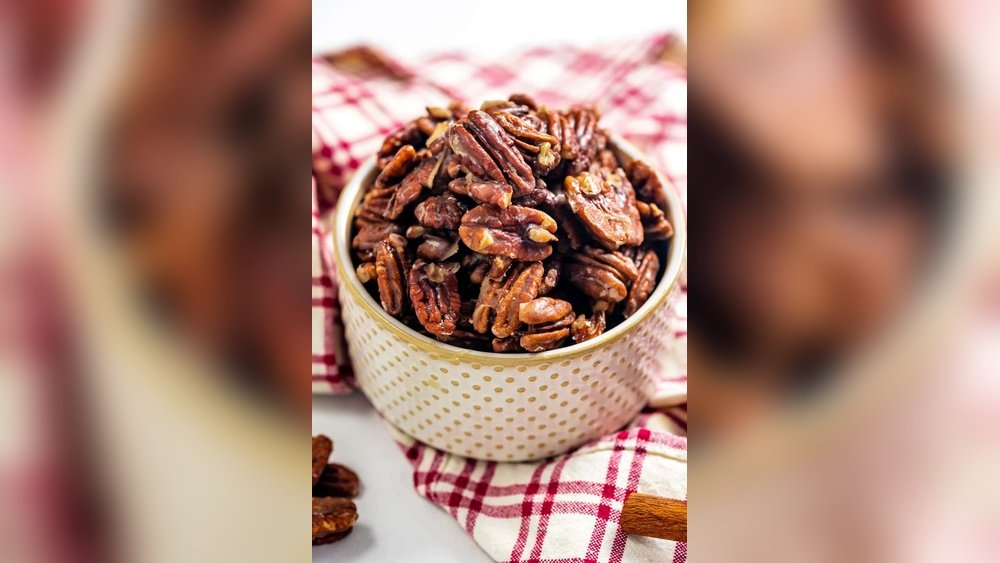
Candying nuts on the stove can seem like a fancy skill, but it’s actually simple and rewarding. You only need a few ingredients and a bit of patience to turn ordinary nuts into a sweet, shiny treat. Whether you want a snack, a salad topper, or a homemade gift, candied nuts bring a delightful crunch and flavor to any table. This guide will walk you through every part of the process, from the science behind candying to common mistakes and delicious variations.
You’ll learn the essential steps, how to pick the right nuts, and how to avoid burning or sticky results. Even if you’ve never made candy before, you’ll be able to follow these easy instructions and feel confident about your results. Along the way, you’ll find practical tips, clear explanations, and answers to questions you may not have thought to ask. Let’s get started on making the perfect candied nuts right on your stovetop.
What Does It Mean To Candy Nuts?
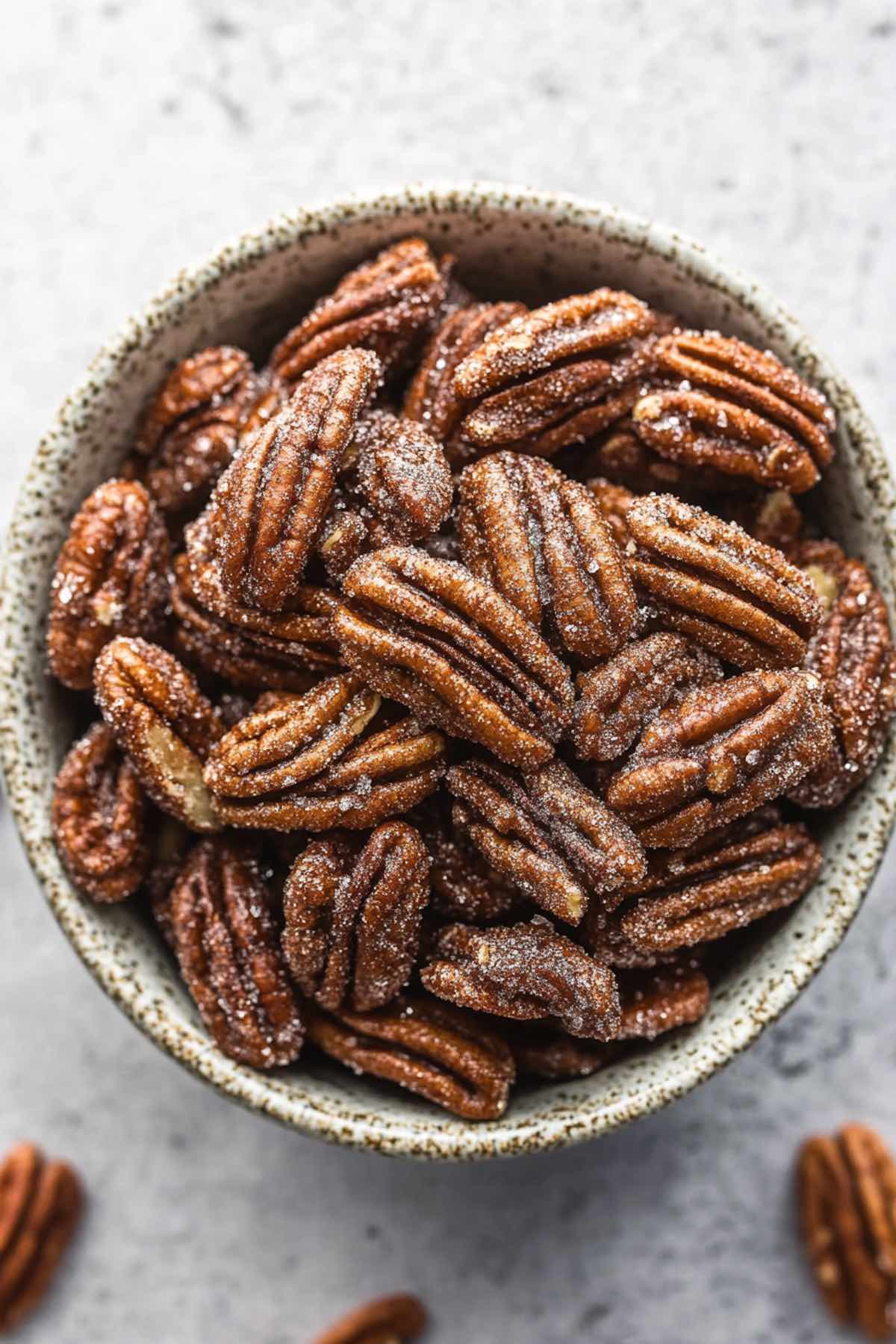
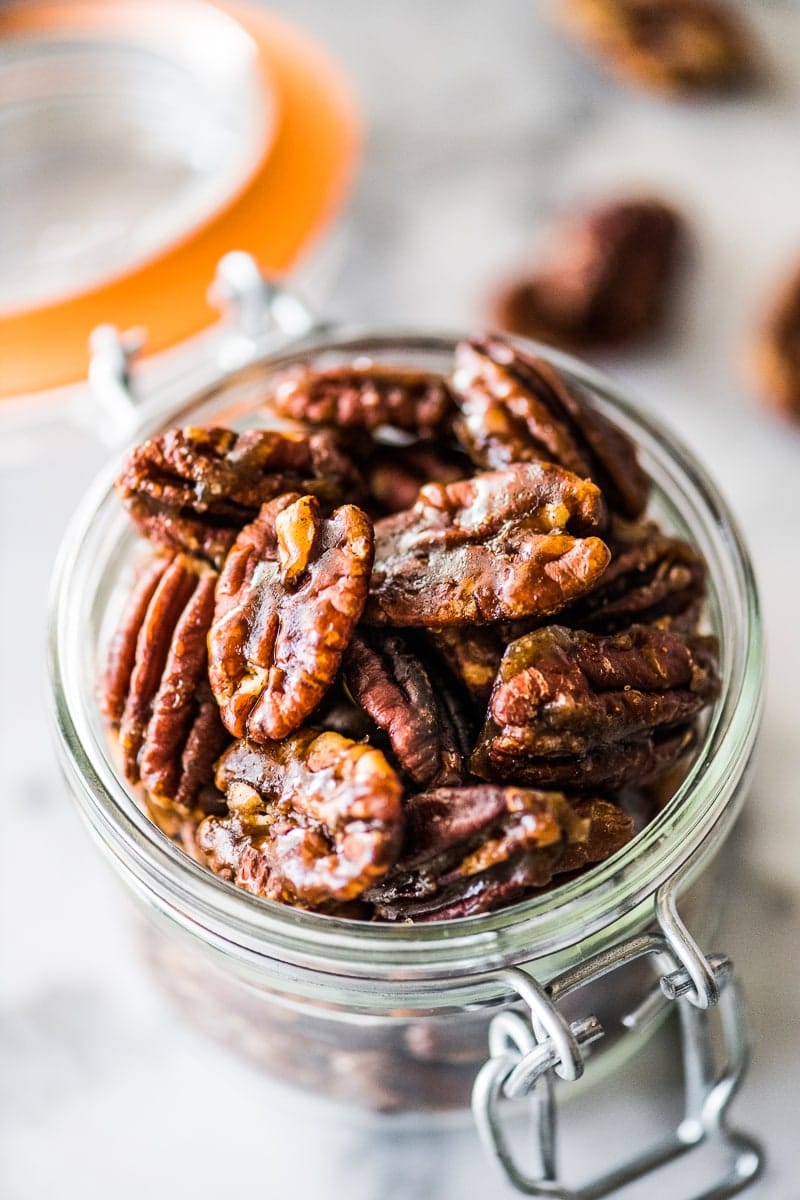
Candying nuts means coating them with a glossy, sweet layer. This shell is created by heating sugar (and sometimes butter or water) until it melts, then mixing it with the nuts so they’re evenly coated. The sugar hardens as it cools, giving the nuts a shiny, crunchy exterior.
There are a few main methods for candying nuts, but the stovetop method is the most accessible and fastest. Unlike oven-roasted methods, stove-top candying gives you more control and instant results. You can use this technique for a wide range of nuts, such as pecans, almonds, walnuts, cashews, and even peanuts.
Candying is not the same as caramelizing. Caramelized nuts are cooked until the sugar turns a deep amber color and develops a more intense, slightly bitter flavor. Candied nuts, in contrast, stay lighter in color and have a clear, sweet taste.
Choosing The Right Nuts
Not all nuts behave the same way when heated with sugar. Some have more oil, which can affect the texture of the coating, while others are naturally more absorbent. Here’s a look at the most popular options:
| Nut Type | Texture | Best Uses |
|---|---|---|
| Pecans | Soft, rich | Salads, baking, gifts |
| Almonds | Crunchy, mild | Snacks, trail mix |
| Walnuts | Buttery, slightly bitter | Cheese boards, desserts |
| Cashews | Soft, creamy | Asian dishes, snacking |
| Hazelnuts | Firm, nutty | Chocolate, baking |
Pecans and walnuts are favorites for candying because their nooks and crannies catch the sugar coating well. Almonds give a firmer crunch, while cashews soak up flavor and offer a creamy bite. If you use peanuts or macadamias, just note that their higher oil content may make the sugar coating softer.
Should You Use Raw Or Roasted Nuts?
Both work, but raw nuts are preferred because they toast gently as they cook with the sugar. If you use pre-roasted nuts, watch them closely—they can burn faster.
Whole, Halved, Or Chopped?
Whole and halved nuts are easiest to candy evenly. Chopped nuts can work, but may clump together. If you want small pieces, candy whole nuts and chop them after they cool.
Essential Ingredients For Stovetop Candying
The beauty of this method is its simplicity. Most recipes use just three main ingredients:
- Nuts (1 cup, about 120 grams)
- Sugar (white or brown; ½ cup, about 100 grams)
- Butter (optional, 1–2 tablespoons for richness and shine)
Some recipes add a bit of water (1–2 tablespoons) to help the sugar melt smoothly without burning. For more flavor, a pinch of salt balances sweetness, and spices like cinnamon or nutmeg add warmth.
Here’s a quick comparison of sugar types for candying:
| Sugar Type | Flavor | Result |
|---|---|---|
| White sugar | Neutral, sweet | Clear, crisp shell |
| Brown sugar | Rich, caramel notes | Softer, stickier coating |
| Honey/maple syrup | Distinct, floral or woody | Chewy, shiny glaze |
Pro Tip: For a vegan version, skip butter or use plant-based margarine.
Basic Stovetop Candied Nuts Recipe
This is the core recipe that works with any nut you choose. It makes about 1 cup (enough for 4–6 people as a snack or salad topping).
Ingredients
- 1 cup raw nuts (pecans, almonds, walnuts, etc.)
- ½ cup white or brown sugar
- 2 tablespoons water
- 1 tablespoon butter (optional)
- Pinch of salt
- ¼ teaspoon cinnamon or other spice (optional)
Equipment
- Heavy nonstick skillet or saucepan
- Wooden spoon or heatproof spatula
- Baking sheet lined with parchment paper or a silicone mat
Steps
- Prep your workspace. Line a baking sheet with parchment or a silicone mat. Measure all ingredients ahead—things move fast once the sugar melts.
- Combine sugar and water. Place sugar and water in the skillet over medium heat. Stir gently until the sugar dissolves and starts to bubble. If using, add cinnamon or other spices now.
- Add nuts and butter. Once bubbling, add the nuts and butter. Stir to coat every nut. Keep the heat at medium to avoid burning.
- Cook, stirring constantly. The mixture will look syrupy at first, then start to thicken. Stir often so the nuts toast evenly and the sugar doesn’t burn. After 4–8 minutes, the syrup will start to dry and crystalize.
- Watch for crystallization. This is the key step. When the sugar turns grainy and sticks to the nuts, keep stirring. Soon, the sugar will melt again and form a glossy shell. This is when you want to spread the nuts out to cool.
- Spread and cool. Quickly transfer the nuts to your prepared baking sheet. Use forks to separate any that are stuck together. Sprinkle lightly with salt while warm.
- Cool completely. Let the nuts cool for at least 30 minutes. As they cool, the coating hardens.
Storage
Once cool, store in an airtight container at room temperature for up to 2 weeks. For longer freshness, keep in the fridge.
Common Mistakes And How To Fix Them
Even experienced cooks sometimes struggle with candied nuts. Here are some pitfalls and ways to avoid them:
- Burnt Sugar: This happens if the heat is too high or you don’t stir enough. Always use medium heat, and never leave the pan unattended. If you see smoke, remove from heat right away.
- Sticky or Soft Coating: If the nuts stay sticky after cooling, the sugar didn’t cook long enough or there was too much water. Next time, cook a bit longer and add water slowly.
- Clumped Nuts: This is common, especially with chopped nuts. Stir well during cooking and separate quickly when spreading on the sheet.
- Bland Flavor: Don’t forget the pinch of salt or a dash of spice. These small additions enhance the sweetness and make the flavors pop.
- Sugar Won’t Crystalize: If the sugar remains syrupy, it may need more time or higher heat. Keep stirring—sometimes it takes a minute or two longer than expected.
Non-obvious insight: If you’re making a large batch, cook in smaller portions. Crowding the pan makes it hard for the sugar to coat evenly.
Creative Flavor Variations
Once you’ve mastered the basic recipe, it’s easy to get creative. Here are some ideas that go beyond cinnamon:
- Chili and Lime: Add ½ teaspoon chili powder and the zest of 1 lime for a spicy, tangy flavor.
- Espresso Hazelnuts: Stir in 1 teaspoon instant espresso powder and a pinch of salt.
- Vanilla Almonds: Add ½ teaspoon vanilla extract after removing from heat.
- Rosemary Pecans: Mix in 1 teaspoon chopped fresh rosemary and a pinch of black pepper.
- Pumpkin Spice Walnuts: Use ½ teaspoon pumpkin pie spice for a fall twist.
You can also try adding a little cocoa powder, orange zest, or even smoked paprika. Just remember to add dry spices with the sugar and water, and extracts after cooking.
Pro tip: A splash of bourbon or rum (about 1 teaspoon) gives a grown-up depth to the flavor.
Uses For Candied Nuts
Candied nuts are incredibly versatile. Here are some popular ways to use them:
- Salads: Toss with arugula, goat cheese, and apples.
- Snacking: Enjoy on their own, or mix with dried fruit.
- Breakfast: Sprinkle on yogurt, oatmeal, or pancakes.
- Dessert: Top ice cream, cakes, or brownies.
- Gifts: Fill small jars or bags and tie with ribbon for homemade presents.
Non-obvious insight: Crush candied nuts and use as a crust for cheesecakes or tarts. The crunchy, sweet layer adds both flavor and texture.
Scaling Up Or Down
You can easily double or triple this recipe for parties or gifts. However, don’t crowd the pan—work in batches if needed. For smaller amounts, cut all ingredients in half but keep a close eye on the cooking time (it may be faster).
Troubleshooting: Texture And Taste
If your candied nuts don’t turn out exactly right, here’s how to fix them:
- Too Hard: If the sugar coating is rock hard or bitter, the sugar cooked too long. Next time, remove from heat as soon as the nuts look glossy.
- Too Chewy: This usually means the sugar was undercooked. Return the nuts to the pan and heat gently until the coating sets.
- Not Sweet Enough: You can dust still-warm nuts with a little extra sugar or cinnamon for more sweetness.
Expert tip: If you accidentally burn the nuts, don’t try to salvage them—the burnt flavor will overpower everything.
Nutritional Considerations
Candied nuts are a sweet treat, so moderation is key. Here’s a quick look at the nutrition for one 1-ounce (28g) serving of basic candied pecans:
- Calories: ~150–180
- Sugar: 8–12g
- Fat: 10–15g (mainly healthy monounsaturated and polyunsaturated fats)
- Protein: 2–4g
If you’re watching sugar or calories, consider using less sugar or swapping half the sugar for a sugar substitute. Note that sugar-free versions may not get as crisp.

Credit: veggiefunkitchen.com
Cleaning Up After Candying
Sugar can be sticky and harden quickly on pans and utensils. To make cleanup easy:
- Fill the sticky pan with hot water and let it soak for 10–15 minutes.
- Use a wooden spoon to gently scrape off any stuck sugar.
- For stubborn spots, simmer water in the pan until the sugar dissolves.
Pro tip: Don’t pour hot sugar down the drain—it can harden and clog pipes. Always dissolve with water first.
Comparing Stovetop Vs. Oven Candying
Both methods have their fans. Here’s how they compare for home cooks:
| Method | Time | Texture | Best For |
|---|---|---|---|
| Stovetop | 10–15 minutes | Glossy, crunchy | Quick batches, more control |
| Oven | 30–45 minutes | Even, slightly softer | Large batches, hands-off cooking |
Stovetop is faster and gives you more control, but oven methods are great if you’re making a lot at once.
Safety Tips For Candying Nuts
Working with hot sugar can be dangerous. Keep these safety tips in mind:
- Use a long-handled spoon to avoid splashes.
- Never touch hot sugar—it sticks to skin and can cause burns.
- Keep kids and pets away from the stove during cooking.
- Always have a bowl of cold water nearby to cool any accidental burns quickly.
If sugar does get on your skin, rinse immediately with cool water—don’t try to wipe it off.
Storing And Keeping Candied Nuts Fresh
To keep your candied nuts crunchy and flavorful:
- Store in an airtight container at room temperature.
- Keep away from heat and humidity.
- For longer storage (up to 1 month), keep in the fridge.
- Freeze for up to 3 months—let thaw at room temp before serving.
If nuts become sticky from humidity, spread them on a baking sheet and bake at 300°F (150°C) for 5–10 minutes to crisp them up again.
Making Candied Seeds And Coconut
The same technique works for pumpkin seeds, sunflower seeds, or even unsweetened coconut flakes. Use the same sugar-to-seed ratio, but cook for less time (2–3 minutes less) since seeds are smaller and toast quickly.
Practical example: Candied pumpkin seeds make a crunchy topping for soups or roasted veggies.
How To Use Candied Nuts In Recipes
Candied nuts can upgrade many dishes. Here are some creative ideas:
- Toss with roasted vegetables for a sweet, crunchy twist.
- Mix into muffin or quick bread batter for surprise bites of sweetness.
- Fold into cookie dough or sprinkle on top before baking.
- Garnish cocktails by skewering a few on a toothpick.
- Blend into homemade granola or trail mix.
For best results, add candied nuts just before serving, as the sugar coating can dissolve if left in wet foods for long.
Credit: thebigmansworld.com
Making Candied Nuts For Special Diets
If you need to avoid certain ingredients, there are easy swaps:
- Vegan: Use plant-based butter or coconut oil.
- Gluten-free: All basic ingredients are naturally gluten-free.
- Sugar-free: Use a blend of erythritol or monk fruit sweetener, but expect a slightly different texture.
Note: Always check labels on spices and added ingredients if making for someone with allergies.
The Science Behind Candying
Candying works because sugar melts, then re-crystalizes around the nuts as it cools. When you add water, it helps the sugar dissolve evenly. As the water evaporates, the sugar first turns syrupy, then grainy, then melts again—this gives the classic candied shell.
If you add butter, it helps create a smoother, shinier finish and slows crystallization, which means the coating stays crisp longer.
Example: This is similar to how caramel popcorn gets its sweet shell, but the process is faster and simpler with nuts.
Credit: www.isabeleats.com
The Secret To Perfect Candied Nuts
The key is patience and constant stirring. Don’t rush the process or turn the heat too high. Sugar can go from perfect to burnt in seconds, so stay focused during cooking.
Another overlooked tip: use a heavy-bottomed pan. Thin pans cause hot spots and uneven candying. If you don’t have a nonstick skillet, a stainless steel pan works, but you may need to scrub a bit more during cleanup.
Gift And Presentation Ideas
Candied nuts make excellent gifts. Here are some simple ways to package them:
- Fill small mason jars and tie with a ribbon.
- Use clear cellophane bags with a handwritten label.
- Layer with dried fruit or chocolate chips for a colorful look.
- Add to gift baskets with cheese, fruit, or wine.
Pro tip: Include a card with suggested uses (e.g., “Try these on salads or oatmeal!”) for a thoughtful touch.
How To Scale Up For Parties Or Events
If you’re making candied nuts for a crowd:
- Use a large skillet, but don’t fill more than a single layer.
- Cook in batches for best results.
- Keep finished nuts warm in a low oven (200°F/95°C) if needed.
Why Homemade Is Better Than Store-bought
Homemade candied nuts are fresher, more flavorful, and you control the ingredients. Store-bought versions often have preservatives, artificial flavors, or excess oil. Plus, making them yourself costs less—especially when nuts are on sale.
Data point: A 12-ounce bag of store-bought candied pecans costs $8–$12, while homemade costs about $4–$5 for the same amount.
Key Takeaways For Beginners
- Start with raw nuts and white sugar for best results.
- Cook over medium heat and stir constantly.
- Watch for the sugar to go from syrupy to dry, then glossy.
- Spread nuts quickly to cool and separate.
- Store in airtight containers for freshness.
Frequently Asked Questions
How Long Do Candied Nuts Last?
Candied nuts last up to 2 weeks at room temperature if stored in an airtight container. For longer shelf life, refrigerate for up to 1 month or freeze for up to 3 months.
Can I Use Honey Instead Of Sugar?
Yes, you can use honey or maple syrup instead of sugar. The coating will be more chewy and less crisp, but the flavor is unique and delicious. Use equal amounts, but cook over lower heat to avoid burning.
Why Did My Candied Nuts Turn Out Sticky?
If your nuts are sticky, the sugar mixture didn’t cook long enough or had too much water. Next time, cook a little longer and let the nuts cool completely before storing.
Can I Candy Nuts Without Butter?
Absolutely. Butter adds shine and a richer flavor but is not required. For a lighter version, simply leave it out and use only sugar and water.
Are Candied Nuts Gluten-free?
Yes, basic candied nuts are naturally gluten-free. Always check added spices or flavorings for hidden gluten if you are sensitive.
Candying nuts on the stove is a fun, rewarding kitchen project that anyone can master. With a little practice, you’ll create sweet, crunchy treats that make meals and snacks special. For more details about candying and sugar chemistry, visit the Wikipedia page on candied nuts. Happy candying!