
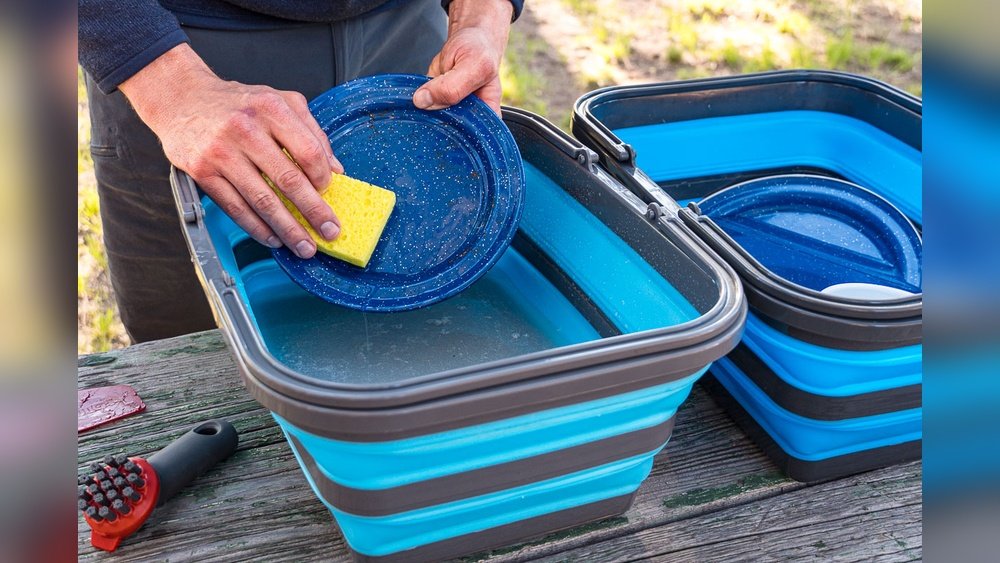
Camping in the wild can be an amazing experience—fresh air, starry nights, and a break from the busy world. But when it’s time to eat, cleaning dishes becomes a real challenge, especially when you don’t have running water. If you cook and eat outdoors, dirty plates and greasy pans can attract animals and bacteria.
So, knowing how to clean dishes while camping without water is a must-have survival skill.
Many campers think they need gallons of water for dishwashing, but it’s possible to get your cookware clean and safe using only a little water, or even none at all. This guide explains proven ways to clean dishes without water, the best supplies to bring, common mistakes to avoid, and tips for keeping your campsite clean and safe.
Why Clean Dishes Without Water While Camping?
Some campsites have no water source. In many places, water is precious and must be saved for drinking or cooking. Carrying extra water for cleaning adds weight to your pack. Plus, dirty dishwater (also called “gray water”) can pollute the environment and attract wildlife if not handled correctly.
Knowing how to clean dishes without water helps you:
- Save water for drinking and cooking
- Stay light while backpacking or hiking
- Reduce pollution and respect the environment
- Avoid attracting animals with food scraps or dirty cookware
Many outdoor experts, guides, and even the Leave No Trace Center recommend these methods to keep nature wild and clean.
The Essential Tools And Supplies
You don’t need a lot of gear, but the right supplies make waterless cleaning much easier and more effective. Here’s what you should pack for any trip where water is limited:
- Paper towels or reusable cloths – For wiping off food and grease.
- Biodegradable wipes – Pre-moistened wipes designed for dishes.
- Scraper or spatula – Removes stuck food.
- Baking soda – Natural cleaner and deodorizer.
- Vinegar spray bottle – Kills germs and cuts grease.
- Small brush or sponge – For scrubbing.
- Seal-able bags – For carrying out used wipes or dirty cloths.
- Gloves – Protect hands during tough cleaning.
Bringing these supplies means you’re ready for almost any cooking mess. If you must pack light, choose compact, multi-use items like a small scraper and a pack of sturdy wipes.
Step-by-step Methods To Clean Dishes Without Water
Here’s how to get your dishes clean when there’s no water source nearby. These steps work for most camping cookware, plates, and utensils.
1. Scrape Off All Food
Before you do anything, remove as much leftover food as possible. Use your eating utensil, a small spatula, or a dedicated scraper. Hold your plate over your trash bag or a sealed container and scrape off every crumb and chunk.
Why is this important? Leftover food attracts animals and insects. It also makes the next steps easier, since you’re not spreading grease or crumbs around.
Non-obvious tip: If you cooked something greasy (like bacon), wipe the pan with a paper towel to soak up liquid fat before scraping.
2. Wipe Down With Paper Towels Or Cloth
Once the big pieces are gone, use a dry paper towel or reusable cloth to wipe the dish thoroughly. Press and rub to pick up any remaining oils and sauce.
- Use a separate towel for very greasy items to avoid spreading fat.
- For sticky spots (like burnt cheese), press the towel on the spot for a few seconds to loosen it.
Dispose of used towels in a sealed bag. If you use a reusable cloth, store it in a zip bag and wash it at home.
3. Scrub With Baking Soda
Baking soda is a camper’s secret weapon. Sprinkle a little onto the dish and scrub with a dry brush, sponge, or cloth. Baking soda is mildly abrasive, so it removes stuck-on residue, absorbs odors, and helps sanitize.
- For stubborn grime, let the baking soda sit for a minute before scrubbing.
- Don’t use too much—just enough to cover the dirty area.
When done, shake or tap excess baking soda into your trash.
4. Disinfect With Vinegar Spray
A small spray bottle filled with vinegar is lightweight and powerful. Vinegar kills many bacteria and cuts through leftover grease. Spray the dish surface, then wipe with a clean towel.
- For extra dirty dishes, spray, wait 30 seconds, and wipe again.
- Don’t rinse—just let the vinegar air dry.
Important: Vinegar is not a replacement for boiling water sterilization, but it’s effective for everyday cleaning.
5. Use Biodegradable Wipes
If you’re dealing with messy items or want extra peace of mind, finish with a biodegradable dish wipe. These wipes are safe for the environment and clean away any last bits of grime.
- Wipe every inch of the dish, especially handles and rims.
- Bag used wipes and pack them out.
Choose wipes marked as “compostable” or “biodegradable” for the lowest environmental impact.
6. Air Dry In The Sun
Sunlight naturally kills germs. Set your clean dishes on a rock or camp table in the sun for 15–30 minutes. Make sure they’re not on the ground, where dirt or bugs can stick.
- Flip dishes halfway through if possible.
- If it’s cloudy, air drying still helps—moisture breeds bacteria.
Bonus tip: If you cooked with cast iron, wipe it with a little oil after drying to prevent rust.
Advanced Waterless Cleaning Techniques
Sometimes, you’ll face tough messes—burnt-on food, thick sauces, or dishes you couldn’t clean right away. Here are some extra methods for those situations.
Using Sand Or Ash
If you’re camping in a sandy area or using a wood fire, sand or clean ashes can help scrub off stubborn bits.
- Sprinkle sand or cool, fine ash onto the dish.
- Scrub with a cloth or brush.
- Wipe off the residue with a towel.
Warning: Only use clean, fine sand or ash—not coarse or dirty material that could scratch or contaminate your cookware.
Dry Scrubbing With Leaves Or Grass
If you run out of towels, you can use large, clean leaves or handfuls of grass to scrub plates. Choose non-toxic plants (like broadleaf plantain) and avoid anything with sap or thorns.
- Rub the dish with the leaves or grass to lift food bits.
- Wipe dry with a cloth or air dry.
Note: This is an emergency method, not as effective as towels or baking soda.
Heat Sterilization
If you want extra sanitation, hold metal utensils or pans over a fire (not plastic or coated cookware). Heat kills most germs.
- Hold the item near the flame for 2–3 minutes.
- Let it cool before touching.
This method is only for metal items and should be done carefully to avoid burns.

Credit: www.reddit.com
Handling Grease And Animal Attractants
Greasy pans are a real challenge without water. If you leave oil or fat on dishes, animals will smell it from far away. Here’s how to deal with grease:
- Wipe as soon as possible. Grease gets harder to clean as it cools.
- Use extra paper towels. Double up if needed, and seal them in a bag.
- Baking soda and vinegar help break down oils. Scrub with baking soda, then spray vinegar and wipe again.
- Don’t bury greasy waste. Animals will dig it up.
Some campers bring a small container for used grease-soaked towels and trash. Always pack this out—never leave it behind.
Safe Waste Disposal
One key rule of camping: leave no trace. Everything you use for cleaning—paper towels, wipes, used baking soda—must go into a sealed bag and be carried out. Never bury, burn, or scatter these items. Even biodegradable wipes can take months to break down.
- Use strong, smell-proof bags for trash.
- Store trash away from your sleeping area to avoid animals.
- Dispose of all waste properly when you return to civilization.

Credit: www.oxo.com
Comparing Waterless Cleaning Methods
Different methods work better for different types of dishes. Here’s a quick comparison:
| Method | Best For | Pros | Cons |
|---|---|---|---|
| Paper Towels | All dishes, especially greasy pans | Easy, cheap, disposable | Creates trash, limited scrubbing power |
| Baking Soda | Sticky or smelly items | Natural, deodorizes, scrubs well | Needs a brush, may leave residue if not wiped well |
| Vinegar Spray | Disinfecting, removing grease | Kills germs, light, multi-use | Strong smell, not for all materials |
| Biodegradable Wipes | Final cleaning, utensils | Convenient, no mess | Can be expensive, must pack out |
| Sand/Ash | Heavy-duty scrubbing | Available in nature, no trash | Can scratch, not always safe |
How To Minimize Dishwashing Needs
The best way to clean dishes without water is to make fewer dirty dishes. Smart meal planning and gear choices can save time and effort.
Choose The Right Cookware
- Use nonstick pans and silicone utensils—they clean easily.
- Bring only essential dishes: One pot, one pan, one bowl per camper.
- Eat from the pan or pot if possible.
Plan Simple, Low-mess Meals
- Choose foods that don’t stick or leave residue—think tortillas, sandwiches, or dehydrated meals.
- Avoid sticky sauces or foods that burn easily.
Use Edible Or Compostable Plates
Some campers use edible plates (like flatbread) or compostable, plant-based bowls. Eat your plate, or pack it out with the rest of your trash.
Line Your Cookware
Use foil, parchment paper, or even large leaves to line pots and pans. When done, remove the liner and you have a mostly clean dish.
| Meal Type | Dishwashing Difficulty | Cleanup Tips |
|---|---|---|
| Sandwiches | Very Low | Use napkins, no cookware needed |
| One-pot meals | Moderate | Cook and eat from same pot |
| Grilled meats | High | Line grill, wipe grease fast |
| Instant oatmeal | Low | Use disposable bowl or eat from packet |

Credit: magroadvogados.com
Tips For Keeping Dishes Sanitary Without Water
Staying healthy is as important as staying clean. Here are some practical tips:
- Clean dishes right after eating. Food dries and sticks, making cleaning harder.
- Don’t mix “clean” and “dirty” items. Store them separately.
- Inspect dishes before using. If you see or smell residue, wipe them again.
- Wash hands before eating. Even if you can’t wash dishes, use hand sanitizer.
- Avoid sharing utensils. This reduces the risk of spreading germs.
Surprising insight: Even “clean” dishes can carry bacteria if not wiped well. The sun is your friend—use UV rays to reduce germs.
Common Mistakes Campers Make
Many beginners make simple errors that can lead to dirty dishes, bad smells, or even sick campers. Watch out for these pitfalls:
- Waiting too long to clean up. Food dries and attracts animals.
- Using too little wiping material. Skimping on towels leaves grease behind.
- Not packing out all waste. Leaving used wipes is bad for nature and your reputation.
- Using the wrong kind of wipes. Only use unscented, biodegradable wipes for dishes.
- Ignoring cookware type. Scrubbing nonstick pans with sand or metal tools ruins them.
- Forgetting to disinfect. A quick vinegar spray can make a big difference.
Non-obvious mistake: Some campers rinse dishes in lakes or streams, thinking it’s harmless. This pollutes the water and can spread disease—always clean dishes away from water sources.
Cleaning Dishes Without Water Vs. With Water
Is waterless dish cleaning as effective as using water? The answer depends on your situation.
| Factor | With Water | Without Water |
|---|---|---|
| Cleanliness | High (if using soap and hot water) | Moderate to high (if thorough) |
| Ease | Easy, but needs water source | Requires more effort and supplies |
| Environmental Impact | Can pollute if gray water is not handled right | Low if all waste is packed out |
| Weight | Need to carry more water | Lighter pack, more trash to carry out |
Key takeaway: Waterless cleaning is not quite as easy as soap and water, but it’s effective if you’re careful. For long trips, bring enough supplies and plan meals to reduce mess.
Real-world Examples
- Backpackers in the desert often use nothing but paper towels, baking soda, and the sun. They eat simple meals and pack out all trash.
- Canoe campers sometimes use leaves and sand for emergency cleaning, but always wipe and disinfect with vinegar before reusing dishes.
- Large group camps often assign one person to manage trash and dirty dishes, using biodegradable wipes and a system for keeping clean and dirty separated.
Expert insight: Many national parks and wilderness areas now require all campers to pack out used wipes and paper towels, just like food wrappers. Check local rules before your trip.
What If You Have No Cleaning Supplies?
Even the best planners can forget something. If you have no wipes, baking soda, or vinegar:
- Use your eating utensil to scrape off all food.
- Find clean, soft leaves or grass to scrub.
- Wipe with any clean cloth (shirt, bandana).
- Dry in the sun as long as possible.
When you get home, wash everything thoroughly with soap and hot water. Don’t take risks with sanitation—always clean as best you can in the wild, but do a deep clean later.
The Importance Of Responsible Camping
Cleaning dishes without water isn’t just about convenience—it’s about protecting nature and keeping yourself and other campers safe. Dirty dishes can:
- Spread disease
- Pollute water sources
- Harm wildlife
- Make campsites unpleasant for the next visitors
By following these methods, you help keep the outdoors beautiful and safe for everyone.
For more in-depth tips on Leave No Trace ethics and safe camping practices, check out the official Leave No Trace Center for Outdoor Ethics.
Frequently Asked Questions
What’s The Safest Way To Clean Dishes Without Water?
The safest way is to scrape off food, wipe with paper towels or cloth, scrub with baking soda, spray with vinegar, and let dishes dry in the sun. This method removes most germs and reduces animal attractants.
Can I Use Baby Wipes Or Hand Wipes For Cleaning Dishes?
Baby wipes can help in an emergency, but they’re not designed for food contact or breaking down grease. Use unscented, biodegradable wipes made for dishes when possible, and always pack them out.
How Do I Deal With Grease On Pans Without Water?
Wipe as much grease as you can with paper towels, then scrub with baking soda. If possible, spray with vinegar and wipe again. Store greasy waste in a sealed bag away from your tent.
Is It Okay To Rinse Dishes In A River Or Lake?
No. Rinsing dishes in natural water sources pollutes them and can harm wildlife. Always clean dishes at least 200 feet away from water, and pack out all waste.
What If My Dishes Still Smell After Cleaning?
If dishes smell, try scrubbing again with more baking soda and let them dry in the sun for an hour. Persistent smells usually go away after a thorough home washing with soap and hot water.
Camping is about adventure and respecting the wild. With these tips, you can keep your dishes clean, your campsite safe, and your impact on nature as light as possible—even when there’s no water to spare.