
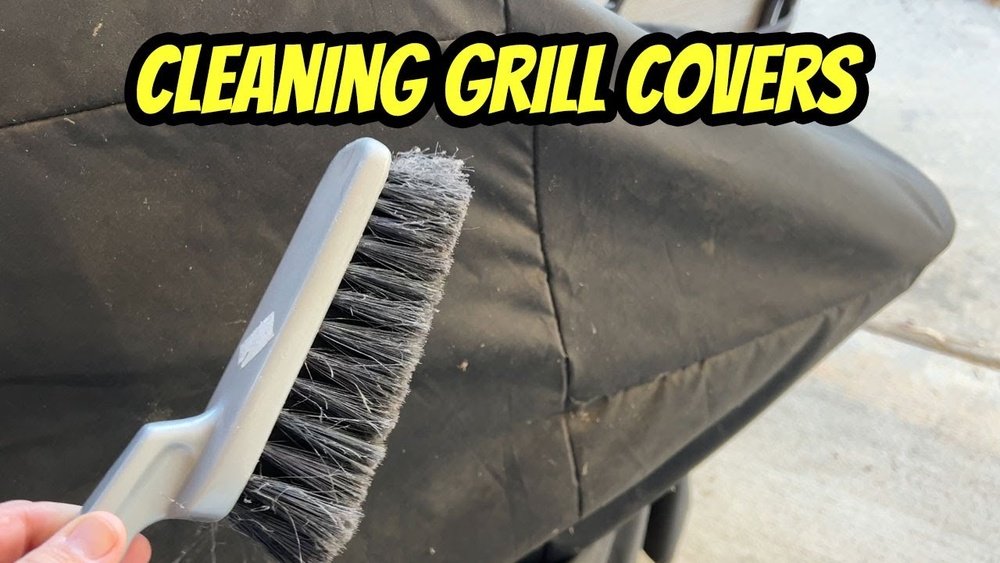
Keeping your grill in top condition takes more than just cleaning the grates. Many people forget about their grill cover, but it works hard to protect your investment from rain, sun, dust, and more. Over time, grill covers collect grease, bird droppings, pollen, mold, and other debris. If you don’t clean your grill cover, it can start to smell, look dirty, and even damage your grill. Learning how to clean a grill cover the right way will make it last longer and keep your outdoor cooking area looking great.
This guide walks you through everything you need to know about cleaning grill covers. Whether your cover is made of vinyl, polyester, canvas, or another material, you’ll discover practical steps, common mistakes, and tips for deep cleaning. You’ll also find answers to common questions about grill cover care.
Let’s get started so your grill and its cover both look their best all season long.
Why Cleaning Your Grill Cover Matters
Many grill owners focus on cleaning the grill itself, forgetting about the cover. But the cover is your first line of defense against weather and dirt. If it’s not clean, it can transfer grime back to your grill and even create a breeding ground for bacteria, mold, or mildew.
Dirt buildup can cause staining and material breakdown, especially if left for long periods. Grease attracts insects and animals that may chew or scratch the cover. Mold and mildew can create unpleasant smells and health risks.
A regular cleaning routine extends the life of your grill cover. According to the Hearth, Patio & Barbecue Association, a well-maintained cover can double the life of your grill compared to one left exposed. Plus, a clean cover keeps your patio area looking neat and inviting.
Types Of Grill Covers And Cleaning Needs
Not all grill covers are the same. The material affects how you clean it and which products you can use.
Common Grill Cover Materials
- Vinyl: Waterproof, easy to wipe, but can crack in the sun.
- Polyester: Lightweight, resists fading, dries fast.
- Canvas: Durable, heavy, can absorb water if not treated.
- PVC-Coated Fabric: Flexible, waterproof, often used for premium covers.
Each material has its own care instructions. For example, vinyl may react poorly to some chemicals, while canvas needs thorough drying to prevent mold.
Why Material Matters
If you use the wrong cleaner or scrub too hard, you can damage the cover’s surface. Always check the tag or manufacturer’s instructions before cleaning. When in doubt, start with gentle methods and test a small hidden area.
Below is a quick comparison of popular grill cover materials and their cleaning needs:
| Material | Water Resistance | Best Cleaning Method | Common Risks |
|---|---|---|---|
| Vinyl | High | Wipe with mild soap and water | Cracking, fading |
| Polyester | Medium | Hand wash, air dry | Staining, shrinkage |
| Canvas | Low to Medium | Gentle scrub, thorough drying | Mold, heavy when wet |
| PVC-Coated | High | Wipe clean, avoid harsh chemicals | Peeling, chemical reaction |
How Often Should You Clean Your Grill Cover?
Frequency depends on your environment and how often you use the grill. For most homes, a monthly cleaning is enough. If you live in a dusty, humid, or rainy area, or use your grill often, clean the cover every 2-3 weeks.
After heavy storms, grilling parties, or when you notice bird droppings or tree sap, clean the cover right away. Quick action prevents stains and buildup.
What You Need Before Cleaning
Gathering the right supplies makes the job easier and protects the cover from damage. Here’s what you’ll need for most grill covers:
- Mild dish soap (avoid harsh detergents)
- Soft sponge or microfiber cloth
- Soft-bristled brush (for stuck-on dirt)
- Bucket of warm water
- Garden hose (with a gentle spray)
- Towel for drying
- Gloves (optional, for sensitive skin)
- White vinegar (for mold or mildew)
Avoid using bleach, strong chemicals, or abrasive pads, which can break down the cover’s material.

Credit: www.youtube.com
Step-by-step: How To Clean A Grill Cover
Cleaning a grill cover is simple, but following each step helps you get the best results and avoid damage. Here’s a complete cleaning process:
1. Remove The Cover
Take the cover off the grill and shake it out to remove loose dust, leaves, or debris. Do this away from your grill or patio furniture to avoid spreading dirt.
2. Lay The Cover Flat
Choose a clean, flat surface such as grass, a driveway, or a patio. Avoid rough concrete or gravel, which can scratch the cover.
3. Rinse Off Surface Dirt
Use a garden hose to gently spray off loose dirt and dust. If you don’t have a hose, use a bucket of water and a sponge to wet the cover.
4. Mix Cleaning Solution
Fill a bucket with warm water and add a small amount of mild dish soap. Mix until you see some suds.
5. Scrub Gently
Dip a soft sponge or cloth into the soapy water. Wipe the cover in sections, working from top to bottom. For stubborn stains, use a soft-bristled brush. Never use steel wool or rough pads.
If you spot mold or mildew, mix equal parts water and white vinegar, then scrub affected areas gently.
6. Rinse Completely
Rinse off all soap and cleaner using a hose or clean water. Soap residue can attract more dirt if left behind.
7. Dry Thoroughly
Use a clean towel to remove most of the water. Then, hang the cover over a railing, clothesline, or chairs in a sunny, breezy spot. Never put the cover back on the grill while it’s wet—this can cause mold and mildew.
8. Inspect For Damage
Before putting the cover back, look for tears, worn spots, or weak seams. If you see any, repair them with a patch kit or strong tape to prevent further damage.
9. Replace On Grill
Once the cover is dry and checked, put it back on your grill. Make sure it fits snugly and is secure against wind.
Deep Cleaning For Stubborn Stains
Sometimes, regular washing isn’t enough. Grease, tree sap, bird droppings, and mildew can require extra effort.
Grease Stains
Grease can soak into fabric and leave marks. Mix a bit of baking soda with water to make a paste. Apply this to the stain, let it sit for 10-15 minutes, then scrub gently and rinse. Avoid using heavy degreasers, which may damage some covers.
Tree Sap And Bird Droppings
These can be sticky and stubborn. Use a plastic scraper (such as an old credit card) to gently lift off as much as possible. Then, use a mix of white vinegar and warm water to soften the residue before wiping clean.
Mold And Mildew
If you see black or green spots, act quickly. Mix one part white vinegar with three parts water. Spray or dab onto the spots, let sit for 15-20 minutes, then scrub and rinse. For severe cases, use a small amount of oxygen bleach (not regular bleach), but test it on a hidden spot first.

Credit: www.coverstore.com
How To Remove Odors From Grill Covers
A grill cover that smells bad can make your whole patio area unpleasant. Odors come from mold, mildew, grease, or even smoke. To freshen your cover:
- Clean it thoroughly as described above.
- Sprinkle baking soda inside and out, let sit for 30 minutes, then brush off and rinse.
- Hang the cover in sunlight. UV rays help kill bacteria and remove smells.
- For persistent odors, spray lightly with a solution of water and white vinegar, then air dry.
Common Mistakes When Cleaning Grill Covers
Many people make simple mistakes that shorten the life of their grill cover. Avoid these pitfalls:
- Using harsh cleaners: Products with bleach, ammonia, or strong solvents can break down the fabric and cause cracking.
- Scrubbing too hard: Aggressive scrubbing can thin the material or remove water-resistant coatings.
- Skipping drying: Putting the cover back before it’s fully dry encourages mold growth.
- Ignoring damage: Small tears quickly get bigger, especially in wind or rain.
- Washing in a machine: Most grill covers are not designed for washing machines. The agitation can ruin seams or coatings.
Tips For Maintaining A Grill Cover Between Washes
You don’t need a full wash every week. Here are easy ways to keep your cover in good shape:
- Shake off dust or leaves before taking off the cover.
- Wipe away bird droppings or sap as soon as you see them.
- Store the cover inside during long periods of non-use, like winter.
- Check for pooling water after rain and remove it to prevent sagging.
- Use a cover support pole or ball to prevent the cover from touching greasy grill parts.
How To Repair Small Tears Or Holes
Even the best covers can get a small tear from a branch, animal, or heavy wind. Fixing it quickly keeps water and bugs out.
- For vinyl or polyester: Use a patch kit made for tents or tarps. Clean the area, apply the adhesive patch, and let it dry.
- For canvas: Sew with heavy-duty thread, then apply a waterproof fabric sealant.
- Duct tape works as a temporary fix but should be replaced with a proper patch soon.

Credit: www.reddit.com
Storing Your Grill Cover Properly
When you’re not grilling for a while, proper storage keeps your cover clean and ready to use. Wash and dry the cover first. Fold it loosely, avoid sharp creases, and store in a dry, cool place. Never store a damp cover in a bag or box—this almost guarantees mildew.
If you live in a snowy area, store the cover indoors to prevent cracking from freezing temperatures.
Grill Cover Cleaning Frequency: Real-world Examples
How often should you clean your grill cover? Here are some typical scenarios:
| Situation | Recommended Cleaning | Why |
|---|---|---|
| Suburban, moderate use | Once per month | Normal dust, some rain |
| Coastal or humid climate | Every 2-3 weeks | Salt, moisture, mold risk |
| Heavy grilling, parties | After each big event | Grease, food spills |
| After storm or pollen drop | As needed | Remove heavy debris or sap |
| Winter storage | Clean before storing | Prevents mold, stains |
How To Choose The Right Cleaner For Your Grill Cover
Choosing the right cleaner depends on your cover’s material and the type of stains. Here are some safe options:
- Mild dish soap: Works for most covers, gentle on fabric and hands.
- White vinegar: Natural, kills mold and mildew, deodorizes.
- Baking soda: Great for neutralizing odors and removing light stains.
- Oxygen bleach: For tough mold, but always test first.
Avoid bleach, ammonia, or solvent-based cleaners unless the manufacturer specifically recommends them.
Environmental Impact: Safe Cleaning For You And Nature
When cleaning outdoors, be mindful of where the runoff goes. Most mild soaps and vinegar are safe for grass and plants. Avoid letting harsh chemicals run into storm drains or gardens.
If you want to be extra eco-friendly, look for biodegradable soaps. These break down safely in the environment and won’t harm your lawn or pets.
Signs Your Grill Cover Needs Replacing
Even with the best care, all grill covers eventually wear out. Here are signs it’s time for a new one:
- Cracking or peeling: Especially common in vinyl covers after years in the sun.
- Large tears or holes: Too big to patch or fix.
- Persistent mold or mildew: If you can’t remove smells or stains, the material may be damaged.
- Loss of water resistance: Water soaks in instead of rolling off.
A good rule: If the cover is causing more problems than it solves, it’s time to upgrade.
Cost And Value: Why A Clean Grill Cover Saves Money
A typical grill cover costs between $25 and $100, depending on size and material. A dirty or damaged cover can let water inside, rusting your grill and costing much more in repairs or replacement.
Keeping your cover clean means you’ll get the full life out of your grill—often 5 to 10 years. Investing a few minutes each month in cleaning protects a much larger investment.
Real-world Example: Saving A Moldy Grill Cover
Imagine you left your cover on all summer without cleaning. Now it’s covered in black spots and smells musty. Many people throw it away, but you can often save it.
- Brush off loose mold outdoors (wear a mask if you’re sensitive).
- Wash with warm, soapy water.
- Spray with white vinegar, let sit, then scrub and rinse.
- Dry thoroughly in sun.
- If stains remain, try a fabric-safe oxygen bleach.
You may be surprised how fresh the cover looks after a deep cleaning.
Upgrading To A Better Grill Cover: What To Look For
If you decide your old cover is finished, choosing a better replacement can save you hassle later. Look for:
- UV protection: Prevents fading and cracking.
- Reinforced seams: Less likely to rip in wind.
- Breathable panels: Reduces mold risk.
- Snug fit: Keeps out dust and animals.
- Easy-clean surface: Some covers have coatings that resist stains.
Check user reviews and buy from a brand with a good warranty. This small step keeps your grill protected for years.
For more on grill cover materials and care, you can visit the Wikipedia entry on barbecue grills.
Frequently Asked Questions
How Can I Prevent Mold And Mildew On My Grill Cover?
Keep your cover clean and dry. After every wash or rain, air-dry the cover before putting it back on the grill. Store the cover inside during long, wet seasons. Wipe away leaves, bird droppings, or food quickly, since these encourage mold growth.
Is It Safe To Wash A Grill Cover In The Washing Machine?
Most manufacturers do not recommend machine washing. The agitation can damage seams, coatings, or waterproof layers. Always check the care label. Hand washing is safer for most covers.
Can I Use Bleach To Clean A Grill Cover?
Avoid using regular bleach, as it can break down material and cause fading or cracking. For mold, use white vinegar or a small amount of oxygen bleach (test first). Always rinse thoroughly.
How Do I Remove Tree Sap From My Grill Cover?
Scrape off what you can with a plastic tool, then soak the spot with white vinegar or rubbing alcohol. Let it sit for 10-15 minutes, gently scrub with a soft brush, and rinse. Repeat if needed, but avoid harsh scrubbing.
What’s The Best Way To Store A Grill Cover During Winter?
Clean and dry the cover completely. Fold it loosely and store it in a dry, cool place—inside your home or garage is best. Never store a damp cover, as this causes mildew and odors.
Keeping your grill cover clean is not complicated, but it does require a bit of care and attention. By following these tips, you’ll protect your grill, save money, and enjoy a better outdoor cooking experience for years to come.