
Storing kitchen utensils without drawers can feel impossible. Many people are used to tossing spoons, spatulas, and whisks into neat sliding spaces. But what if your kitchen has no drawers? This is a common situation in small apartments, older homes, or shared spaces.
Yet, a lack of drawers doesn’t mean your kitchen has to be disorganized or cluttered. With the right strategies, you can keep every utensil easy to find, within reach, and even make your kitchen look better.
Let’s explore creative, practical, and stylish ways to store kitchen utensils when you don’t have drawers. This guide brings together ideas for all kitchen sizes and styles, from renters to homeowners. You’ll find solutions for common tools, specialty gadgets, and even the awkward items that never seem to fit anywhere.
We’ll also highlight mistakes to avoid and share tips that go beyond the basics—insights that even experienced cooks sometimes miss.
Why Drawer-free Kitchens Are Common (and Not A Problem)
Many kitchens around the world lack built-in drawers. In countries like Japan and parts of Europe, open shelving and wall storage are more popular. Modern tiny homes often skip drawers to save space. Even if your kitchen has them, you might run out of room or want a more visible system.
The good news: drawer-free kitchens can actually work better for people who cook often. Tools are visible and easy to grab, which can speed up meal prep. Plus, creative storage methods can add character and style.
The Main Challenges Without Drawers
Not having drawers can create a few specific problems:
- Cluttered countertops: Utensils pile up and make cooking messy.
- Hard to clean: Loose items collect dust and food bits.
- Wasted time: Searching for tools slows you down.
- Safety: Sharp tools left out can be a hazard.
But with the right approach, you can keep things tidy, safe, and efficient.
Credit: www.reddit.com
Key Principles For Storing Utensils Without Drawers
Before choosing a storage method, keep these principles in mind:
- Visibility: You should see what you have at a glance.
- Accessibility: Store items where you use them most.
- Separation: Group similar tools together.
- Safety: Store sharp or heavy tools securely.
- Cleanability: Easy to wipe or wash when needed.
A common mistake is to pick a cute solution (like a fancy jar) without checking if it actually fits all your tools, or if cleaning will be a hassle.
Wall-mounted Storage Solutions
Wall space is a goldmine in a drawer-free kitchen. Using your walls keeps counters open and lets you see every tool.
Magnetic Knife Strips
A magnetic strip is a must-have for knives and metal utensils. Strong magnets hold tools securely and make them easy to grab. They’re perfect for small kitchens and reduce risk because knives aren’t loose on counters.
Pro Tip: Use two shorter strips rather than one long one if you have different tool sizes. This also prevents crowding.
Utensil Hooks And Pegboards
Install sturdy hooks or a pegboard above your counter or stove. Pegboards are especially flexible—you can move hooks and add shelves as your collection changes.
- Hang spatulas, ladles, and whisks.
- Use “S” hooks for easy rearranging.
- Pegboards can display measuring cups or even small pots.
Beginner Insight: Leave extra space between hooks for bulky handles. Overcrowding leads to tangled tools.
Hanging Rails And Rods
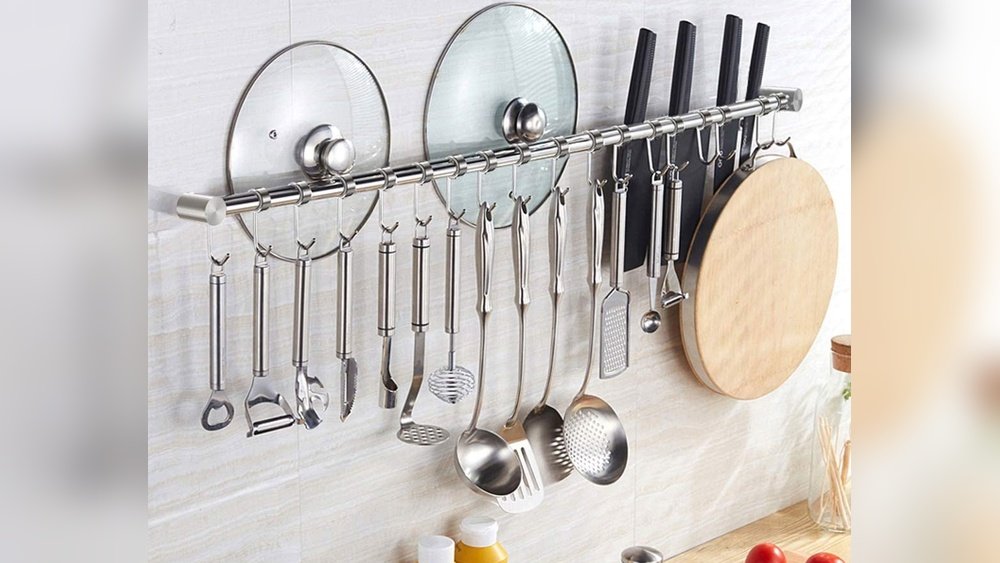
A slim rail or towel bar with hanging hooks is a stylish way to organize utensils. Ikea’s “Kungsfors” and “Grundtal” rails are popular for this. Place rails near where you cook for maximum efficiency.
- You can hang baskets on the rail for smaller items.
- Stainless steel or matte black finishes resist grease and look modern.
Baskets And Bins On The Wall
Wire or woven baskets mounted on the wall are perfect for oddly shaped utensils. Choose baskets with a tight weave for small items, or open baskets for things like rolling pins.
- Mount at different heights for easy access.
- Label baskets for quick identification.
Comparison: Wall Storage Methods
Here’s a quick look at the pros and cons of popular wall-mounted options.
| Method | Best For | Pros | Cons |
|---|---|---|---|
| Magnetic Strip | Knives, metal tools | Safe, space-saving | Not for non-metal or heavy tools |
| Pegboard | Mixed tools | Flexible, customizable | Needs wall space |
| Hanging Rail | Everyday utensils | Stylish, versatile | May need drilling |
| Wall Baskets | Bulky or odd shapes | Good for variety | Can look cluttered |
Countertop Storage Ideas
Not all utensil storage has to be on the wall. For renters or those who can’t drill, countertop solutions are simple and effective.
Utensil Crocks And Jars
A large crock or sturdy jar keeps spatulas and spoons upright. Ceramic, stainless steel, or even a cleaned-out food canister can work. Make sure your container is heavy enough not to tip.
- Use separate crocks for wooden, metal, and silicone tools to keep things organized.
- Line the bottom with a silicone mat for easy cleaning.
Non-Obvious Tip: A wide, shallow bowl works better for short tools than a deep jar. Tools won’t get lost at the bottom.
Drawer Organizers Used On Countertops
Plastic or bamboo drawer trays don’t need to stay in drawers. Place them on your counter or inside a cabinet for organized, visible storage.
- Perfect for measuring spoons, peelers, or small gadgets.
- Stack multiple trays if you have space.
Rotating Utensil Holders
A lazy Susan with cups or a rotating utensil holder brings everything within reach, which is handy for busy cooks. Some holders have divided sections for sorting by type.
- Look for models with removable sections for easy washing.
- Place near your main prep area for convenience.
Tiered Stands
A tiered stand (like for desserts) can hold small bowls or cups for utensils. This uses vertical space and keeps the counter from getting crowded.
- Use the top tier for most-used items.
- Bottom tier for less frequent tools.
Comparison: Countertop Storage
Let’s compare popular countertop solutions for utensil storage.
| Solution | Capacity | Best For | Drawback |
|---|---|---|---|
| Crock/Jar | 10–15 tools | Large utensils | Can tip over if overloaded |
| Drawer Tray | Small tools | Gadgets, small items | Exposed to dust |
| Rotating Holder | 15+ tools | Mixed types | Needs more counter space |
| Tiered Stand | Variable | Multiple categories | Not for long utensils |
Inside Cabinets: Hidden Storage Without Drawers
If you have cabinets but no drawers, you can still organize utensils efficiently.
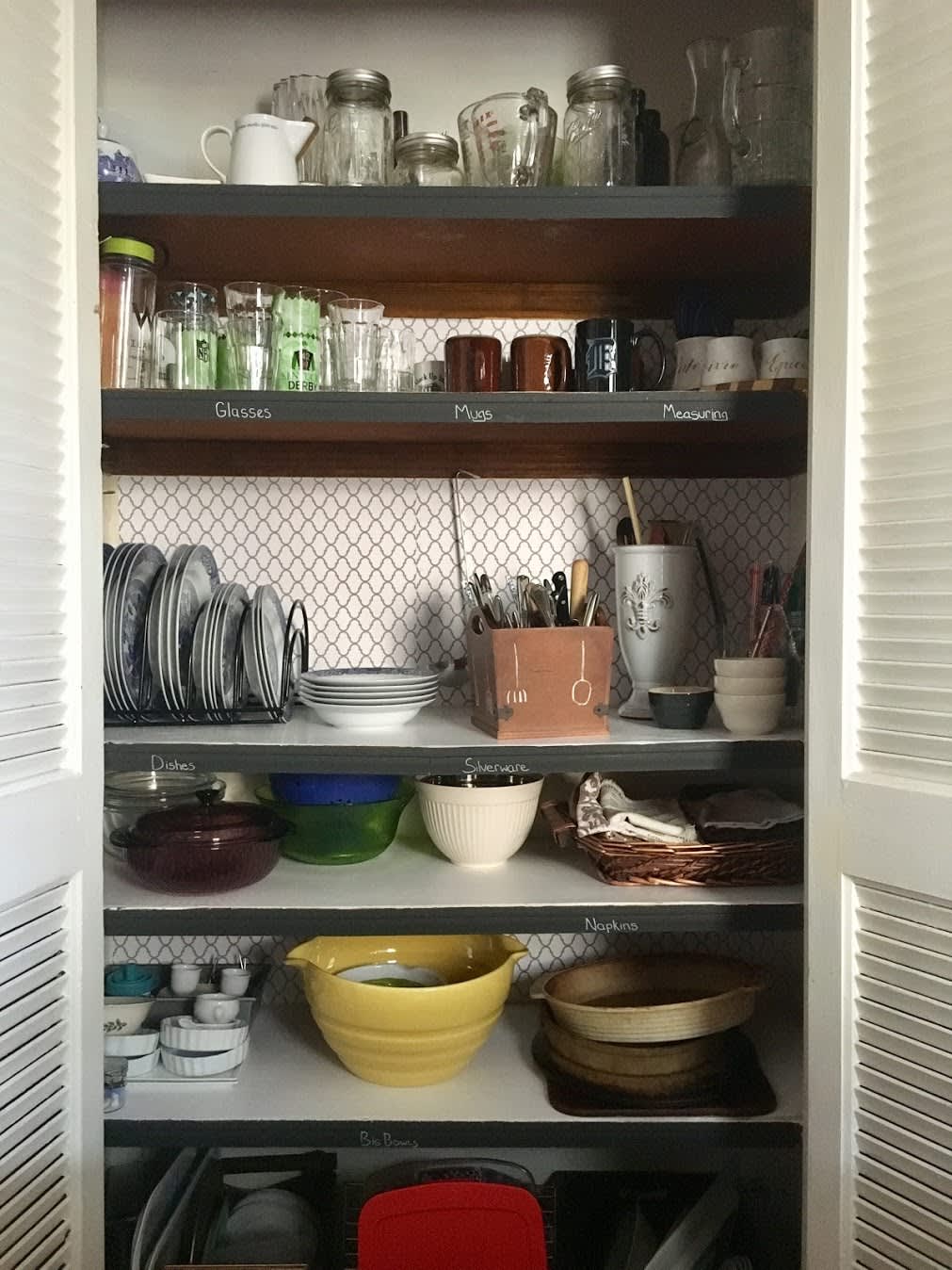
Pull-out Bins Or Baskets
Install pull-out baskets on cabinet shelves. These slide out like drawers but are open, making it easy to see and grab what you need.
- Choose wire or mesh baskets for visibility.
- Use one bin for baking tools, another for cooking utensils.
Stackable Boxes
Stackable plastic or bamboo boxes let you separate tools by category. Label the front of each box for quick access.
- Use clear boxes to see what’s inside.
- Stack vertically to maximize space.
Over-the-door Organizers
Hang a pocket organizer on the inside of a cabinet door. These fabric or plastic organizers are great for small tools, kitchen shears, or even spice jars.
- Easy to install and remove.
- Keeps items off the main shelves.
Shelf Risers
A shelf riser adds a second level inside a cabinet. Store utensils below and above the riser, doubling your space.
- Use the top for less-used tools.
- Bottom for everyday items.
Non-obvious Insight
If you store utensils in bins inside cabinets, add a silica gel packet (like the ones found in shoeboxes) to absorb moisture and prevent rust, especially for metal tools.
Credit: www.thekitchn.com
Under-shelf And Hanging Storage
Make use of every inch, even under shelves.
Under-shelf Baskets
Clip-on under-shelf baskets add instant storage for flat tools like spatulas, tongs, or graters.
- Perfect for renters—no drilling needed.
- Great for thin or awkwardly shaped items.
Hanging Mugs Or S-hooks
If your shelves are sturdy, add S-hooks to hang utensils from the underside. You can even hang mugs and small pans.
- Space-saving and flexible.
- Use only for lightweight tools to avoid damage.
Portable Storage Solutions
Sometimes, you need your tools to move with you—great for outdoor cooking, baking with friends, or kitchens with limited space.
Utensil Caddies
A utensil caddy (like those used for picnics) keeps everything organized and ready to move. Look for caddies with divided sections for forks, spoons, and spatulas.
- Carry from kitchen to dining area easily.
- Can double as a drying rack after washing.
Rolling Carts
A slim rolling cart can hold utensils, spices, and more. Store it beside your counter and roll out when needed.
- Choose carts with deep baskets for stability.
- Add hooks to the sides for extra hanging space.
Folding Racks
A folding rack can be set up for prep, then folded away when not in use. Ideal for very small kitchens or for extra tools during holiday cooking.
- Store in a closet when not needed.
- Use for both drying and storing utensils.
Storing Specialty And Awkward Utensils
Some kitchen tools just don’t fit anywhere. Ladles, rolling pins, whisks, or pizza cutters often create storage headaches.
Rolling Pins
Store rolling pins on wall-mounted hooks or in a tall, heavy crock. Horizontal storage on a rail also works, but make sure it’s secure.
Whisks
Whisks tangle easily. Hang them by the handle on a pegboard or rail, or place upright in a separate crock.
Large Ladles And Skimmers
These fit well in wall baskets or on large S-hooks. Avoid storing with smaller tools—they’ll just get stuck.
Pizza Cutters, Peelers, Zesters
Small, sharp tools can go in a divided cup or a hanging organizer with individual slots. Make sure they’re out of reach of kids.
Combining Multiple Methods For Maximum Efficiency
The best kitchens mix several storage methods. For example:
- Hang knives on a magnetic strip
- Store spatulas in a countertop crock
- Keep small gadgets in a pull-out cabinet bin
This makes your workflow smoother and uses every inch of space.
Non-Obvious Tip: Re-evaluate your system every 3–6 months. As you buy new tools or change cooking habits, you might need to swap storage styles. Don’t let old systems slow you down.

Credit: www.reddit.com
Cleaning And Maintenance Tips
Drawer-free storage puts utensils in the open, where they collect dust, grease, and food particles faster. Here’s how to keep things clean:
- Wipe storage surfaces (rails, crocks, baskets) weekly with warm, soapy water.
- Use liners in crocks or trays for easy cleaning.
- For wall-mounted tools near the stove, deep-clean monthly to remove grease buildup.
- Periodically empty and wash organizers—this prevents bacteria and rust.
Mistakes To Avoid When Storing Utensils Without Drawers
Many people make the same errors when switching to open utensil storage. Watch out for these:
- Overcrowding: Too many tools in one crock or on a single rail leads to tangling and makes things hard to grab.
- Ignoring tool type: Mixing wooden and metal tools can damage delicate items. Separate by material.
- Not securing sharp items: Knives and peelers should always be stored safely, out of the way of children.
- Using unstable containers: Lightweight jars or bins tip over easily. Choose heavy bases or secure with non-slip pads.
- Placing tools too far from work areas: Store utensils near where you cook, not across the room.
- Forgetting about cleaning: Make sure all storage solutions are easy to wipe and disinfect.
Sustainability And Diy Storage Ideas
You don’t have to buy new organizers. Try these eco-friendly and budget options:
- Repurpose coffee cans, glass jars, or flower pots as utensil holders.
- Use old wine racks for rolling pins or whisks.
- Build a pegboard from leftover plywood.
- Reuse shoe organizers as cabinet door pockets.
- Turn a pallet into a wall rack with hooks.
These ideas save money and reduce waste.
When To Invest In Professional Organizers
If you cook often or have a large utensil collection, consider investing in custom solutions:
- Custom magnetic strips for heavy tools
- Professional-grade pegboards
- Modular wall rails with add-ons
This can cost more upfront but saves time and keeps your kitchen safer and more enjoyable in the long run.
Real-life Examples
Sarah’s Small Apartment Kitchen
Sarah lives in a studio with no drawers. She uses a magnetic strip for knives, a single rail with hanging baskets for spatulas and ladles, and a bamboo caddy on the counter for small gadgets. She labels each basket, and the whole system cost under $40.
Tom’s Family Kitchen
Tom has three kids and a lot of cooking gear. He uses a pegboard wall for large tools, labeled bins inside cabinets for baking items, and a rolling cart for utensils that kids use for snacks. This keeps everything visible and prevents accidents.
Mina’s Minimalist Tiny House
Mina has almost no counter space. She uses S-hooks under her shelves for all her utensils and a single ceramic crock for the essentials. She declutters every month, keeping only what she uses most.
How To Choose The Best Storage Method For Your Kitchen
Before picking a solution, ask yourself:
- How many utensils do I actually use?
- Do I need to move my tools between rooms or just within the kitchen?
- Can I drill into walls, or do I need renter-friendly options?
- Is style or function more important in my space?
- Do I have young children or pets to consider?
Test one method for a week. If it slows you down or feels crowded, try another. Mixing methods usually works best.
Advanced Tips For Utensil Organization
- Store in “zones.” For example, baking tools together, cooking utensils together, prep items in their own place.
- Use color-coded handles or labels for quick identification.
- For deep cabinets, use lazy Susans or pull-out bins.
- Hang a small whiteboard near your main storage spot—use it to jot down tools that need replacing or cleaning.
- For renters, try adhesive hooks or tension rods to avoid damaging walls.
Commonly Overlooked Areas For Extra Storage
Many people miss these spots:
- The side of your refrigerator: Use magnetic containers.
- The inside of pantry doors: Hang pocket organizers.
- Above cabinets: Use baskets for rarely-used tools.
- Under the sink: Install a small rail for brushes or cleaning utensils.
Comparing Drawer-free Vs. Traditional Drawer Storage
Is it worth switching to open storage, even if you have drawers?
| Feature | Drawer Storage | Drawer-Free Storage |
|---|---|---|
| Visibility | Hidden | All tools visible |
| Accessibility | One-hand access | Quick grab, less searching |
| Customization | Limited by drawer size | Highly flexible |
| Cleaning | Drawers collect crumbs | Easier to wipe surfaces |
| Style | Classic look | Modern, open look |
Frequently Asked Questions
How Do I Store Utensils Without Drawers If I’m Renting And Can’t Drill Into Walls?
Choose solutions like countertop crocks, freestanding tiered stands, or adhesive hooks that won’t damage surfaces. You can also use over-the-cabinet-door organizers or clip-on under-shelf baskets. These options are renter-friendly and removable.
What’s The Best Way To Store Knives Safely Without Drawers?
A magnetic knife strip mounted on the wall is a top choice. For renters, try a countertop knife block or a knife roll stored in a cabinet. Always keep knives out of reach of children. For more on knife safety, check out this kitchen safety resource.
Can I Use Open Storage If I Have Pets Or Small Children?
Yes, but be cautious. Store sharp or dangerous tools up high, on wall-mounted rails or magnetic strips that pets and kids can’t reach. Avoid leaving knives or heavy utensils on countertops. Use closed bins for items you don’t want little hands to grab.
How Often Should I Clean My Open Utensil Storage?
Open storage collects more dust and grease, so wipe down surfaces weekly. Deep-clean containers and rails monthly. Wash utensils that sit out, even if they look clean, especially if they’re near the stove.
What Should I Do If My Utensils Keep Getting Tangled Or Stuck Together?
Separate tools by type and size. Use divided holders, multiple crocks, or hang items with enough space between hooks. Avoid stuffing too many items into one container. Adjust your system if you find tools are hard to grab.
A kitchen without drawers can be as organized and functional as any other—sometimes even more so. With a little planning and the right mix of storage solutions, you’ll save time, reduce stress, and enjoy cooking in a space that truly works for you.