
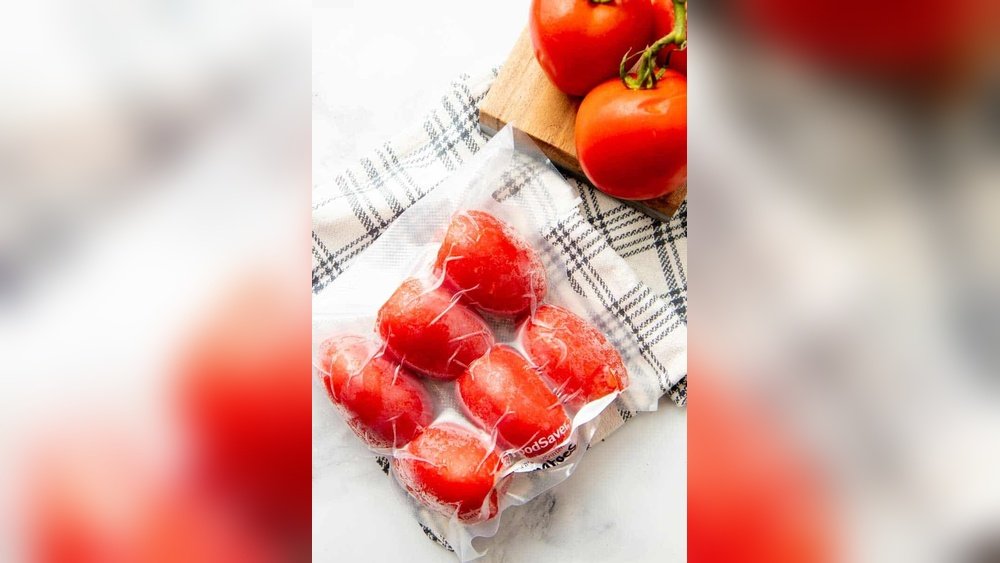
Vacuum sealing is one of the best ways to keep tomatoes fresh, flavorful, and safe for longer periods. Whether you grow your own tomatoes, buy in bulk during harvest season, or simply want to reduce food waste, learning how to vacuum seal tomatoes is a skill that pays off.
Tomatoes are delicate, juicy, and can spoil quickly if not stored properly. With vacuum sealing, you remove air, slow down spoilage, and protect the taste and texture. If you’re new to food preservation or want to improve your technique, this guide will walk you through everything you need to know about vacuum sealing tomatoes.
Why Vacuum Seal Tomatoes?
Tomatoes are over 90% water, which makes them especially prone to mold, bacteria, and freezer burn. Traditional storage methods like plastic bags or containers can’t remove enough air, leaving tomatoes vulnerable. Vacuum sealing changes this by creating an air-tight environment. Without oxygen, spoilage is dramatically slowed. This means:
- Longer shelf life: Tomatoes stay good for months in the freezer and weeks in the fridge.
- Preserved flavor and nutrients: Less exposure to air means less vitamin loss and richer taste.
- Space-saving storage: Vacuum-sealed bags take up less space than jars or bulky containers.
For busy cooks, gardeners, and families, vacuum sealing helps you enjoy summer tomatoes all year round.
Types Of Tomatoes And How They Respond To Vacuum Sealing
Not all tomatoes are the same. The type you choose affects how you should vacuum seal them and what results to expect.
| Type of Tomato | Best For | Vacuum Seal Method | Texture After Sealing |
|---|---|---|---|
| Roma/Plum | Sauces, pastes | Whole, chopped, pureed | Firm, holds shape |
| Cherry/Grape | Snacking, salads | Whole or halved | Juicy, slight softening |
| Beefsteak | Slicing, sandwiches | Sliced or chopped | Soft, best for cooked dishes |
| Heirloom | Fresh eating, salsas | Sliced or diced | Fragile, may soften more |
Non-obvious insight: Roma and plum tomatoes hold up best to freezing and vacuum sealing because of their lower water content and firmer flesh. Cherry tomatoes can be vacuum sealed whole, but they may become slightly mushy after thawing.
What You Need For Vacuum Sealing Tomatoes
Having the right tools and materials is key for successful vacuum sealing. Here’s a quick checklist:
- Vacuum sealer machine: There are two main types—external (edge) sealers and chamber sealers.
- Vacuum sealer bags or rolls: Must be compatible with your sealer and freezer-safe.
- Sharp knife and cutting board: For prepping tomatoes.
- Blanching pot (optional): For removing skins if desired.
- Ice water bath: To quickly cool blanched tomatoes.
- Paper towels or clean cloth: For drying tomatoes.
- Marker and labels: For dating and identifying bags.
Practical tip: Always use quality vacuum bags made for freezing. Cheap or thin bags can leak air, causing freezer burn.
Preparing Tomatoes For Vacuum Sealing
Proper preparation affects both safety and quality. Follow these steps to get your tomatoes ready:
1. Washing And Sorting
Rinse tomatoes under cool running water. Remove any dirt, stems, or leaves. Discard tomatoes with bruises, cracks, or mold—these can spoil the whole batch.
2. Removing Skins (optional But Recommended)
Some people prefer to peel tomatoes before vacuum sealing, especially for sauces. Skins can be tough and may separate during freezing.
- To peel: Cut a small “X” at the bottom of each tomato. Blanch in boiling water for 30-60 seconds, then transfer immediately to an ice water bath. The skins will slip off easily.
3. Cutting And Seeding
Decide how you want to use the tomatoes later. You can seal them whole (small varieties), chopped, sliced, or pureed. Remove seeds if you prefer a smoother texture.
4. Draining Excess Juice
Spread cut tomatoes on paper towels to absorb extra moisture. Too much juice can interfere with the vacuum sealing process and cause leaks.
Non-obvious insight: Removing excess liquid not only helps with sealing but also prevents “ice crystals” which can change texture after thawing.
Step-by-step: How To Vacuum Seal Tomatoes
Now that your tomatoes are prepped, here’s how to vacuum seal them safely and efficiently.
1. Pre-freeze (strongly Recommended For Chopped Or Juicy Tomatoes)
This step isn’t mandatory, but it makes vacuum sealing much easier—especially for cut or juicy tomatoes.
- Arrange tomatoes in a single layer on a baking sheet lined with parchment paper.
- Place the tray in the freezer for 1-2 hours until the tomatoes are firm but not frozen solid.
Why pre-freeze? This keeps the tomatoes from getting crushed by the vacuum pressure and prevents juice from getting sucked into the machine.
2. Fill Vacuum Bags
- Place the desired amount of tomatoes into a vacuum bag, leaving at least 2 inches at the top for sealing.
- Do not overfill. Flat, single layers work best for even freezing and easier thawing.
3. Seal The Bag
- Insert the open end of the bag into the vacuum sealer.
- Make sure the edge is clean and dry—moisture can prevent a tight seal.
- Start the vacuum and seal process according to your machine’s instructions.
- Check for a strong, wrinkle-free seal.
4. Label And Store
- Use a permanent marker to write the date and type of tomato on each bag.
- Place bags in the coldest part of your freezer for long-term storage, or in the refrigerator if you plan to use within a week.
Straight-to-the-point tip: If you see air bubbles or juice leaking into the seal area, stop and wipe the bag, then reseal. A good seal is critical for freshness.
Vacuum Sealing Whole Vs. Cut Vs. Cooked Tomatoes
How you seal tomatoes depends on how you plan to use them later.
| Form | Prep Needed | Best Use After Sealing | Storage Time (Freezer) |
|---|---|---|---|
| Whole (peeled or unpeeled) | Wash, dry, optional peel | Stews, roasting, sauces | 8-12 months |
| Chopped/Sliced | Wash, dry, chop | Salsas, soups, quick meals | 8-10 months |
| Pureed | Wash, dry, blend | Pasta sauce, pizza sauce | 6-8 months |
| Cooked (e.g., sauce) | Cook, cool completely | Ready-to-eat meals | Up to 12 months |
Experience-based guide: If you want maximum flexibility, seal some tomatoes whole for cooking, and some chopped for quick recipes. Purees work well but need extra care to avoid sucking liquid into the machine.
Freezing And Thawing Vacuum Sealed Tomatoes
Proper freezing and thawing are just as important as sealing.
Freezing
- Place sealed bags flat in a single layer in your freezer until solid. This helps them freeze quickly and evenly.
- Once frozen, you can stack bags to save space.
Thawing
- Move the bag to the refrigerator 12-24 hours before you need the tomatoes.
- For faster thawing, place the sealed bag in cool water. Do not use hot water—it can damage the seal and texture.
Important: Once thawed, tomatoes will be softer and best for cooked dishes, not for salads. This is a natural result of freezing and is not a sign of spoilage.
Safety Tips And Common Mistakes
Vacuum sealing is safe if done correctly, but there are some pitfalls to avoid:
- Do not vacuum seal hot tomatoes. Let cooked or blanched tomatoes cool completely before sealing. Hot food can cause condensation, leading to bacteria growth.
- Avoid sealing damaged or moldy tomatoes. Spoilage spreads quickly, even in a vacuum.
- Never reuse vacuum bags. Old bags may not seal properly or could have bacteria.
- Leave enough headspace. Bags need room to seal tightly.
- Check seals after freezing. Occasionally, a seal can break due to expansion. Reseal if you see air inside.
Non-obvious insight: Always pre-chill cooked tomato sauces in the refrigerator before vacuum sealing. This prevents steam and moisture inside the bag, which can ruin the seal and reduce shelf life.

Credit: www.youtube.com
Best Practices For Long-term Storage
If you plan to keep tomatoes for many months, use these best practices:
- Store bags in the back or bottom of your freezer where the temperature is most stable.
- Avoid opening the freezer often—temperature swings can affect quality.
- Use the oldest bags first (“first in, first out” method).
Friendly mentor tip: Keep a simple freezer inventory on your phone or a whiteboard. List what you have and the date. It’s easy to forget what’s in the freezer months later.
Vacuum Sealing Tomatoes Without A Machine
A vacuum sealer machine is best, but if you don’t have one, there are alternatives:
Water Displacement (manual Method)
- Place tomatoes in a zip-top freezer bag.
- Seal almost all the way, leaving a small opening.
- Lower the bag slowly into a pot of water. The water pressure pushes air out.
- Seal the bag fully and dry it off.
This method is not as air-tight as a real vacuum sealer, but it works in a pinch.
Hand Pump Sealers
Some storage systems come with a hand pump that removes air. These are cheap and work well for small batches.
Straight-to-the-point advice: For long-term storage or large quantities, invest in a quality machine. Manual methods are best for short-term use or when you’re just starting out.
Comparing Vacuum Sealers For Tomatoes
Choosing the right vacuum sealer can make a big difference in your results. Here’s a look at key features:
| Feature | External (Edge) Sealer | Chamber Sealer |
|---|---|---|
| Best for | Home use, small batches | Large batches, liquids, sauces |
| Bag Type | Textured/embossed bags | Smooth bags |
| Handles Liquids Well? | No (can suck up juices) | Yes (no liquid pulled in) |
| Cost | Low to moderate | High |
| Speed | Slower | Faster for bulk |
Calm expert’s advice: If you plan to seal a lot of tomato sauce or other liquids, consider a chamber sealer. For most home cooks, an external sealer is enough and much cheaper.
Creative Ways To Use Vacuum Sealed Tomatoes
Once you have a stash of vacuum-sealed tomatoes, there are many ways to enjoy them:
- Quick pasta sauces: Thaw, heat, and season for a fast meal.
- Soups and stews: Add chopped tomatoes directly to the pot.
- Homemade salsa: Thaw diced tomatoes and mix with onions, peppers, and cilantro.
- Pizza toppings: Use pureed tomatoes as a base for homemade pizza.
- Roasting: Roast whole frozen tomatoes for a deep, sweet flavor.
Vacuum-sealed tomatoes are a great base for winter recipes when fresh tomatoes are expensive and bland.
Common Questions About Quality And Texture
People often worry about how vacuum-sealed tomatoes will taste and feel after freezing. Here’s what to expect:
- Texture changes: Tomatoes become softer and more watery after thawing. This is normal and unavoidable.
- Best for cooked dishes: Use thawed tomatoes in recipes that cook them, like soups, sauces, or casseroles.
- Raw use: If you want tomatoes for salads, vacuum sealing and freezing are not ideal. Use fresh or refrigerate instead.
Practical insight: If you want a firmer texture for salsas, try draining thawed tomatoes before using. This removes excess water.
How Vacuum Sealing Tomatoes Saves Money And Reduces Waste
Vacuum sealing isn’t just about convenience—it can help your household save money and reduce food waste.
- Buy in bulk: Purchase tomatoes when they are cheapest and in-season, then vacuum seal for year-round use.
- Reduce spoilage: Tomatoes last much longer, so you throw out less food.
- Preserve garden harvests: Enjoy the taste of your own tomatoes even in winter.
According to the USDA, Americans waste about 30-40% of their food each year. Vacuum sealing is a simple way to keep more food out of the trash and more money in your pocket.

Credit: localllano.wordpress.com
When Not To Vacuum Seal Tomatoes
Vacuum sealing is not always the best choice. Here are some situations when you should avoid it:
- If you want crisp, raw tomatoes for salads: Freezing and vacuum sealing will make them soft.
- If tomatoes are already moldy or spoiled: Vacuum sealing won’t make bad tomatoes safe.
- If you plan to can tomatoes: Follow proper canning methods instead.
Important: Use common sense. If you see or smell signs of spoilage after thawing, discard the tomatoes.
Cleaning And Maintaining Your Vacuum Sealer
To keep your vacuum sealer working well for years, clean it after every use.
- Wipe the seal area with a damp cloth to remove juice or residue.
- Empty the drip tray if your machine has one.
- Do not immerse the machine in water.
- Check the seal bar for wear and replace parts as needed.
A clean machine makes better seals and lasts longer.
Troubleshooting Vacuum Sealing Problems
Sometimes things go wrong. Here are solutions to common problems:
- Bag won’t seal? Make sure the edge is dry and free of seeds or juice.
- Juice in the seal? Pre-freeze tomatoes or use the “moist” setting if your machine has one.
- Seal breaks after freezing? Use thicker bags, and check your freezer temperature.
- Bags puff up in the freezer? This can mean bacteria are growing. Discard the bag.
Experience-based tip: Practice with a few bags before doing a large batch. Each machine is a bit different.
Nutritional Value Of Vacuum Sealed Tomatoes
Tomatoes are rich in vitamin C, potassium, folate, and lycopene (a powerful antioxidant). Vacuum sealing and freezing preserve most of these nutrients. While some vitamin C is lost during blanching or freezing, lycopene (which gives tomatoes their red color) is stable and even becomes more available when tomatoes are cooked.
Fun fact: Cooked and vacuum-sealed tomatoes can actually be healthier for your heart due to increased lycopene absorption.

Credit: chive.com
Where To Learn More
If you want to learn more about food preservation, safety, or choosing the right equipment, the National Center for Home Food Preservation offers reliable, research-based information. Visit their site at National Center for Home Food Preservation.
Frequently Asked Questions
How Long Can I Keep Vacuum Sealed Tomatoes In The Freezer?
Vacuum sealed tomatoes can last 8-12 months in a deep freezer without losing much flavor or nutritional value. For best taste, try to use them within a year.
Do I Need To Blanch Tomatoes Before Vacuum Sealing?
Blanching is optional. It helps remove skins and can improve texture, but you can vacuum seal raw tomatoes if you prefer. Blanching is recommended if you dislike tomato skins in your recipes.
Can I Vacuum Seal Tomato Sauce Or Puree?
Yes, you can vacuum seal cooked or pureed tomatoes. Cool the sauce completely before sealing. For large amounts or liquids, a chamber sealer works best to prevent spills.
Is It Safe To Vacuum Seal Tomatoes With Garlic Or Onions?
It’s safe to combine tomatoes with garlic or onions for freezing, but not for shelf storage. For safety, do not vacuum seal these mixtures for room temperature storage, as bacteria can grow in low-acid foods.
What Should I Do If My Vacuum Sealed Bag Leaks In The Freezer?
If you see air or ice crystals inside the bag, the seal may have broken. Remove the tomatoes, check for spoilage, and reseal with a new bag if the tomatoes are still good. Always check for a tight seal before storing.
Vacuum sealing tomatoes is a simple skill that can make your kitchen more efficient and your meals tastier. With these steps and tips, you can enjoy fresh tomato flavor all year—without waste or worry.