
A sharp filet knife can turn a tricky job into a smooth, satisfying experience. Whether you love fishing, enjoy preparing your own meals, or just want to keep your kitchen tools in top shape, knowing how to sharpen a filet knife is a skill that pays off every time you slice.
Many people find their filet knives quickly dull and struggle to restore their original sharpness. In reality, a little practice and the right method can keep your knife slicing smoothly for years.
This guide will walk you through every step, from understanding why sharpness matters to picking the right tools, mastering sharpening techniques, and avoiding common mistakes. Even if you’ve never sharpened a knife before, you’ll learn how to get your filet knife razor-sharp, maintain its edge, and work safely.
Let’s dive into the art and science of sharpening a filet knife.
Why A Sharp Filet Knife Matters
A filet knife is designed for precision. Its thin, flexible blade allows you to separate skin from meat, remove bones, and create perfect fillets with minimal waste. When dull, the blade tears instead of slicing, making your work harder and less safe. Dull knives slip more easily, increasing the chance of injury.
A sharp filet knife:
- Reduces effort and hand fatigue
- Gives cleaner cuts for better presentation and taste
- Improves safety by preventing slips
- Preserves more meat and reduces waste
Many beginners overlook the importance of frequent sharpening, thinking a knife lasts long between maintenance. In reality, even high-quality knives can lose their edge quickly if used on bones or thick fish skin.
Understanding Your Filet Knife
Not all filet knives are created equal. Before you sharpen, it helps to know your knife’s materials, blade shape, and intended use.
Blade Materials
Most filet knives use stainless steel or high-carbon steel. Stainless steel resists rust but may lose its edge faster, while high-carbon steel stays sharp longer but needs more care to prevent rust.
Flexibility And Length
Filet knives come in different lengths, usually from 6 to 9 inches. The blade is thin and flexible, allowing you to follow the contours of fish or meat easily. Too much force or sharpening at the wrong angle can damage this delicate blade.
Edge Types
Most filet knives have a straight edge. Some may have a slight curve or a micro-serrated section near the handle. The sharpening method is slightly different for each, but the goal is always a razor-sharp, smooth edge.
Common Sharpening Tools Compared
Choosing the right tool is the first step toward effective sharpening. Each method has pros and cons depending on your experience, budget, and the results you want.
| Sharpening Tool | Ease of Use | Control | Cost | Best For |
|---|---|---|---|---|
| Whetstone (Sharpening Stone) | Moderate | High | Low to Medium | Experienced users, precise edges |
| Ceramic Rod | Easy | Medium | Low | Quick touch-ups |
| Manual Pull-Through Sharpener | Very Easy | Low | Low | Beginners, fast sharpening |
| Electric Sharpener | Very Easy | Low | Medium to High | Frequent users, speed |
| Sharpening Steel (Honing Rod) | Easy | Medium | Low | Edge alignment, not true sharpening |
Most professionals prefer a whetstone for filet knives because it gives you complete control and a very sharp edge. For quick touch-ups, a ceramic rod or honing steel works well. Pull-through and electric sharpeners are fast but can remove too much metal if used incorrectly.
Preparing Your Knife And Workspace
Before you start sharpening, set up for safety and effectiveness:
- Clean the Knife: Wash and dry the blade to remove any food, oil, or debris. This prevents contamination and helps you see the edge clearly.
- Secure Your Tools: Place your sharpening stone on a non-slip mat or use a damp towel underneath. This stops the stone from moving.
- Good Lighting: Make sure your workspace is well-lit so you can see the edge and the sharpening angle.
- Plan for Safety: Keep your fingers away from the blade’s edge, and always move the knife away from your body.
Many people skip cleaning, which can clog sharpening stones and make the process much less effective.
Credit: www.aftco.com
Whetstone Sharpening: The Gold Standard
Sharpening a filet knife with a whetstone gives the best results. It takes practice, but the control and finish are worth it.
What You Need
- Whetstone (dual-grit recommended, e.g., 1000/6000 grit)
- Water (for soaking the stone and keeping it wet)
- Towel (for stability)
- Optional: Angle guide (helps maintain the right sharpening angle)
Steps To Sharpen A Filet Knife With A Whetstone
- Soak the Stone
- Place the whetstone in water for 10–15 minutes. This helps create a slurry that sharpens the blade.
- Set the Angle
- Filet knives are usually sharpened at a 15-degree angle. If unsure, use an angle guide.
- Sharpen One Side
- Hold the knife at the correct angle.
- Starting near the handle, sweep the blade across the stone from heel to tip, moving away from your body.
- Apply gentle, even pressure.
- Repeat 10–15 times.
- Switch Sides
- Flip the knife and repeat the process on the other side, keeping the angle consistent.
- Refine the Edge
- Use the finer side of your stone (e.g., 6000 grit) to polish the edge. Repeat the same motions, using lighter pressure.
- Clean and Test
- Rinse the blade and dry it carefully.
- Test the edge by slicing through a piece of paper or gently running your thumb across (not along) the edge.
Practical Tips
- Keep the stone wet during sharpening. Dry stones can scratch or damage the blade.
- Consistent angle is more important than pressure.
- Don’t rush. Slow, steady passes create a better edge.
Many beginners press too hard, which can wear out the blade quickly and produce an uneven edge.
Using A Ceramic Rod Or Sharpening Steel
A ceramic rod or sharpening steel is best for maintaining a sharp edge, not creating one from a dull blade. These tools realign the microscopic teeth along the edge, making the knife feel sharper between major sharpenings.
How To Use A Ceramic Rod Or Steel
- Hold the rod vertically with the tip on a towel or cutting board.
- Place the knife heel against the top of the rod at a 15-degree angle.
- Draw the blade down and across the rod, moving from heel to tip.
- Repeat on the other side.
- Alternate sides for 5–10 strokes each.
This method should be used every few uses to keep the knife sharp. Don’t rely on it to fix a very dull blade.

Credit: www.aftco.com
Manual Pull-through And Electric Sharpeners
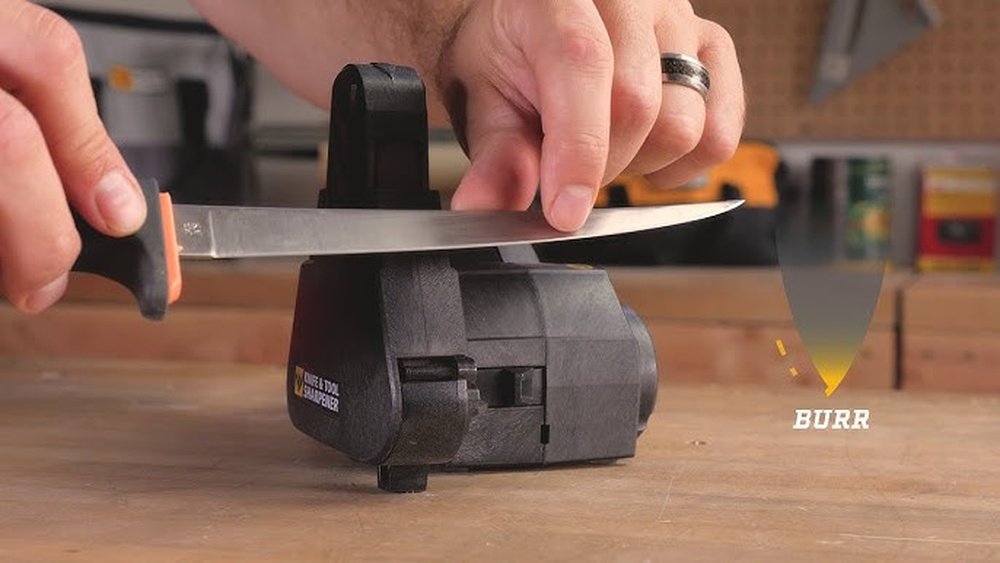
These tools are fast and simple but require caution. They work by dragging the blade through preset abrasive slots.
Using A Manual Pull-through Sharpener
- Place the sharpener on a stable surface.
- Insert the blade into the coarse slot at the heel.
- Pull the knife through with gentle pressure, following the slot’s angle.
- Repeat 3–5 times, then use the fine slot for 2–3 passes to polish.
Using An Electric Sharpener
- Turn on the sharpener.
- Insert the blade into the first slot and gently pull it through.
- Repeat as directed, usually 2–3 passes per slot.
Note: These tools remove metal quickly. Overuse can shorten the knife’s life, and preset angles may not match your filet knife’s edge.
Honing Vs. Sharpening: What’s The Difference?
Many people confuse honing with sharpening. Honing realigns the edge, while sharpening removes metal to create a new edge.
| Action | Purpose | How Often | Tools Used |
|---|---|---|---|
| Honing | Realign edge | Every use or after heavy work | Honing steel, ceramic rod |
| Sharpening | Remove metal, restore edge | When dull (few times/year) | Whetstone, pull-through, electric sharpener |
For the best performance, hone your knife regularly and sharpen only when the edge no longer responds to honing.
How To Test Your Knife’s Sharpness
Not sure if your knife is sharp enough? Try these simple tests:
- Paper Test: Hold a piece of paper upright and try slicing down. A sharp knife will cut cleanly with no tearing.
- Tomato Test: Try slicing a ripe tomato. If the knife glides through the skin easily, it’s sharp.
- Light Reflection: Hold the knife under a light. A dull edge will reflect light, while a sharp edge will not.
- Fingernail Test: Gently place the edge on your thumbnail at a slight angle. If it bites in and doesn’t slide, it’s sharp.
Always test carefully to avoid injury.
How Often Should You Sharpen A Filet Knife?
How often you need to sharpen depends on usage, but these are good guidelines:
- Frequent use (every week): Sharpen every 2–4 weeks, hone after each use.
- Occasional use (monthly): Sharpen every 2–3 months, hone before each use.
- Rare use (few times/year): Sharpen before big projects, hone as needed.
Remember, over-sharpening removes metal and shortens the life of your knife. Honing is usually enough for maintenance.
Common Mistakes To Avoid
Sharpening a filet knife seems simple, but many people make mistakes that can damage the blade or give poor results.
- Wrong Angle: Sharpening at the wrong angle (too steep or too shallow) can make the blade dull or brittle.
- Too Much Pressure: Pressing hard removes too much metal and can chip the thin blade.
- Skipping Grits: Jumping from a coarse to a very fine grit skips steps and leaves a rough edge.
- Dry Stone: Using a whetstone without water causes scratches and uneven sharpening.
- Improper Cleaning: Not cleaning the knife before or after sharpening can transfer metal filings to food.
- Rushing the Process: Fast, careless strokes create inconsistent edges and can lead to accidents.
- Ignoring Maintenance: Waiting until the knife is very dull makes sharpening harder and less effective.
A surprising mistake is using a kitchen knife sharpener on a filet knife—most are designed for thicker blades and can ruin the edge.
Step-by-step Example: Sharpening A Filet Knife After Filleting Fish
Imagine you’ve just finished filleting several fish, and your knife feels less sharp. Here’s how you can quickly restore its edge using a ceramic rod:
- Wipe the Blade: Remove any fish oils or residue.
- Hold the Rod Vertically: Place the tip on a towel.
- Set the Angle: 15 degrees between blade and rod.
- Stroke the Blade: Draw the knife from heel to tip, alternating sides.
- Repeat: Do 6–8 strokes per side.
- Test Sharpness: Try slicing a piece of paper or tomato.
If the blade still feels dull, move to a whetstone for a full sharpening session.
Sharpening Curved Or Flexible Filet Knives
Some filet knives have a pronounced curve or extra flexibility. Here are special considerations:
- Curve: Adjust your wrist to follow the blade’s curve on the stone, so the entire edge is sharpened.
- Flexibility: Use lighter pressure, as the blade may flex under force. Let the stone do the work.
- Edge Consistency: Check for sharpness along the whole blade, not just the middle.
Missing the tip or heel is a common error with curved blades.
Caring For Your Filet Knife After Sharpening
A well-sharpened knife needs proper care to stay that way:
- Clean Thoroughly: Wash and dry to remove any stone residue or metal filings.
- Oil the Blade: For high-carbon steel, use a little food-safe mineral oil to prevent rust.
- Store Safely: Use a sheath or knife block to protect the edge.
- Avoid the Dishwasher: Hand-wash only; dishwashers dull knives quickly.
Never toss a sharp filet knife in a drawer—it’s dangerous and will dull the edge.
Sharpening When Away From Home
If you’re fishing or camping, you may not have a full sharpening kit. Here’s what you can do:
- Pocket Sharpeners: Compact, with ceramic or carbide rods. Not as precise as whetstones but better than nothing.
- Flat River Stones: In a pinch, a smooth, flat river stone can help. Wet the stone and use slow, controlled strokes.
- Leather Strop: If you have leather (like a belt), you can strop the blade to realign the edge.
These emergency methods keep your knife serviceable until you can do a full sharpening at home.
Choosing The Best Sharpening Method For You
There’s no one-size-fits-all method. Consider:
- Skill Level: Beginners may prefer pull-through sharpeners or angle guides with a whetstone.
- Time Available: Quick touch-ups can be done with ceramic rods, but a full whetstone session is best for maximum sharpness.
- Knife Material: High-carbon blades benefit most from whetstone sharpening.
If you’re serious about cooking or fishing, learning to use a whetstone is a skill that will last a lifetime.
Professional Sharpening Services: When To Use Them
Sometimes, a knife is too dull, damaged, or valuable to risk DIY sharpening. Professional services use specialized equipment for perfect results.
- When to Consider: Heavily chipped, bent, or expensive knives.
- Cost: Usually $5–$15 per knife.
- Frequency: Once a year or as needed.
Ask your local fish market or kitchen store for recommendations. For more on professional sharpening, see this Wikipedia entry.
Knife Sharpening Safety: What You Must Know
Sharpening can be dangerous if not done carefully. Follow these rules:
- Keep Fingers Clear: Never place fingers in the path of the blade.
- Stable Surface: Always work on a steady surface to prevent slips.
- Go Slow: Rushing increases the risk of injury.
- Wear Cut-Resistant Gloves: Especially helpful for beginners.
Accidents often happen when people try to sharpen quickly or use too much force.
Sharpening Frequency: Data And Best Practices
How long a filet knife stays sharp depends on use, material, and cutting surface. Here’s a quick comparison:
| Knife Material | Average Edge Retention (Uses) | Sharpening Frequency |
|---|---|---|
| Stainless Steel | 15–25 | Monthly |
| High-Carbon Steel | 25–40 | Every 2–3 months |
| Ceramic Blade | 50–100 | Rarely, professional only |
Cutting on glass or stone dulls knives faster than using a wood or plastic cutting board.
Non-obvious Insights For Sharpening Success
- Start with a Loupe: Jewelers use a magnifying glass (loupe) to inspect knife edges. This lets you see micro-chips and imperfections invisible to the naked eye.
- Finish with a Strop: Stropping on leather after whetstone sharpening polishes the edge, making it sharper and longer-lasting.
- Alternate Sides: Especially for flexible blades, switching sides every stroke prevents uneven wear.
- Listen to the Sound: A consistent, smooth sound means even sharpening. Scratching or skipping sounds indicate mistakes.
Few beginners realize that proper edge inspection and stropping can double the time between major sharpenings.
Credit: www.youtube.com
Frequently Asked Questions
How Do I Know If My Filet Knife Is Sharp Enough?
If your knife slices a thin piece of paper or a ripe tomato easily, it’s sharp. A dull knife will squash or tear instead of cutting cleanly. You can also use the fingernail test: a sharp blade will “bite” into your nail without slipping.
What’s The Best Angle To Sharpen A Filet Knife?
Most filet knives are sharpened at a 15-degree angle per side. This gives a thin, razor-sharp edge perfect for filleting. Check your knife’s manual or the maker’s website for exact recommendations if you’re unsure.
Can I Use A Regular Kitchen Knife Sharpener On My Filet Knife?
Most kitchen knife sharpeners are designed for thicker blades and wider angles (20–22 degrees). Using them on a filet knife can damage the blade or create a dull, rounded edge. Use a whetstone, ceramic rod, or a sharpener with adjustable angles instead.
How Can I Avoid Damaging My Filet Knife When Sharpening?
Use gentle pressure, keep the sharpening angle consistent, and always clean the blade before and after sharpening. Never use a dry stone, and avoid aggressive electric sharpeners unless you’re sure they’re safe for filet knives.
Is It Safe To Sharpen A Filet Knife Myself, Or Should I Go To A Professional?
With practice and the right tools, most people can safely sharpen their own filet knives. Start slowly and watch instructional videos if needed. For expensive, high-end knives or blades with serious damage, a professional sharpener is a good choice.
A sharp filet knife is a joy to use and a valuable tool in any kitchen or tackle box. With the right knowledge and a little practice, you can keep your knife performing at its best for years to come.
Sharpen carefully, stay safe, and enjoy perfect fillets every time.