
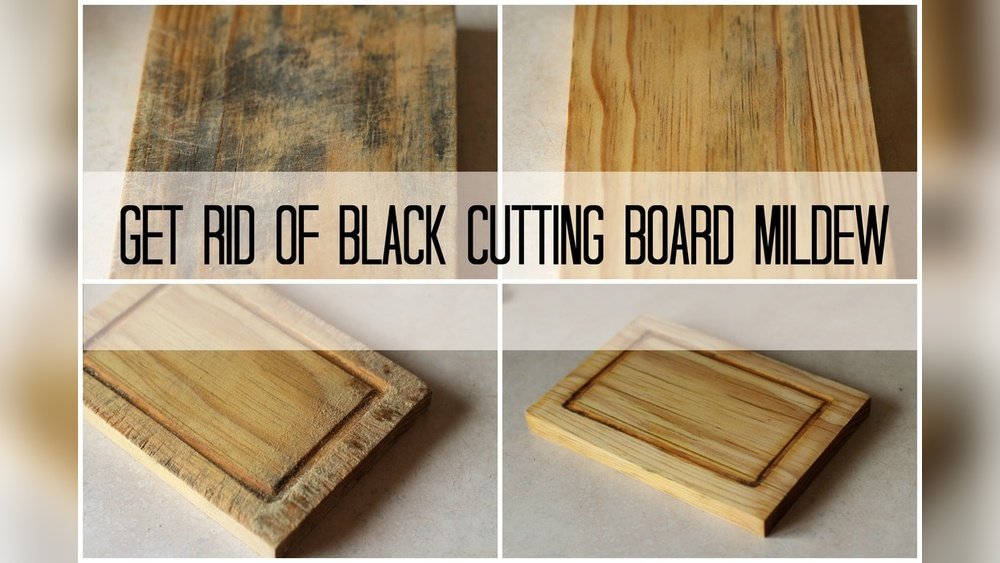
Mold on a cutting board is more than just an ugly stain. It’s a sign that tiny fungi are growing where you prepare food. If left untreated, these mold spores can transfer to your fruits, vegetables, or meat and cause health issues. Many people don’t realize how easy it is for mold to settle on a cutting board, especially in humid kitchens or after cutting moist foods. But the good news is: you can safely remove mold and keep your kitchen tools fresh and clean. This guide will show you step-by-step how to remove mold from a cutting board, prevent it from coming back, and help you understand why proper care is so important.
Why Mold Grows On Cutting Boards
Cutting boards are a prime spot for mold because they are often wet and have lots of tiny grooves from knife marks. Mold loves moisture and organic material, which is exactly what remains on a cutting board after you chop food.
Even if you rinse your board, small bits of food and water can get trapped, creating an ideal home for mold.
It’s important to know that wooden cutting boards are more likely to get mold than plastic or glass boards. Wood absorbs water and can hold it for hours, while plastic and glass are less porous. But any material can develop mold if not cleaned and dried properly.
Another factor is temperature and humidity in your kitchen. If you live in a place with a warm climate or cook often with boiling water, steam, or soups, the extra moisture in the air helps mold grow even faster. Sometimes, people leave boards lying flat on the counter, which slows drying and increases mold risk.
Mold spores are everywhere—in the air, on your hands, and even in dust—so any damp surface can become a breeding ground if not cared for.
Health Risks Of Mold On Cutting Boards
Many people don’t realize that mold spores on a cutting board can cause food poisoning, allergic reactions, or even respiratory problems. Some types of mold produce toxins called mycotoxins. These can make you sick even in small amounts. If you have kids, elderly people, or anyone with a weakened immune system at home, mold exposure is even more dangerous.
A study by the National Sanitation Foundation (NSF) found that kitchen items like cutting boards can have more bacteria and fungi than bathroom surfaces. Mold may not always be visible, especially if it’s growing in cracks, so it’s essential to clean your cutting boards often.
Some molds can cause minor symptoms like sneezing or a runny nose, but others may lead to more serious health issues, such as chronic coughing, asthma flare-ups, or even skin rashes if you touch the spores. People who are sensitive or allergic to mold might get sick after eating food that touched a moldy board, even if the mold wasn’t visible.
In rare cases, repeated exposure can contribute to long-term breathing problems, so it’s simply not worth the risk.
Identifying Mold On Cutting Boards
You may see black, green, or white patches on your board, but sometimes mold appears as a fuzzy or slimy layer. Some boards just develop a musty smell, even if you can’t see the mold. If your cutting board feels sticky, has a strong odor, or shows any discoloration, it’s time to act.
Mold can show up differently depending on what you cut on your board. For example, if you often cut fruits, you might see spots develop faster because sugar feeds mold. After chopping meat, the juices can seep into cracks, leading to hidden mold growth.
Even if you wipe the surface, the mold can still be inside the grooves.
Here’s a quick comparison of how mold can appear on different cutting board materials:
| Material | Common Mold Signs | Difficulty to Remove |
|---|---|---|
| Wood | Black/green spots, musty smell, fuzzy patches | High |
| Plastic | Black/gray spots, slimy feel | Medium |
| Glass | Gray film, sticky residue | Low |
| Bamboo | Dark streaks, earthy smell | Medium |
Sometimes, the signs are subtle—a slight change in color, or a board that always feels damp no matter how much you dry it. If you notice the board is harder to clean or food sticks to it more, it might be a sign that mold is hiding in the surface.
Essential Tools And Safety Tips
Before you start cleaning, gather the following items:
- Rubber gloves (protects your hands from mold and cleaners)
- Sponge or scrub brush
- Dish soap
- White vinegar
- Baking soda
- Hydrogen peroxide (3%)
- Lemon
- Salt
- Clean towels
- Spray bottle (optional)
- Sunlight or a fan (for drying)
Always work in a well-ventilated area. If you have asthma or allergies, wear a mask to avoid breathing in mold spores. Never mix cleaning chemicals like bleach and vinegar—they can create toxic fumes.
It’s also helpful to keep a separate scrub brush just for cutting boards to avoid spreading mold to other kitchen items. If you use a reusable towel, wash it in hot water after cleaning. For more sensitive households, using disposable paper towels can further lower the risk of spreading spores.
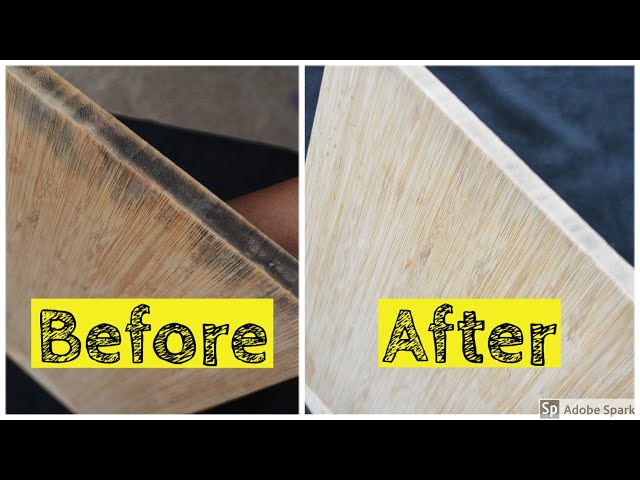
Credit: www.youtube.com
Step-by-step: How To Remove Mold From A Cutting Board
Let’s walk through how to remove mold, focusing on both wooden and plastic boards. The process is similar, but there are a few key differences.
1. Scrub Off Surface Mold
Start by rinsing your board with hot water. Put on gloves. Use a stiff brush or sponge with dish soap to scrub the surface. Focus on grooves and edges where mold likes to hide.
Tip: For wooden boards, scrub with the grain to avoid making new scratches.
Give extra attention to any visible stains. If your board is large, work in small sections so you don’t miss any spots. For boards with handles or grooves, scrub these areas carefully, as mold can hide there too.
2. Apply A Natural Cleaning Solution
You can use several safe, food-friendly cleaners:
White Vinegar
Pour undiluted white vinegar over the board or spray it on. Let it sit for 10 minutes. Vinegar kills about 82% of mold species and is safe for food surfaces.
For stubborn spots, soak a paper towel in vinegar and lay it on the area for 15–20 minutes, then scrub again.
Baking Soda Paste
Mix 2 tablespoons of baking soda with 1 tablespoon of water to form a paste. Spread this over moldy areas and scrub gently.
Baking soda also helps remove odors, so if your board smells musty, this step is very effective.
Lemon And Salt
Cut a lemon in half. Sprinkle salt on the board, then rub with the cut lemon. The acid in lemon kills mold and the salt acts as a mild abrasive.
You can let the juice sit for five minutes before rinsing for extra effect. Lemon also leaves your board smelling fresh.
3. Disinfect With Hydrogen Peroxide
Hydrogen peroxide (3%) is a powerful mold killer. Pour a small amount over the board and let it fizz for 5 minutes. Wipe off with a clean, damp cloth.
Warning: Hydrogen peroxide can lighten wood, so test on a small area first.
This step is especially good for boards that have been heavily used or haven’t been cleaned in a while. It’s important to rinse thoroughly, as leftover peroxide can cause a bitter taste if not removed.
4. Rinse And Dry Thoroughly
Rinse your cutting board with hot water. Wipe with a clean towel, then stand it upright to air dry. Sunlight is great for killing any leftover mold spores.
A common mistake is to put the board away while it’s still damp. Even a little moisture can cause mold to return.
If you live in a humid area, use a fan or a kitchen towel to speed up drying. For wooden boards, drying in sunlight for 1–2 hours is a simple way to keep them mold-free.
5. Treat Stubborn Mold
If mold remains after cleaning, repeat the process or let the board soak in a mixture of 1 part vinegar to 3 parts water for 30 minutes. For plastic boards, you can soak in a mild bleach solution (1 tablespoon of bleach per gallon of water), but rinse very well afterward.
Never soak wooden boards for too long—water can warp or crack them.
If you still see stains after these steps, it may be time to consider sanding (for wood) or replacing the board.
Deep Cleaning Methods For Tough Mold
Some mold is hard to remove, especially if it’s deep in the wood or plastic. Here are advanced techniques:
Sanding (wooden Boards Only)
If mold stains remain, sand the surface with fine-grit sandpaper (220-grit works well). Sand just enough to remove the top layer. Clean the dust, then oil the board with food-grade mineral oil.
Sanding works well for boards with deep knife marks. After sanding, wipe the board with a damp towel to pick up all dust, then let it dry completely before oiling.
Boiling Water (plastic Boards Only)
Pour boiling water over a plastic board to kill remaining spores. Be careful not to burn yourself. This method should not be used on wood, as it can cause splitting.
For thick plastic boards, you can pour boiling water on both sides, then let them dry upright. This is also a good way to sanitize after cutting raw meat.
Dishwasher (plastic And Glass Boards)
Plastic and glass boards can go in the dishwasher if they are labeled dishwasher-safe. The high heat kills most molds and bacteria. Wood and bamboo boards should never go in the dishwasher—they’ll warp and crack.
For best results, use the high-heat drying cycle. This not only kills germs but also helps dry the board completely.
Credit: www.reddit.com
How Often Should You Clean Your Cutting Board?
Daily cleaning is key. Rinse and scrub after each use, especially after cutting meat, fish, or dairy. Deep clean with vinegar or baking soda at least once a week, or more often if you use your board every day.
Here’s a quick cleaning frequency chart:
| Cleaning Method | How Often | Best For |
|---|---|---|
| Soap & Water | After every use | All boards |
| Vinegar/Baking Soda | Weekly | Wood, plastic, bamboo |
| Hydrogen Peroxide | Monthly or as needed | Wood, plastic |
| Dishwasher | As needed | Plastic, glass |
| Sanding | When mold is deep | Wood only |
If you use your board only for bread or dry foods, weekly deep cleaning may be enough. But if you prepare raw meat or seafood, deep clean more often to stay safe.
Preventing Mold On Cutting Boards
Removing mold is important, but prevention is even better. Here’s how to keep your cutting boards mold-free:
1. Dry Immediately
Always dry your board with a towel and stand it on its edge so air can reach all sides.
If possible, leave it in an area with good airflow or direct sunlight for the best results.
2. Store Properly
Keep boards in a dry, open place. Avoid stacking boards or putting them in closed cabinets while damp.
If you have several boards, use a rack so that air can circulate around each one. Avoid storing near a stove or kettle, which can add moisture to the air.
3. Oil Wooden Boards
Rubbing food-grade mineral oil into wooden boards once a month helps seal cracks where mold likes to grow.
This also keeps the wood from drying out and splitting. Never use vegetable or olive oil, as they can turn rancid and attract bacteria.
4. Use Separate Boards
Have one board for meat, another for vegetables, and another for bread. This reduces cross-contamination and makes cleaning easier.
Color-coded boards are a good way to remember which board is for what food group.
5. Replace When Needed
If your board is deeply cracked, warped, or smells bad after cleaning, it’s time for a new one. Mold can hide in cracks where you can’t reach.
Don’t wait for visible mold—when in doubt, replace the board to protect your health.
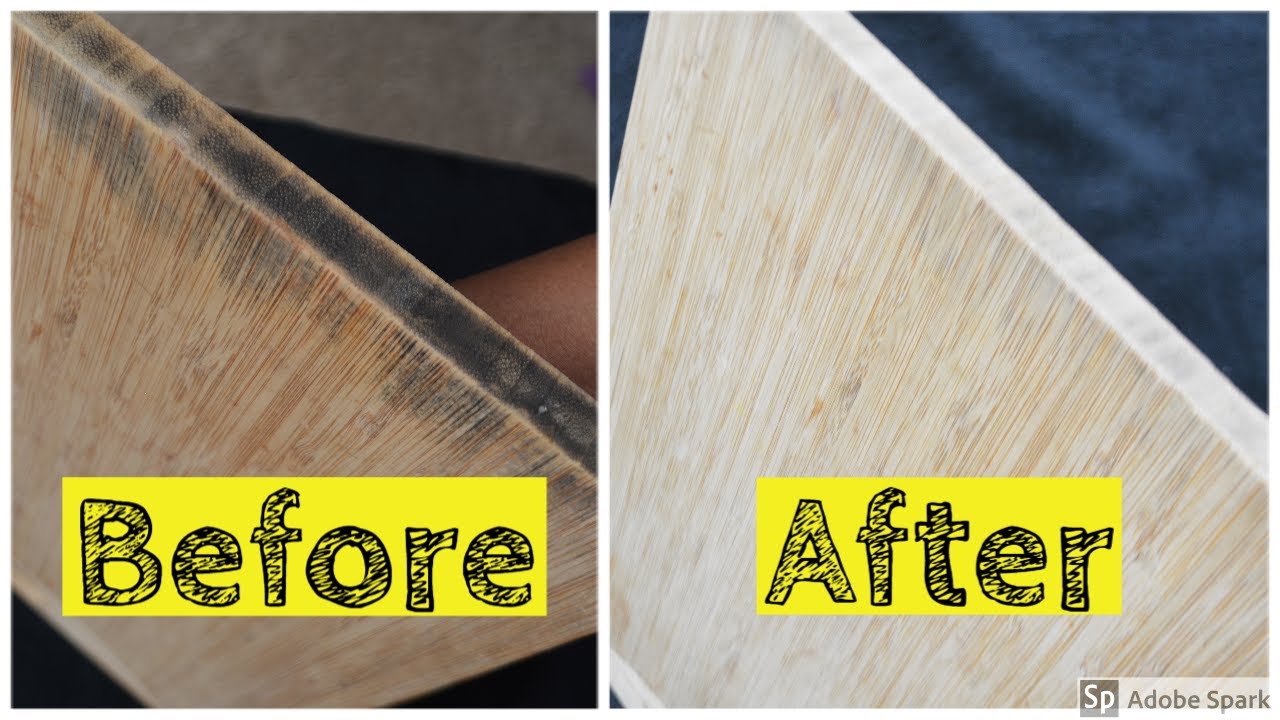
Credit: www.youtube.com
Best Cleaning Solutions: A Closer Look
Let’s compare common cleaning solutions for cutting boards, looking at their effectiveness, safety, and convenience.
| Cleaner | Effectiveness | Safe for Food? | Best for |
|---|---|---|---|
| White Vinegar | High | Yes | Wood, plastic, bamboo |
| Baking Soda | Medium | Yes | All boards |
| Lemon & Salt | Medium | Yes | Wood, bamboo |
| Hydrogen Peroxide | High | Yes (rinse well) | Wood, plastic |
| Bleach Solution | Very high | Yes (rinse well) | Plastic only |
| Dish Soap | Low | Yes | All boards |
A lot of people think bleach is the strongest cleaner, but for wooden boards, vinegar and hydrogen peroxide are safer and just as effective if used regularly. If you want a more natural kitchen, stick to vinegar, lemon, and baking soda.
How To Clean Different Types Of Cutting Boards
Different materials need different care. Here’s how to safely clean each type:
Wooden Cutting Boards
- Scrub with soap and water after each use.
- Disinfect with vinegar or hydrogen peroxide weekly.
- Never soak in water or put in dishwasher.
- Oil monthly to prevent cracks.
For extra stubborn stains, use a mix of baking soda and lemon juice, let it sit, then scrub. Always dry upright.
Plastic Cutting Boards
- Scrub with soap and water.
- Dishwasher-safe boards can be machine washed.
- For stubborn mold, soak in bleach solution, rinse well.
Plastic can get deep knife marks that hide mold, so check your board carefully after cleaning.
Bamboo Cutting Boards
- Treat like wood, but bamboo dries faster.
- Use vinegar or lemon for deep cleaning.
- Oil with bamboo-safe oil, not vegetable oil.
Bamboo is less porous than most woods but still needs to be dried quickly to avoid mold.
Glass Cutting Boards
- Easy to clean with soap and water.
- Dishwasher-safe.
- Less likely to develop mold, but still dry thoroughly.
Glass doesn’t get knife marks as easily, making it a good choice if you want a board that’s easy to keep mold-free.
When To Replace Your Cutting Board
Even the best cleaning can’t save a cutting board forever. If your board has deep grooves, cracks, or stains that don’t go away, it’s time to buy a new one. Mold can hide where you can’t reach.
A study by the US Department of Agriculture found that old, worn cutting boards can have 200% more bacteria and mold than new ones. If you notice a persistent musty smell, sticky feel, or mold keeps coming back, replacement is the safest option.
A good rule: if you’ve cleaned, sanded, and dried your board and it still doesn’t look, smell, or feel clean, don’t take risks—replace it.
Common Mistakes When Removing Mold
Many people make these errors when cleaning mold from a cutting board:
- Using too much water: Soaking wooden boards leads to warping and more mold.
- Skipping the drying step: Leaving a board damp is almost an invitation for mold to return.
- Using harsh chemicals: Bleach is effective but should only be used on plastic. Never use it on wood or bamboo.
- Ignoring small spots: Tiny mold patches can spread quickly. Clean at the first sign.
- Storing boards stacked or flat: This traps moisture and slows drying.
Some people also forget to clean both sides of the board. Even if you use only one side, moisture can travel through and allow mold to grow on the bottom.
Two Non-obvious Tips For Mold-free Boards
- Rotate your boards: Don’t always use the same side. Rotating gives each side time to dry out fully, lowering mold risk.
- Hang cutting boards: If you have space, hang boards on a hook or rack. Airflow around the whole board keeps it drier than storing flat.
Another tip: If you have multiple boards, rotate their use, so no single board stays wet for long periods, and each one gets a chance to fully dry.
Environmental Impact: Replacing Vs. Restoring Boards
Some worry about throwing out cutting boards too often. While it’s important to stay safe, you can sand and restore wooden boards several times before replacing them. Choose boards made from sustainable wood or recycled plastic to reduce waste. For more on safe kitchen practices, check out the advice from the Centers for Disease Control and Prevention.
If you must replace your board, consider recycling old plastic boards or repurposing wood boards for crafts or garden use. This way, you limit waste and make environmentally conscious choices.
Recommended Tools That You Need
To complete this repair or project safely and effectively, we analyzed the guide steps and selected the highest-rated physical tools and replacement parts available on Amazon.

Rubber Cleaning Gloves for Dishwashing, 4 Pairs Reusable Kitchen Gloves for Washing Dishes and Household Cleaning, Colorful Dish Gloves with Flocked Lining and Non-Slip Grip, Pefect for Woman Men - M
Protects your hands from mold and cleaners during the scrubbing process.

Rubber Kitchen Dishwashing Gloves - 4 Pairs Colorful Reusable Household Cleaning Gloves for Washing Dishes and Cleaning Tasks, Flexible Long-lasting and Non-Slip (Medium, Blue+Pink+Yellow+Red)
Protects your hands from mold and cleaners during the scrubbing process.
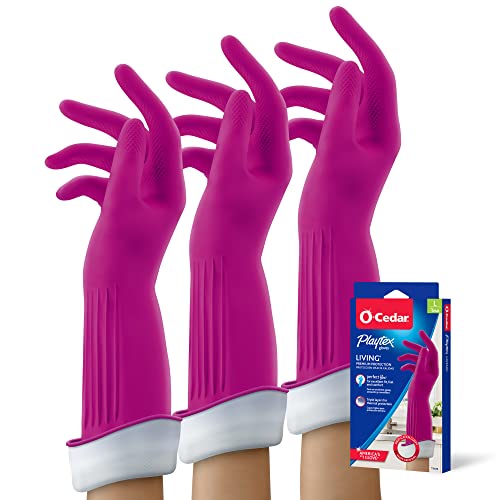
PLAYTEX Living Reusable Rubber Cleaning Gloves – Durable Household Gloves, Large, (Pack of 3)
Protects your hands from mold and cleaners during the scrubbing process.

Bamllum 4 Pairs Rubber Kitchen Dishwashing Gloves - Reusable Household Cleaning Gloves for Washing Dishes and Cleaning Tasks, Flexible Long-lasting and Non-Slip (Medium, Black)
Protects your hands from mold and cleaners during the scrubbing process.

Mr. Clean Large Reusable Latex Gloves, 2 Color, 2 Pairs
Protects your hands from mold and cleaners during the scrubbing process.

O-Cedar Playtex Gloves Living Reuseable Rubber Cleaning Gloves, Premium Protection, Size - Medium (1 Pair) - 4 Pack
Protects your hands from mold and cleaners during the scrubbing process.
Frequently Asked Questions
How Do I Know If Mold Is Still Present After Cleaning?
Check for any musty smell, discoloration, or fuzzy spots. Run your hand over the board—if it feels sticky or slimy after drying, mold may still be present. If you’re unsure, repeat cleaning and let the board dry in sunlight.
Can I Use Bleach On My Wooden Cutting Board To Kill Mold?
No, bleach can damage wood fibers and leave harmful residues. Use vinegar, hydrogen peroxide, or lemon for wood. Save bleach for plastic boards, and always rinse thoroughly.
Is Mold On A Cutting Board Dangerous To Health?
Yes, mold can cause allergic reactions, stomach issues, and even respiratory problems. Some molds produce toxins. It’s best to remove mold as soon as you see or smell it.
What Is The Safest Way To Clean A Moldy Cutting Board?
Scrub with soap and water, then apply vinegar or hydrogen peroxide. Rinse and dry thoroughly. For wooden boards, oil after cleaning. Never use harsh chemicals or soak wood for long periods.
How Can I Prevent Mold From Coming Back On My Cutting Board?
Dry your board right after washing, store it upright, oil wooden boards monthly, and clean deeply every week. Don’t cut food on a board that smells musty or looks stained—replace it if needed.
Keeping your cutting board mold-free is simple with the right habits. Regular cleaning, quick drying, and smart storage will keep your kitchen tools safe, last longer, and protect your family’s health. Remember: a clean cutting board is the heart of a healthy kitchen.