
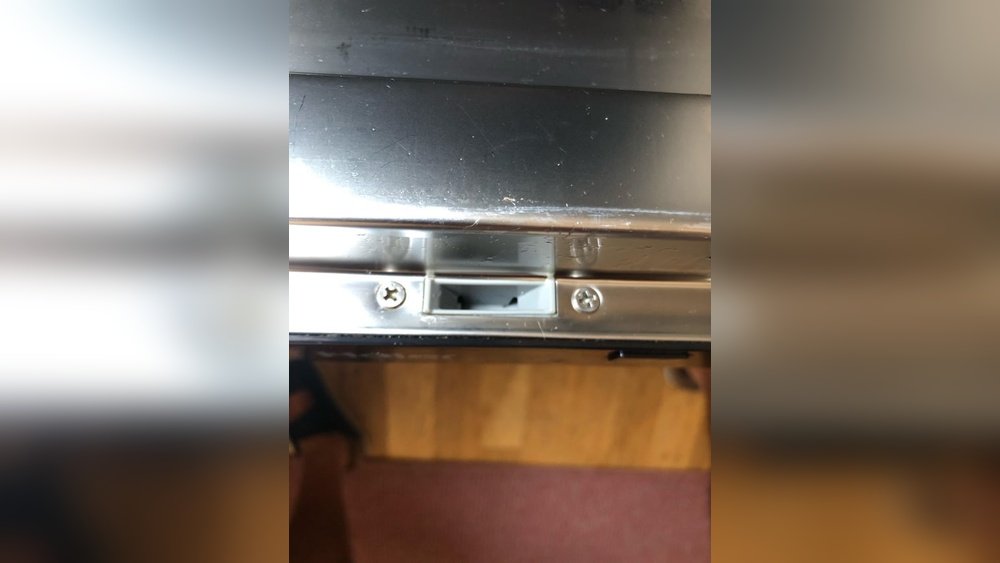
Roaches in your kitchen are bad enough, but finding them inside your dishwasher door feels even worse. You clean your plates, glasses, and utensils in that machine. If cockroaches have made a home inside, it’s not just gross—it could be a health risk for your family.
Many people struggle with this problem but don’t know how to fix it, or they try methods that only give short-term relief. The good news is, with the right steps, you can get rid of roaches in your dishwasher door and stop them from coming back.
In this guide, you’ll learn why roaches are attracted to dishwashers, how they get inside the door, and the most effective ways to remove them for good. You’ll also find out how to clean up safely, prevent future infestations, and avoid common mistakes that waste time and money.
Whether you’re dealing with a few stubborn bugs or a larger infestation, this article gives you the clear, step-by-step advice you need. Let’s get started so you can enjoy a clean, safe kitchen again.
Why Roaches Invade Dishwashers
Many people wonder why cockroaches would choose a dishwasher door. The answer is simple: food, water, and warmth. These three things make dishwashers perfect for roaches.
After you run a wash cycle, some water usually remains in the bottom of the dishwasher. Food particles often get stuck in filters, under the door, or in rubber gaskets. The heat from washing and drying cycles creates a cozy environment.
Roaches are nocturnal, so they look for dark, hidden spaces to live during the day. The inside of your dishwasher door is like a five-star hotel for them.
It’s not just dirty kitchens that attract roaches. Even tidy homes can have a problem if there’s a small leak, crumbs, or leftover moisture. Understanding this helps you see why fighting roaches in the dishwasher takes more than just spraying insecticide or cleaning the surface.
Signs Of Roaches In The Dishwasher Door
Roaches hide well, so you may not see them at first. Here are the main signs:
- Droppings: Look for small, dark specks that look like coffee grounds near the edges of the door or around the dishwasher.
- Egg casings: Roach eggs are tiny, brown, and oval. You might see them stuck under the door seal or in corners.
- Musty smell: A strong, unpleasant odor can mean roaches are nesting inside.
- Live roaches: Sometimes, you’ll actually spot them when you open the door, especially at night.
- Greasy streaks: Roaches leave behind oily marks as they move.
If you notice even one of these, there’s a good chance you have roaches inside the dishwasher door.
How Roaches Get Into The Dishwasher Door
Roaches are experts at squeezing into small spaces. Here’s how they get inside:
- Gaps in the door seal: Dishwasher doors have rubber gaskets that sometimes wear out or become loose.
- Vents and drainage holes: Roaches can climb up the drain hose from under your sink or enter through vent holes.
- Cracks in the casing: If the dishwasher is old or has been moved, small cracks can form where roaches can slip in.
- Loose panels or screws: Missing or loose parts on the back or sides give access to the hollow door.
Dishwasher doors are hollow and lined with insulation to keep heat in. Once roaches get inside, they nest there where it’s hard to reach.
Dangers Of Roaches In The Dishwasher
This is more than just an “ick” factor. Roaches are known to carry bacteria, including Salmonella and E. coli. When they crawl over your dishes, they can leave these germs behind. Roach droppings and shed skins can also trigger asthma and allergies, especially in children. If you see signs of roaches, it’s important to act quickly.

Credit: www.reddit.com
Step-by-step Guide: How To Get Roaches Out Of Dishwasher Door
Follow these steps carefully to get rid of the problem completely.
1. Unplug And Empty The Dishwasher
Safety comes first. Before you do anything, unplug the dishwasher from the power outlet. If you can’t reach the plug, turn off the breaker for that part of your kitchen.
Remove all dishes, racks, and utensil holders. This gives you space to work and keeps your items clean.
2. Prepare The Area
Roaches can run fast. Clear the area around the dishwasher so you can spot any escaping bugs. Lay down old towels or newspapers to catch anything that falls out.
Get a flashlight, gloves, screwdriver, and a bucket with warm, soapy water. You’ll also want a trash bag nearby for any debris.
3. Remove The Dishwasher Door Panel
This is the step most people miss, but it’s crucial. Roaches often hide inside the hollow door, not just in the wash area.
- Open the dishwasher door fully.
- Use the screwdriver to remove the screws along the inner edge of the door (usually 6 to 12 screws).
- Carefully lift off the front panel. Some models may have wires attached to the control panel, so go slowly and don’t pull too hard.
If you’re unsure, check your dishwasher’s manual for instructions on removing the door panel. You can usually find a PDF version on the manufacturer’s website.
4. Inspect And Clean The Inside Of The Door
Now you’ll see the insulation and any roach nests. With gloves on, remove any visible roaches, eggs, and droppings. Use a vacuum with a hose attachment to suck up debris. Dispose of the vacuum bag or contents immediately outside your home.
Wipe down all surfaces with warm, soapy water. For stubborn stains or smells, use a mixture of equal parts white vinegar and water. Don’t soak the insulation—just clean the hard surfaces.
Non-obvious tip: If you see a lot of roach eggs, take a picture to show a pest control expert. This helps them identify the species, which can change how you treat the problem.
5. Clean And Sanitize The Dishwasher Interior
Roaches leave germs behind, even if you can’t see them. Put the racks and utensil holders back in. Run a hot wash cycle with no dishes, using one cup of white vinegar in a dishwasher-safe bowl on the top rack.
Vinegar helps kill bacteria and odors.
For extra cleaning, sprinkle one cup of baking soda on the bottom and run another short cycle. This removes any lingering smells.
6. Fix Entry Points
Check the rubber door gasket for damage. If it’s cracked or loose, replace it. These are easy to order online or at appliance stores.
Examine the vent, drainage hose, and any other holes. Seal cracks with food-safe silicone caulk. Tighten any loose screws or panels.
Pro insight: Many people skip replacing the gasket because it looks “good enough.” Even small gaps can let roaches in. Don’t take chances—replace it if you have any doubts.
7. Use Roach Baits, Not Sprays
It’s tempting to spray insecticide, but this can contaminate your dishwasher and is unsafe for food surfaces. Instead, use roach gel baits or bait stations. Place these near, but not inside, the dishwasher—under the sink, behind the machine, or along the wall.
Roaches eat the bait and carry poison back to their nest, killing more of the colony.
8. Deep Clean The Kitchen
Roaches rarely live only in the dishwasher. Clean under the sink, behind appliances, and inside cabinets. Take out the trash often and wipe up crumbs and spills right away.
Helpful comparison: See how different cleaning methods stack up for killing germs and removing food particles.
| Cleaning Method | Germ Removal | Food Particle Removal | Roach Deterrence |
|---|---|---|---|
| Soapy Water | Good | Excellent | Moderate |
| Vinegar Cycle | Excellent | Good | Good |
| Baking Soda | Moderate | Excellent | Good |
| Bleach Solution | Excellent | Good | Excellent |
Use the combination of soapy water, vinegar, and baking soda for best results. Avoid bleach inside the dishwasher unless the manual says it’s safe.
9. Monitor And Repeat As Needed
After cleaning and baiting, check the dishwasher every few days. If you still see roaches after two weeks, you may have a bigger infestation in your kitchen walls or under the floor.
Don’t ignore recurring problems—call a pest control professional if roaches keep coming back.
Preventing Roaches From Returning
Once you get rid of roaches, you want to keep them out for good. Prevention is easier than dealing with another infestation.
Seal Entry Points
Look for cracks around windows, doors, and plumbing under the sink. Seal with caulk or weatherstripping. Check the dishwasher’s drain and vent connections for gaps.
Control Moisture
Roaches need water to survive. Wipe up puddles, fix leaks, and empty the dishwasher after each use. Leave the door open a crack to let it dry out.
Non-obvious tip: Don’t forget to check under your refrigerator and near trash cans for leaks or spills.
Store Food Properly
Keep all food in sealed containers, including pet food. Clean up crumbs and spills right away. Take out the trash often.
Regular Dishwasher Maintenance
Clean the filter, door gasket, and spray arms monthly. Run a vinegar cycle at least once a month. This keeps the dishwasher fresh and less attractive to pests.
Maintenance comparison:
| Task | Frequency | Time Needed | Impact on Roach Prevention |
|---|---|---|---|
| Clean Filter | Monthly | 10 min | High |
| Wipe Door Gasket | Monthly | 5 min | High |
| Run Vinegar Cycle | Monthly | 2 hours | Medium |
| Check for Leaks | Quarterly | 10 min | High |
Monitor With Sticky Traps
Place sticky traps under the dishwasher and near other appliances. These won’t remove all roaches but will show if new ones appear.
Professional Pest Control
If you live in an apartment building or have recurring problems, schedule a yearly pest inspection. Roaches can move between units through shared walls and plumbing.

Credit: www.reddit.com
Common Mistakes To Avoid
Many homeowners try to solve roach problems but end up making things worse. Here’s what not to do:
- Spraying inside the dishwasher: Most insecticides are unsafe for food-contact surfaces and won’t reach hidden nests.
- Ignoring small leaks: Even tiny drips under the sink or dishwasher can attract roaches.
- Skipping the door panel: Cleaning only the inside wash area misses the real hiding spot.
- Using homemade traps in the dishwasher: DIY traps with boric acid or baking soda can damage parts and are unsafe if left inside.
- Leaving food scraps overnight: Roaches eat almost anything, so clear plates and run the dishwasher daily.
When To Call A Professional
Sometimes, the problem is too big to handle alone. Call an expert if:
- Roaches keep coming back after cleaning and baiting.
- You see dozens of roaches at once.
- There are signs in other appliances or rooms.
- You have allergies, asthma, or young children at home.
Professional pest control teams use targeted treatments and can seal entry points you might miss.
How To Choose A Pest Control Company
Not all companies are equal. Here’s what to consider:
- Licensed and insured: Always ask for proof.
- Experience with kitchen pests: Some companies focus on termites or outdoor bugs only.
- Safe treatments: Ask if their products are safe for use around dishes and food.
- Clear pricing: Avoid companies that won’t give a written estimate.
Tip: Ask for a follow-up visit if you still see roaches after treatment.
The Science Behind Roach Infestations
Cockroaches have survived for over 300 million years. They multiply quickly—a single female can lay hundreds of eggs in her life. Their flat bodies let them squeeze into gaps as small as 1/16 inch. Modern dishwashers, especially older models, often have more nooks and crannies than you think.
Roaches are most active at night and avoid light, which is why you rarely see them during the day. They’re also attracted to pheromones left by other roaches, so once a few move in, more will follow.
Real-life Example
Maria, a homeowner in Houston, noticed a musty smell from her dishwasher. She cleaned the inside several times but the odor returned. One night, she saw a roach crawl out when opening the door. After searching online, she learned to remove the door panel, where she found several roach eggs and droppings.
She vacuumed, cleaned, sealed the gasket, and used bait under the sink. Within two weeks, the problem was gone.
This shows that even clean homes can have issues, and that detailed cleaning—including inside the door—is often the missing step.
How Roach Infestations Affect Health
According to the Centers for Disease Control and Prevention (CDC), cockroaches can cause food poisoning, trigger asthma, and carry bacteria that cause serious diseases. Their droppings and shed skins can make allergies worse, especially for children and seniors. Keeping your dishwasher and kitchen roach-free is a key part of protecting your family’s health.
If you want to learn more about cockroach health risks, the CDC provides detailed information.

Credit: todayshomeowner.com
Frequently Asked Questions
How Do I Know If Roaches Are Inside My Dishwasher Door?
Look for droppings, egg casings, musty smells, or live roaches around the edges or when you open the door. If you see these signs, there’s a good chance they’re nesting inside the door panel.
Is It Safe To Use My Dishwasher If I See Roaches?
No, it’s not safe. Roaches can leave bacteria and allergens on your dishes and inside the machine. Clean and sanitize thoroughly before using it again.
What Is The Best Way To Kill Roaches In The Dishwasher?
Removing the door panel and cleaning out nests is the most effective. Use roach gel baits outside the dishwasher—never spray insecticide inside.
Can I Prevent Roaches With Natural Methods?
Yes, you can help prevent them by keeping the kitchen clean, sealing cracks, fixing leaks, and running monthly vinegar cycles. But if you already have an infestation, natural methods alone may not be enough.
How Long Does It Take To Get Rid Of Roaches In The Dishwasher?
If you follow the steps—cleaning, sealing, and baiting—most infestations clear in 1-2 weeks. Severe cases or large infestations may take longer and need professional help.
Taking action quickly and following each step carefully makes all the difference. A clean, roach-free dishwasher is possible with the right approach and a little persistence. If you stay vigilant, you can keep your kitchen safe and healthy for years to come.