

Surviving a kitchen renovation is not just about handling the dust and noise; it’s about keeping your life running smoothly when your home’s central hub is out of action. A kitchen renovation can take weeks or even months, depending on the scale.
During this time, daily routines change, costs can creep up, and stress builds. But with the right mindset, strategy, and some insider tips, you can minimize disruption and maybe even enjoy the process.
This guide will walk you step-by-step through what to expect, how to prepare, and how to handle surprises. You’ll learn how to manage the mess, feed your family, keep costs in check, and avoid common mistakes. Whether you’re doing a small update or a full remodel, you’ll find practical advice and real-world examples to help you survive—and even thrive—during your kitchen renovation.
Understanding The Kitchen Renovation Process
Before you start, it’s important to understand what a kitchen renovation involves. This helps you set realistic expectations and prepare for what’s ahead.
The Usual Timeline
Most kitchen renovations take 6 to 12 weeks, but complex projects can last longer. Here’s a typical sequence:
- Planning and Design (2-4 weeks): This is where you finalize the layout, choose materials, and hire professionals.
- Demolition (1 week): Old cabinets, appliances, and fixtures are removed.
- Structural Work (1-2 weeks): Includes any changes to walls, plumbing, or electrical.
- Installation (2-4 weeks): Cabinets, countertops, appliances, and fixtures go in.
- Finishing Touches (1 week): Painting, tile work, and cleanup.
For example, if you’re moving plumbing or adding an island, expect the timeline to extend, sometimes by several weeks. Delays can also happen if you order custom cabinets or rare materials, so ask your contractor about lead times before you start.
Key Players
- General contractor: Oversees the project
- Designer: Helps with layout and material choices
- Specialist tradespeople: Electricians, plumbers, tile installers
If you’re managing the project yourself, you’ll need to coordinate these trades, check schedules, and handle deliveries. This adds extra work, but some homeowners prefer direct control.
Common Surprises
You may discover hidden problems, like outdated wiring or water damage. These can add time and cost. Always add a 10-20% buffer to your budget and timeline.
One often-overlooked surprise is the need for code upgrades. Even if your old kitchen “worked,” new codes may require extra outlets, venting, or special GFCI protection. These updates are good for safety but can catch unprepared homeowners off guard.
Preparing For The Disruption
Most people underestimate how disruptive a kitchen renovation can be. You’ll lose access to your stove, sink, and storage. Noise, dust, and strangers in your home become the norm. Preparation is key.
Setting Up A Temporary Kitchen
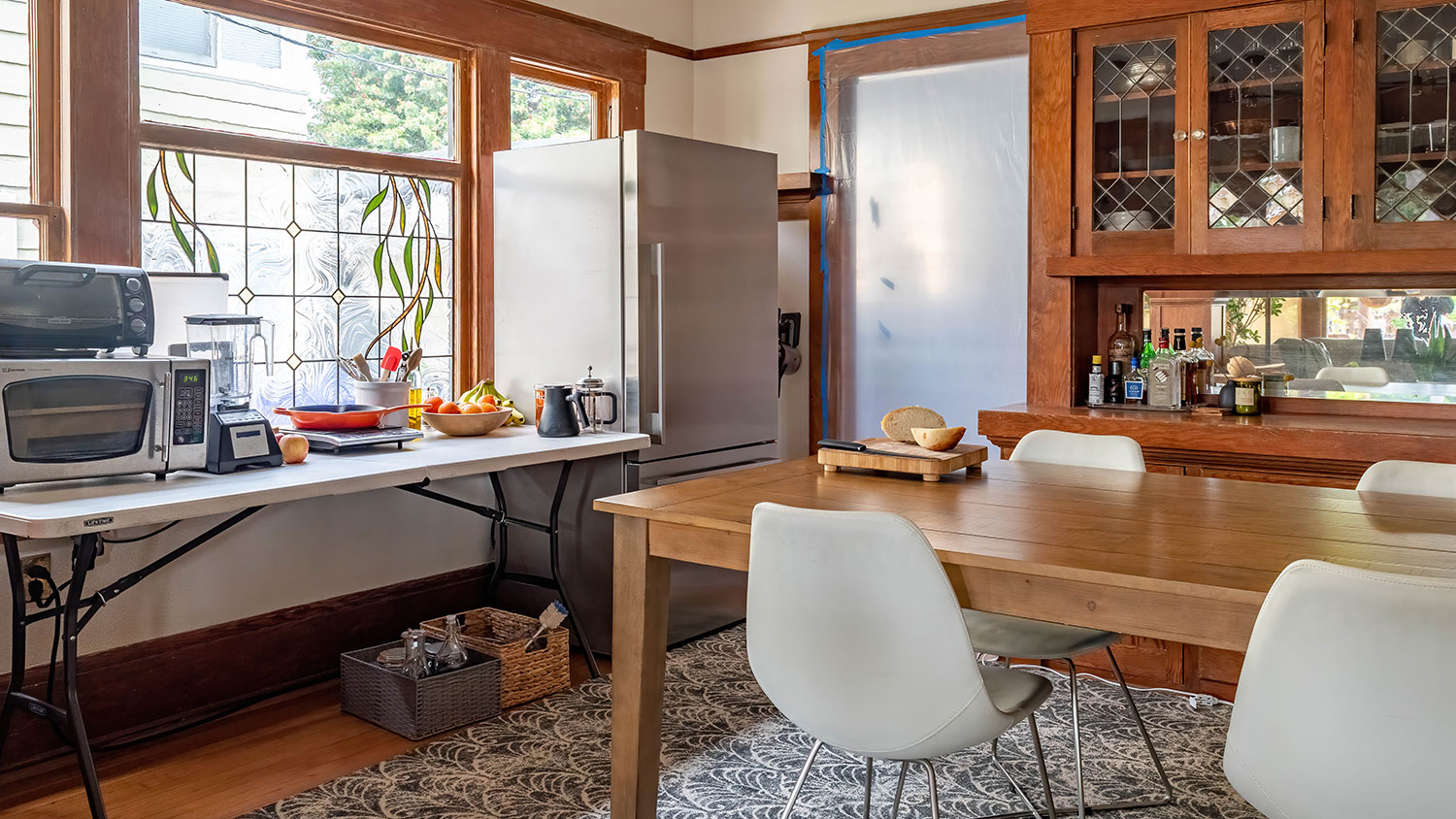
Find a place in your home to create a temporary kitchen. It could be your dining room, basement, or even a corner of the living room.
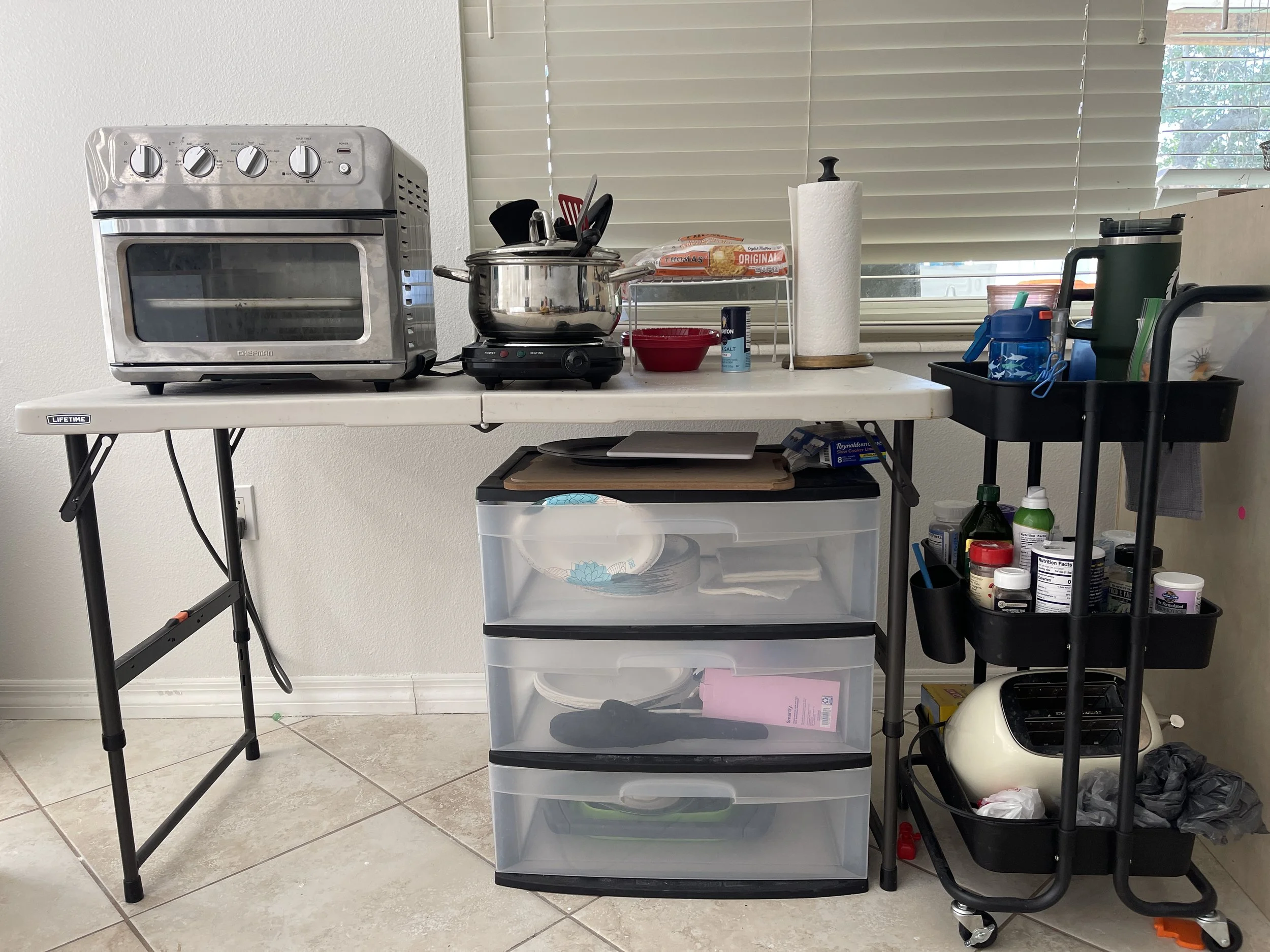
- Move a microwave, toaster oven, and coffee maker to your temp kitchen.
- Use a mini fridge or your old fridge (if possible).
- Keep basic utensils, plates, and a few pots handy.
- Store snacks and staples within reach.
If you don’t set up a temporary space, you’ll spend more on takeout and feel even more stressed.
Some people also use a camping stove outdoors (weather permitting) for simple cooking. A small folding table can serve as extra counter space. Don’t forget to keep a fire extinguisher nearby, just in case. If you plan to cook outside, check local rules about grills or open flames.
Planning Meals During Renovation
Cooking without a full kitchen is a challenge, but it’s not impossible. Here are some strategies:
- Batch cook and freeze meals before demolition starts.
- Use slow cookers, electric skillets, or Instant Pots for simple meals.
- Plan for easy-to-make foods like sandwiches, salads, and wraps.
- Keep a list of nearby restaurants for days you need a break.
You can also sign up for meal delivery kits that require minimal prep—just a knife and a microwave. Consider low-mess, one-pot meals to cut down on dishwashing. If you have kids, involve them in planning and preparing simple meals. This turns a stressful situation into a family activity.
Protecting The Rest Of Your Home
Dust travels. Ask your contractor to seal off the work zone with plastic sheets. Cover vents and move valuables or electronics out of adjacent rooms. Place doormats at entryways and vacuum daily if possible.
If you have allergies or respiratory issues, invest in a portable air purifier for rooms near the renovation. Some homeowners tape damp towels to the bottom of doors to help stop dust from spreading. It may sound simple, but these extra steps can make a big difference in comfort and cleanup.

Credit: edgewoodcabinetry.com
Budgeting Wisely And Avoiding Surprises
One of the biggest renovation stressors is money. Costs can spiral if you’re not careful. Here’s how to stay on track.
Setting A Realistic Budget
The average kitchen remodel in the US costs $25,000–$50,000. High-end projects can exceed $100,000. When setting your budget, consider:
- Labor (usually 30–40% of the total)
- Cabinets (20–30%)
- Appliances (10–20%)
- Countertops and finishes (15–25%)
- Unexpected expenses (10–20%)
Always ask for detailed quotes and keep a spreadsheet to track spending.
A smart move is to get at least three quotes from different contractors. This helps you understand the market rate and spot unusually high or low bids. If a bid is much lower, ask why—sometimes it means something important was left out.
Cost Comparison: Budget Vs. Mid-range Vs. High-end Remodel
Here’s a snapshot of what you get at different price points:
| Type | Average Cost | Cabinets | Countertops | Appliances | Flooring |
|---|---|---|---|---|---|
| Budget | $10,000–$20,000 | Stock | Laminates | Basic models | Vinyl/Tile |
| Mid-Range | $25,000–$50,000 | Semi-custom | Granite/Quartz | Brand name | Hardwood/Porcelain |
| High-End | $60,000–$100,000+ | Custom | Premium stone | Professional-grade | Designer wood/Stone |
It’s tempting to splurge on every detail, but focus on features that matter most to your daily life. For example, if you love to cook, invest more in appliances and less on decorative extras.
Avoiding Hidden Costs
Common extra costs include:
- Permits and inspection fees
- Structural repairs
- Upgrading plumbing or electrical
- Eating out more often
Ask for a “change order” policy in your contract so you know how extra costs are approved and billed.
A less obvious cost is storage for your belongings during the renovation. If you need to rent a storage unit or buy moving boxes, factor that in. Always ask your contractor about what’s not included in their quote—like debris removal or final cleaning.
Shopping Smart
Don’t always choose the cheapest. Look for value—durability, warranty, and long-term savings. For instance, an energy-efficient dishwasher may cost more but save on utility bills.
Ask about package deals. Some suppliers offer discounts if you buy cabinets, countertops, and appliances together. Check for seasonal sales—many big-ticket items like appliances go on sale during holiday weekends.
Communication: Keeping Your Project On Track
Good communication reduces stress and prevents misunderstandings. Here’s how to keep everyone on the same page.
Daily Check-ins
Set up a regular time to talk with your contractor—ideally each morning before work starts. Review the day’s plan and ask questions.
Try to document these conversations, even if just with a quick email summary. This creates a record of decisions and helps avoid confusion later.
Use A Communication Log
Write down questions, changes, or issues as they arise. This ensures nothing is forgotten. You can use a notebook or a shared app.
Some homeowners use apps like Trello or Google Keep to track tasks and decisions. If you’re often away from home, ask for daily progress photos by text or email.
Decision Timeline
Some choices can’t wait. If your contractor needs you to pick a faucet or paint color, don’t delay. Waiting can stall the whole project.
Keep a running list of upcoming choices, and pre-select options when possible. If you’re unsure, ask your designer or contractor for their top two recommendations—they often know what works best for your style and budget.
Handling Disagreements
If you’re unhappy with the work, speak up early. Be specific about what you want changed. Most contractors appreciate clear feedback.
Try to address problems in person or by phone, not just by text. Sometimes tone is lost in writing, and a quick conversation solves issues faster.
Credit: www.finehomebuilding.com
Managing Stress And Family Life
A kitchen renovation affects everyone in your home. Kids, pets, and adults all feel the impact.
Keeping Kids Safe And Happy
Construction zones can be dangerous. Set clear rules about where kids can go. If possible, block off the work area with gates. Give children a sense of control by letting them help pick paint colors or light fixtures.
Create a “safe zone” stocked with snacks, games, and activities, away from the noise. If you have young children, set up a routine for checking on progress together—this can turn frustration into excitement.
Pets During Renovation
Noise and strangers can stress pets. Set up a quiet space away from the action. Alert your contractor to keep doors closed. Some owners board pets during the noisiest phase.
Don’t forget to update your pet’s tags or microchip information, in case they slip out during the chaos. Play calming music or use a white noise machine to block out loud sounds.
Maintaining Family Routines
Try to keep meal and homework times consistent. Make your temporary kitchen cozy with a table, good lighting, and music. Celebrate milestones—like the first meal cooked in the microwave or the last day of demolition.
Take breaks from the house when possible. Plan park trips, family walks, or library visits to give everyone a break from the noise and mess.
Living Without A Full Kitchen: Practical Tips
You don’t realize how central the kitchen is until it’s gone. Here are ways to adapt.
Cooking In A Makeshift Kitchen
- Use slow cookers, rice cookers, or electric griddles.
- Grill outdoors if weather allows.
- Buy pre-cut veggies and rotisserie chickens for quick meals.
- Wash dishes in the bathroom or laundry sink.
Rotate meal ideas to avoid boredom—swap between salads, wraps, and simple stir-fries. If you crave variety, buy a few sauces or dressings to change up basic ingredients.
Essential Supplies Checklist
Keep these items handy:
- Paper plates, cups, and napkins
- Dish soap and a sponge
- Zip-top bags and storage containers
- Trash bags and paper towels
- Coffee supplies
Add a small cutting board, can opener, and basic knife. If you have space, a hot water kettle is handy for tea, instant soups, or quick oatmeal.
Storing Food
If your main fridge is gone, use a mini-fridge or cooler. Buy perishable foods in smaller amounts and shop more often.
Use airtight containers to keep snacks fresh and prevent pest problems. If you’re storing food in unusual places (like bedrooms), remind family members to check expiration dates and clean up spills right away.
Dealing With The Mess
Renovations are messy. Vacuum daily and mop often. Use air purifiers to cut down on dust. Ask the crew to sweep up at the end of each day.
Don’t forget to check behind doors, under furniture, and in rooms adjacent to the work zone—dust can settle in unexpected places. If you have allergies, wear a mask when cleaning.
Navigating Delays And Setbacks
No renovation goes exactly as planned. Weather, supply shortages, or hidden damage can cause delays.
Common Causes Of Delays
- Late delivery of cabinets or appliances
- Permit holdups
- Discovering mold, old wiring, or leaky pipes
Sometimes even small things, like a missing cabinet handle, can hold up the final inspection. If you’re ordering items online, track shipments carefully and notify your contractor if something is delayed.
Staying Flexible
Build extra time into your schedule. Don’t plan major events (like a big party) for the week you expect the kitchen finished.
If you need to adjust your plans, remember that it’s better to wait for quality work than rush to finish. Good contractors want to get things right, not just done fast.
What To Do When There’s A Delay
Ask for a revised timeline. Find out what can be done in the meantime. Sometimes other work (like painting) can move forward while waiting for parts.
If the kitchen is out of use longer than planned, consider eating at friends’ homes or spending a weekend away to recharge. Remind yourself that most delays are temporary.
Keeping Perspective
Remember, the inconvenience is temporary. Focus on the big picture—a kitchen you’ll enjoy for years.
Take photos of progress. Looking back at “before” pictures helps you appreciate how far you’ve come and keeps you motivated through the messy middle.
Cleaning Up And Moving Back In
The end of renovation is exciting, but there’s still work to do before you can enjoy your new kitchen.
The Final Walkthrough
Go through the kitchen with your contractor. Check that everything works—drawers, doors, outlets, appliances, and lights. Make a list of any problems (a “punch list”) to fix before final payment.
Test every feature: run water in the sink, turn on all lights, and open every cabinet. Look for scratches, dings, or paint splatters. It’s easier to fix these now than later.
Cleaning Strategy
Renovation leaves dust everywhere—even inside cabinets. Wipe all surfaces, run your new dishwasher empty, and change air filters in your home.
Use microfiber cloths for dusting, and vacuum with a HEPA filter for best results. Clean behind and under appliances before you fill the kitchen with food and cookware.
Organizing Your New Kitchen
Don’t rush to fill every drawer. Put essentials in easy reach. Take the chance to get rid of old or unused items before moving them back in.
Try organizing by how you cook: keep pots and pans near the stove, dishes near the dishwasher, and baking tools together. Consider adding drawer organizers or pull-out shelves for better storage.
Comparing Old Vs. New: Practical Gains
Here’s a look at what often improves after a renovation:
| Feature | Old Kitchen | New Kitchen |
|---|---|---|
| Storage | Limited, cluttered | Custom, organized |
| Lighting | Dim, uneven | Bright, layered |
| Energy Efficiency | Outdated appliances | Modern, efficient |
| Flow | Awkward, cramped | Open, functional |
Many homeowners are surprised by how much faster and easier cleanup becomes in a well-designed kitchen. Thoughtful storage and better lighting can make daily tasks smoother and more enjoyable.
Mistakes And Lessons: What Most People Get Wrong
Even smart homeowners make mistakes during renovations. Here’s what to watch for—and how to avoid it.
Underestimating Costs
Many people forget to include permit fees, eating out, or last-minute changes. Always add at least 10% extra to your budget.
It’s easy to focus on “big ticket” items and miss smaller expenses. For example, hardware, light bulbs, and delivery fees can add up quickly. Track every expense, even the small ones.
Ignoring The Small Stuff
Details like outlet placement or where the trash can goes matter. Think about your daily routines when planning the layout.
Walk through your daily cooking steps in your mind. If you bake often, do you have a clear counter near the oven? Is there enough space for a coffee station? Small conveniences add up to a big difference in how the kitchen feels.
Not Getting Everything In Writing
Verbal promises can be forgotten. Insist on written contracts, change orders, and receipts.
If your contractor suggests a change, get the new price and timeline in writing before agreeing. This avoids arguments and keeps the project on track.
Skipping The Permit Process
Skipping permits can save time, but you risk future problems when selling your home or with insurance. Always follow local regulations.
If you’re unsure, call your city’s building department. They can explain what’s required for your project. It’s better to ask first than fix mistakes later.
Over-customizing
Trendy designs or unusual layouts might hurt resale value. Aim for style that fits your needs but also appeals to future buyers.
If you want bold colors or unique features, add them in ways that are easy to change later—like paint or backsplash tile, not cabinets or countertops.
Insider Tips For A Smoother Renovation
Beyond the basics, here are some tips most beginners miss:
- Order materials early. Backorders are common, especially for appliances and custom items.
- Label all boxes. When packing up your old kitchen, label every box with contents and room location.
- Plan for waste. Renovations create lots of trash. Rent a dumpster or arrange extra pickups with your city.
- Keep receipts and samples. Save small pieces of tile, paint chips, or flooring. You’ll need these for future repairs.
- Document progress. Take photos before, during, and after. They help with warranties and future projects.
- Ask about quiet hours. If you work from home or have small kids, see if noisy work can be scheduled for certain times.
- Stay flexible with design. Sometimes mid-project changes are needed. Trust your contractor’s experience if they suggest tweaks.
Another smart move: keep a “just in case” kit handy with basic tools, a flashlight, and batteries. Power or water may be shut off during the work.
What To Do After The Renovation
Once your kitchen is complete, there are a few final steps to maximize your investment.
Register Warranties
Most appliances and even some cabinets come with warranties. Register them right away so you’re covered if anything breaks.
Many companies let you register online for faster service if you ever need repairs.
Write Reviews
Share your experience with contractors and suppliers. This helps others and gives feedback to professionals.
Be honest but fair—mention what went well and what could be improved.
Host A “first Meal” Celebration
Invite friends or family for the first meal in your new kitchen. It’s a great way to mark the end of a long process.
Take photos and make it special—even a simple meal feels like a celebration in a new space.
Energy Saving And Maintenance
Learn how to use new features—like convection ovens or smart fridges. Adjust habits to save energy and keep everything working well.
Read the manuals for your new appliances. Simple steps like cleaning filters or adjusting water settings can extend their life.
Real-life Example: The Johnson Family’s Renovation Journey
The Johnson family’s kitchen renovation in Chicago lasted 10 weeks. Their biggest challenge was losing their main fridge, so they used a cooler and shopped daily for perishables. They set up a temporary kitchen in the basement with a microwave and toaster oven.
The kids loved “picnic dinners” on the living room floor.
A surprise leak in the wall added $2,000 and a week of delay. The family kept calm by focusing on the end result and taking weekend trips to escape the mess. Their biggest tip: “Plan more time and money than you think you’ll need. And don’t pack away the coffee maker!”
They also found that regular updates from their contractor made the process less stressful. By staying involved and asking questions, they avoided bigger problems later. Their final verdict: “It was tough, but we love our new kitchen and would do it again—with even more freezer meals next time.”
Credit: mrsashleyfrench.com
Frequently Asked Questions
How Long Does A Kitchen Renovation Usually Take?
Most kitchen renovations take 6 to 12 weeks, but the timeline depends on the project’s size and complexity. Custom features, permits, and unexpected problems can add time.
Can I Live In My House During A Kitchen Remodel?
Yes, most people stay in their homes, but it can be disruptive. Setting up a temporary kitchen and sealing off the work area helps reduce stress.
What Is The Biggest Hidden Cost In Kitchen Renovations?
Structural repairs—like fixing water damage or upgrading electrical—are common surprise costs. Always add a 10–20% buffer to your budget for these issues.
How Do I Keep My Family Fed During Renovation?
Batch cook and freeze meals ahead of time, use small appliances in a temporary kitchen, and rely on simple, no-cook foods. Don’t forget to plan for takeout nights too.
Should I Do Any Part Of The Renovation Myself?
DIY can save money, but it’s best for non-structural work like painting or installing hardware. Leave plumbing, electrical, and cabinetry to licensed pros for safety and insurance reasons.
If you want to dive deeper into average kitchen remodel costs and ideas, check the Houzz Kitchen Remodel Cost Guide.
A kitchen renovation is a marathon, not a sprint. With careful planning, flexibility, and a good attitude, you can survive the process—and enjoy a space that makes daily life better for years to come.