
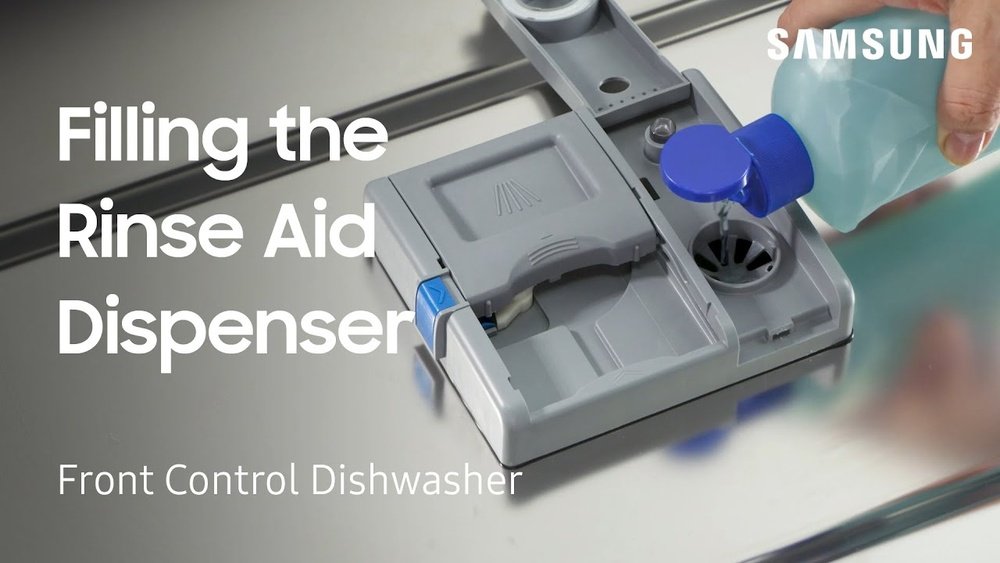
Using a dishwasher can make your life much easier, but sometimes you still find water spots or a cloudy film on your glassware and dishes after a cycle. This is where rinse aid comes in. Many people don’t know exactly what rinse aid is, how it works, or how to use it correctly. If you want sparkling dishes, understanding the right way to use rinse aid in your dishwasher is essential. This article will guide you step by step, from what rinse aid is and why it matters, to choosing, using, and maintaining it for the best dishwashing results. Whether you’re a beginner or have used dishwashers for years, you’ll find practical tips and expert advice here.
What Is Rinse Aid?
Rinse aid is a liquid solution made to help your dishwasher rinse off detergent and water more effectively. It contains surfactants, which reduce the surface tension of water. This means water can slide off your dishes smoothly, leaving fewer spots and streaks.
When water dries on dishes, especially glasses, it can leave behind minerals and detergent. Rinse aid helps water sheet off instead of forming droplets, so less is left behind. Most rinse aids are blue, clear, or green, and you can find them in the cleaning aisle of most supermarkets.
How Does Rinse Aid Work?
The science is simple. Surfactants in rinse aid lower the water’s surface tension. Think of it like rain on a freshly waxed car—the water forms beads and rolls off, leaving the car surface shiny. In your dishwasher, this means the rinse aid helps water run off dishes, so they dry faster and come out cleaner.
Many modern dishwashers also use a higher-temperature final rinse, and rinse aid helps make the most of this by spreading water out for quick evaporation. As a result, you get spotless glassware and shiny plates.
Why Use Rinse Aid In Your Dishwasher?
Some people think rinse aid is unnecessary, especially if they use high-quality detergent. But there are real benefits to using it.
- Prevents Water Spots: Hard water contains minerals like calcium and magnesium. When water dries on your dishes, it leaves behind these minerals, causing spots and streaks. Rinse aid helps water run off, so fewer minerals are left behind.
- Faster Drying: Rinse aid speeds up drying because thin sheets of water evaporate faster than droplets.
- Shinier Dishes: Glasses and silverware, in particular, benefit from rinse aid, coming out with a brilliant shine.
- Cleaner Plastics: Plastic items often stay wet in dishwashers. Rinse aid improves drying performance even for plastics.
- Reduces Detergent Film: Sometimes, detergent doesn’t rinse off completely. Rinse aid helps remove this film.
Do All Dishwashers Need Rinse Aid?
Most modern dishwashers have a special compartment for rinse aid, and many recommend using it for best results. If you live in a hard water area, rinse aid is almost essential. Even in soft water regions, it can improve drying and shine.
However, if your dishwasher has a built-in water softener, you might see less benefit. But in general, using rinse aid is a simple way to get better results from your dishwasher.
Choosing The Right Rinse Aid
Not all rinse aids are the same. Picking the right one for your needs makes a difference.
Types Of Rinse Aid
- Standard Rinse Aid: Most common, designed to prevent spots and help drying.
- Natural or Eco-Friendly Rinse Aid: Made with plant-based ingredients, suitable for people who want to avoid chemicals.
- 2-in-1 or All-in-One: Some dishwasher tablets include rinse aid, though separate rinse aid usually works better.
What To Consider When Buying
- Water Hardness: If you have hard water, look for rinse aids designed to handle minerals.
- Allergies or Sensitivities: If you have sensitive skin or allergies, consider fragrance-free or natural options.
- Price: Most rinse aids are affordable, but eco-friendly brands can be more expensive.
- Performance: Some brands perform better than others. Reading reviews or checking recommendations helps.
Comparing Popular Rinse Aid Brands
Here’s a comparison of popular rinse aid brands to help you decide:
| Brand | Type | Eco-Friendly | Price Range | Performance |
|---|---|---|---|---|
| Finish Jet-Dry | Standard | No | Low–Medium | Excellent |
| Seventh Generation | Natural | Yes | Medium–High | Very Good |
| Ecover | Natural | Yes | Medium | Good |
| Cascade Power Dry | Standard | No | Low–Medium | Very Good |
Insight: All-in-one tablets may seem convenient, but a separate rinse aid usually gives a better finish, especially if you have hard water or want spotless glassware.
How To Add Rinse Aid To Your Dishwasher
Adding rinse aid is simple, but it’s important to do it correctly for the best results.
Find The Rinse Aid Compartment
Open your dishwasher. The rinse aid compartment is usually on the inside of the door, near the detergent dispenser. It’s often a small, round or oval cap with a symbol that looks like a droplet or sun.
Steps To Add Rinse Aid
- Open the Compartment: Twist or flip open the cap. Some caps are childproof and need a little pressure.
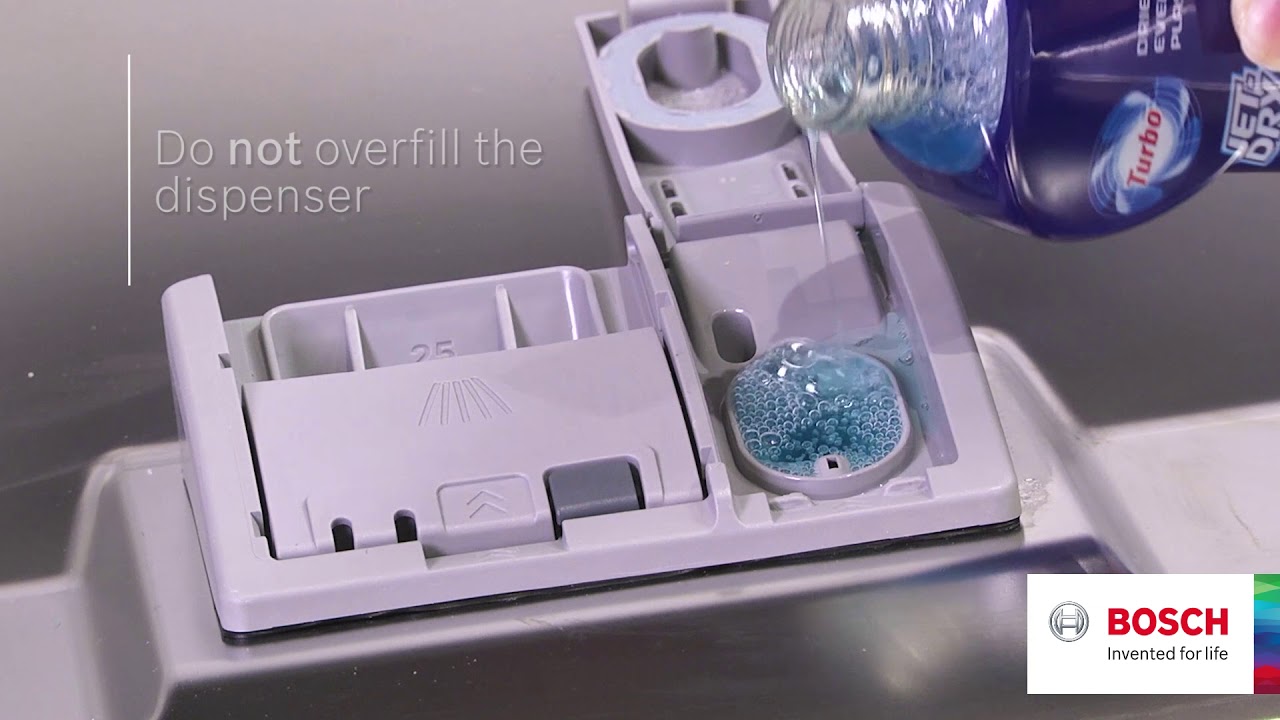
- Pour in Rinse Aid: Fill the compartment with rinse aid until it reaches the max line. Be careful not to overfill.
- Wipe Spills: If you spill, wipe it up to avoid foaming inside the dishwasher.
- Close the Cap: Make sure the cap is tightly sealed.
- Run a Cycle: The dishwasher will automatically release rinse aid during the rinse cycle.
How Often To Refill
Most rinse aid dispensers last for about 1 month with regular use. Many dishwashers have a small indicator light or window to show when you need to refill. If your dishes start looking spotty or wet, check the dispenser.
Non-obvious tip: Don’t wait for the dishes to look bad. Check the rinse aid level every few weeks and refill proactively.
How To Adjust Rinse Aid Settings
Many dishwashers let you adjust how much rinse aid is dispensed. This setting is usually a dial or slider inside the compartment, marked from 1 (low) to 5 or 6 (high).
Why Adjust The Setting?
- Soft Water: Use a low setting. Too much rinse aid can leave a film.
- Hard Water: Use a higher setting for maximum effect.
- Cloudy Dishes: Try increasing the setting.
- Rainbow Film on Plastics: Lower the setting.
How To Change The Setting
- Open the rinse aid compartment.
- Look for a small dial or slider, often with numbers or marks.
- Use a coin or screwdriver to turn it to your desired level.
- Start with the manufacturer’s recommendation, then adjust based on results.
Advanced tip: Some newer dishwashers let you adjust this setting electronically through the control panel. Check your manual for instructions.
How Rinse Aid Works With Different Dishwasher Cycles
Dishwashers have several cycles—normal, eco, heavy, quick, and more. Rinse aid benefits all of them, but the results can vary.
- Normal and Heavy Cycles: These cycles use more water and higher temperatures, so rinse aid works very well.
- Eco or Quick Cycles: Less water and lower heat can mean more spotting. Rinse aid helps compensate for less thorough rinsing.
- Sanitize or High-Temp Rinse: Rinse aid helps water evaporate faster in these cycles, leaving dishes dry and shiny.
Common mistake: Assuming eco cycles don’t need rinse aid. In fact, they often benefit the most because they use less water.
Troubleshooting Common Rinse Aid Problems
Even with rinse aid, you might still see some problems. Here’s how to solve them.
1. White Spots Or Cloudy Film
This usually means hard water minerals are left behind. Try increasing the rinse aid setting, or use a water softener if your area has very hard water.
2. Rainbow Film On Plastics
This is usually from too much rinse aid. Lower the setting, especially if you have soft water.
3. Rinse Aid Not Dispensing
- Make sure the compartment is clean and not clogged.
- Check if the cap is closing tightly.
- If the indicator never moves, the dispenser might be broken and may need repair.
4. Suds Or Foam In Dishwasher
This can happen if you spill rinse aid or use too much. Wipe up spills and adjust the setting lower if this keeps happening.
5. Leaking Rinse Aid Compartment
Old dishwashers may have worn or cracked caps. Replace the cap or gasket if you see leaks.
Rinse Aid Alternatives: Are They Worth It?
Some people prefer to avoid commercial rinse aids. There are alternatives, but they have pros and cons.
Vinegar As Rinse Aid
Many people use white vinegar as a homemade rinse aid. It’s cheap and safe, but there are some risks:
- Vinegar is acidic and can damage rubber parts in your dishwasher over time.
- It’s less effective than commercial rinse aids for hard water.
- If you want to try, use only a small amount and don’t mix with bleach detergents.
Homemade Solutions
Some people mix lemon juice or dilute vinegar, but these are less reliable. Most experts recommend sticking with proper rinse aid, especially for new dishwashers.
Insider tip: If you want to use a natural option, look for eco-friendly rinse aids made for dishwashers. They’re more effective and safer for your machine.
Rinse Aid And Dishwasher Maintenance
Using rinse aid can actually help keep your dishwasher clean. Less residue means less buildup inside the machine. But regular maintenance is still important.
How Rinse Aid Helps Your Dishwasher
- Prevents scale buildup on spray arms and the door.
- Keeps sensors and filters cleaner, improving performance.
- Reduces extra cleaning cycles needed for stubborn spots.
Maintenance Tips
- Check and refill the rinse aid monthly.
- Clean the filter and spray arms every few months.
- Run a hot, empty cycle with dishwasher cleaner every few months to remove buildup.
Myths And Misunderstandings About Rinse Aid
There are some common myths about rinse aid that can confuse people.
Myth 1: Rinse Aid Is Toxic
Commercial rinse aids are safe for dishwashers and dishes when used as directed. They are designed to rinse off completely. For added peace of mind, choose eco-friendly brands.
Myth 2: You Don’t Need Rinse Aid With Soft Water
Soft water reduces spotting, but rinse aid still improves drying and shine.
Myth 3: Detergent With Rinse Aid Is Enough
All-in-one tablets help, but a separate rinse aid gives better results, especially if you want spotless glassware.
Myth 4: Rinse Aid Is Only For Glasses
All dishware benefits from rinse aid, including plates, cutlery, and even plastic containers.
Non-obvious insight: If you have a new dishwasher and still see spots, it could be due to insufficient rinse aid, not a problem with the machine.
:strip_icc()/bhg-what-is-a-rinse-aid-hero_1JSq82ePKzs8xWV2OPBzeO-6fb837f2754e48cd8cacd3c7d2ca6bd9.jpg)
Credit: www.bhg.com
Environmental Impact Of Rinse Aid
Many people worry about the environmental effects of chemicals in rinse aids.
Are Rinse Aids Harmful?
Most commercial rinse aids are biodegradable and break down in wastewater treatment plants. Some contain dyes and fragrances, which might bother sensitive people or those wanting a “green” home.
Choosing An Eco-friendly Rinse Aid
If you want a low-impact choice:
- Look for products labeled biodegradable or plant-based.
- Avoid products with added colors or strong scents.
- Check for certifications like EPA Safer Choice or EU Ecolabel.
Water And Energy Savings
Because rinse aid helps dishes dry faster and spot-free, you’re less likely to need to hand dry or rewash, saving water and electricity.
Further reading: For more about rinse aid ingredients and safety, see the Wikipedia Rinse Aid page.
Rinse Aid And Dishwasher Brands: What You Need To Know
Different dishwashers sometimes recommend specific rinse aid brands, but most rinse aids are compatible with all machines. Still, here’s a quick overview of what to expect:
| Dishwasher Brand | Recommended Rinse Aid Type | Special Features |
|---|---|---|
| Bosch | Standard or Eco | Precise electronic dosage |
| Whirlpool | Standard | Indicator light for refill |
| LG | Standard or Natural | Large dispenser compartment |
| Samsung | Standard | Adjustable settings, digital alerts |
| GE | Standard | Easy-access compartment |
Advice: Always check your dishwasher’s manual for brand-specific instructions and rinse aid recommendations.
Credit: www.youtube.com
Rinse Aid Usage: Advanced Tips For Best Results
If you want to get the most out of your dishwasher and rinse aid, try these advanced strategies:
- Preheat Your Dishwasher: Run hot water at your kitchen sink before starting the cycle. This ensures the dishwasher fills with hot water right away, helping rinse aid perform better.
- Don’t Overload: Crowded racks block water flow and can leave dishes spotty, even with rinse aid.
- Use the Right Cycle: Heavier cycles rinse more thoroughly, maximizing rinse aid effectiveness.
- Clean the Dispenser: Once every few months, wipe out the rinse aid compartment to prevent buildup or clogs.
- Combine With Quality Detergent: Rinse aid works best with a good detergent. Cheap detergents can leave more residue, making rinse aid work harder.
- Select ‘Extra Dry’ If Available: Some dishwashers have an “extra dry” button. Use this with rinse aid for the best drying performance.
- Check Water Temperature: Water that’s too cold (below 120°F/49°C) reduces rinse aid effectiveness.
- Use Softener Salt If Needed: In very hard water areas, use both dishwasher salt (if your machine supports it) and rinse aid for top results.
- Avoid Handwashing Detergent: Never use hand soap or regular dish liquid in your dishwasher, as it can cause foaming and reduce rinse aid effectiveness.
- Watch for Changes: If you notice spots or dullness, try a different brand or adjust your rinse aid setting.
Comparing Rinse Aid To Other Dishwasher Additives
It’s easy to get confused by all the products available for dishwashers. Here’s a quick comparison:
| Additive | Main Purpose | When to Use | Notes |
|---|---|---|---|
| Rinse Aid | Spot-free finish, faster drying | Every cycle | Most effective for shine and drying |
| Dishwasher Cleaner | Removes buildup inside machine | Every 1–3 months | Not for dishes, only machine maintenance |
| Dishwasher Salt | Softens water | Hard water areas, special machines | Used in machines with softener units |
| Lime Scale Remover | Dissolves mineral deposits | When you see buildup | Occasional use as needed |
Key takeaway: Rinse aid is for every wash; other additives are for special maintenance or hard water.
Credit: www.home-connect.com
Frequently Asked Questions
What Happens If I Don’t Use Rinse Aid In My Dishwasher?
If you skip rinse aid, you might notice more water spots, streaks, and cloudy glassware, especially if you have hard water. Dishes may also stay wetter at the end of the cycle, and plastic items often come out with droplets.
Using rinse aid gives a noticeable improvement in shine and dryness.
Can I Use Vinegar Instead Of Commercial Rinse Aid?
Vinegar can work as a simple rinse aid, but it’s less effective and may damage your dishwasher’s rubber parts over time. For best results and to protect your machine, use a commercial rinse aid or a certified eco-friendly product.
How Often Should I Refill The Rinse Aid Compartment?
Most people need to refill the rinse aid compartment about once a month, but it depends on how often you run your dishwasher. If your machine has an indicator, refill when it signals low. Otherwise, check every 20–30 cycles.
Is Rinse Aid Safe For Septic Systems?
Yes, most commercial rinse aids are biodegradable and safe for septic systems when used as directed. For extra safety, choose products labeled as septic-safe or plant-based.
Can Rinse Aid Cause Allergies Or Health Problems?
Rinse aids are designed to rinse off completely and are generally safe. However, some people with sensitive skin or allergies may prefer fragrance-free or plant-based options. Always rinse dishes well if you’re concerned, and consult your doctor if you have a reaction.
Bringing rinse aid into your dishwasher routine is a simple change that makes a big difference. From shinier dishes to less effort cleaning up, the benefits are clear. With the right product and proper use, you can enjoy spotless results and a more efficient kitchen every day.