
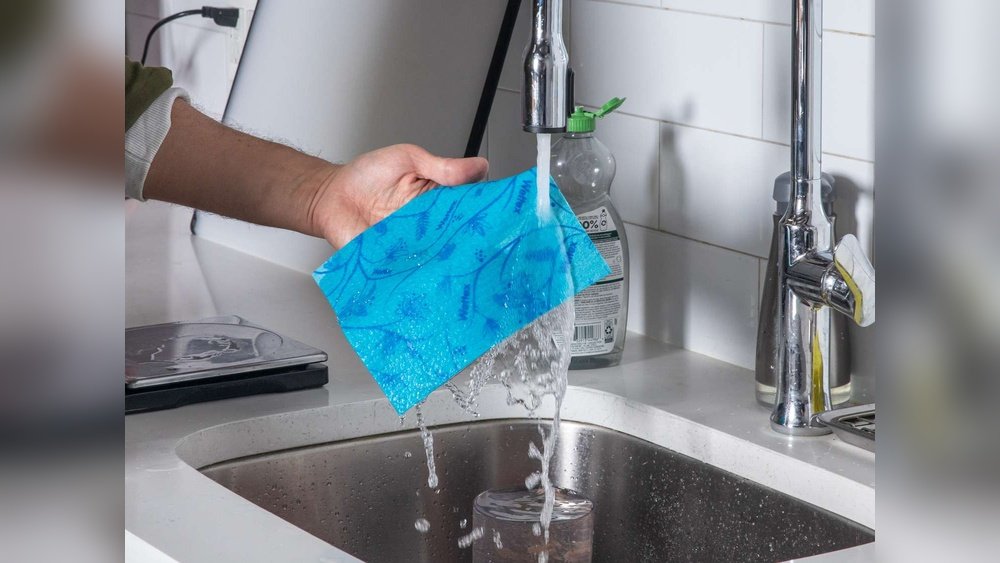
Swedish dishcloths have quickly become a favorite in many kitchens around the world. They are lightweight, absorbent, and reusable, making them an eco-friendly alternative to paper towels and sponges. But while these cloths are tough on messes, they need proper care to stay clean, fresh, and long-lasting.
Many people are unsure about the best way to wash Swedish dishcloths, and a few common mistakes can cut their lifespan short. If you want your dishcloths to keep working hard for you, learning the right cleaning methods is essential.
Keeping your Swedish dishcloths clean is about more than just hygiene. It’s also about protecting your investment, reducing waste, and making your home a healthier place. This guide will walk you through every detail, from quick daily rinses to deep cleaning and sanitizing, so you can get the most out of every cloth.
You’ll also discover tips that most beginners miss, common pitfalls, and answers to the most frequent questions people ask.
What Makes Swedish Dishcloths Unique?
Before you start washing, it helps to know what you’re working with. Swedish dishcloths are made from a blend of cellulose (from wood pulp) and cotton. This mix creates a material that’s soft when wet, dries quickly, and can absorb up to 20 times its weight in liquid. Unlike regular sponges, these cloths don’t trap odors as easily and dry out fast enough to stop bacteria from multiplying quickly.
Another benefit is their durability. A single Swedish dishcloth can replace over 15 rolls of paper towels, often lasting for several months with proper care. They’re also biodegradable and compostable, which makes them a sustainable choice. But to keep them working well, you need to clean and dry them correctly.
Why Proper Washing Matters
Some people toss their Swedish dishcloths into the laundry without a second thought. Others rinse them at the sink and hope for the best. But not all cleaning methods are equal. Poor washing habits can:
- Shorten the life of your cloths
- Spread bacteria or mildew
- Cause bad odors
- Make cloths lose absorbency
On the other hand, proper care keeps your dishcloths safe for food prep, looking good, and lasting longer. It also prevents cross-contamination, especially if you use them for wiping counters, dishes, and hands.
Daily Maintenance: Keeping Your Cloth Fresh
Washing doesn’t always mean a full laundry cycle. Most days, a little daily maintenance will keep your Swedish dishcloth in top shape.
Rinse After Every Use
After you wipe a surface, rinse the cloth under warm or hot running water. Squeeze it several times to remove crumbs, grease, and soap residue. This step prevents food particles from sticking and stops stains from setting.
Wring Out And Air Dry
Once rinsed, wring out as much water as you can. Lay the cloth flat or drape it over a faucet, dish rack, or line to air dry. The quick-drying property of Swedish dishcloths is key to stopping bacteria and mildew growth. Never leave them crumpled in the sink or bunched up, as this can make them smell and breed germs.
Avoid Soaking Overnight
Some think soaking overnight helps, but for Swedish dishcloths, it’s not a good idea. Prolonged soaking can break down the cellulose fibers and make the cloth weak or slimy. If you must soak, keep it short—15 minutes or less.
Deep Cleaning Methods: How To Wash Swedish Dishcloths Thoroughly
Even with daily care, your dishcloth needs a deep clean every few days or at least once a week. There are several safe ways to do this, each with its pros and cons.
1. Machine Washing
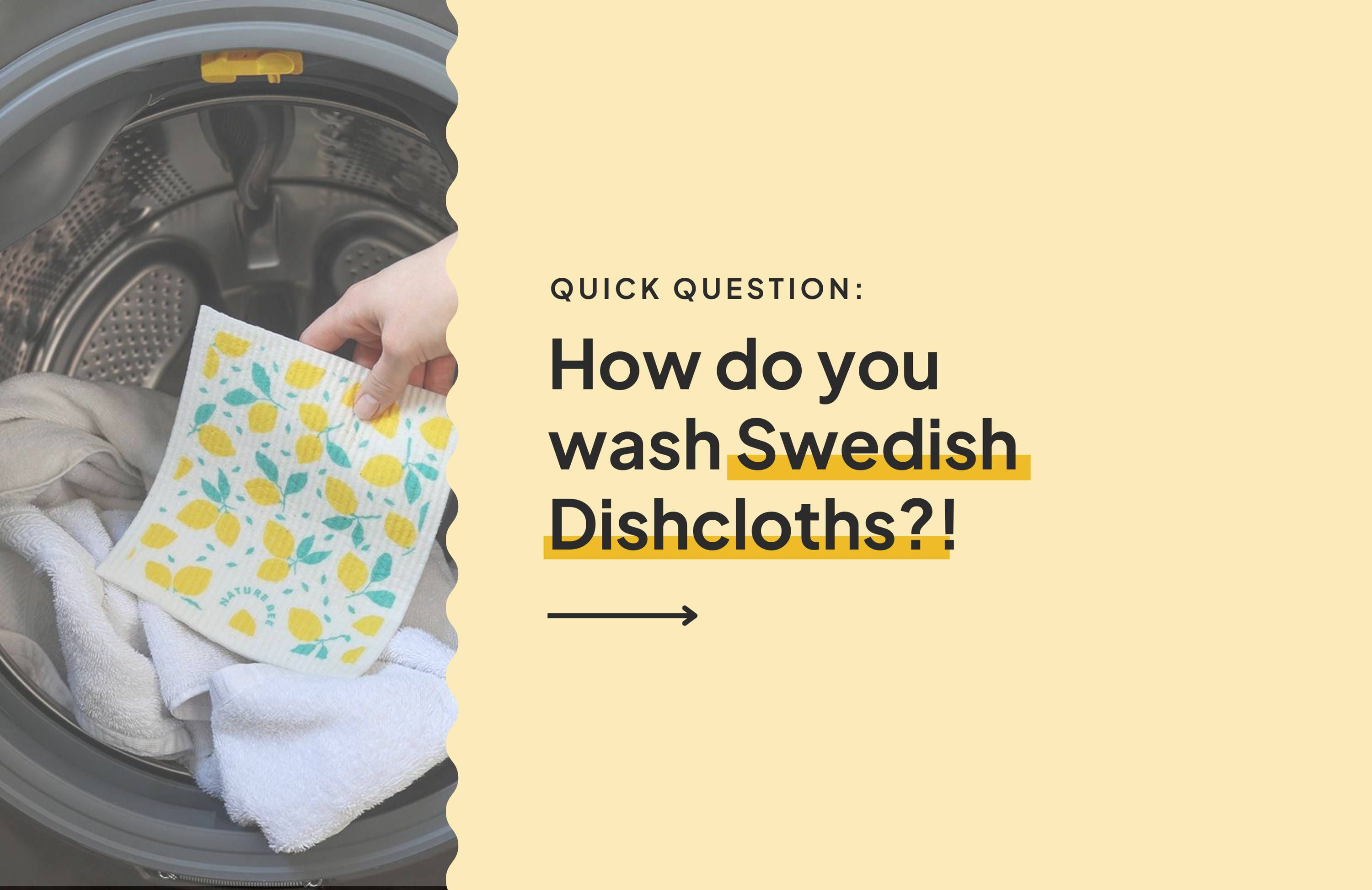
Swedish dishcloths are usually machine washable. Washing them with your regular laundry is easy and effective.
- Use warm or hot water (not boiling)
- Add mild detergent
- Avoid bleach and fabric softener (these can damage the fibers)
- Wash with similar colors to prevent dye transfer
Pro tip: Place dishcloths in a mesh laundry bag. This keeps them from getting tangled with other items and makes them easy to find.
2. Top Rack In Dishwasher
You can clean Swedish dishcloths in the dishwasher. Just lay them flat on the top rack and run a normal cycle. The heat and detergent sanitize the cloth without harsh agitation.
- Place on top rack only (never bottom)
- Skip heavy cycles to avoid wear
- Let them air dry after washing
3. Boiling Method
If you want to disinfect your dishcloth quickly, boiling works well.
- Bring a pot of water to a boil
- Add the cloth and boil for 1-2 minutes
- Remove with tongs and let it cool
Boiling kills most bacteria and odors but don’t do this too often. Over time, high heat can wear out the cloth.
4. Microwave Sanitizing
Microwaving is another popular method, but you need to be careful.
- Wet the Swedish dishcloth fully (never microwave dry)
- Place on a microwave-safe plate
- Heat on high for 1 minute
This kills germs, but if you microwave a dry cloth, it could catch fire. Always check that the cloth is very wet before using this method.
5. Hand Washing With Soap
If you prefer to wash by hand, use hot water and dish soap.
- Scrub the cloth thoroughly with your hands
- Rinse until water runs clear
- Wring out and hang to dry
This method is gentle and works well for daily cleaning or between deeper washes.
6. Vinegar Or Baking Soda Soak
For odors or stains, soaking in vinegar or baking soda is effective.
- Mix 1 part vinegar with 2 parts water, or add 1 tablespoon baking soda to warm water
- Soak the cloth for 10-15 minutes
- Rinse, wring out, and air dry
Vinegar kills most germs naturally. Baking soda helps remove stubborn smells.
How Often Should You Deep Clean?
For most homes, washing your Swedish dishcloth every 2-3 days is enough. If you use it to wipe up raw meat juices or anything very dirty, clean it right away. Rotate several cloths so you always have a fresh one ready.
Drying Swedish Dishcloths The Right Way
After washing, drying is just as important as cleaning. Damp cloths are a perfect place for germs to grow if not dried properly.
Air Dry For Best Results
Lay your Swedish dishcloth flat or hang it over a bar, faucet, or hook. It should dry in a few hours. If it stays damp for too long, it may start to smell.
Avoid The Dryer
While some brands say you can machine dry, high heat can damage the cellulose fibers. If you must use a dryer, choose the lowest heat setting and remove the cloth while it’s still slightly damp. But air drying is always safer.
Sunlight For Extra Freshness
Sun-drying is a natural way to sanitize and deodorize. UV rays from the sun kill bacteria and keep your cloth fresh. Place your clean, damp cloth on a sunny windowsill or outside for an extra boost.
What To Avoid When Washing Swedish Dishcloths
Mistakes can shorten the life of your cloth or make cleaning less effective. Here are some things to avoid:
- Bleach and Harsh Chemicals: These break down the cellulose fibers and can cause holes or roughness.
- Fabric Softener: This leaves a coating that makes the cloth less absorbent.
- Hot Dryer: High heat can shrink, warp, or weaken the cloth.
- Ironing: Not needed and can damage the material.
- Soaking for Too Long: Weakens fibers and causes the cloth to wear out faster.
- Washing with Lint-Producing Items: Towels and fleece can leave lint stuck to your dishcloth.
- Using with Harsh Scrubbing Pads: These can tear the soft surface.
If you avoid these common mistakes, your Swedish dishcloths will stay in great condition for months.
Credit: www.naturebeewraps.ca
How Swedish Dishcloths Compare To Other Kitchen Cloths
To see why special care is important, let’s compare Swedish dishcloths to other cleaning cloths and sponges.
| Type | Material | Absorbency | Odor Resistance | Lifespan | Cleaning Method |
|---|---|---|---|---|---|
| Swedish Dishcloth | Cellulose + Cotton | Very High | High | 2-3 Months | Machine, Dishwasher, Boil |
| Traditional Sponge | Plastic, Foam | Medium | Low | 2-3 Weeks | Hand wash, Microwave |
| Microfiber Cloth | Polyester, Polyamide | High | Medium | 6+ Months | Machine wash |
| Paper Towel | Wood Pulp | Low | N/A | Single Use | Dispose |
This comparison shows that Swedish dishcloths offer a unique balance of absorbency, odor resistance, and easy cleaning. But to get these benefits, you need to follow the right washing methods.
How To Remove Stains And Odors From Swedish Dishcloths
Sometimes, even with good care, your cloth may pick up stains or start to smell. Here’s how to deal with these issues:
Stain Removal
- Rinse the cloth as soon as possible after contact with staining foods (like tomato sauce or berries).
- For stubborn stains, soak in warm water with a little dish soap or oxygen bleach (never chlorine bleach).
- Gently scrub with a soft brush.
- Rinse thoroughly.
Odor Control
- Soak in a mixture of vinegar and water for 15 minutes.
- Wash as usual in the machine or by hand.
- Dry in sunlight for extra deodorizing.
Insider Tip: If you notice musty smells, you may not be drying your cloth completely. Try hanging it in a well-ventilated spot or outside.
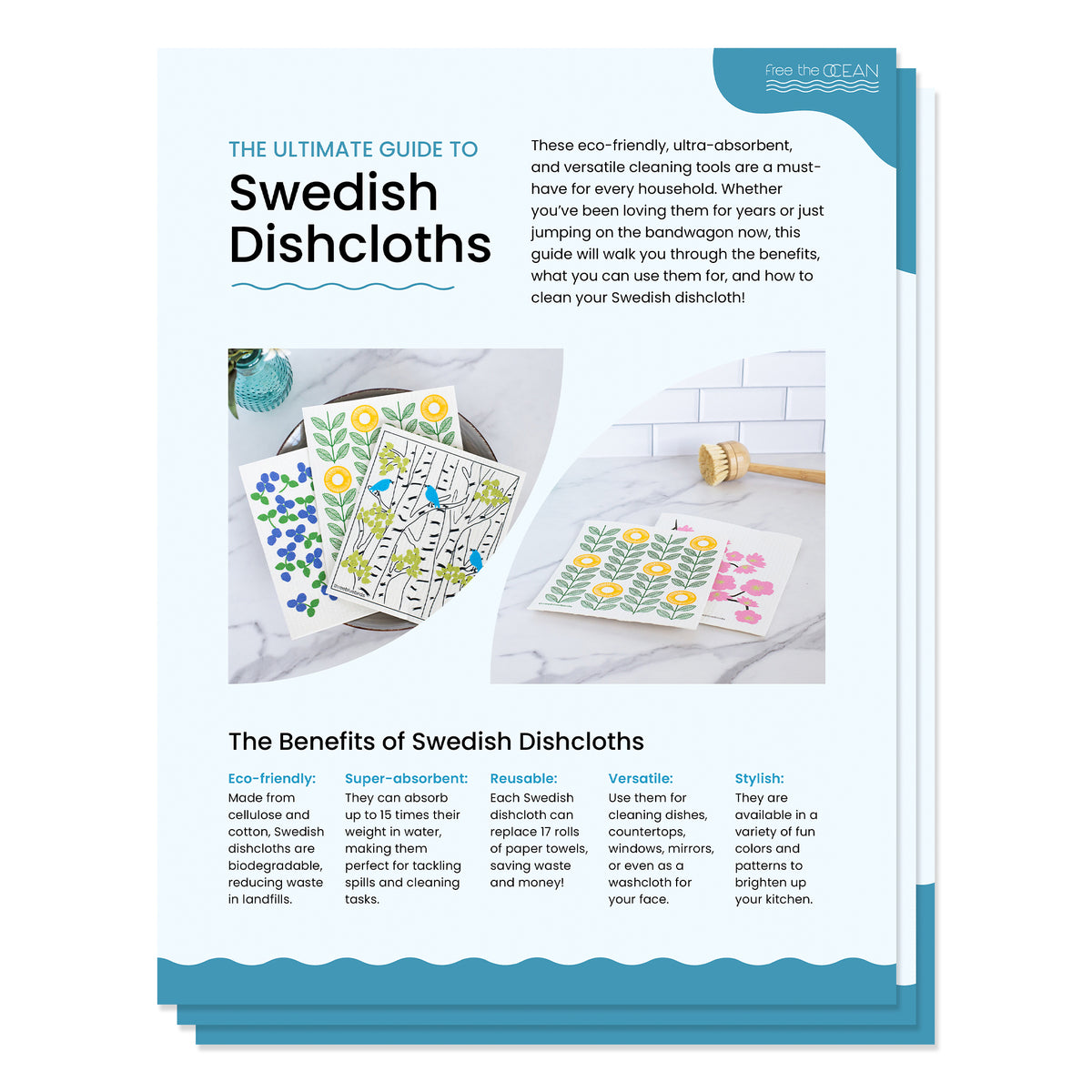
Credit: shop.freetheocean.com
How Long Do Swedish Dishcloths Last?
With regular washing and proper drying, a Swedish dishcloth typically lasts 2 to 3 months of daily use. Some users report up to 6 months, but this depends on how often you wash, what you use it for, and if you avoid common mistakes.
Replace your dishcloth if you notice:
- Holes or thinning fabric
- Loss of absorbency
- Persistent odor, even after deep cleaning
- Stains that won’t go away
When it’s time to retire your dishcloth, remember it’s fully compostable. Just cut it into pieces and add it to your compost bin.
Can You Wash Multiple Swedish Dishcloths Together?
Yes, you can wash several at once. It’s often more efficient and saves water and energy. In fact, rotating between 3-5 cloths in your kitchen is a good idea. This way, you always have a clean, dry one ready to use.
Make sure not to overload your washing machine or dishwasher, as this can prevent thorough cleaning.
Pro tip: Color-code your cloths for different tasks (for example, one for counters, one for dishes, one for the bathroom) and wash them separately to avoid cross-contamination.
Eco-friendly Benefits Of Washing And Reusing Swedish Dishcloths
One reason Swedish dishcloths are so popular is their eco-friendly nature. Proper washing extends their life, making them even better for the environment.
- One cloth replaces up to 15 rolls of paper towels
- Compostable at end-of-life
- Less waste in landfills
- Lower water and energy use compared to washing sponges or using disposable towels
By washing and reusing your cloths, you help cut down on waste and save money.
Real-world Example: Swedish Dishcloth Routine
Let’s look at a simple routine that keeps your dishcloths fresh and effective.
- Morning: Rinse and wring out after breakfast cleanup. Hang to dry.
- Afternoon: After lunch, rinse, wring, and air dry again.
- Evening: At the end of the day, wash by hand with hot water and soap, or toss in the dishwasher.
- Weekly: Add to the laundry with kitchen towels. Skip bleach and fabric softener.
- Monthly: Boil or microwave (wet) for deep sanitizing.
This routine only takes a few extra minutes but keeps your dishcloths clean, odor-free, and ready for any mess.
Common Myths About Washing Swedish Dishcloths
People often hear cleaning tips that actually do more harm than good. Here are some myths to watch out for:
1. “you Need To Bleach Them Every Week.”
Not true. Bleach damages the cloth. Regular washing is enough.
2. “they’re Ruined If They Smell.”
Most smells can be removed with vinegar, baking soda, or sunlight.
3. “machine Drying Is Best.”
Air drying is gentler and helps your cloth last longer.
4. “they Can’t Be Sanitized.”
Both boiling and microwaving (when wet) kill most germs.
5. “they’re Just Like Any Other Sponge.”
Swedish dishcloths are more absorbent and last longer if you care for them properly.
Advanced Tips For Long-lasting Swedish Dishcloths
If you want to get even more from your Swedish dishcloths, try these advanced tips:
- Rotate cloths daily: This gives each one time to dry completely.
- Store in a dry place: Avoid storing in a damp drawer or under the sink.
- Use for specific tasks: Dedicate one cloth to counters and another to dishes.
- Cut old cloths into cleaning pads: Even after they’re worn out, they’re great for scrubbing floors or windows.
- Compost at end-of-life: Shred for faster breakdown.
Credit: www.naturebeewraps.ca
How To Tell If Your Swedish Dishcloth Needs To Be Replaced
Even with the best care, every cloth reaches the end of its life. Here’s how to know:
- It feels thin or weak
- It won’t soak up water like before
- It stays smelly after washing and drying
- You see holes, tears, or fraying edges
When this happens, compost the cloth and start with a fresh one.
Comparing Cleaning Methods For Swedish Dishcloths
Not sure which washing method is best for you? Here’s a quick side-by-side comparison.
| Method | Sanitizes | Convenience | Impact on Lifespan | Notes |
|---|---|---|---|---|
| Machine Wash | Good | High | Low Wear | Avoid bleach/softener |
| Dishwasher | Very Good | High | Very Low Wear | Top rack only |
| Boiling | Excellent | Medium | Some Wear | Don’t do too often |
| Microwave (wet) | Excellent | High | Low Wear | Must be wet |
| Hand Wash | Medium | High | Very Low Wear | Best for daily use |
Choose the method that fits your schedule and cleaning needs.
The Environmental Impact Of Proper Swedish Dishcloth Care
By washing and reusing Swedish dishcloths, you not only save money but also help the planet. According to Wikipedia, using and caring for these cloths correctly can replace hundreds of single-use paper towels each year. They break down naturally in compost, leaving zero waste behind.
Frequently Asked Questions
How Often Should I Wash My Swedish Dishcloth?
It’s best to wash your Swedish dishcloth every 2-3 days if you use it daily. If you clean up raw meat or something very dirty, wash it right away. Regular washing keeps your cloth clean, safe, and odor-free.
Can I Use Bleach To Clean My Swedish Dishcloth?
No, avoid using bleach. Bleach can damage the cellulose and cotton fibers, making the cloth wear out faster. Instead, use hot water, vinegar, or the microwave method for sanitizing.
Is It Safe To Microwave My Swedish Dishcloth?
Yes, but only if the cloth is wet. Microwaving a dry cloth is a fire risk. Wet the cloth fully, place it on a microwave-safe plate, and heat for one minute to kill germs.
What Should I Do If My Swedish Dishcloth Smells Bad?
Try soaking it in vinegar and water for 15 minutes, then wash and dry in sunlight. Persistent smells often mean the cloth isn’t drying completely. Air dry in a well-ventilated spot after each use.
When Should I Replace My Swedish Dishcloth?
Replace your dishcloth if it has holes, stays smelly after washing, or loses absorbency. Most last 2-3 months with proper care, but this can vary with use.
Caring for your Swedish dishcloths is simple, but a little extra attention goes a long way. With the right washing and drying routine, you’ll enjoy a cleaner kitchen, less waste, and cloths that last longer and work better.