
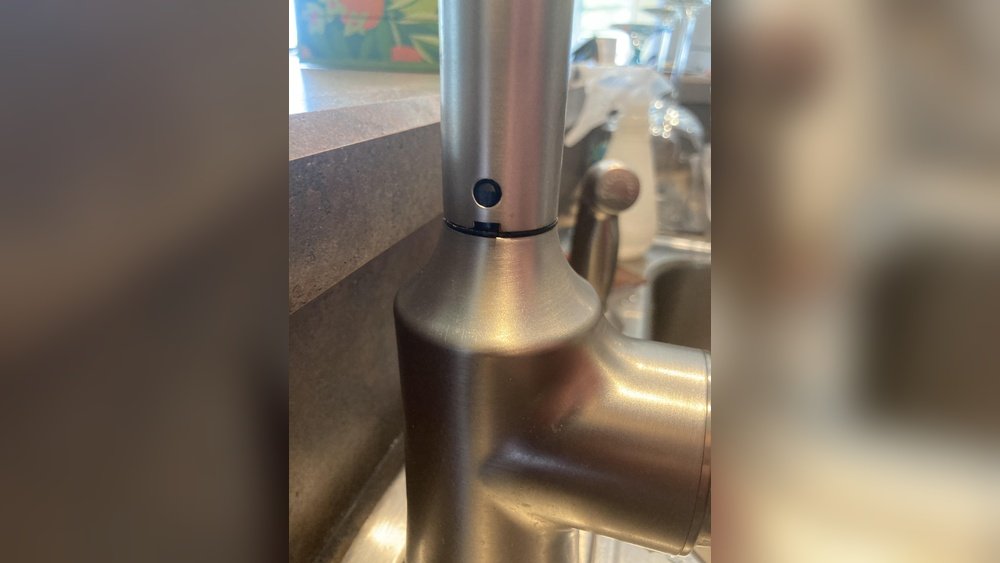
A loose kitchen faucet spout can be more than just a small annoyance. Over time, the movement can cause leaks, water damage, and even wear out other parts of your sink area. If you have a Moen kitchen faucet, you might notice the spout wobbling or spinning more than it should. The good news is, you don’t need to be a plumbing expert to fix this problem yourself. With some basic tools, patience, and the right steps, you can tighten a loose Moen kitchen faucet spout and restore its stability.
Many homeowners delay this repair, thinking it’s complicated or expensive. But in reality, most Moen spouts are designed for easy maintenance. By learning how to handle this fix, you’ll not only save money on plumber calls, but you’ll also extend the life of your faucet and improve your kitchen’s functionality.
This guide walks you through everything you need to know—from understanding why faucets get loose, to step-by-step tightening instructions, and expert tips for keeping your faucet secure in the future.
Understanding Why Moen Kitchen Faucet Spouts Get Loose
Kitchen faucets are one of the most-used parts of any home. Over time, daily use puts stress on the faucet base and internal components. With Moen faucets, the spout often sits on an O-ring or is secured by a retaining nut. These parts can wear out, dry up, or loosen, especially if the faucet is frequently swiveled side-to-side.
Common reasons for a loose Moen spout include:
- Worn O-rings: The rubber O-rings under the spout can flatten or crack, causing the spout to wobble.
- Loose retaining nuts: If the mounting or retaining nut inside the faucet body loosens, the spout loses stability.
- Mineral build-up: Hard water can cause deposits that affect how parts fit together.
- Improper installation: If the faucet was not tightened enough during installation, it may become loose sooner.
- Frequent movement: Regular swiveling, especially with side sprayers, speeds up wear.
Ignoring a loose spout can lead to leaks under the sink, higher water bills, and even mold growth. Acting early helps prevent bigger problems.
Types Of Moen Kitchen Faucets And How They Differ
Before you start, it’s helpful to know what type of Moen faucet you have. Different models have slightly different tightening methods and parts. Most fall into these categories:
Single-handle Faucets
These are the most common in modern kitchens. The handle may be on top, side, or integrated with the spout. The spout usually pulls straight up for service.
Two-handle Faucets
Less common in newer kitchens but still found in many homes. Each handle controls hot or cold water, and the spout sits in the center.
Pull-out And Pull-down Faucets
These faucets have a spray head that pulls out or down from the spout. The mechanism inside is more complex, but the spout’s base is tightened in a similar way.
High-arc Vs. Low-arc
The height of the spout can affect how easy it is to access the internal parts. High-arc faucets may need more clearance when removing the spout.
Comparing Moen Faucet Types
Here’s a quick comparison of how spout tightening differs among popular Moen kitchen faucets:
| Faucet Type | Main Tightening Point | Ease of Access | Common Issues |
|---|---|---|---|
| Single-Handle | Retaining nut under spout | Easy to moderate | O-ring wear, loose nut |
| Two-Handle | Mounting nuts under sink | Moderate | Base movement, leaks |
| Pull-Down/Out | Cartridge and collar | Varies | Hose kinks, spray head looseness |
Knowing your faucet’s model helps you pick the right tools and avoid confusion during repair.
Tools And Materials You’ll Need
Gathering the right tools before starting can make the process smooth and prevent last-minute trips to the store. Here’s what you’ll typically need for tightening a loose Moen kitchen faucet spout:
- Adjustable wrench or basin wrench
- Allen wrench (often 3/32” or 1/8”, check your model)
- Screwdriver (Phillips and flathead)
- Plumber’s grease
- Replacement O-rings (if your faucet is leaking or you see worn rubber)
- Towel or small bucket (to catch water drips)
- Flashlight (for visibility under the sink)
- Moen faucet manual (optional, but very helpful)
For some models, you may also need needle-nose pliers or a cartridge puller. Double-check your faucet’s specific instructions if possible.
Tool Use Comparison
To help you pick the best tool for the job, here’s a quick comparison:
| Tool | Main Use | Pros | Cons |
|---|---|---|---|
| Adjustable Wrench | Loosening/tightening nuts | Easy to adjust, versatile | Can scratch finish if not careful |
| Basin Wrench | Hard-to-reach nuts under sink | Great for tight spaces | Less control, learning curve |
| Allen Wrench | Set screws, handle removal | Fits small screws perfectly | Easy to lose, must match size |
If you’re unsure, bring a photo of your faucet to the hardware store. Staff can help you match O-rings or wrenches.
How To Tighten A Loose Moen Kitchen Faucet Spout: Step-by-step Guide
Fixing a loose Moen spout doesn’t have to be overwhelming. Follow these steps for a successful repair:
1. Turn Off The Water Supply
Before touching any faucet parts, shut off the water to avoid surprise leaks. Look under your sink for two valves (hot and cold). Turn both clockwise until tight. Test the faucet to make sure water flow has stopped.
Pro tip: If you can’t find the valves, turn off the main water supply to your house.
2. Plug The Drain
Use a sink stopper or a rag to block the drain. Small screws or O-rings can easily fall in and get lost.
3. Remove The Faucet Handle
Depending on your model, you may need to:
- Find a small set screw (usually at the base or back of the handle).
- Use the appropriate Allen wrench to loosen and remove the screw.
- Carefully lift off the handle.
If the handle is stuck, wiggle gently—don’t force it, or you could damage the finish.
4. Expose The Spout Base
Look for a decorative cap or collar under the handle. Sometimes, this unscrews by hand; other times, you need a flathead screwdriver to pry it off. Set the cap aside in a safe spot.
5. Check For The Retaining Nut
At this point, you should see a retaining nut or mounting nut. This is what holds the spout in place. If it’s loose, that’s likely the cause of your wobbly spout.
- Use an adjustable wrench or basin wrench to tighten the nut.
- Turn clockwise until snug, but don’t overtighten—this can strip threads or crack the faucet body.
If you notice O-rings under the spout and they look worn, cracked, or flattened, now is the perfect time to replace them.
6. Remove And Inspect The Spout (if Needed)
If tightening the nut doesn’t fully solve the problem, gently pull the spout straight up and off the faucet body. Some spouts may need a twist while lifting. Check for:
- Worn O-rings: Replace with the correct size (bring the old one to the hardware store for a match).
- Mineral deposits: Clean with vinegar and a brush.
- Damaged plastic parts: Replace if broken.
Apply a thin layer of plumber’s grease to new O-rings before reinstalling the spout.
7. Reassemble The Faucet
Slide the spout back onto the faucet body. Make sure it sits evenly and doesn’t rock. Replace the retaining nut or collar and tighten as before. Snap or screw the decorative cap back in place.
Finally, reattach the handle with the set screw and tighten it securely.
8. Turn On Water And Test
Remove the drain plug or rag. Turn the water supply back on slowly. Check for leaks around the base and handle. Move the spout side-to-side—it should feel solid and stable.
If you notice any drips or looseness, repeat the steps and make sure all parts are seated correctly.

Credit: www.youtube.com
Replacing O-rings: A Crucial Step If Your Spout Still Wobbles
Sometimes, tightening the retaining nut isn’t enough. If your Moen spout still feels loose or leaks at the base, the O-rings are likely worn out. Replacing these is simple:
- Remove the spout as described above.
- Use a small flathead screwdriver or pick to gently roll off the old O-rings.
- Clean the faucet body and groove with a rag.
- Lubricate new O-rings with plumber’s grease (never petroleum jelly—it can damage rubber).
- Roll the new O-rings into place.
- Reinstall the spout and test for leaks.
Beginner insight: Even if the O-rings look okay, replace them if you’ve gone to the trouble of removing the spout. Old O-rings harden over time, and new ones ensure a tight fit.
What To Do If Your Faucet Is Still Loose
If you’ve followed all the steps and the faucet spout is still wobbly, consider these possibilities:
- Mounting hardware under the sink is loose. This can cause the whole faucet, not just the spout, to move.
- Internal damage. Cracked plastic or metal parts inside the faucet body may need replacing.
- Incorrect O-ring size. Double-check the replacement parts match your faucet model.
- Worn cartridge. In some Moen faucets, the cartridge helps secure the spout. If it’s loose, a new one may be needed.
For hard-to-reach mounting nuts under the sink, a basin wrench is essential. It’s designed to grip nuts in tight spaces.
If you find broken or missing parts, you may need to order replacements. Moen offers lifetime warranties on many faucets. Visit their official website for support or call their customer service with your model number.
Preventing Future Faucet Looseness
After you’ve fixed your faucet, a little care can keep it tight for years:
- Don’t overtighten the spout when swiveling. Use gentle movements.
- Avoid using the spout as a handle. Don’t pull or hang heavy pots from it.
- Check for leaks every few months. Early detection prevents bigger problems.
- Clean mineral deposits regularly. Hard water can build up and cause looseness.
- Re-tighten mounting hardware every year. Especially if you notice wobble.
Non-obvious insight: Small leaks or movement left unfixed can attract pests under your sink. Keeping everything tight helps maintain a healthier kitchen environment.
Real-world Example: Fixing A Moen 87017 Kitchen Faucet
Let’s look at a common Moen model—the Moen 87017 single-handle faucet. Many homeowners report the spout becoming loose after a few years.
Here’s how Jane, a DIY enthusiast, solved her problem:
- She noticed the spout wobbling whenever she filled a pot.
- Jane turned off the water and removed the handle with a 3/32” Allen wrench.
- She unscrewed the collar and found the retaining nut was barely finger-tight.
- Using an adjustable wrench, she snugged the nut, reassembled the faucet, and the wobble was gone.
- Jane also replaced the O-rings while the spout was off, preventing leaks.
This fix took Jane about 25 minutes and cost under $10 for new O-rings and plumber’s grease.

Credit: www.youtube.com
Comparing Professional Repair Vs. Diy
Is it worth fixing a loose Moen spout yourself, or should you call a plumber? Here’s a side-by-side look:
| Option | Time | Cost | Difficulty | Best For |
|---|---|---|---|---|
| DIY Repair | 30-60 minutes | $5–$20 | Easy to moderate | Handy homeowners, simple issues |
| Professional Plumber | 1–2 hours (with scheduling) | $100–$250+ | None | Complex problems, warranty work |
For most loose spouts, DIY is safe and cost-effective. If you find broken hardware or can’t identify the problem, a pro is worth the investment.
Common Mistakes To Avoid
Many homeowners make these errors when trying to fix a loose faucet spout:
- Forgetting to turn off the water: This can cause sudden leaks and mess.
- Losing small parts: Always plug the drain and keep screws in a cup.
- Using the wrong size wrench: This can strip nuts or scratch finishes.
- Overtightening: Too much force can crack plastic or deform metal.
- Mixing up O-ring sizes: Only use parts matched to your faucet model.
Non-obvious insight: If your faucet is old, take clear photos during each disassembly step. It’s easy to forget how parts fit together.
When To Replace Instead Of Repair
In some cases, tightening won’t solve the problem. Consider replacing your faucet if:
- The spout or body is cracked or corroded.
- Multiple leaks persist even after new O-rings.
- The faucet is over 15–20 years old.
- Replacement parts are no longer available.
Modern Moen faucets are more water-efficient and easier to maintain. If you choose to upgrade, keep your model’s features (sprayer, handle style, finish) in mind.
Extra Tips For Beginners
- Work slowly and take photos. Each step you document helps with reassembly.
- Buy an O-ring assortment kit. Having extra sizes can save future trips to the store.
- Label parts as you remove them. Even a sticky note helps.
- Watch a video for your exact model. Seeing the process can clear up confusion.
- Check Moen’s website for manuals and exploded diagrams.
For more detailed Moen faucet diagrams and part numbers, visit the official Moen Support page.

Credit: www.reddit.com
Frequently Asked Questions
What Size O-ring Do I Need For My Moen Kitchen Faucet?
Most Moen kitchen faucets use 1- or 2-inch O-rings, but sizes vary by model. Check your faucet manual or take the old O-ring to a hardware store for an exact match. Using the wrong size can lead to leaks or continued looseness.
Can I Tighten A Moen Kitchen Faucet Spout Without Removing The Handle?
In some cases, you can access the retaining nut without removing the handle, especially on two-handle models. However, for most single-handle Moen faucets, removing the handle gives you full access and ensures a proper fix.
What If My Faucet Is Still Leaking After Tightening The Spout?
If you still see leaks, the O-rings are likely worn or the cartridge is damaged. Replace both O-rings with the correct size and lubricate them with plumber’s grease. If leaks continue, inspect the cartridge and replace if necessary.
How Often Should I Check My Kitchen Faucet For Looseness?
It’s smart to check for movement and leaks every 6 to 12 months, especially if you use your kitchen heavily. A quick inspection can prevent bigger problems and costly repairs.
Is Plumber’s Grease Necessary When Replacing O-rings?
Yes. Plumber’s grease helps O-rings seal tightly, prevents wear, and makes future removal easier. Never use petroleum jelly—it can break down rubber and shorten O-ring life.
Fixing a loose Moen kitchen faucet spout is a simple and rewarding task. With the right tools, clear steps, and a little patience, you can restore your faucet’s stability and avoid future leaks. Remember, regular maintenance keeps your kitchen running smoothly and saves money in the long run.