
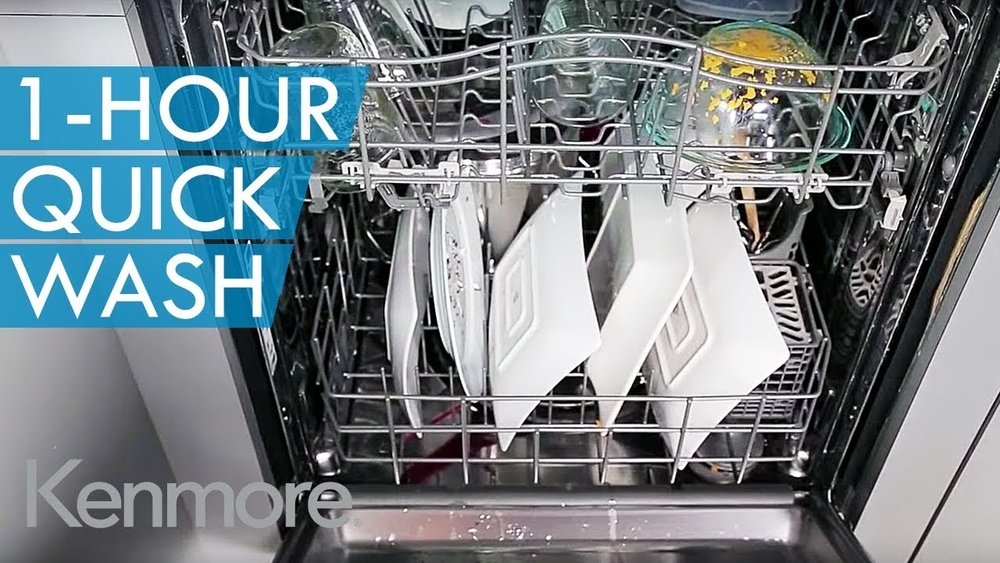
Many people buy a Kenmore dishwasher to make kitchen cleanup easy and fast. But using your dishwasher the right way is important. If you use it incorrectly, your dishes may not get clean, or you could even damage the machine. With so many buttons, cycles, and features, it’s normal to feel confused, especially if you are using it for the first time or if you’re not a native English speaker. Don’t worry—this guide will walk you through every step, from loading your dishes to choosing the correct settings, caring for your machine, and even solving common problems.
Kenmore dishwashers are popular for their reliability and helpful features, but not every user knows how to get the best performance. A few small mistakes—like putting plastic on the bottom rack or using the wrong detergent—can lead to poor results or even repairs.
You’ll learn not just the basics, but also expert tips and common pitfalls to avoid. By the end, you’ll feel confident using your Kenmore dishwasher and keeping it in top shape for years.
Understanding Your Kenmore Dishwasher
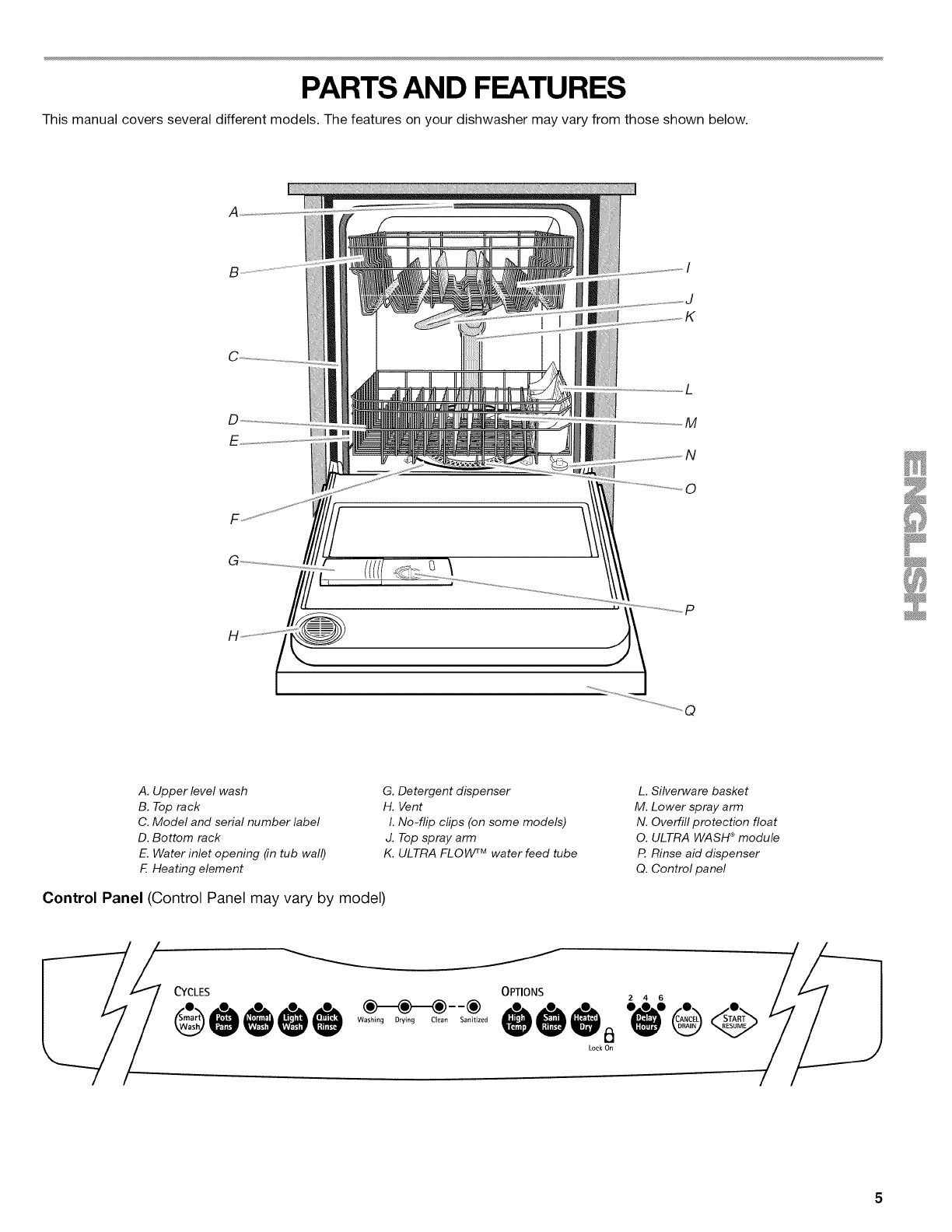
Before you start, it’s helpful to know the main parts and features of your Kenmore dishwasher. This will make it easier to follow instructions and solve issues if they come up.
Main Parts
- Control panel: Usually at the top, with buttons or a digital display.
- Detergent dispenser: Where you put dish soap and rinse aid.
- Spray arms: Spin and spray water to clean dishes.
- Racks: Hold plates, cups, and other items.
- Filter: Catches food particles to keep water clean.
- Heating element: Dries dishes and helps with cleaning.
Most Kenmore models have two racks, but some high-end versions have a third rack for utensils or small items. The control panel can be hidden on the top edge or visible on the front.
Key Features
Kenmore dishwashers come with features like:
- Multiple wash cycles: Normal, Heavy, Quick, Delicate, etc.
- Heated Dry: Helps dry dishes faster.
- Sanitize Option: Uses high heat to kill germs.
- Delay Start: Lets you set a later time for the wash.
- Energy-saving modes: Use less water and power.
Not every model has all features. Check your user manual for your dishwasher’s specific options.
Model Number Location
You may need your model number for troubleshooting or ordering parts. Usually, you can find it:
- On the side of the door, when you open it
- On the rim of the tub
Take a picture or write it down for future reference.
Preparing To Use Your Kenmore Dishwasher
Proper preparation is key for effective cleaning and long-lasting performance. Many users skip these steps and run into avoidable problems.
Setting Up The Dishwasher
- Install the machine: Make sure your dishwasher is installed level and connected to both water and power. If you’re not sure, ask a professional for help.
- Check water supply: The water should be hot (120°F/49°C is best) for good cleaning.
- Prime the machine: Before your first use, run a short cycle without dishes. This helps clear dust and test the machine.
Choosing The Right Detergent
Always use dishwasher detergent—never regular dish soap, as it creates too many bubbles. Kenmore recommends using high-quality brands, preferably in pods or powder form. Some dishwashers have a special spot for rinse aid to prevent water spots.
Types Of Detergent
| Type | Pros | Cons |
|---|---|---|
| Powder | Cheap, easy to measure | Can clump if wet |
| Pods/Tablets | Pre-measured, simple to use | More expensive |
| Gel | Good for quick cycles | Less cleaning power |
Pro Tip: Always check your local water type (hard or soft). Hard water may need special detergent or a bit more rinse aid.
Loading The Dishwasher
How you load dishes greatly affects cleaning results. Here are some key tips:
- Scrape off food: Remove large bits, but you don’t need to rinse everything.
- Don’t overload: Leave space between items so water can reach all surfaces.
- Face dirty sides in: Point plates and bowls toward the center.
- Mix large and small items: Don’t block the spray arms with big pans or trays.
- Place plastics on top rack: The bottom gets hotter and can warp plastic.
- Secure lightweight items: Cups and lids can flip over if not secured.
Below is a quick comparison of what to put on each rack:
| Top Rack | Bottom Rack | Silverware Basket/Third Rack |
|---|---|---|
| Cups, glasses, small bowls, plastic items | Plates, large bowls, pots, pans | Forks, knives, spoons, small lids |
Non-obvious insight: Many users don’t realize that putting large pans at the front of the bottom rack can block the detergent door, leading to poor cleaning.
Items To Avoid
Not everything is dishwasher safe. Leave out:
- Wood (can crack or warp)
- Cast iron (will rust)
- Crystal or fine china (may chip)
- Nonstick pans (coating can wear off)
- Anything labeled “hand wash only”
Credit: kitchen.manualsonline.com
Step-by-step: Running A Kenmore Dishwasher
Let’s walk through a full cycle, from start to finish.
1. Load Dishes
Place items as described above. Don’t forget to check the spray arms can spin freely.
2. Add Detergent And Rinse Aid
Open the detergent dispenser and add the right amount. Fill the rinse aid spot if needed (usually once a month).
Tip: If your dishwasher leaves white spots, add or adjust the rinse aid amount.
3. Choose A Wash Cycle
Press the power button. Select a cycle based on your load:
- Normal: For everyday dishes.
- Heavy/ Pots & Pans: For very dirty items.
- Quick: For lightly soiled dishes.
- Delicate/China: For glass or fragile items.
- Energy Saver: Uses less water and power.
Refer to your user manual for cycle times and water usage. Some cycles take as little as 1 hour, others up to 3 hours.
4. Select Extra Options
Most Kenmore dishwashers let you add features like:
- Heated Dry: Drier dishes, but uses more power.
- Sanitize: High heat to kill bacteria.
- Hi-Temp Wash: Extra cleaning for tough stains.
- Delay Start: Set it to run later (for example, at night).
Insider tip: Using heated dry can speed up the process, but air drying (just opening the door) saves energy.
5. Start The Cycle
Close the door firmly. Press Start (sometimes you must hold it for a few seconds). You should hear water fill the machine.
6. Wait For The Cycle To Finish
Most dishwashers beep or show a light when finished. Do not open the door during the cycle, as hot water and steam can escape.
7. Unload Dishes
Start with the bottom rack. This prevents water from the top rack dripping onto dishes below.
Non-obvious insight: If dishes are still wet, open the door right after the cycle and let air in for 10-15 minutes.
Using Advanced Kenmore Features
Kenmore dishwashers include extra features to make life easier or improve cleaning. Understanding these lets you get more from your machine.
Sanitize Cycle
This uses very hot water (up to 155°F/68°C) to kill germs—useful for baby bottles or cutting boards. Not all items are safe for this cycle, so check labels.
Delay Start
You can set your dishwasher to begin several hours later. This is helpful if you want the cycle to finish right before you wake up or come home.
Smartwash Or Sensor Wash
Some high-end Kenmore models have a SmartWash or Sensor Wash. The machine senses how dirty your dishes are and adjusts the cycle time and water automatically. This saves energy but may take longer if dishes are heavily soiled.
Child Lock
If you have kids, use the child lock feature. This prevents curious fingers from starting or stopping the dishwasher accidentally.
Cleaning And Maintenance
To keep your Kenmore dishwasher running well, you need to clean and maintain it regularly. This prevents odors, buildup, and problems.
Weekly Maintenance
- Check and clean the filter: Remove and rinse it under running water.
- Wipe the door and gasket: Use a damp cloth to remove food or grime.
- Inspect spray arms: Spin them by hand and clear any holes with a toothpick.
Monthly Maintenance
- Clean with vinegar: Place a cup of white vinegar on the top rack and run a hot cycle (no dishes). This removes mineral deposits and odors.
- Check the rinse aid: Refill if needed.
Every 3-6 Months
- Deep clean: Remove racks and wash them in the sink if dirty.
- Descale: For hard water, use a dishwasher cleaner or citric acid to remove buildup.
Common Mistakes To Avoid
- Using too much detergent (can leave residue)
- Skipping filter cleaning (can block water flow)
- Blocking the spray arms (dishes won’t get clean)
- Not running the hot water before starting (cold water cleans less well)
- Using regular dish soap (creates too many suds)
Troubleshooting Common Problems
Even the best dishwashers have issues sometimes. Here’s how to fix the most common ones without calling for repairs.
Dishwasher Doesn’t Start
- Check that the door is closed and latched.
- Make sure the machine is plugged in and breaker is on.
- Try resetting the control panel (hold the Start button for 3 seconds on some models).
Dishes Not Getting Clean
- Clean the filter.
- Don’t overload the racks.
- Use the right amount of detergent.
- Make sure spray arms can spin.
White Spots On Dishes
- Add rinse aid.
- Use less detergent if water is soft.
Dishwasher Leaking
- Check the door seal for damage.
- Make sure nothing blocks the door from closing.
- Don’t overfill the detergent.
Bad Odors
- Clean the filter and spray arms.
- Run a hot cycle with vinegar.
Water Not Draining
- Check the filter and drain for clogs.
- Make sure the drain hose isn’t kinked.
Buttons Not Responding
- Try resetting the machine.
- Make sure child lock isn’t on.
If these steps don’t solve your problem, check your manual or contact Kenmore customer support. For more repair tips, you can visit the official Kenmore Dishwasher Support page.
Credit: www.manualslib.com
Saving Energy And Water
Using your dishwasher efficiently saves money and helps the environment. Here are some tips:
- Always run full loads (but don’t overload).
- Use eco or energy saver cycles when you can.
- Skip heated dry and open the door to air dry.
- Run the dishwasher at night if your energy costs are lower then.
- Fix leaks quickly to prevent water waste.
Comparing Kenmore Dishwasher Cycles
Kenmore offers several cycle choices. Here’s a quick look at the main differences:
| Cycle | Time (approx.) | Water Usage | Best For |
|---|---|---|---|
| Normal | 2-3 hours | 3-5 gallons | Everyday dishes |
| Heavy | 2.5-3.5 hours | 5-7 gallons | Pots, pans, baked-on food |
| Quick | 1 hour | 2-3 gallons | Lightly soiled items |
| Delicate | 1.5-2 hours | 3-4 gallons | Glassware, fine china |
| Energy Saver | 3-4 hours | 2-4 gallons | Regular loads, low energy |
When To Call For Service
Some problems need a professional. Call for help if:
- The dishwasher makes loud noises or grinds
- Water leaks from under the machine
- The control panel won’t turn on, even after resetting
- There’s a burning smell
Trying to fix these yourself can be dangerous or make things worse.
How To Make Dishes Sparkle: Advanced Tips
Even after following all the basics, some users want perfectly clean, spot-free dishes. Here are a few expert ideas:
- Use a water softener if you have hard water. This prevents white spots.
- Try a different brand of detergent if your current one isn’t working well.
- Place utensils with handles down for better cleaning (except knives for safety).
- For very dirty pans, soak them before loading.
- Don’t open the door during the dry cycle—heat helps dishes dry better.
Safety Tips
Dishwashers are safe but do involve hot water and electricity. Here’s how to stay safe:
- Always close the door when not loading/unloading.
- Don’t let children play with the door or buttons.
- Wait for dishes to cool before unloading, especially glass.
- Unplug the machine or turn off the breaker before cleaning underneath or fixing anything.
Upgrading Or Replacing Your Kenmore Dishwasher
Sometimes repairs are too expensive, or your needs change. If your dishwasher is over 10 years old and repairs cost more than half the price of a new one, it might be time to upgrade.
Newer Kenmore models are more energy-efficient and quieter. Before buying, measure your space and check your local energy rebates.

Credit: www.youtube.com
Frequently Asked Questions
How Much Detergent Should I Use In My Kenmore Dishwasher?
For most loads, fill the main detergent cup to the line (about 1 tablespoon for soft water, 2 tablespoons for hard water). If you use pods or tablets, one per load is enough. Avoid using too much, as it can leave residue on dishes.
Can I Wash Nonstick Pans And Wooden Utensils In My Kenmore Dishwasher?
No, it’s best to wash nonstick pans and wooden utensils by hand. The dishwasher’s heat and detergent can damage nonstick coatings and crack or warp wood.
Why Are My Dishes Coming Out Wet?
Plastic items and cups may not dry well without the heated dry option. Try using rinse aid, opening the door after the cycle, or selecting the Heated Dry feature. Also, check that nothing is blocking the air vents inside the machine.
What Should I Do If My Kenmore Dishwasher Smells Bad?
First, clean the filter and run a hot cycle with a cup of white vinegar on the top rack. Check for trapped food in the spray arms and wipe the door seal. Regular cleaning prevents odors.
How Do I Reset My Kenmore Dishwasher?
On most models, press and hold the Start/Resume button for 3-5 seconds to reset. If that doesn’t work, unplug the machine for 5 minutes, then plug it back in. Check your user manual for model-specific instructions.
Using your Kenmore dishwasher doesn’t have to be complicated or stressful. With the right steps and a little care, you’ll enjoy clean, sparkling dishes every time—while saving time and effort in your daily routine.