
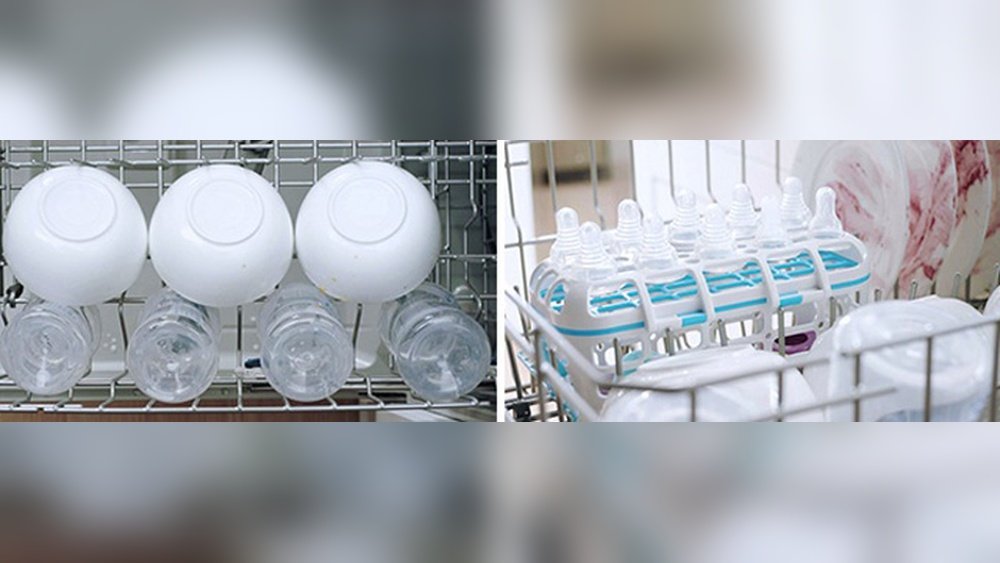
Washing bottles in a dishwasher can save time and effort, but many people worry about doing it right. Should you put baby bottles in the dishwasher? What about reusable water bottles or glass bottles with printed designs? There are real risks, like leftover milk residue, bottle warping, or unsafe cleaning.
But with a good understanding of the process, you can get bottles truly clean and safe for use. This article will guide you through everything you need to know, from preparation steps to drying, maintenance, and advanced tips for different bottle types.
You’ll learn practical methods, common mistakes to avoid, and even how to organize bottles for best results.
Understanding Dishwasher Safety For Bottles
Not all bottles are the same, and not every dishwasher is built alike. It’s important to understand the safety basics before putting any bottle in your dishwasher.
Which Bottles Are Dishwasher Safe?
Most glass bottles are safe for dishwashers. Many plastic bottles and baby bottles are also labeled “dishwasher safe,” but you must check for a dishwasher-safe symbol, usually on the bottom of the bottle. If there’s no symbol, check the manufacturer’s website or packaging.
For metal bottles (like stainless steel), most are dishwasher safe, but some with special coatings or insulation may not be. Painted bottles or bottles with decorative prints can fade or peel in the dishwasher.
Risks Of Washing Non-safe Bottles
Putting non-dishwasher-safe bottles in your machine can cause:
- Melting or warping (especially plastics)
- Fading of prints or logos
- Leaching of chemicals from poor-quality plastics (e.g., BPA)
- Damage to bottle seals or lids
If you’re not sure, hand wash the bottle instead.
Dishwasher Temperatures And Chemicals
Most dishwashers wash at temperatures of 120°F–150°F (49°C–66°C). These temperatures can sanitize, but not all plastics are designed to withstand such heat. Also, dishwasher detergents can be harsher than hand-wash soap, which may affect certain materials or prints.
Preparing Bottles For Dishwasher Cleaning
A little preparation makes a big difference. Don’t just toss bottles in the dishwasher and hit “start. ” Here’s how to prepare bottles for best results.
Rinse Immediately After Use
Rinse bottles with warm water as soon as possible after use, especially if they’ve held milk, juice, or formula. This prevents sticky residue from drying and makes cleaning much easier.
Disassemble Completely
Remove all parts:
- Lids
- Caps
- Straws
- Nipples (for baby bottles)
- Rubber seals or rings
Bottles clean better when taken apart. If you leave pieces together, water and detergent may not reach every surface.
Scrape Off Residue
For bottles with visible leftovers (milk, juice, smoothie), rinse and gently scrape with a bottle brush or your fingers. This step helps your dishwasher work efficiently and keeps the filter from clogging.
Check For Small Parts
Tiny parts like valves, straws, or nipples can fall through dishwasher racks. Place them in a dishwasher-safe basket or mesh bag, often called a “dishwasher basket.” This keeps parts secure and prevents loss.

Credit: www.reddit.com
Loading Bottles In The Dishwasher
How you load bottles affects their cleanliness and safety. Follow these tips for best results.
Place Bottles Upside Down
Always place bottles upside down on the top rack. This position lets water spray inside, ensuring a thorough clean and good drainage.
Use The Top Rack For Plastics
The top rack is further from the heating element, so it’s safer for plastic bottles. Bottom racks get hotter and can warp or damage plastics.
Secure Small Parts
Put small parts in a basket or mesh bag. Place the basket on the top rack, not the utensil holder. Avoid cramming too many items together, as crowded bottles may not get fully clean.
Separate Bottles For Water Flow
Don’t let bottles touch or nest inside each other. Leave space so water can reach every surface. Avoid stacking bottles or placing them sideways, as this traps water and detergent.
Avoid Overloading
Too many bottles can block spray arms or prevent detergent from reaching all surfaces. If you have many bottles to wash, do them in batches.
Choosing The Right Dishwasher Cycle And Detergent
The right settings and detergent make a big difference. Not all cycles and detergents are created equal.
Best Dishwasher Cycles For Bottles
- Sanitize cycle: This cycle uses extra-hot water to kill germs and is ideal for baby bottles or bottles used for milk/formula.
- Normal cycle: Good for most glass or plastic bottles.
- Gentle or “top rack only” cycle: Best for delicate plastics or bottles with prints.
Avoid high-heat “pots and pans” cycles for plastic bottles, as they can cause warping.
Detergent Choices
Use a fragrance-free, dye-free dishwasher detergent for baby bottles or sensitive users. Some detergents are labeled as “baby-safe.” For regular bottles, any quality detergent works, but avoid using too much, as residue can be left behind.
Avoid using rinse aids on bottles for babies or those with sensitive allergies, unless the rinse aid is specially labeled safe for such use.
Do Not Use Bleach
Never use bleach or harsh chemicals directly in your dishwasher. These can linger in your machine and may not rinse away fully, leading to unsafe bottles.
Drying Bottles After The Dishwasher
Proper drying is as important as washing. Damp bottles can breed bacteria or mold.
Air Drying
After the dishwasher cycle, open the door to let steam escape. Remove bottles and place them upside down on a clean, dry towel or a bottle drying rack. This lets water drain and air circulate.
Dishwasher Dry Cycle
Most dishwashers have a dry cycle. However, some plastics may not dry fully, especially in energy-saving models. If bottles come out damp, towel dry or air dry as above.
Avoid Towel Drying Inside Bottles
Do not put towels or cloths inside bottles to dry them. This can introduce fibers or bacteria. Instead, let bottles dry upside down.
Cleaning And Maintaining Your Dishwasher
A clean dishwasher means cleaner bottles.
Regular Filter Cleaning
Dishwashers have a filter at the bottom that traps food and debris. Check and clean this filter every 1–2 weeks, especially if you wash bottles often. A clogged filter can cause poor cleaning.
Run A Cleaning Cycle
Once a month, run your dishwasher empty using a dishwasher cleaner or a cup of white vinegar. This removes grease, scale, and detergent buildup. A clean dishwasher works better and keeps bottles fresher.
Check Spray Arms
Look for debris in spray arm holes. Use a toothpick or small brush to clean out any blockages. This ensures water sprays reach every part of every bottle.
Special Tips For Different Bottle Types
Not all bottles are the same. Here’s how to handle various types.
Baby Bottles
- Always use a sanitize cycle if available.
- Place nipples, rings, and valves in a dishwasher basket.
- Check nipples for cracks or wear after each wash.
- Replace any parts that are cloudy, cracked, or sticky.
Reusable Plastic Bottles
- Only use bottles labeled as “dishwasher safe.”
- Check for warping or cloudiness after each wash.
- Avoid high-heat drying cycles for thin plastic bottles.
Glass Bottles
- Use normal or sanitize cycles.
- Avoid rapid temperature changes (don’t move hot glass bottles directly to cold water or the fridge).
- Check for chips or cracks before and after washing.
Metal Bottles (stainless Steel)
- Remove all rubber seals or painted parts that are not dishwasher safe.
- Some insulated bottles should only be hand washed. Check manufacturer instructions.
Sports Bottles With Straws
- Disassemble all straw components.
- Place straws in a dishwasher basket.
- Check for mold or residue inside straws after washing.
Common Mistakes To Avoid
Even experienced users make mistakes. Here are the top errors and how to avoid them.
- Not disassembling bottles: Water and detergent can’t reach hidden parts.
- Overloading the dishwasher: Blocks water flow, leaving bottles dirty.
- Using wrong cycle or detergent: Can damage bottles or leave residue.
- Skipping regular dishwasher maintenance: Reduces cleaning effectiveness.
- Ignoring manufacturer’s instructions: Some bottles have special needs.
Advanced Tips For Perfect Results
Ready to get the cleanest bottles possible? Try these expert-level tips.
Use Vinegar For Odor Removal
If bottles smell sour even after washing, soak them in a mix of one part white vinegar to three parts water before placing in the dishwasher. Rinse thoroughly after washing.
Baking Soda For Stubborn Stains
For cloudy or stained bottles, sprinkle baking soda inside, add water, shake, and let sit for 30 minutes before dishwasher cleaning.
Dishwasher Maintenance Schedule
Keep a simple maintenance calendar:
| Task | How Often | Purpose |
|---|---|---|
| Clean filter | Every 1-2 weeks | Prevents clogs, improves cleaning |
| Run cleaning cycle | Monthly | Removes buildup, odors |
| Check spray arms | Monthly | Ensures full water flow |
Label Bottles For Organization
If you have several family members or bottle types, use dishwasher-safe name labels. This avoids mix-ups.
Test Dishwasher Effectiveness
Once a month, put a clean bottle in the dishwasher with a small amount of peanut butter or mustard inside. If it comes out spotless, your dishwasher is doing its job!
Comparing Dishwasher Vs. Hand Washing Bottles
Is the dishwasher really better? Here’s a clear comparison:
| Feature | Dishwasher | Hand Washing |
|---|---|---|
| Time required | Low (load and walk away) | High (manual scrubbing) |
| Sanitization | High (with sanitize cycle) | Depends on water temp/effort |
| Consistency | Very consistent | Varies by person and method |
| Risk of damage | Possible with non-safe bottles | Lower for delicate items |
| Water use | Usually less (modern models) | Often more (depends on user) |
Myth-busting: Dishwasher Cleaning For Bottles
Many myths surround washing bottles in dishwashers. Let’s clear up a few.
Myth 1: Dishwashers Can’t Clean Milk Residue
Fact: Modern dishwashers, especially with a sanitize cycle, can clean milk residue if bottles are rinsed and loaded correctly.
Myth 2: All Plastics Are Dishwasher Safe
Fact: Only plastics labeled “dishwasher safe” can handle dishwasher heat and detergent.
Myth 3: Dishwasher Always Uses More Water
Fact: Most new dishwashers use less water than hand washing, especially for full loads.
Myth 4: Bottles Come Out Sterile Every Time
Fact: Only sanitize cycles reach sterilizing temperatures. A normal cycle cleans but doesn’t fully sterilize.
Myth 5: You Can Skip Hand Rinsing
Fact: Pre-rinsing bottles, especially those with milk or juice, helps get bottles truly clean.
Real-world Example: Washing Baby Bottles
Let’s walk through a real scenario—a parent with a newborn, needing to wash six baby bottles per day.
- Rinse each bottle after every feeding. Remove nipple, ring, and any valves.
- Scrape off milk residue with a bottle brush if any remains.
- Load bottles upside down on the top rack. Place all small parts in a dishwasher basket.
- Use the sanitize cycle with a baby-safe detergent.
- Let bottles air dry on a clean rack after the cycle ends.
- Check for leftover residue or odor. If found, repeat with vinegar soak before dishwasher.
- Inspect for cracks or cloudiness. Replace damaged parts immediately.
This routine saves hours each week and keeps bottles safe for your baby.
Credit: www.reddit.com
Environmental Impact Of Dishwasher Bottle Washing
Modern dishwashers are designed to be eco-friendly. According to the EPA, an ENERGY STAR certified dishwasher uses about 3.5 gallons of water per cycle, much less than hand washing a full load. Also, dishwashers use less energy when run full, making them better for the environment.
However, using the wrong detergent or overloading the dishwasher can reduce these benefits. Choose phosphate-free detergents and always wash full loads when possible.
When Not To Use The Dishwasher
Sometimes, hand washing is better:
- Bottles with gold or metallic prints
- Bottles with cracks or chips
- Antique or delicate glass bottles
- Insulated bottles with non-dishwasher-safe lining
For these, use warm soapy water and a bottle brush, rinse well, and air dry.
Troubleshooting Dishwasher Problems With Bottles
If bottles come out dirty, cloudy, or smelly, try these solutions:
Bottles Still Dirty
- Check if spray arms are blocked.
- Clean the filter.
- Don’t overload the top rack.
- Use a different cycle or more powerful detergent.
Cloudy Bottles
- Hard water can leave deposits. Try a rinse aid (if safe) or a vinegar rinse.
- Use less detergent if you see white residue.
Bad Odors
- Soak bottles in vinegar and water before washing.
- Run a dishwasher cleaning cycle.
Warped Bottles
- Always use the top rack for plastics.
- Avoid high-heat cycles.
- Discard warped bottles, as they may not seal properly.
Essential Dishwasher Accessories For Bottle Washing
Some accessories can make bottle washing easier and safer.
Dishwasher Basket
A dishwasher basket holds small items like nipples, straws, and rings. Choose one with a secure lid and fine holes.
Bottle Drying Rack
A bottle drying rack helps bottles air dry without tipping over. Look for racks that can hold bottles upright and separate.
Special Bottle Brushes
Some brushes are dishwasher safe and can be included with your load for extra cleaning.
Labels
Dishwasher-safe labels help keep bottles organized, especially in families or daycares.

Credit: www.youtube.com
Cost Of Dishwasher Bottle Washing
Is it expensive to wash bottles in the dishwasher? Here’s a simple overview:
| Factor | Dishwasher | Hand Washing |
|---|---|---|
| Water cost (per load) | ~3.5 gallons | 8–27 gallons (varies) |
| Electricity (per load) | ~1–2 kWh | N/A |
| Detergent cost | Low (1 pod or scoop) | Similar (liquid soap) |
| Time saved | High | Low |
Washing bottles in the dishwasher is usually cost-effective, especially if you wash full loads and use energy-efficient settings.
Frequently Asked Questions
Is It Safe To Wash Baby Bottles In The Dishwasher?
Yes, if the bottles are labeled “dishwasher safe. ” Use the sanitize cycle if available, and always place small parts in a dishwasher basket.
Do I Need To Sterilize Bottles After Dishwashing?
If your dishwasher has a sanitize cycle, extra sterilization is not needed. For newborns or premature babies, you may wish to sterilize bottles separately. Always follow your pediatrician’s advice.
Can I Wash Metal Water Bottles In The Dishwasher?
Most stainless steel bottles are dishwasher safe, but check the manufacturer’s instructions. Bottles with insulation, paint, or special coatings may need hand washing.
Why Do My Bottles Look Cloudy After Dishwashing?
Cloudiness can be caused by hard water deposits or leftover detergent. Try using less detergent, adding a rinse aid (if safe), or soaking bottles in vinegar and water before washing.
What Should I Do If My Dishwasher Doesn’t Get Bottles Clean?
Check for overloading, blocked spray arms, or a dirty filter. Try a different cycle or stronger detergent. Clean your dishwasher regularly for best results.
For more details about dishwasher safety and cleaning, you can visit the official ENERGY STAR Dishwasher Guide.
Washing bottles in the dishwasher is a reliable, efficient way to keep them clean—if you follow the right steps. By choosing the right bottles, using proper settings, and maintaining your dishwasher, you’ll get bottles that are safe and spotless every time.