
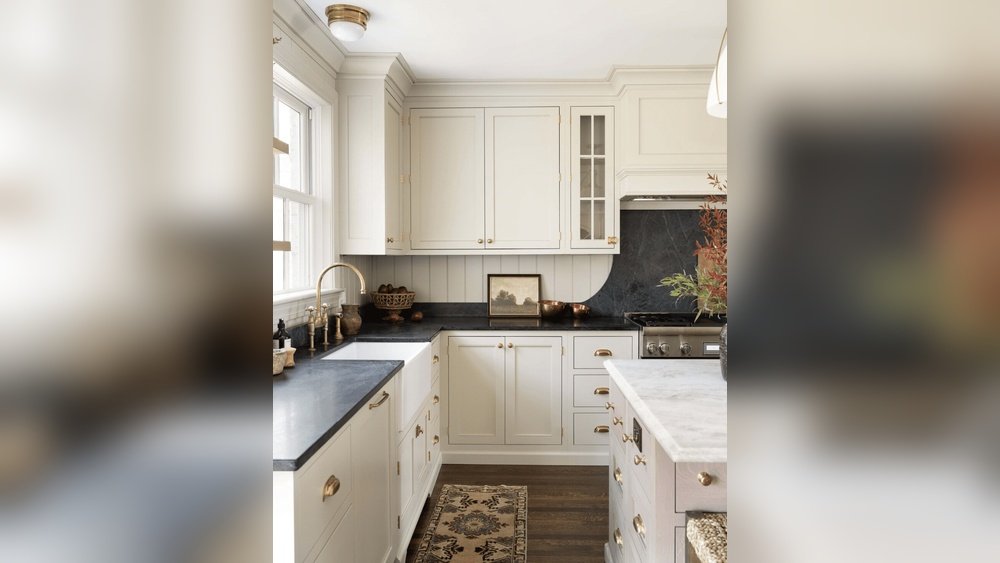
Mixing cabinet pulls and knobs is a simple way to refresh your kitchen or bathroom. But there’s a lot more to it than just picking hardware you like. The right combination can make your space look balanced, stylish, and uniquely yours.
The wrong mix can make cabinets look busy or disconnected. If you’re thinking about updating your cabinets but feel confused about how to blend pulls and knobs, you’re not alone. Many homeowners struggle with this detail, but with a little guidance, you can create a designer look—no interior decorator required.
Let’s explore how you can mix cabinet pulls and knobs with confidence, avoid mistakes, and bring out the best in your cabinets. Along the way, you’ll discover expert tips, practical examples, and solutions for common challenges. Whether you’re working with a modern kitchen, a classic bathroom, or a cozy laundry room, you’ll find ideas and advice here that fit your space.
Understanding Cabinet Hardware: Pulls Vs. Knobs
Before you start mixing, it’s important to know what sets pulls and knobs apart. Pulls are long handles you grip with your whole hand. Knobs are small and round, easy to grab with your fingers. Each type works best in different situations.
- Pulls are usually used for drawers, especially wide or heavy ones. They give you more grip and make it easier to open big drawers.
- Knobs are often used for cabinet doors. They are simple, classic, and fit well on smaller spaces.
But these are not strict rules. You can put pulls on doors and knobs on drawers if you like the look. Understanding these basics helps you make smart choices as you mix and match.
Why Mix Cabinet Pulls And Knobs?
Mixing cabinet hardware is more than just a trend. It’s about function, style, and personal taste.
- Visual interest: Mixing creates a layered, custom look.
- Functionality: Some cabinets are easier to open with pulls, others with knobs.
- Budget flexibility: Knobs are usually less expensive. Mixing lets you save on some pieces while splurging on others.
- Personal expression: You can show your style, whether it’s modern, vintage, or farmhouse.
Professional designers mix hardware to add character and detail. Even small changes can make a room feel fresh and updated.
Key Design Principles For Mixing Pulls And Knobs
Getting the mix right is about more than picking two styles you like. Here are core principles to follow:
1. Keep A Common Thread
Choose one element to unite your hardware. This could be:
- Finish (like all brushed nickel, matte black, or antique brass)
- Shape (all round, all square, or all sleek and modern lines)
- Style (all vintage, all contemporary, or all farmhouse)
When there’s a common thread, the mix looks intentional, not random.
2. Balance Proportions
Think about the size of your cabinets and drawers. Big drawers need bigger pulls. Tiny doors look better with small knobs. Make sure your hardware fits the scale of your cabinetry.
3. Limit The Number Of Finishes
It’s tempting to use lots of finishes, but too many can make the space look messy. Stick to one or two finishes for a polished look.
4. Repeat Patterns
If you use two types of hardware, repeat each type throughout the room. Don’t use a knob just once in a corner—it will look out of place.
5. Pay Attention To Placement
Put knobs and pulls in logical places. For example, pulls on all drawers and knobs on all doors. This consistency helps the eye rest, even if you mix styles.
How To Choose Pulls And Knobs That Work Together
Choosing hardware is easier when you follow a few simple steps.
Step 1: Decide On Your Style
Are you going for a modern, traditional, or transitional look? Modern spaces often use sleek bar pulls and simple round knobs. Traditional rooms may use ornate pulls with classic glass or ceramic knobs.
Step 2: Pick A Finish
Popular finishes include:
- Brushed nickel
- Matte black
- Polished chrome
- Oil-rubbed bronze
- Satin brass
If your appliances or fixtures have a finish, consider matching or coordinating. For example, stainless steel appliances pair well with brushed nickel or chrome hardware.
Step 3: Choose Shapes That Complement
Mixing shapes is fine, but they should work together. For example:
- Square knobs with rectangular pulls
- Round knobs with curved pulls
If your pulls are modern and straight, choose knobs with simple lines. If your pulls are vintage and ornate, look for knobs with similar details.
Step 4: Test Samples
Order a few samples before committing. Hold them against your cabinets. Notice how the finishes and shapes look in your lighting. Photos online can be misleading.
Step 5: Consider Comfort
Looks matter, but so does comfort. Try opening a cabinet with each knob or pull. Make sure they feel good in your hand and don’t catch on your clothes.
Where To Use Pulls And Where To Use Knobs
This is a common question, and the answer depends on both tradition and function.
Common Combinations
- Pulls on drawers, knobs on doors: This is the most popular choice. Pulls make it easy to open heavy drawers, while knobs fit well on vertical doors.
- Pulls on everything: For a modern, streamlined look, use pulls on both drawers and doors.
- Knobs on everything: Works in small kitchens or vintage designs, but less common in larger, modern spaces.
Special Situations
- Tall pantry doors: Use long pulls for better grip.
- Appliance panels: Match the pull to your appliances for a seamless look.
- Glass cabinets: Small, delicate knobs often look best.
Mixing is about finding what works for you. There are no strict rules.
Matching Vs. Coordinating Hardware
You don’t have to use the exact same hardware everywhere. But you do need a plan.
- Matching: All hardware is the same style and finish.
- Coordinating: Hardware is different but shares a common element—like finish, shape, or style.
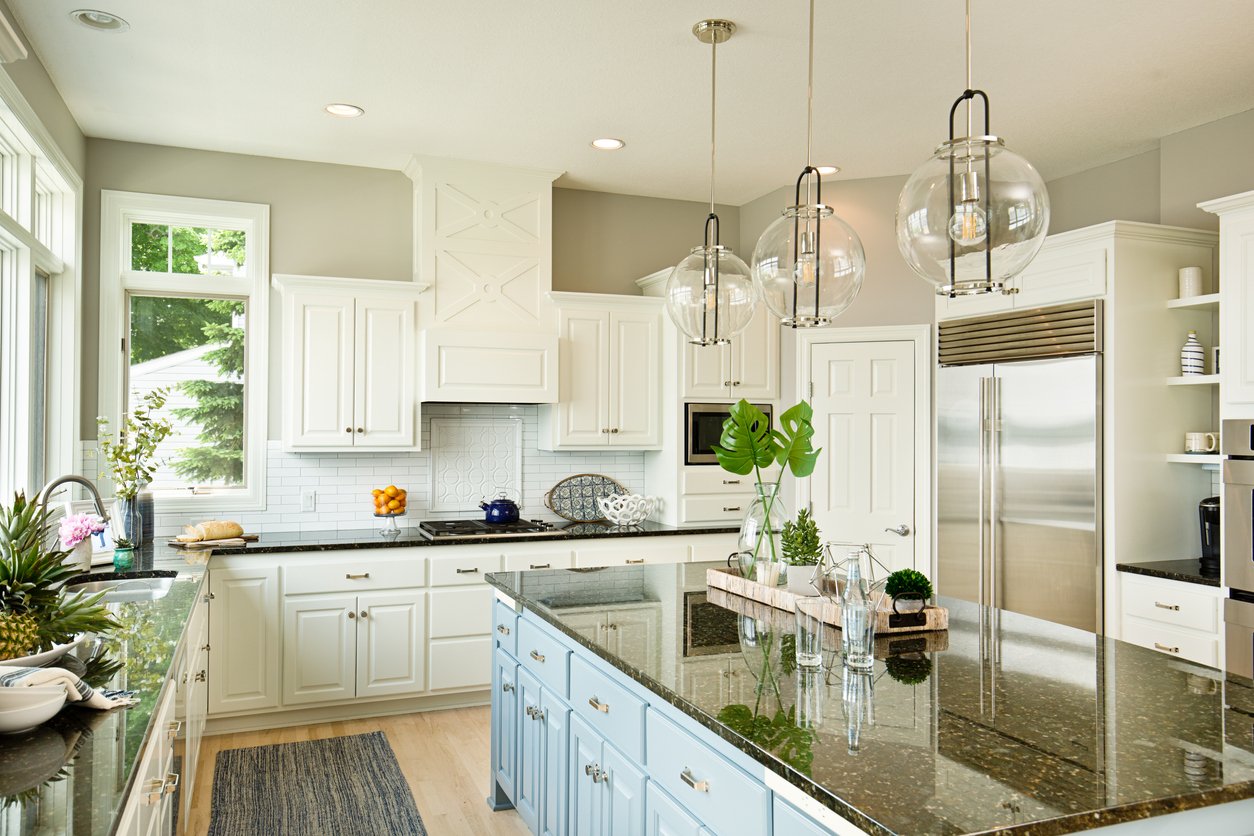
For example, you might use a square knob and a square pull in the same finish. Or, mix a round knob and a bar pull, but both in matte black.
Credit: www.ringsend.com
Examples Of Beautiful Hardware Mixes
Here are some real-world examples to inspire you:
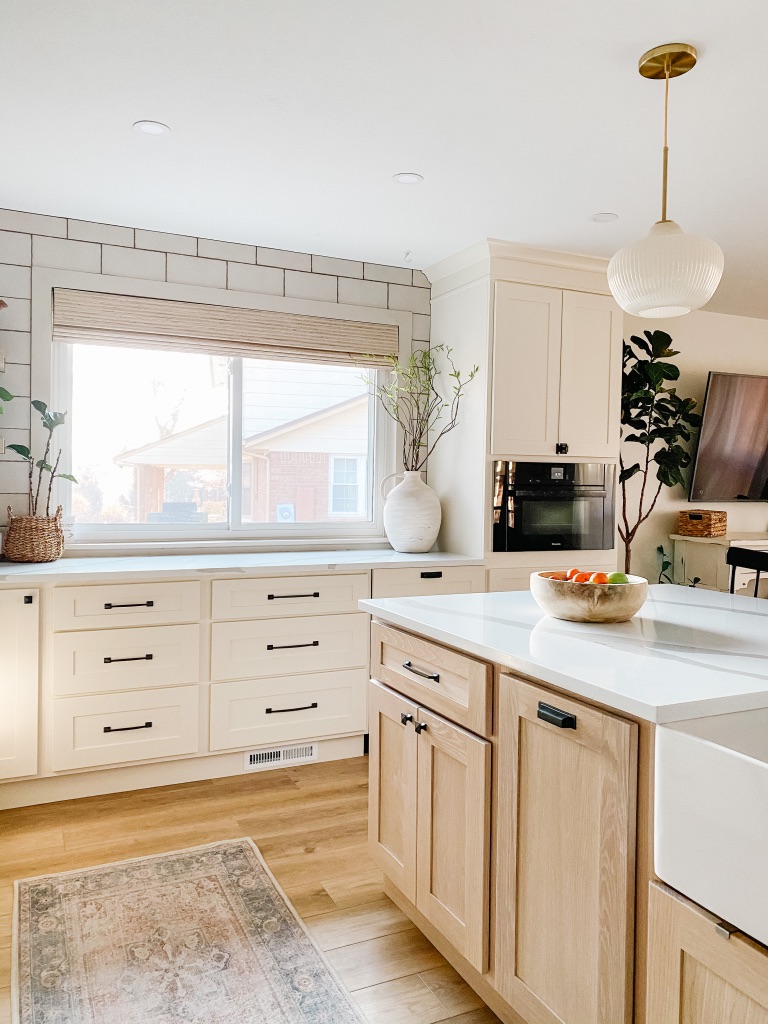
- Modern farmhouse kitchen: Matte black bar pulls on drawers, round black knobs on doors.
- Classic white cabinets: Polished nickel cup pulls on drawers, glass knobs on doors.
- Transitional gray kitchen: Satin brass pulls on large drawers, matching brass knobs on upper cabinets.
- Industrial loft: Brushed stainless steel pulls on everything, but mix different lengths for variety.
- Vintage bathroom: Oil-rubbed bronze bin pulls on vanity drawers, round ceramic knobs on doors.
These combinations show how a little planning can create a look that’s both interesting and unified.
Common Mistakes When Mixing Cabinet Pulls And Knobs
Many homeowners make the same mistakes. Avoid these to get a professional look:
- Mixing too many finishes: Stick to one or two. Three or more looks busy.
- Choosing styles that clash: For example, pairing an ultra-modern pull with a vintage knob.
- Ignoring scale: Large pulls on tiny drawers look awkward.
- Random placement: Using a knob here, a pull there, without pattern.
- Forgetting comfort: Some beautiful hardware is hard to use every day.
- Skipping samples: Always test before buying in bulk.
Hardware Sizes And Placement: What You Need To Know
Getting the right size and positioning is just as important as choosing the style.
Recommended Pull Sizes
- Drawers less than 12 inches wide: Use pulls 3 to 4 inches long.
- Drawers 12 to 30 inches wide: Use pulls 4 to 8 inches long.
- Drawers over 30 inches: Consider two pulls or one long pull (8 inches or more).
Recommended Knob Sizes
- Standard doors and drawers: Knobs 1 to 1.5 inches in diameter.
- Large cabinets: Up to 2 inches for a bolder look.
Placement Tips
- Pulls on drawers: Centered left-to-right and top-to-bottom.
- Knobs on doors: 2.5 to 3 inches from the bottom corner of the door.
- Pulls on doors: Vertically centered on the stile (the frame piece), 2.5 to 3 inches from the bottom.
Here’s a quick reference for hardware size recommendations:
| Cabinet Type | Recommended Pull Size | Recommended Knob Size |
|---|---|---|
| Small Drawer (<12″) | 3″ to 4″ | 1″ to 1.25″ |
| Medium Drawer (12–30″) | 4″ to 8″ | 1.25″ to 1.5″ |
| Large Drawer (>30″) | 8″+ or two pulls | Up to 2″ |
| Standard Door | 3″ to 5″ | 1″ to 1.5″ |
Mixing Finishes: How To Do It Right
Many designers mix finishes, but it takes care and planning.
When Mixing Works
Mixing works best when:
- You use one main finish and a subtle accent.
- The finishes have something in common (like all warm tones, or all cool tones).
- The room is large enough to handle visual variety.
For example, you might use matte black pulls on lower cabinets and brass knobs on uppers. Or, use stainless steel on the main cabinets and oil-rubbed bronze on the island.
When Mixing Fails
Mixing fails when:
- The finishes clash (like polished chrome and rustic bronze).
- The room is small and the mix feels busy.
- There’s no pattern or logic to the mix.
If you’re unsure, stick to one finish. It’s easier to get a clean, unified look.
Popular Finish Combinations
Here’s a look at some finish mixes that designers use:
| Main Finish | Accent Finish | Works Well In |
|---|---|---|
| Matte Black | Satin Brass | Modern, Transitional |
| Brushed Nickel | Polished Chrome | Contemporary |
| Oil-Rubbed Bronze | Antique Brass | Traditional, Farmhouse |
| Stainless Steel | Matte Black | Industrial |
Planning Your Hardware Layout
A little planning saves time and money.
Make A Cabinet Map
Draw your kitchen or bathroom layout. Mark every cabinet and drawer. Decide which will get knobs and which will get pulls. This visual map helps you see the overall pattern.
Take Inventory
Count how many knobs and pulls you need. Order a few extras in case of mistakes or future replacements.
Sample In Place
Install a knob and pull on one cabinet each. Step back and look at them together. Try opening and closing the doors and drawers. Make sure the mix feels right and works well.
Double-check Hardware Holes
Switching from knobs to pulls (or vice versa) means new holes. Measure carefully and use a template for perfect placement.
Installation Tips And Tools
You don’t need to be a pro to install hardware, but the right tools help.
Tools You’ll Need
- Drill with correct bit size
- Screwdriver
- Measuring tape or ruler
- Hardware jig or template
- Level (for long pulls)
Installation Steps
- Mark the spot for each knob or pull using a pencil.
- Use a template to keep the placement consistent.
- Drill straight through the cabinet face.
- Attach the hardware with screws—don’t overtighten.
- Check that everything lines up and works smoothly.
Pro Tips
- For heavy drawers, use two pulls for better support.
- Always open and close the cabinet to check the feel before drilling all holes.
- If you’re replacing old hardware, try to match the existing holes to avoid patching.
Real-world Examples And Case Studies
Seeing before-and-after examples can help you picture the impact of mixed hardware.
Example 1: Modern White Kitchen
Before: All small chrome knobs, looked plain and outdated.
After: Sleek stainless steel bar pulls on drawers, large chrome knobs on doors. The space feels bigger, more modern, and easier to use. The bar pulls add drama, while the knobs keep it classic.
Example 2: Farmhouse Bathroom
Before: No hardware at all. The vanity felt unfinished.
After: Oil-rubbed bronze cup pulls on drawers, matching round knobs on doors. The mix adds warmth and farmhouse charm. The cup pulls are easy to grab with wet hands, and the knobs fit the narrow door frames.
Example 3: Small Galley Kitchen
Before: Mismatched hardware in different finishes.
After: All matte black pulls on lower drawers and doors, small matching knobs on upper cabinets. The new mix makes the kitchen look tidy and thoughtful, not busy.
Cost Considerations When Mixing Pulls And Knobs
Mixing hardware isn’t just about style—it can affect your budget.
- Knobs are usually cheaper than pulls. If you have a lot of cabinets, using more knobs saves money.
- Pulls cost more—especially long or custom pulls. Use them on large drawers or statement cabinets.
- High-end finishes (like solid brass or custom colors) increase the price. Mixing in some basic pieces helps balance costs.
- Installation costs may rise if you need to drill new holes or patch old ones.
Here’s a look at average hardware costs in the US:
| Hardware Type | Average Price (per piece) |
|---|---|
| Basic knob | $2 – $5 |
| Designer knob | $6 – $15 |
| Basic pull | $4 – $8 |
| Designer pull | $10 – $30+ |
For a standard kitchen with 30 cabinets and drawers, mixing more knobs with a few statement pulls can save $50–$150.

Credit: hapnyhome.com
Non-obvious Insights For Mixing Hardware
Here are two details many people miss:
- Lighting changes hardware appearance. Cabinet hardware may look very different under bright LED kitchen lights compared to warm bathroom lights. Always check samples at different times of day.
- Fingerprints and cleaning matter. Shiny finishes (like polished chrome) show fingerprints and water spots more than matte finishes. In high-traffic kitchens, matte or brushed finishes are easier to keep looking good.
Sustainability And Durability
Not all hardware is created equal. If you want your pulls and knobs to last:
- Choose solid metal over plastic for durability.
- Look for hardware with a protective coating to resist tarnish.
- Consider recycled or eco-friendly materials if sustainability matters to you.
For more about sustainability in home materials, visit EPA Green Homes.
Troubleshooting: Fixing Common Problems
Sometimes, even with planning, things go wrong. Here’s how to fix common hardware issues:
- Crooked hardware: Loosen the screw, straighten, and retighten. If necessary, fill and re-drill the hole.
- Loose knobs or pulls: Use a longer screw or add a washer for a tighter fit.
- Chipped cabinets from drilling: Use painter’s tape on the drilling spot to prevent splinters.
- Finish rubbing off: Choose higher-quality hardware with a durable finish, or use clear lacquer spray to protect.
When To Hire A Professional
If you have many cabinets, custom finishes, or historic woodwork, consider hiring a professional installer. They have special tools to ensure perfect alignment and can handle repairs if something goes wrong. For most homeowners, though, mixing pulls and knobs is a doable DIY project.
Credit: sprucingupmamahood.com
Frequently Asked Questions
What’s The Best Rule For Mixing Pulls And Knobs?
The most reliable rule is to use pulls on drawers and knobs on doors. But don’t be afraid to break the rule if you prefer another look. Just keep a common thread—like finish or shape—for a unified style.
Can I Mix Different Shapes Or Styles Of Pulls And Knobs?
Yes, as long as they share a common detail such as finish, color, or overall style. For example, pairing square knobs with straight bar pulls in the same finish works well.
How Do I Know What Size Hardware To Buy?
Measure your cabinets and drawers. For drawers, the pull should be about one-third the width of the drawer. For doors, standard knobs (1 to 1. 5 inches) fit most cabinets. Always test a sample before buying all your hardware.
Should I Match Hardware To My Faucet Or Appliances?
It helps tie the room together, but it’s not required. Matching or coordinating the finish (like all brushed nickel) creates harmony, but mixing can add interest. Just avoid mixing too many finishes in a small space.
Is It Okay To Mix Hardware Finishes In A Small Kitchen?
It’s possible, but you need to be careful. Stick to two finishes maximum, and keep one as the main finish. Too many finishes can overwhelm a small space.
Mixing cabinet pulls and knobs is a simple, affordable way to update your kitchen or bathroom. With a little planning and these expert tips, you can create a custom look that feels both stylish and practical. The right mix adds personality and helps your space work better for you—every single day.