
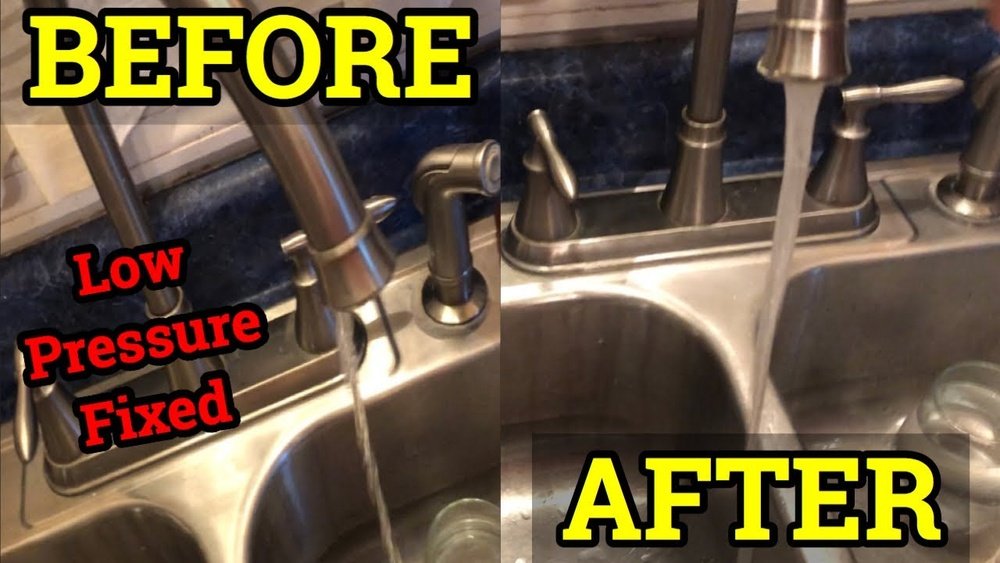
Low water pressure in the kitchen sink can turn simple tasks—like washing dishes or filling a pot—into frustrating chores. Many homeowners ignore this problem, hoping it will fix itself, but it rarely does. If your kitchen tap barely trickles or suddenly loses pressure, you’re not alone. Across the US, millions face this issue every year. In fact, low water pressure is among the top five plumbing complaints. But the good news: you can often solve it yourself with a bit of patience and practical knowledge.
This guide walks you through how to fix low water pressure in a kitchen sink step by step. You’ll learn to diagnose the source, try proven solutions, and know when to call a professional. We’ll break down everything in easy-to-understand language, so even if you’re not a plumbing expert, you’ll feel confident tackling the problem. Along the way, you’ll find real examples, helpful tables, and non-obvious tips most beginners miss.
Understanding Water Pressure In Your Kitchen Sink
Before you start fixing anything, it helps to know what you’re dealing with. Water pressure is the force that pushes water through your pipes and out of your faucet. In the US, the ideal household water pressure is 40–60 psi (pounds per square inch). If your kitchen sink is noticeably weaker than your bathroom or laundry, something is wrong.
How Water Gets To Your Sink
Water reaches your kitchen through a network of pipes—first from the main supply, then through smaller lines, and finally out of your faucet. Anything that blocks, leaks, or narrows these pipes can cause a drop in pressure.
Common Symptoms Of Low Water Pressure
- Slow or weak stream from the faucet
- Water flow drops when other taps are on
- Only hot or cold water is weak
- Strange noises (like whistling or banging) when using the tap
Low water pressure is sometimes a sign of a bigger plumbing issue. But often, it’s a simple fix—if you know where to look.
Quick Diagnostic: Is It Just The Kitchen Sink?
The first step is isolation. You need to know if the problem is only at your kitchen sink or throughout your home.
- Test other taps: Turn on your bathroom and laundry faucets. Is the pressure normal?
- Hot vs. cold: Try both hot and cold at your kitchen sink. Is the problem with both or just one?
- Appliances: Run your dishwasher or washing machine. Any change in water flow?
If only the kitchen sink is affected, the issue is likely local (faucet, aerator, or nearby pipes). If multiple spots are weak, you may have a main line or supply problem.

Credit: www.youtube.com
Most Common Causes Of Low Water Pressure In Kitchen Sinks
You can fix most low-pressure issues once you identify the cause. Here are the most frequent culprits:
- Clogged aerator (tiny screen at the faucet tip)
- Clogged cartridge or valve (inside the faucet body)
- Supply line blockage or kink
- Shut-off valve partly closed
- Leaky or corroded pipes
- Pressure regulator failure
- Municipal supply issues
- Faulty faucet or old fixture
Let’s look at each one and how you can fix it.
Fixing A Clogged Aerator
The aerator is the small mesh screen screwed onto the end of your faucet. It adds air to the water to reduce splashing, but can trap mineral deposits, sand, or rust.
How To Check And Clean The Aerator
- Turn off the tap and cover the drain (so small parts don’t fall in).
- Unscrew the aerator by hand or with pliers (wrap with a cloth to avoid scratches).
- Inspect for debris—look for white, green, or brown gunk.
- Soak in vinegar for 30 minutes to dissolve minerals.
- Scrub with an old toothbrush.
- Rinse and reattach.
Pro Tip: If you see black bits, your rubber faucet washer is disintegrating. Replace it to avoid future clogs.
How Often To Clean The Aerator
For homes with hard water, clean the aerator every 6 months. If you notice pressure drops, check it sooner.
Checking And Cleaning The Faucet Cartridge
If the aerator is clean but you still have weak pressure, the faucet cartridge (the internal valve) could be blocked.
Signs Of A Cartridge Problem
- Water comes out in a dribble, even with a clean aerator
- Only hot or only cold water is affected
- Faucet handle feels stiff or “sticky”
How To Clean Or Replace The Cartridge
- Turn off water under the sink (both hot and cold).
- Remove the handle (usually a screw underneath or behind a cap).
- Unscrew the retaining nut to access the cartridge.
- Pull out the cartridge (note the orientation).
- Inspect for debris or mineral buildup.
- Soak in vinegar or replace with a matching new cartridge.
- Reassemble and test.
Non-obvious insight: Some cartridges have O-rings that swell or degrade over time. If you see cracked rubber, replace the cartridge—not just clean it.
Inspecting And Fixing Supply Lines
Flexible supply lines connect your home’s pipes to the faucet. Over time, these can become kinked, blocked, or damaged.
How To Inspect Supply Lines
- Open the cabinet under the sink.
- Look for sharp bends, corrosion, or leaks.
- Feel the hoses—if one feels soft or “spongy,” it may be failing.
How To Fix Supply Line Issues
- Kinks: Gently straighten with your hands.
- Clogs: Turn off water, disconnect the hose, and flush it out.
- Replace if damaged: Buy the same length and size (usually 3/8-inch compression).
Insight: Many people miss that plastic supply lines can collapse internally without showing an outside leak. If your lines are old, swap them for braided stainless steel.
Checking Shut-off Valves
Every kitchen sink should have shut-off valves (also called stop valves) for both hot and cold lines. If these are only partly open, you’ll get low pressure.
How To Check And Adjust Shut-off Valves
- Look under the sink for two small valves (usually oval or lever-shaped).
- Turn both fully counter-clockwise (left) to open.
- If they’re stiff, gently wiggle back and forth to loosen.
Extra Tip: Old valves may get stuck from mineral buildup. If the valve won’t turn, don’t force it—replace it, or call a plumber.
Spotting Leaks And Corroded Pipes
Leaks or internal corrosion can rob your sink of pressure, even if you can’t see water dripping.
Signs Of Leaks Or Pipe Damage
- Wet spots under the sink or on the wall
- Rust stains on pipe joints
- Musty or moldy smell in the cabinet
- Sudden water bill increase
What To Do
- If you see a leak, tighten fittings gently.
- For visible corrosion or green/blue stains, replace the pipe section.
- For hidden leaks, call a professional—water damage can be expensive.
Non-obvious insight: Even a pinhole leak inside a wall can reduce pressure at one fixture. If you have persistent low pressure with no visible cause, consider a plumber’s inspection.
Dealing With Pressure Regulator Issues
Some homes have a pressure regulator on the main water line, especially if city water pressure is very high. If this fails, pressure can drop everywhere—or just in one area.
How To Check The Pressure Regulator
- Find the regulator (usually near the main shutoff, looks like a bell or cone).
- Check other faucets—are they all weak?
- Use a pressure gauge (about $10 at hardware stores) on an outdoor spigot to measure psi.
Adjusting Or Replacing The Regulator
- Most regulators have a screw or bolt for adjusting.
- Turn clockwise to increase, counter-clockwise to decrease.
- If adjusting doesn’t help, replacement is best left to a plumber.
When The Problem Is With The Municipal Supply
Sometimes, the issue is outside your home. City water lines can have maintenance, breaks, or temporary drops in pressure.
What You Can Do
- Ask neighbors if they have the same issue.
- Call your water utility for updates.
- Check for city notices about repairs.
If it’s a municipal problem, all you can do is wait. But don’t ignore a sudden, complete loss of pressure—this could mean a main break.
Faulty Faucets And Old Fixtures
Older faucets can have worn-out parts, internal clogs, or failing seals. Even after cleaning, some simply can’t deliver good pressure.
Signs It’s Time To Replace The Faucet
- Multiple repairs haven’t fixed the issue
- Leaks around the base or handle
- Faucet is over 15 years old
- Visible corrosion or pitting
Modern faucets are more water-efficient and less likely to clog internally. Replacing an old model can solve chronic low-pressure problems.
Comparing Kitchen Faucet Types And Their Impact On Pressure
Not all faucets are created equal. Some designs naturally restrict water more than others.
Here’s a comparison of common kitchen faucet types and their typical flow rates:
| Faucet Type | Average Flow Rate (GPM) | Pressure Issues |
|---|---|---|
| Standard Single-Handle | 1.5–2.2 | Rare |
| Pull-Down Sprayer | 1.5–2.0 | Sometimes (clogs in hose) |
| Touchless | 1.5–1.8 | Sensor malfunctions can reduce flow |
| Commercial Style | 2.2–2.5 | Rare, but can clog at spray head |
Pro Tip: If you upgrade your faucet, check the flow rate (listed on the package as GPM—gallons per minute). Some ultra-low-flow models can feel weak even with normal pressure.
Step-by-step Guide To Fixing Low Water Pressure
Let’s put it all together. Here’s a clear, practical path you can follow:
1. Check Other Fixtures
- Test bathroom, laundry, and outdoor taps.
- If all are weak, skip to “Pressure Regulator” and “Municipal Supply.”
2. Inspect The Aerator
- Remove, clean, and test.
3. Test Hot And Cold
- If only one is weak, focus on cartridge or supply line for that side.
4. Look Under The Sink
- Check supply lines for kinks or leaks.
- Open valves fully.
5. Examine The Faucet
- Remove and clean the cartridge or valve.
- Replace if damaged.
6. Watch For Leaks
- Look for wet spots, stains, or mold.
7. Measure Pressure
- Use a gauge on an outdoor spigot.
- Normal: 40–60 psi. Below 40 = low.
8. Ask The Neighbors
- Shared problem? Call the utility company.
9. Consider Replacement
- If everything else fails, swap the faucet for a new one.
Tools And Materials You May Need
Having the right tools can make the job easier and safer.
- Adjustable wrench
- Pliers (channel locks or slip-joint)
- Bucket and towels
- White vinegar (for soaking parts)
- Old toothbrush
- Pressure gauge
- Replacement supply lines or cartridges (if needed)
- Teflon tape for threaded connections
Safety Tip: Always turn off water at the shutoff valves before disassembling anything. Place a bucket under connections to catch drips.
Preventing Low Water Pressure In The Future
Maintenance can keep your kitchen water flow strong for years.
- Clean the aerator every 6–12 months.
- Replace old supply lines every 10 years.
- Use water softener if you have hard water.
- Check under the sink for leaks or corrosion twice a year.
- Upgrade to a modern faucet if yours is over 15 years old.
Real-world Example: Troubleshooting A Kitchen Sink
Let’s look at a practical scenario.
Case: Maria notices her kitchen sink is running weak, but her bathroom is fine.
- She removes the aerator—caked with white deposits.
- After cleaning, pressure is better, but still not great.
- She checks supply lines—cold line is kinked behind the cabinet.
- After replacing the line, pressure returns to normal.
Lesson: Problems are often layered. Fix the obvious, but keep checking until the flow is strong.

Credit: www.reddit.com
Comparing Diy Fixes Vs. Calling A Plumber
Some issues are easy to fix yourself, while others are better left to a professional. Here’s a quick comparison:
| Issue | DIY? | Call a Plumber? |
|---|---|---|
| Aerator cleaning | Yes | No |
| Cartridge replacement | Yes (with instructions) | If unsure |
| Supply line replacement | Yes | If leak persists |
| Pressure regulator replacement | No | Yes |
| Leak inside walls | No | Yes |
Insight: If you’re comfortable using basic hand tools, most kitchen sink pressure issues can be solved without a plumber. But if you suspect a main line leak or regulator problem, professional help is safer and may save money in the long run.
Common Mistakes To Avoid
Even handy homeowners can make errors when fixing water pressure:
- Forgetting to turn off the water before disassembling parts
- Using too much force and cracking plastic fittings
- Mixing up hot and cold supply lines on reassembly
- Not cleaning all debris from inside the faucet body
- Ignoring tiny leaks after finishing a repair
Quick fix does not mean permanent fix. Always check your work for drips or loose connections before considering the job done.
Credit: www.reddit.com
When To Replace Vs. Repair
Sometimes, the best solution is to replace, not repair. Consider replacement if:
- Repairs don’t restore full pressure
- Parts are unavailable or expensive
- Faucet or supply lines are more than 15 years old
- Visible corrosion or cracks
Modern fixtures are designed for both efficiency and performance. Upgrading can save water, money, and frustration.
How Water Quality Affects Pressure
Hard water (water with high mineral content) is a leading cause of clogged aerators and cartridges. Over time, deposits can build up even inside pipes.
Signs Of Hard Water Impact
- White or green crust on faucets
- Reduced flow that returns after vinegar soak
- Need to clean aerators more than twice a year
If you live in a hard water area, consider a water softener to protect your whole plumbing system.
For more information on water hardness and its impact on plumbing, visit the EPA Water Research page.
Frequently Asked Questions
Why Is My Kitchen Sink Water Pressure Low But The Bathroom Is Fine?
This usually means the problem is local to the kitchen—likely a clogged aerator, blocked supply line, or issue with the faucet cartridge. Start by cleaning the aerator, then check the supply lines and valves under the sink.
Can A Clogged Drain Cause Low Water Pressure?
No, a clogged drain affects how water leaves the sink, not how it enters. Low water pressure is almost always caused by issues before the faucet—like blockages, leaks, or partially closed valves.
How Often Should I Clean My Kitchen Faucet Aerator?
If you have hard water, clean it every 6 months. For normal water, once a year is usually enough. Clean sooner if you notice a sudden drop in pressure or see mineral buildup.
Is Low Water Pressure Dangerous For My Plumbing?
Low pressure itself won’t damage pipes, but it can be a sign of leaks, corrosion, or major blockages. These can cause expensive water damage or mold if ignored. Always investigate sudden changes in pressure.
Should I Always Call A Plumber For Low Pressure?
Not always. Most cases—like a clogged aerator or cartridge—can be fixed with basic tools. Call a plumber if you suspect leaks inside walls, pressure regulator failure, or can’t restore pressure after trying the common fixes.
Solving low water pressure in your kitchen sink isn’t just about comfort—it’s about keeping your home’s plumbing healthy and efficient. With a little time and the right steps, you can get your kitchen water flowing strong again.